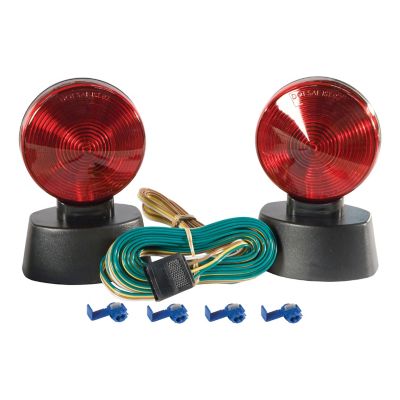
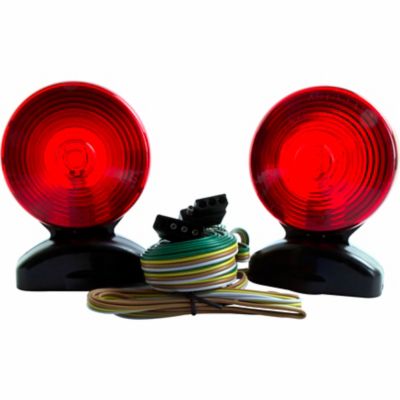
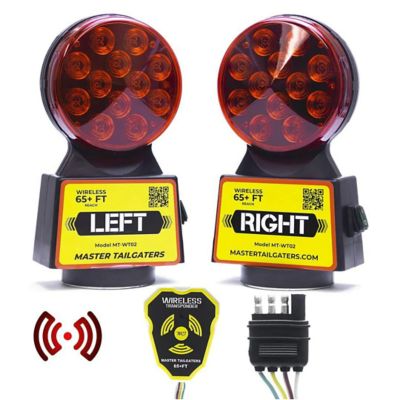
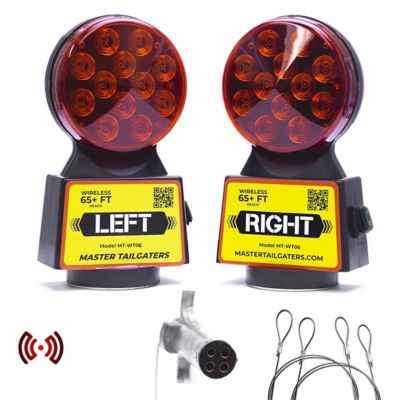
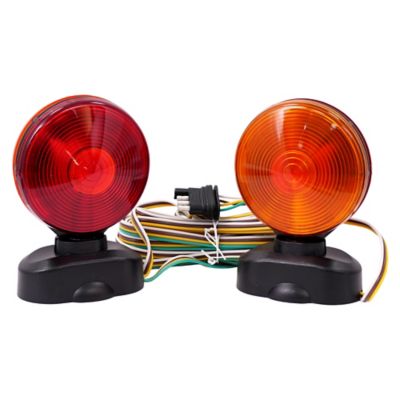
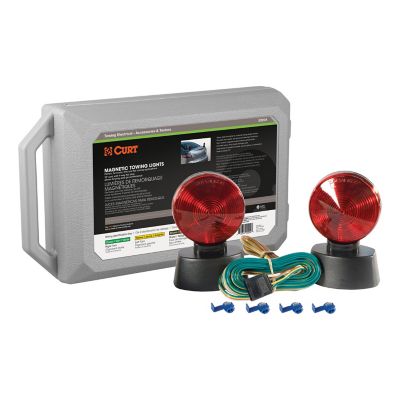
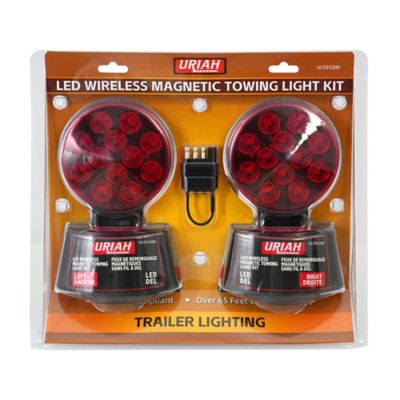
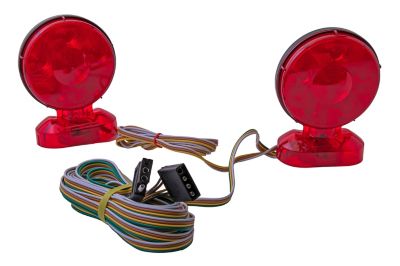
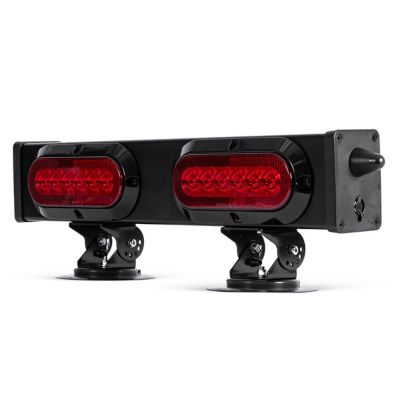
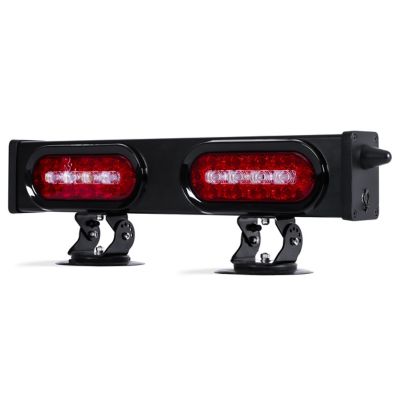
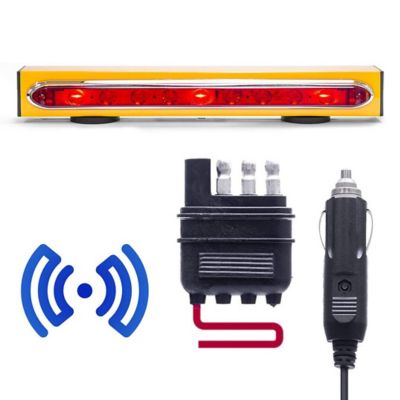
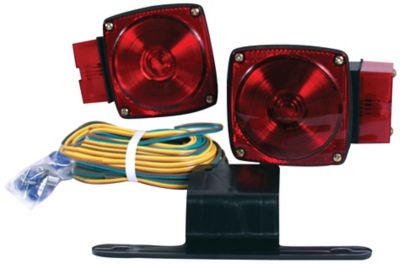
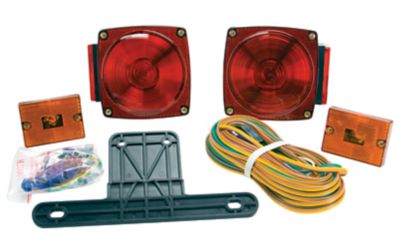
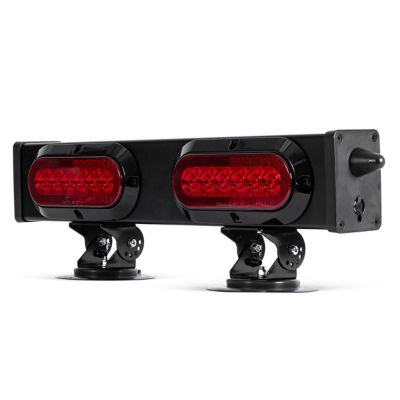
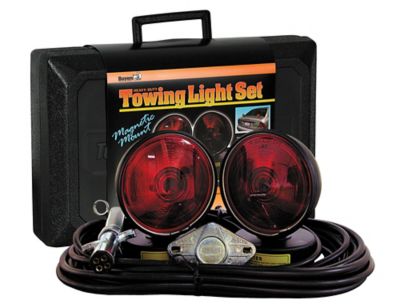
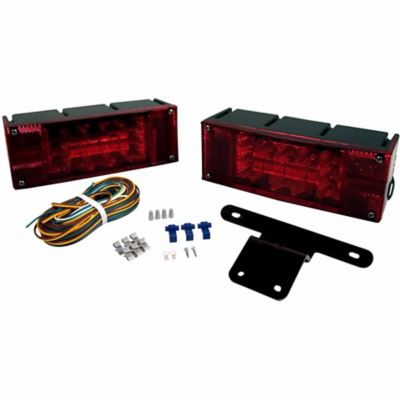
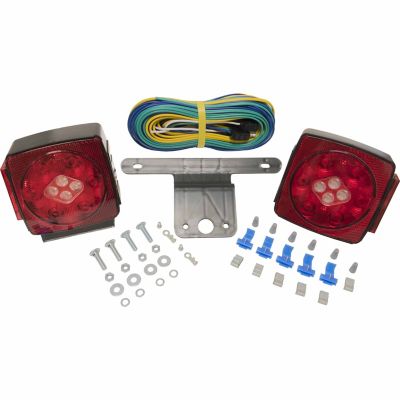
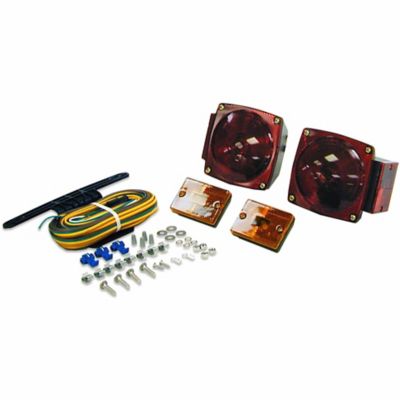
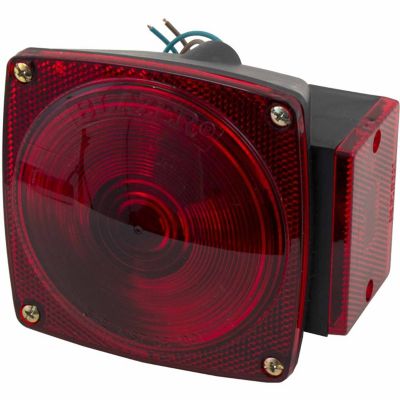
Magnetic tail lights for trailers give drivers behind a clear signal when a tow vehicle slows down, turns or travels after dark, without requiring permanent lamp mounts on the trailer. They make sense for plenty of everyday hauling jobs, from taking a utility trailer across town for lumber to moving a borrowed equipment trailer between properties. For folks who tow more than one trailer, removable lighting can be a practical part of the truck’s hauling gear, provided each setup meets the light kit’s mounting and electrical requirements. These systems generally pair rear-facing lamps with magnetic bases, letting the lights attach to suitable steel surfaces rather than brackets fastened with bolts. Depending on the design, the lamps may combine tail, stop and turn functions, with wiring or a wireless connection carrying signals from the tow vehicle. That distinction matters: magnetic describes how the lamps mount, not how they receive power or signals. A wired set still needs a compatible electrical connection, while a wireless arrangement may involve a vehicle-mounted transmitter and batteries at the lamps. Magnetic lights can help address certain temporary lighting needs, but they are not automatically a complete lighting system for every trailer. Required side markers, reflectors, clearance lamps and license plate illumination depend on the trailer and applicable rules. Trailer width, length and configuration all play a part in what belongs on the road. A small flatbed carrying fence posts has a different layout from a wide equipment trailer with loading ramps, and both need lights positioned where following drivers can see them. The broader
Trail Lights category offers another place to consider lighting for a towing setup. For magnetic trailer tail lights, the main appeal is straightforward: removable rear signaling that fits the job without calling for permanent mounting holes, as long as the trailer provides an appropriate attachment surface and the system supplies the functions needed for the trip.
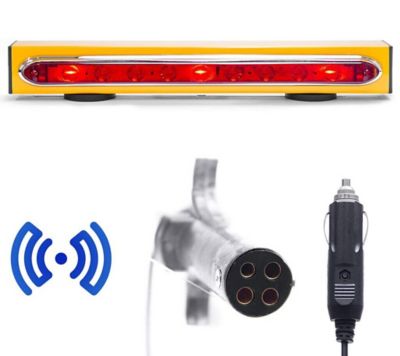
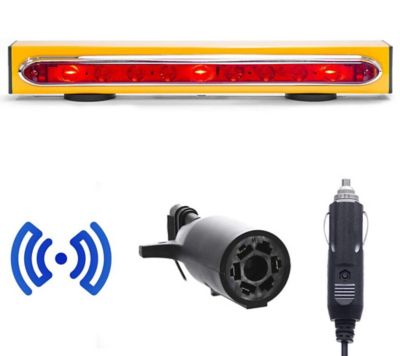
Fit starts with the trailer itself, especially the surface beneath each magnetic base. Magnets attach to suitable ferrous metal, such as steel; they do not attach directly to aluminum, wood or plastic. That is an important distinction on trailers with aluminum frames, wooden decks or nonmetallic fenders. Even on a steel trailer, a narrow rail, rounded tube, heavy rust or an uneven surface can keep the base from sitting flat. Broad contact between the base and a sound mounting surface helps the magnet hold as intended, while the manufacturer’s mounting directions establish the limits for a particular design. A protective pad or coated base may help limit scuffing, though trapped grit can still mark a painted surface. Lamp housings commonly incorporate molded plastic, with lenses designed to spread light in the intended direction. Lens construction, housing seals, cable entry points and strain relief all deserve attention because trailer equipment sees vibration, dust and repeated handling. LED designs offer low electrical draw and do not have a bulb filament, while incandescent designs may provide access for bulb replacement. Serviceability varies, so a sealed lamp and a lamp with replaceable components call for different upkeep. Electrical fit is just as important as mounting fit. Many light-duty towing setups have a four-way flat connection for basic lighting functions, but other tow vehicles and trailers have different connectors. Matching the plug shape alone does not establish compatibility; voltage, circuit arrangement and the lighting system’s requirements must also line up. An adapter does not necessarily add a missing function or correct a wiring fault. Cable length needs to account for the full path from the tow vehicle connection to both lamps, including space for turns and routing around the load. Wiring that barely reaches while the truck and trailer sit straight can pull tight during a turn. Excess cable needs secure routing, too, rather than hanging near the road, tires, hitch components or loading equipment.
The best match for a hauling routine also depends on how often the lights move from one trailer to another and what happens around them during loading. Someone hauling a mower to a second property may value a compact set that packs away neatly, while a landowner moving gates, feed equipment or small machinery may pay closer attention to cable protection and where the lamps sit behind the load. Ramp gates, overhanging boards and tailgates can block rear lamps even when the lights appear well placed on an empty trailer. Mounting position should preserve the intended rear-facing orientation, required spacing and clear visibility with the actual load secured. Magnetic attachment also needs to suit the planned travel; a strong hold while parked does not by itself establish that a mounting position is appropriate for road vibration and movement. Manufacturer instructions, including any travel restrictions or secondary securing provisions, matter more than a quick tug on the housing. For wireless systems, battery runtime, charging arrangements and transmitter compatibility become part of the fit assessment. Wireless signaling does not remove the need to confirm that each lamp responds properly to the truck’s controls. A brief check of tail, brake and turn functions before departure helps catch a loose plug, depleted battery or crossed connection before the trailer leaves the driveway. Care between trips is generally simple but worthwhile. Clean contact surfaces help keep grit from collecting beneath the bases, and wiping lenses clear preserves visibility. Cable jackets, plugs and strain-relief points benefit from regular inspection for cuts, pinching and looseness, especially after a trip involving ramps or shifting equipment. Water-resistance ratings should match the intended use; a sealed-looking housing does not necessarily mean the lamp can be submerged during a boat launch. Following the stated exposure limits helps protect both lighting and electrical connections. After hauling, loosely coiled cables and protected storage keep connectors and lenses from knocking against chains, binders and loose tools. With the right fit and sensible handling, magnetic tail lights can earn their place alongside the other gear that keeps a trailer ready for its next job.