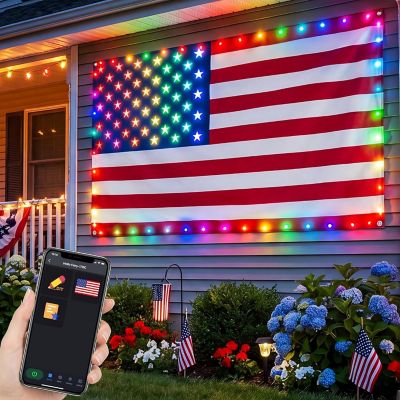
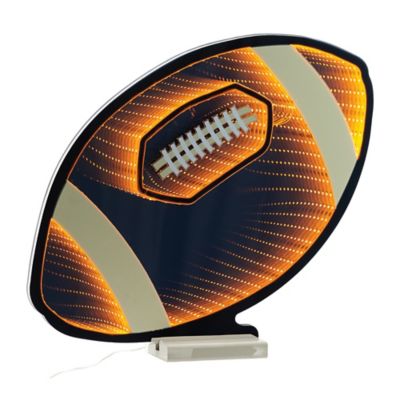
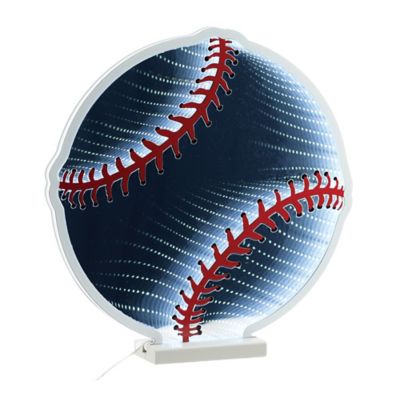
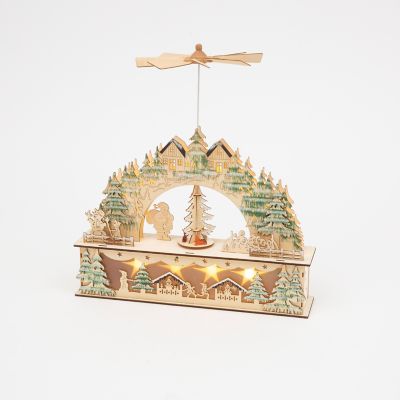
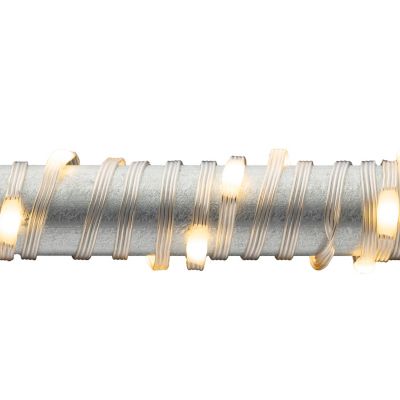
LED light displays use light-emitting diodes to create illuminated shapes, patterns, lettering or scenes. Depending on their design, they can provide a steady glow, change colors or add movement through timed lighting effects. For a home, yard or gathering space, that means anything from a simple outline along a porch to a freestanding arrangement that catches the eye from the driveway. The appeal is easy to picture: a welcoming entrance, a bright focal point beside the front steps or a cheerful scene along a fence where family and neighbors pass by. Unlike a screen meant for watching videos, many residential light displays build their image with lights arranged around a frame or spread across a shaped surface. That structure gives the display its character even before the lights come on. Warm white lighting has a softer appearance that sits comfortably beside wood siding, stone and natural greenery, while cool white lighting creates a crisper outline. Multicolor lighting brings a playful feel to family celebrations, and single-color arrangements can tie a larger setup together without making every corner compete for attention. Scale matters just as much as color. A display viewed across a wide yard needs a clear silhouette, while something near a doorway can have smaller details that people notice up close. The space around the lights also makes a difference; a little breathing room helps each shape stand out against the house or landscape. Lighting effects should suit the setting, too. A steady glow works well near a sitting area, while gentle twinkling or changing patterns can add interest farther from windows. LEDs generally draw less electricity than incandescent lighting with comparable output, although total power consumption depends on the number of lights, brightness and operating time. The rated wattage offers a more useful comparison than the size of the frame alone, since a large, open shape may contain fewer lights than a smaller, densely lit arrangement.
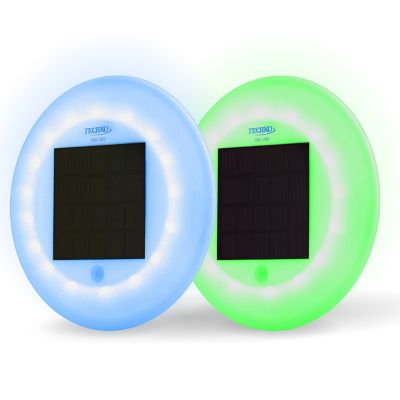
The construction of an LED light display affects where it belongs and how comfortably it fits into everyday life around the property. Metal frames can give larger shapes structure, molded plastic components can form detailed surfaces, and fabric or mesh coverings can soften the appearance of individual points of light. For outdoor placement, the frame, finish, wiring and connections all need to suit the exposure described on the product label. An indoor-only display belongs in a protected interior space; a covered porch does not automatically provide the same protection as a room inside the house. Outdoor ratings matter for power supplies and extension cords as well as the display itself. A broad base, suitable anchoring points and the recommended stakes or supports help freestanding arrangements stay in position, especially in an open yard. Firm attachment should not depend on stretching an electrical cord tight or leaning the frame against a railing. Dimensions deserve a close look beyond height alone: base width, projecting parts and cord length determine whether a display fits beside a walkway without crowding the path. Around a working property, placement also needs to leave room for gates, wheelbarrows, feed deliveries and the everyday traffic between the house and outbuildings. Keeping cords away from animal pens, chewing pets and equipment routes helps protect both the lighting and the people tending chores. Plug-in displays need a suitable outlet within reach, with ground-fault circuit interrupter protection for outdoor connections. Battery-powered designs offer more freedom of placement, but battery access and expected operating time remain part of the fit. Solar-powered designs depend on adequate sunlight reaching the panel, so a shaded location may limit their performance. Timers and compatible controls can make operating hours easier to manage, though built-in functions vary by design. LEDs give off less heat than incandescent bulbs, but electrical components still need the clearances and handling described by the manufacturer. Power connections belong clear of standing water, and extension cords should not cross a walking route where a boot, paw or wagon wheel could catch them.
LED light displays can take part in Christmas celebrations, birthday gatherings, weddings and everyday porch lighting, with the shape and color setting the tone. A welcoming arrangement near the house can feel right at home beside a gravel drive, while a larger scene may suit a broad lawn or an entrance visible from the road. Alongside lower lighted shapes,
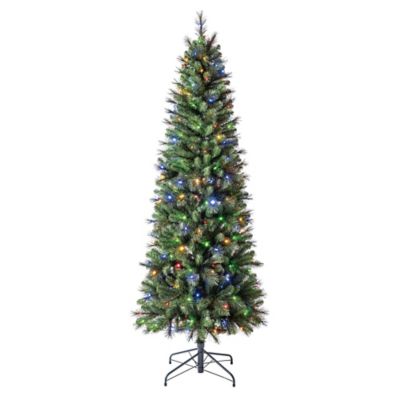
LED Light Trees can bring height to an arrangement and help create a focal point without filling the whole space. Repeating a color or lighting effect across the setup gives separate pieces a connection, while leaving some areas unlit keeps the scene from looking crowded. Near neighboring homes, aiming light into the intended space and keeping flashing effects away from bedroom windows makes the display easier to live with. Long-term enjoyment depends partly on care between occasions. A frame that folds or separates into manageable sections takes less storage space, and accessible connections make assembly less of a chore. Built-in LEDs may not be individually replaceable, so the manufacturer's information matters when considering service options and the life of the whole display. Before storage, disconnect the power and follow the cleaning directions for the frame and covering. A soft cloth may handle surface dust, while electrical parts need protection from soaking. Everything should be dry before packing, with cords loosely gathered rather than sharply bent around frame edges. Keeping supports, fasteners and any controller together saves a hunt through the shed when the display comes out again. A dry storage spot that protects the shape from crushing helps preserve its appearance and keeps wiring from getting pinched beneath heavier equipment. For someone who enjoys welcoming neighbors or putting together a family celebration, an LED light display can also make a thoughtful housewarming or holiday gift. The best fit reflects the recipient's space, access to power and willingness to handle setup, so the bright addition feels like a pleasure rather than another job on the chore list.