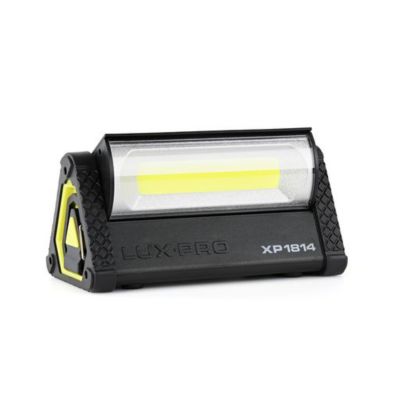
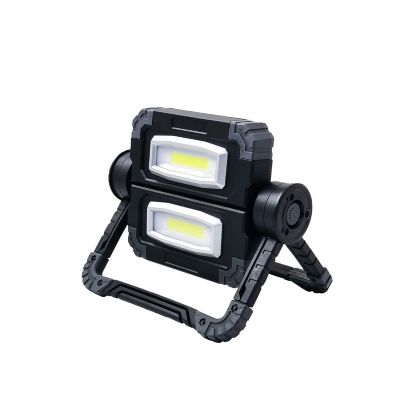
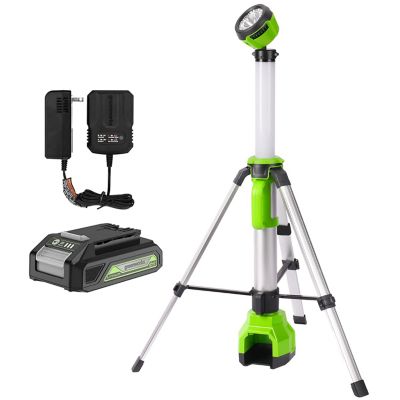
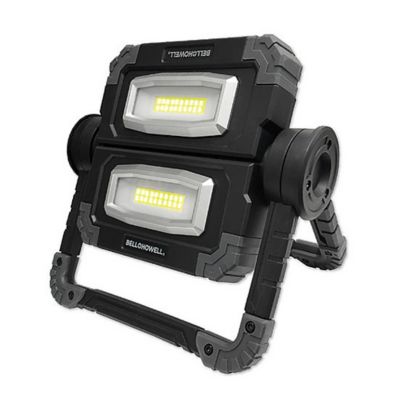
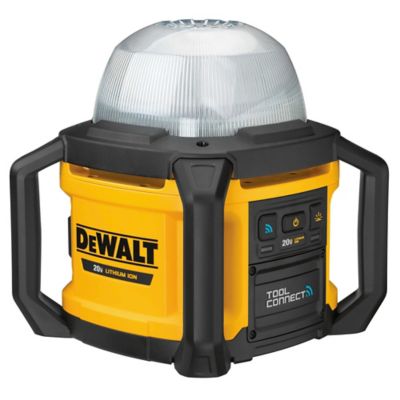
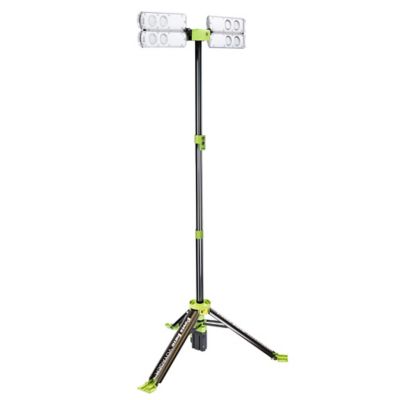
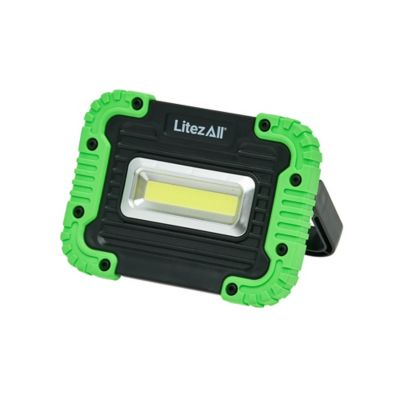
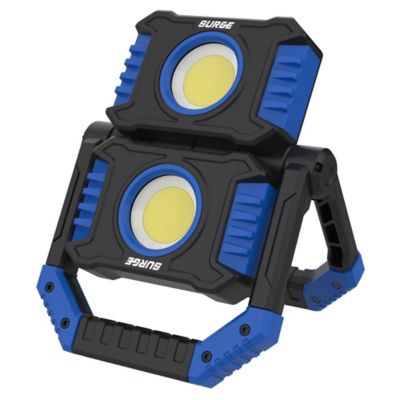
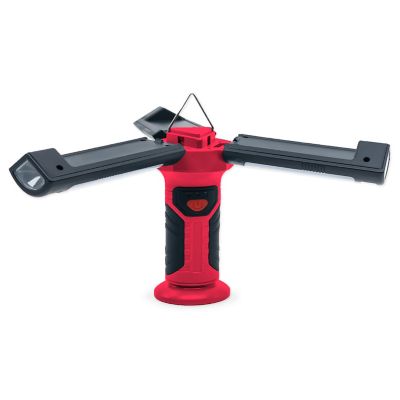
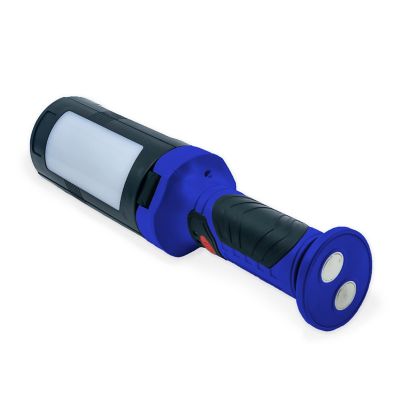
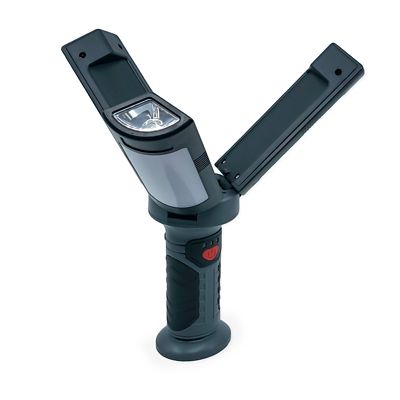
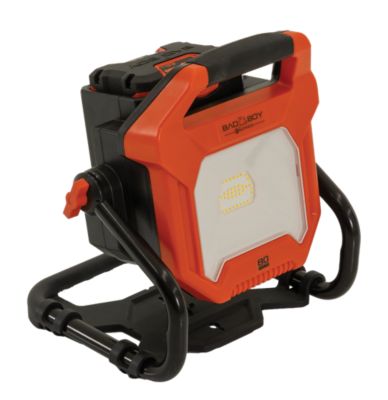
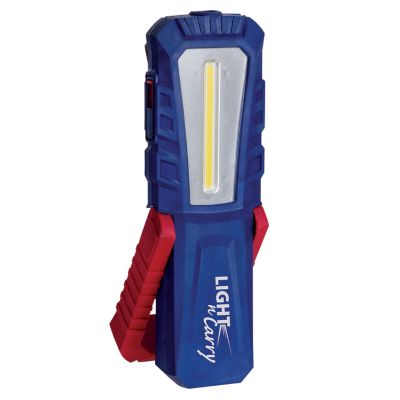
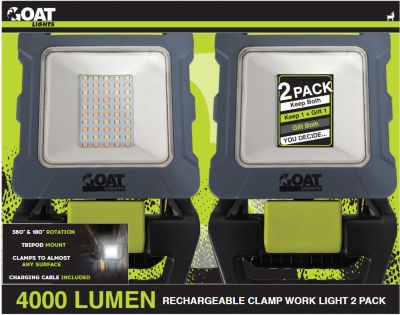
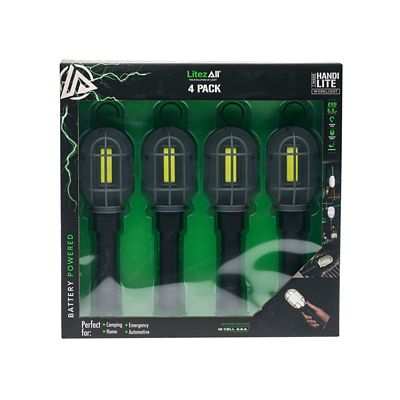
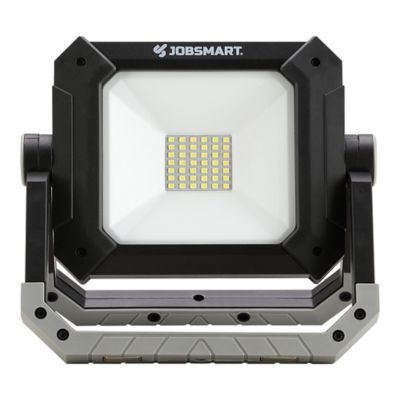
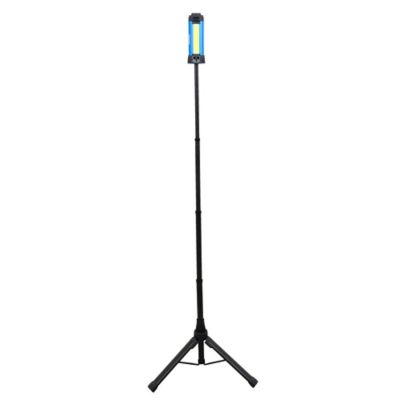
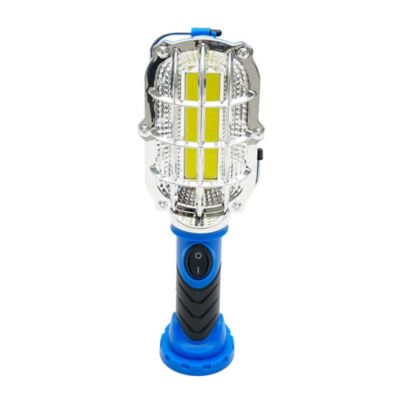
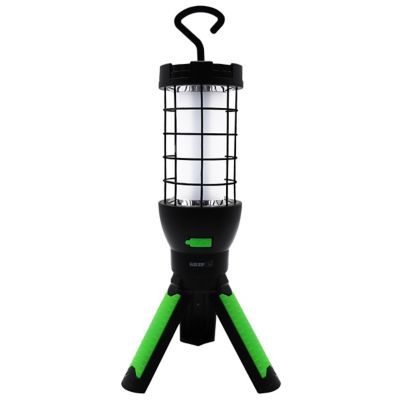
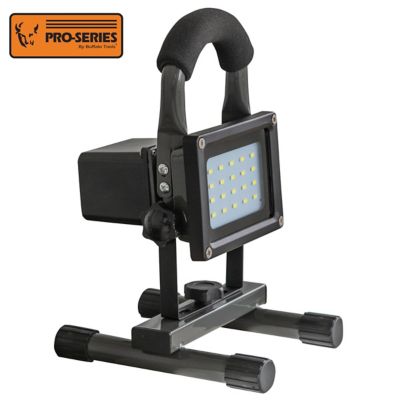
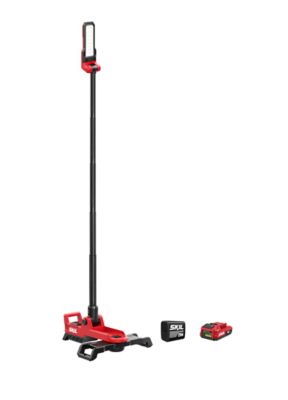
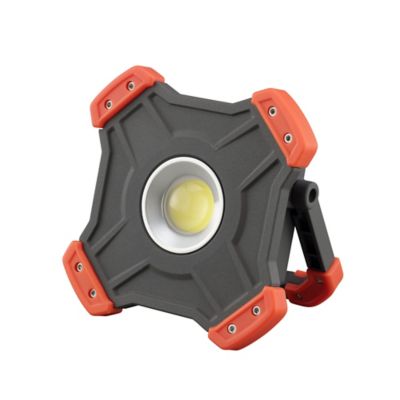
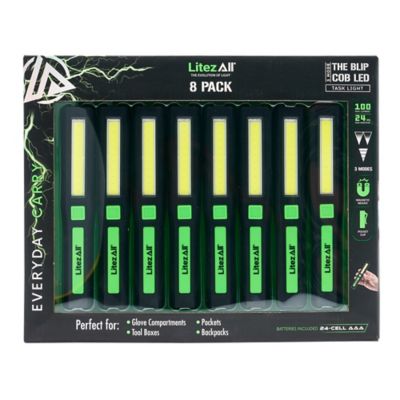
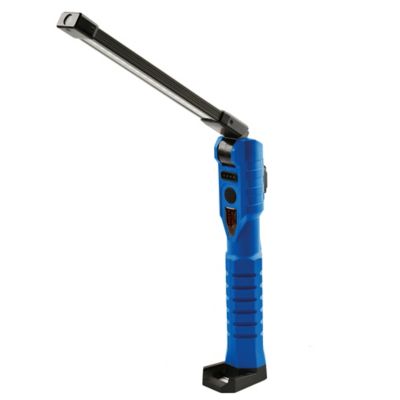
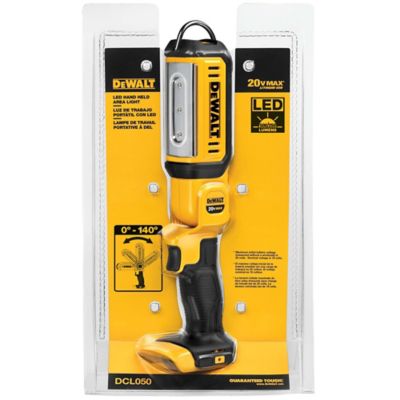
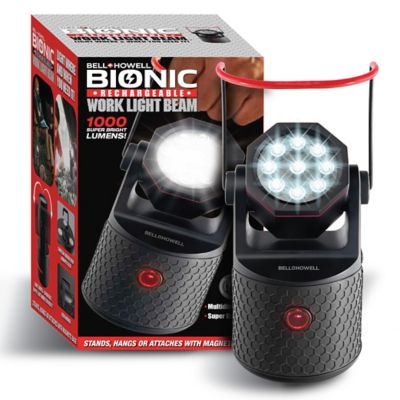
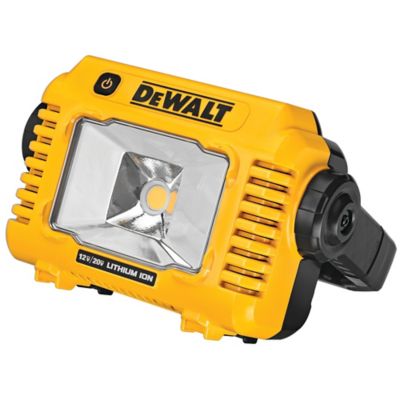
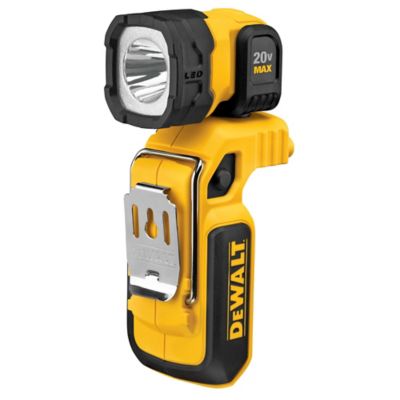
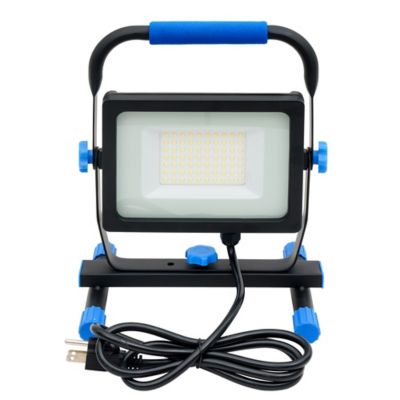
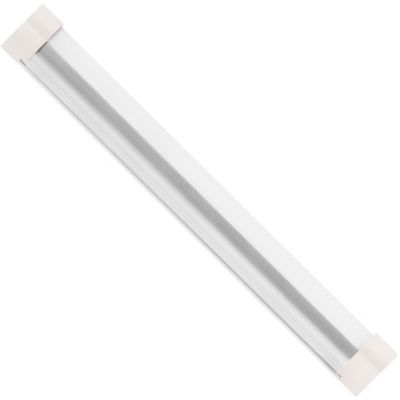
Battery-operated work lights bring light right to the job, whether that means tightening a fitting beneath a tractor, sorting hardware in a shed, or getting a clear look behind a workbench. Without a power cord running back to an outlet, these lights can move from the shop to the barn and out to a piece of equipment that needs attention. That freedom matters when the nearest receptacle is across the building or a cord would cross a busy walkway. Different light styles suit different kinds of work. A broad flood beam spreads light across an engine compartment, bench, or stall aisle, while a narrower beam reaches into recessed areas and puts more light on a smaller target. Compact handheld designs fit into tight spaces, and larger freestanding lights can cover a wider work area. Some designs combine more than one lighting mode, making it easier to move between close inspection and general task lighting. Brightness, commonly listed in lumens, is one part of the picture, but beam shape and placement matter just as much. A bright light pointed straight at a shiny metal panel can create glare; a light positioned off to the side may make a bolt head or fluid connection easier to see. Adjustable output gives more control over that balance and can stretch battery life when full brightness is more than the task calls for. Light color also changes how a work area looks, and color-rendering information, when provided, can help shoppers compare how clearly wire colors, paint markings, and small parts appear. For mechanics, livestock owners, contractors, and folks keeping up with chores around the place, practical lighting comes down to seeing the work clearly without having to hold a flashlight in one hand. A portable light that settles into the space and stays pointed where it belongs can make a difference during everyday maintenance, repairs, and cleanup.
The housing, lens, handle, and base all play a part in how a battery-operated work light fits into a working day. Depending on the design, housings may feature molded plastic, aluminum, rubber trim, or a combination of materials. Metal components can add structure and help manage heat, while rubberized edges may cushion everyday bumps against a toolbox or concrete floor. Lens materials and protective frames matter when a light rides alongside tools or sits near moving equipment. Published impact and ingress-protection ratings give more useful information than appearance alone, especially around dust, shavings, and occasional splashes. A rating applies to the conditions stated by the manufacturer, though, and does not make every light suitable for washing down or submersion. Shape deserves attention, too. A low, wide base can sit steadily on a bench, while folding legs or a tripod-style support can raise the beam above nearby tools and parts. Pivoting heads let the light reach beneath a mower deck or along the side of a work surface without moving the whole unit. Hooks and magnetic mounts offer other ways to free both hands, provided the attachment suits the surface and the light’s weight. A magnet needs an appropriate metal surface, and a hook needs a secure place to hang; neither should put the light where it could fall into machinery. Handles with enough room for a gloved grip make carrying easier, and controls that are easy to find help when hands are occupied with a repair. For work that extends beyond the shop,
Outdoor Work Lights offer another way to explore lighting suited to open work areas. Across these settings, a well-placed light belongs on stable footing, clear of rotating parts, fuel spills, and walkways. Ordinary work lights should never be assumed suitable for places where flammable vapors or combustible dust call for specially rated equipment.
Battery type and charging arrangements shape how easily a work light fits with the rest of the tools on the place. Some lights run on replaceable batteries, some have a rechargeable battery inside, and others accept removable tool batteries from a specified platform. A shared battery system can simplify the routine for someone already working with compatible cordless tools, but matching voltage alone does not establish compatibility. The listed platform, connector, battery requirements, and charger instructions all matter. Built-in rechargeable designs keep the light and its power source together, while removable packs make it possible to swap batteries and keep working when a charged pack is on hand. Runtime figures are most helpful when read alongside the brightness setting and test conditions. A light running at its highest output generally draws more power than the same light on a lower setting, and a larger-capacity battery may add both operating time and carrying weight. That tradeoff feels different when a light stays beside a bench than when it travels from gate to gate in a tool bag. A battery-level indicator can take some guesswork out of planning a longer repair, and a protected charging port helps keep shop debris away from the connection. Everyday care is straightforward: a clean lens lets more light reach the task, clear vents help the light shed heat, and sound hinges and mounting points help it stay in position. Cleaning and storage should follow the manufacturer’s directions, with batteries and charging contacts kept free of debris and damaged packs taken out of service. Packed where the lens will not rub against loose hardware, a work light is easier to keep ready for the next job. From a quick belt inspection to an evening at the repair bench, the right combination of beam, mounting style, battery setup, and manageable size helps put useful light where the work actually happens.