Towing solutions help drivers, farmers, ranchers, contractors, campers, and weekend gear haulers move vehicles, equipment, trailers, and loads with a little more confidence. The right setup can come in handy when a mower needs to be pulled out of a soft patch, a utility trailer has to be repositioned, or a vehicle is stuck after a muddy backroad or snowy driveway. These products may also be useful for roadside emergencies, including a dead battery, a flat tire, a vehicle that has slid off a gravel shoulder, or a car that needs to be moved safely away from traffic after a breakdown. Keep in mind that recovery gear is not a substitute for professional towing or emergency services when a vehicle is badly damaged, overturned, carrying a heavy load, or sitting in a dangerous location. In those situations, contact a qualified towing or recovery operator and give clear details about the vehicle, terrain, distance, and access. For everyday hauling and recovery work, choose equipment based on the weight and type of load, the vehicle’s towing capacity, the attachment points available, and the conditions where the gear will be used. A compact car, full-size pickup, side-by-side, livestock trailer, and commercial truck all place different demands on towing equipment. Check the working load limit and breaking strength, and never rely on a maximum rating without allowing a safe margin for movement, angle, shock, and changing ground conditions. A load that seems manageable on level pavement may place far more strain on equipment when it is stuck in mud, pointed uphill, or partially buried in sand. Before buying, look for clearly marked ratings, durable construction, secure connection points, and a size that matches the vehicle or trailer. It is also smart to consider storage: equipment that stays rolled, folded, or contained in a clean tote is easier to find when the weather turns rough and a recovery job starts after dark.
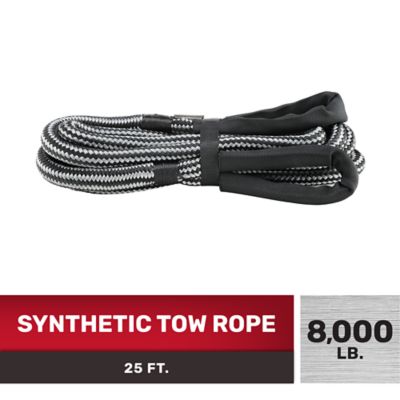
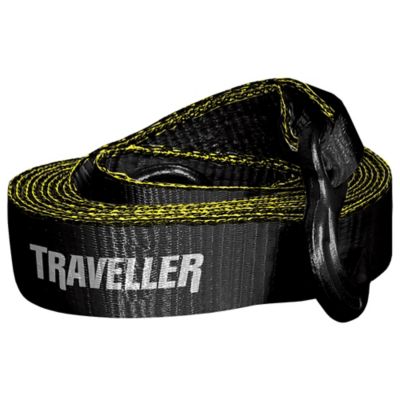
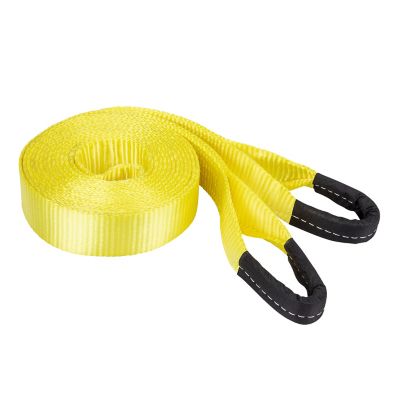
Towing Straps are a practical choice for many recovery and hauling situations because they are flexible, easy to store, and useful when a vehicle needs a controlled pull rather than a rigid connection. When selecting one, compare its length, width, material, end fittings, and rated capacity with the vehicles and equipment you expect to move. A longer strap can provide more room between vehicles, while a shorter option may be easier to manage in a tight driveway or barnyard. Soft, flexible gear should be inspected before every use for cuts, fraying, melted areas, pulled stitching, worn loops, chemical damage, or dirt ground into the fibers. Do not use recovery equipment that has been exposed to a severe shock load or shows signs of damage, even if the damage looks minor. Make sure connection points are designed for recovery and are firmly attached to the vehicle frame or approved recovery locations; trailer balls, tie-down loops, bumpers, and improvised hooks are not automatically safe pull points. Keep bystanders clear of the line of pull, use a spotter when visibility is limited, and pull gradually instead of jerking. A heavy blanket or purpose-made line damper can help reduce stored energy if a connection fails, but everyone should still stand well outside the path of the vehicle and equipment. Gloves can help protect hands while handling dirty or wet gear, and reflective details or a work light make roadside use easier during the cooler months when daylight fades earlier. After use, clean away mud, gravel, salt, and oil, let fabric gear dry completely, and store it out of direct sunlight. Taking a few minutes to rinse and inspect equipment after a muddy pasture recovery can make a big difference the next time a truck gets stuck beside a field gate.
Towing and recovery supplies can be useful for a wide range of people and make a thoughtful gift for a new truck owner, first-time trailer owner, college student commuting long distances, outdoor enthusiast, or anyone building an emergency roadside kit. They are especially handy for rural households where a repair shop may be several miles away and a gravel lane, low-water crossing, or uneven field entrance is part of the daily drive. Farmers may use recovery gear around feed yards, hay fields, equipment sheds, and muddy access roads, while hunters, campers, and off-road drivers may carry it for remote trails and changing ground conditions. Trailer owners can also benefit from keeping properly rated equipment with their hauling supplies, along with gloves, lighting, basic tools, wheel chocks, and a way to secure loose gear. Before each trip, inspect the vehicle and trailer, confirm that the load is balanced, check hitch and safety connections, and make sure nothing can drag on the road. When a vehicle becomes disabled, move it out of traffic only when it is safe to do so, turn on hazard lights, and contact roadside assistance or a professional towing service when the situation is beyond the equipment and experience on hand. Towing costs and service availability can vary according to vehicle size, travel distance, terrain, time of day, and the type of recovery needed, so local operators may ask for the vehicle’s location, approximate weight, condition, and access details before dispatching help. Products in a towing solutions assortment can support routine hauling, planned recovery, and emergency preparedness, but every job should begin with an honest assessment of the load and the surroundings. Wet grass, loose gravel, steep grades, traffic, damaged axles, and hidden obstacles can quickly turn a simple pull into a serious hazard. Choose dependable gear, follow the manufacturer’s instructions, and replace anything that has reached the end of its service life. With the right equipment stored close at hand, a long day on the farm, a trail ride with friends, or a late-season trip down a backroad can be handled with better preparation and fewer surprises.