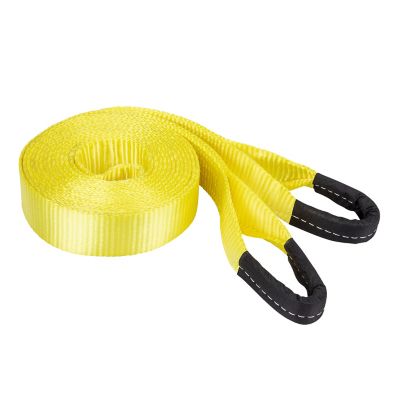
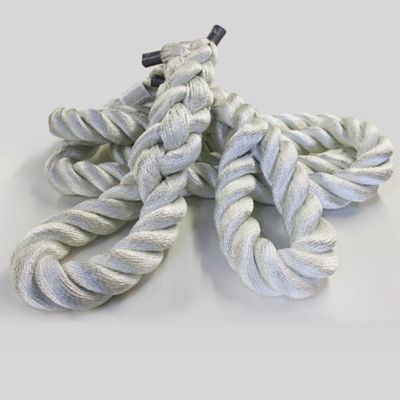
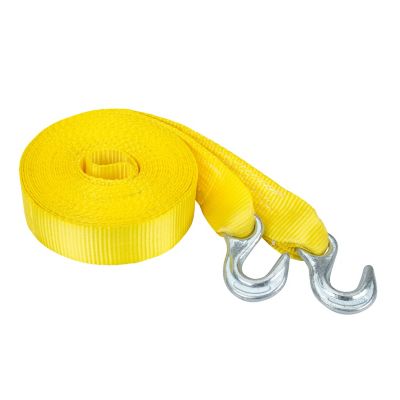
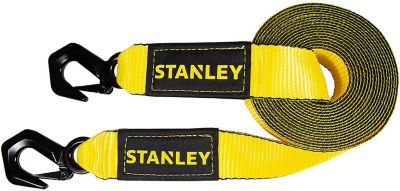
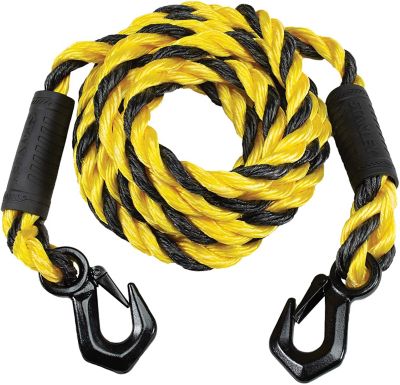
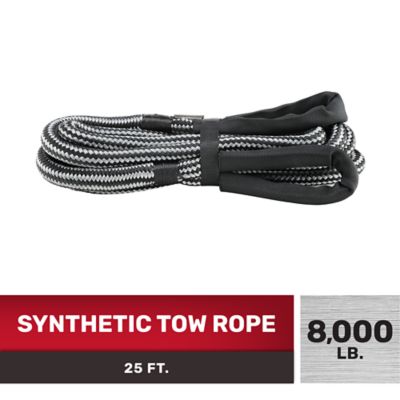
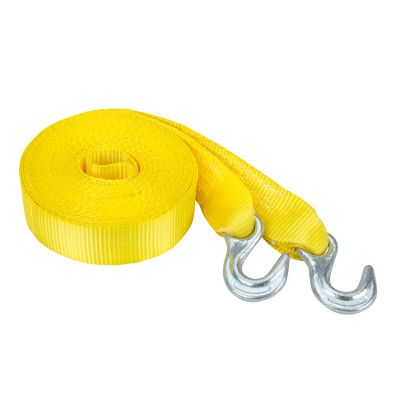
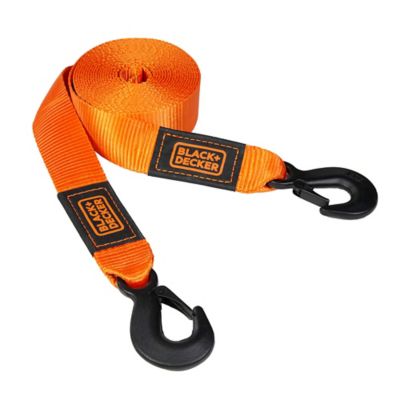
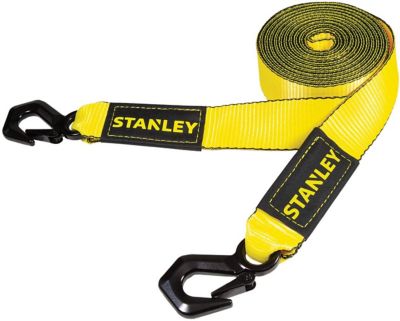
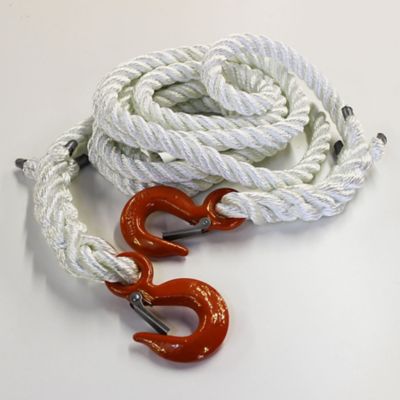
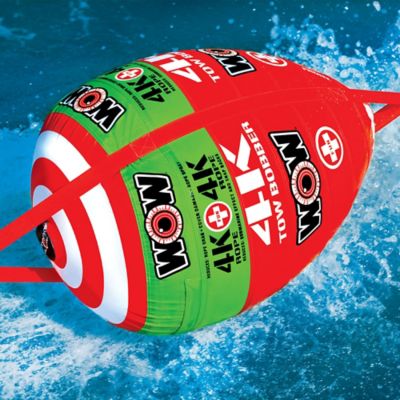
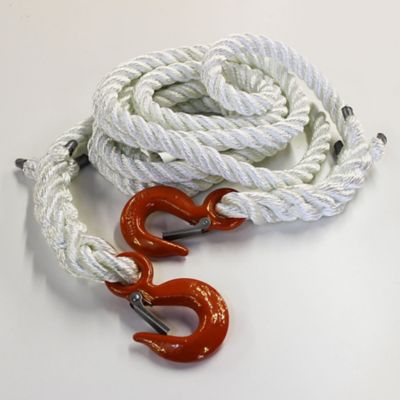
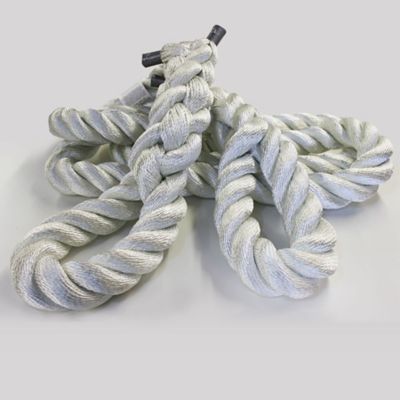
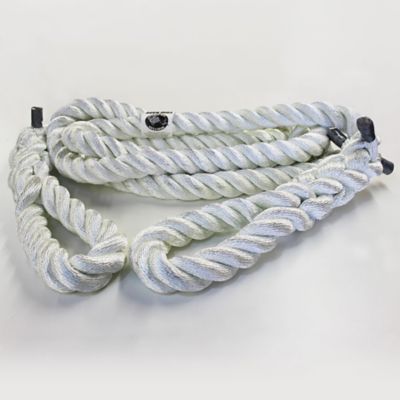
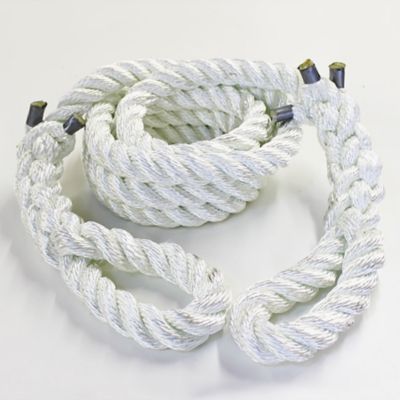
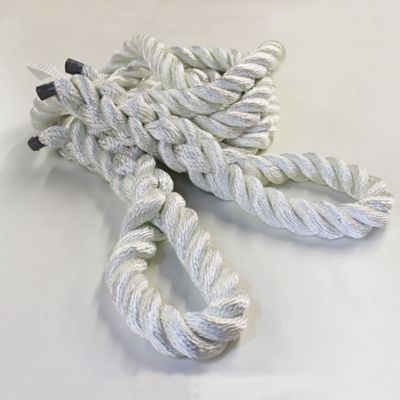
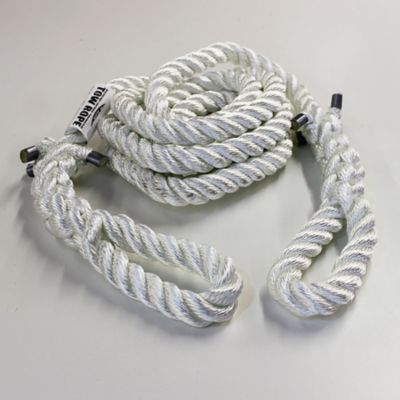
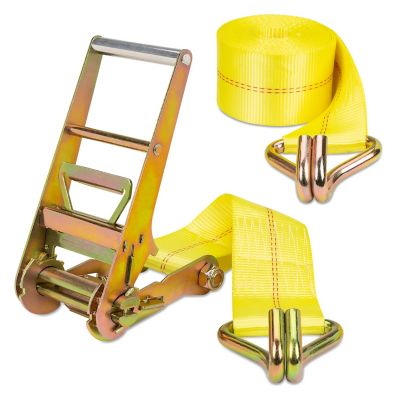
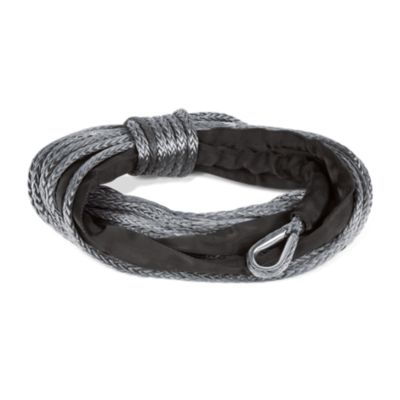
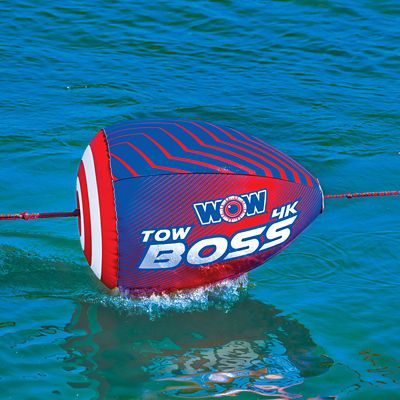
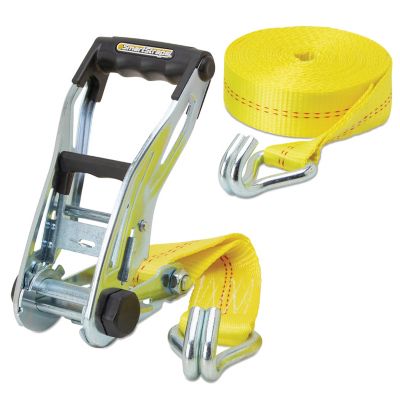
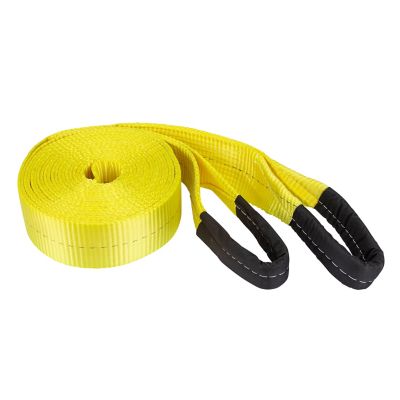
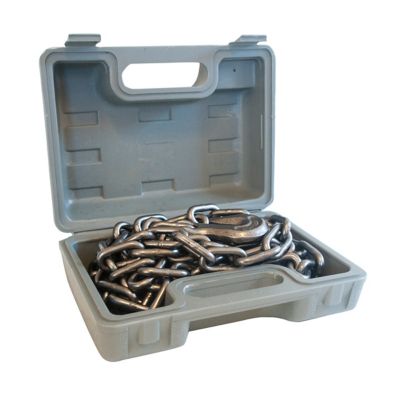
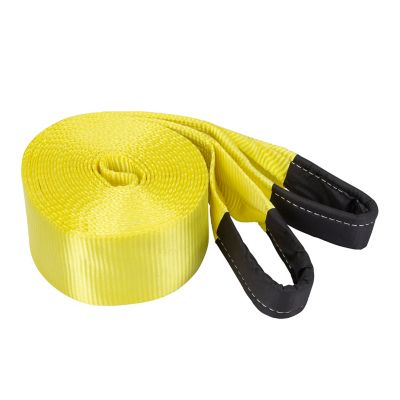
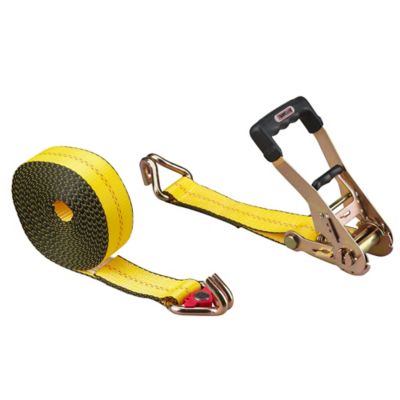
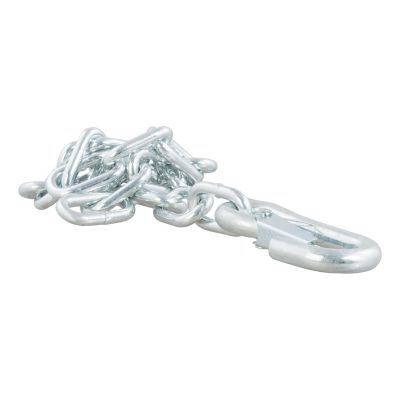
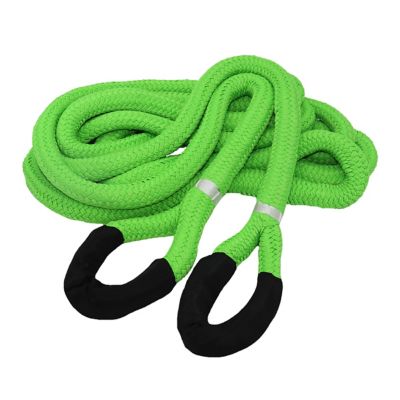
Tow ropes are a practical part of a roadside, farm, ranch, and recreation-ready gear kit. They can help pull a vehicle, trailer, boat, or piece of equipment that is already able to roll or float freely, making them useful when a pickup slips off a gravel shoulder, an ATV gets hung up near a muddy trail, or a mower needs to be moved around the property. Many drivers keep a tow rope behind the seat or in a toolbox because trouble rarely shows up on a smooth, dry road. A sudden rain can turn a field entrance into a slick stretch of clay, while fallen leaves, loose sand, or an early freeze can make a familiar lane harder to navigate. When choosing a tow rope, start with the vehicle or equipment it will be used with, then consider the total weight, the surface, and whether the pull will be steady or involve recovery from a stuck position. A static tow rope or strap stretches very little and is intended for a controlled pull where the disabled vehicle can steer and roll on its own, such as moving a car across a driveway or pulling a trailer a short distance. A kinetic recovery rope is designed to stretch under load and release stored energy, helping recover a vehicle from mud, sand, or snow with a smooth, gradual pull rather than a harsh jerk. These two types serve different jobs and should not be substituted for one another. A static tow rope should never be used for a dynamic yank, since the sudden force can damage attachment points, hardware, or the rope itself. For simple towing needs, shoppers may also compare tow ropes with
Towing Straps, keeping in mind that the right choice depends on the job, the connection points, and the rated capacity of the equipment.
Pay close attention to working load limit, break strength, length, diameter, and construction. Working load limit, often shown as WLL, is the maximum weight a rope is intended to pull during normal use; it is not the same as the point at which the rope fails. Break strength is the absolute force that may cause the rope to snap, and it should not be treated as a working target. As a general rule, the rope’s ratings should comfortably exceed the full weight of the vehicle or equipment, including cargo and passengers. Recovery applications call for extra attention because a stuck machine can create much greater force than its weight alone. Some recovery specialists recommend a break strength in the range of two and a half to three times the vehicle’s gross weight, but the equipment maker’s instructions and the rope manufacturer’s rating should always take priority. Diameter can offer a helpful starting point, though it is never a substitute for checking the actual rating. Smaller ropes around one-half inch may suit many ATVs and snowmobiles, while five-eighths-inch options are commonly considered for UTVs and side-by-sides. Ropes around three-fourths to seven-eighths inch may be appropriate for Jeeps, SUVs, and light trucks, and heavier full-size pickups or machinery may call for rope one inch or larger. The correct length depends on the space needed between vehicles and the conditions around the recovery. A rope that is too short may leave little room for a safe, gradual pull, while one that is too long can be harder to manage and keep clear of tires, tracks, and obstacles. Look for strong, well-finished connection loops or compatible attachment hardware, and confirm that every part of the setup has a suitable rating. Never attach a tow rope to a standard bumper, trailer ball, tie-down loop, or any point not approved for recovery. Use the vehicle’s designated recovery points, which are built to handle pulling forces, and make sure the connection is secure before applying tension. The same care applies to tractors, implements, boats, and utility equipment: check the owner’s manual and use only the points intended for towing or recovery. A tow rope can make a thoughtful gift for a new truck owner, an ATV rider, a family member who spends weekends at a hunting camp, or anyone building an emergency kit for farm and backroad travel. It is the sort of useful item that may sit quietly in a vehicle for a long time, then prove its value when a neighbor needs help getting unstuck.
Safe use starts with a careful inspection before every pull. Run your hands and eyes along the full length of the rope and look for fraying, cuts, melted fibers, flattened sections, loose stitching, chemical damage, or grit worked deep into the material. Dirt and sand can act like tiny blades inside the fibers, especially when the rope is pulled under heavy tension. Do not use a rope that has been dragged over sharp rocks, hot exhaust parts, rough metal edges, or exposed nails without protection, and retire it if there is any doubt about its condition. Clear people, pets, and bystanders from the area; a loaded rope can store tremendous energy, and nobody should stand in the path of a rope, strap, hook, or attachment point if something lets go. Keep the pull straight whenever possible, avoid sudden acceleration, and communicate clearly between both operators before taking up slack. For a vehicle that is stuck, remove loose cargo and passengers when practical, reduce wheel spin, and use a steady pull suited to the rope type rather than flooring the accelerator. Kinetic recovery ropes need room to stretch and should be used only with properly rated recovery points and compatible equipment. Static tow ropes are better suited to slow, controlled movement on a firm surface. After use, clean off mud and salt according to the care instructions, let the rope dry completely, and store it out of direct sunlight in a dry place away from fuel, fertilizer, battery acid, and other chemicals. Keep it coiled or loosely gathered so it is ready for the next job, whether that means helping a neighbor on a gravel road, moving equipment around the homestead, or getting an off-road vehicle safely back onto solid ground during the cooler months.