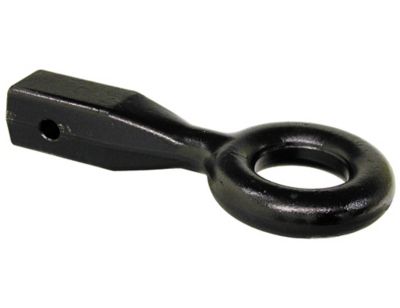
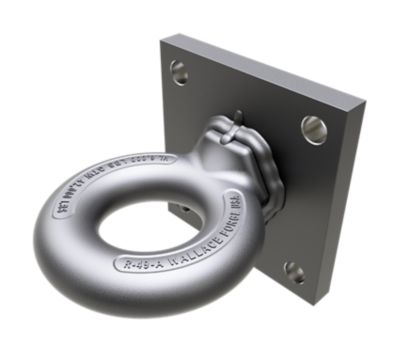
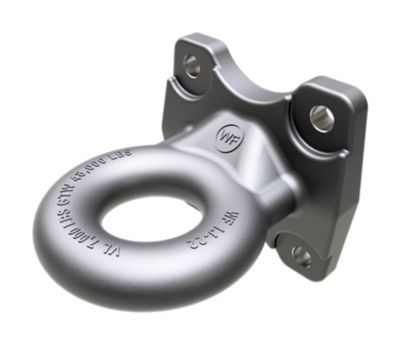
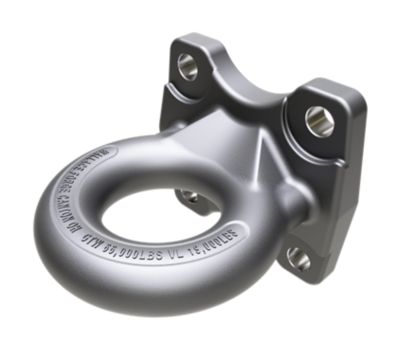
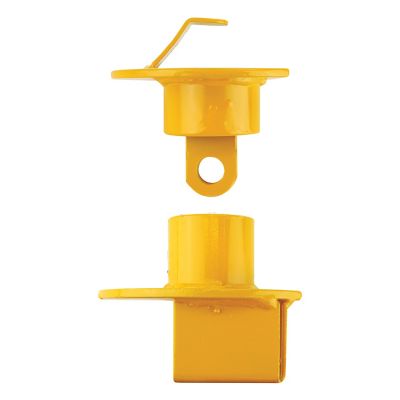
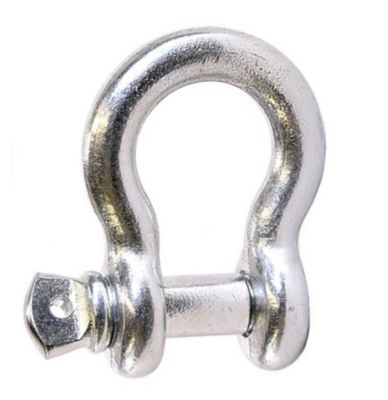
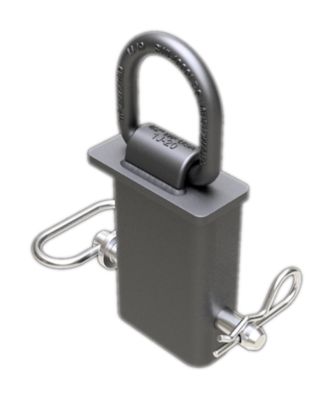
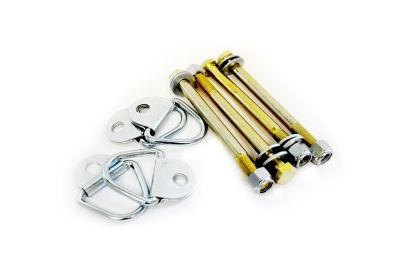
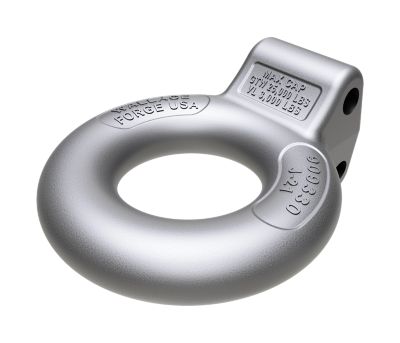
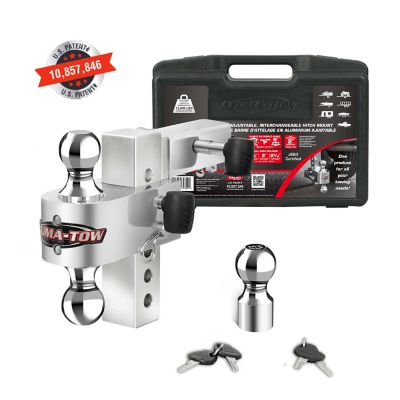
Tow rings are heavy-duty recovery and connection points used with trucks, SUVs, tractors, trailers, utility vehicles and off-road equipment. In most cases, a tow ring is a solid steel ring or eye mounted to a hitch receiver, vehicle recovery point or other properly rated attachment location. It gives a tow strap, recovery rope or chain a secure place to connect when a vehicle needs a pull, a trailer needs positioning or equipment must be moved across a property. A receiver-mounted tow ring commonly fits a standard 2-inch hitch receiver, though sizes and mounting styles can vary, so check the vehicle, hitch and accessory specifications before buying. Some tow rings are designed for a shackle connection, while others work with a clevis, hook or compatible strap. For shoppers comparing recovery hardware,
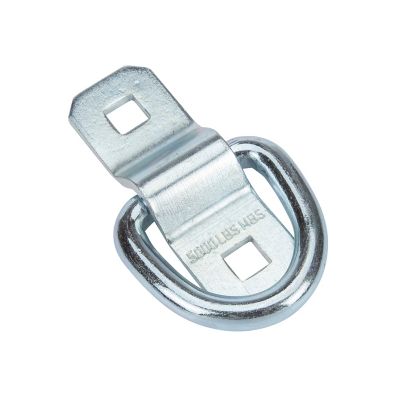
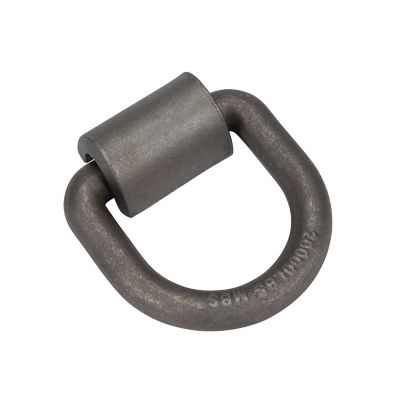
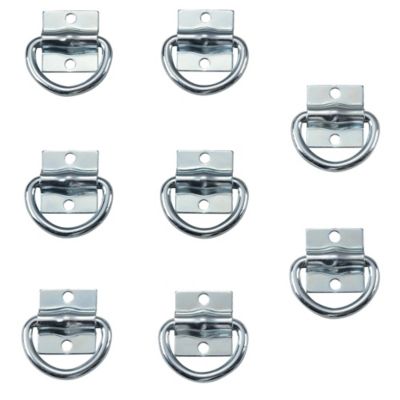
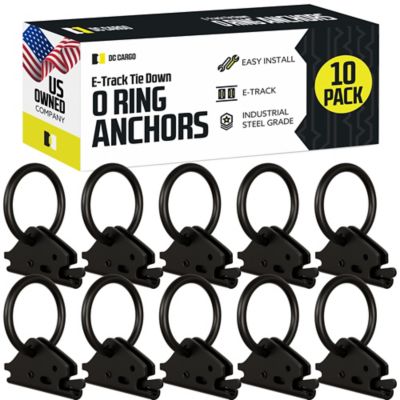
D Rings can offer another style of attachment point for securing or recovering equipment. The right choice depends on the vehicle’s hitch class, the recovery gear being used and the kind of work taking place. A ranch hand pulling a stuck side-by-side out of a muddy lane may need a different setup than someone moving a disabled pickup on a gravel road. Likewise, a tow ring used around a farm should be suited to the weight and conditions of tractors, implements or loaded trailers, not just the size of the vehicle. Before connecting anything, look for a clearly marked working load limit or rated capacity, and make sure every part in the recovery system is rated appropriately. The weakest component determines the safe working limit, so a high-capacity ring paired with a light-duty strap or worn hitch hardware will not provide heavy-duty performance. Capacity ratings can vary widely, with some steel recovery points built for several thousand pounds and others rated much higher; always follow the manufacturer’s stated limits rather than estimating by appearance.
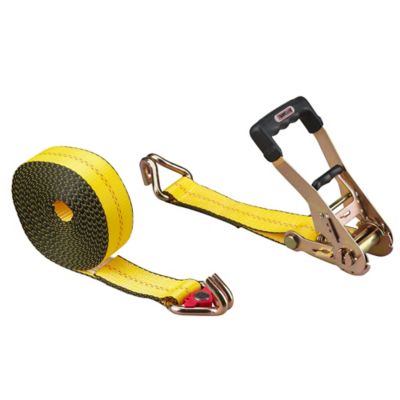
When choosing tow rings, pay close attention to construction, fit and the way the ring will be used. Heavy-gauge steel can stand up to the hard knocks that come with farm roads, construction areas and off-road trails, while a protective finish may help slow corrosion when equipment is exposed to mud, rain, road salt or damp storage. A powder-coated or otherwise protected surface is useful, but it does not replace regular inspection. Check the ring, shackle hole, receiver shank, pin holes and welds for cracks, bending, deep scratches, heavy rust or other damage. Hardware should fit snugly without forcing it into place, and the receiver pin or locking accessory should be fully seated before any load is applied. It is also worth measuring the hitch receiver and checking clearance around bumpers, tailgates and spare tires. A tow ring that fits the receiver but sits too close to the bumper may be awkward to use, while one with the wrong height can place a strap at an uncomfortable angle. For recovery work, use a properly rated recovery strap or rope and avoid twisting it around the ring. Keep the connection straight whenever possible, protect straps from sharp edges and never use a recovery point for lifting unless it is specifically designed and rated for lifting. A gradual, controlled pull is easier on the vehicle and the equipment than a sudden jerk. Everyone nearby should stand well clear of the strap, chain and connection points, since stored energy can release quickly if hardware fails. On a working farm, it is smart to keep the tow ring and recovery gear together in a toolbox or equipment box, where they are easy to find when a wet field, snowy drive or washed-out lane creates trouble. A quick look at the gear before heading out can prevent a small problem from turning into a long walk back to the barn.
Tow rings can be useful for farmers, ranchers, landscapers, contractors, property owners, trail riders and anyone who regularly operates a truck or utility vehicle away from paved roads. They may help with vehicle recovery, light equipment repositioning, trailer maneuvering or connecting a rated strap during seasonal cleanup. During the cooler months, a dependable recovery point can be especially handy when frost, rain, mud or snow makes a driveway slick and turns a normally firm pasture entrance into a mess. Around a rural property, tow rings may also be a practical gift for someone who maintains a fleet of pickups, hauls firewood, checks fence lines or spends weekends exploring back roads. They are not flashy, but useful gear has a way of earning its keep; many folks would rather receive a well-made piece of recovery equipment than another item that sits on a shelf. Keep the intended use in mind when shopping, since a compact vehicle, full-size truck, tractor or trailer may call for different dimensions and ratings. Tow rings should be used only at approved, structurally sound attachment points, and they should never be connected to a bumper, ball mount or other part that is not rated for the job. Read the included instructions, confirm the vehicle’s towing and recovery limits, and pair the ring with compatible pins, shackles, straps or ropes. Store metal hardware clean and dry when possible, and rinse away mud or road salt before putting it away. With the right fit, a clear capacity rating and a little routine care, tow rings can be a dependable addition to the recovery setup kept behind the seat, in the service truck or alongside the rest of the farm gear.