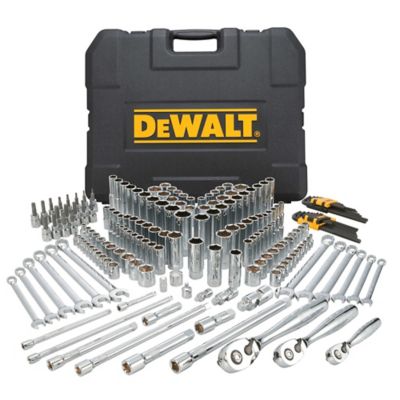
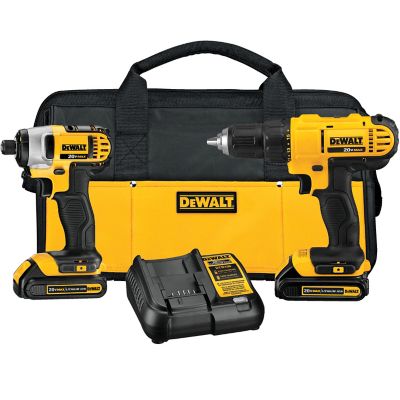
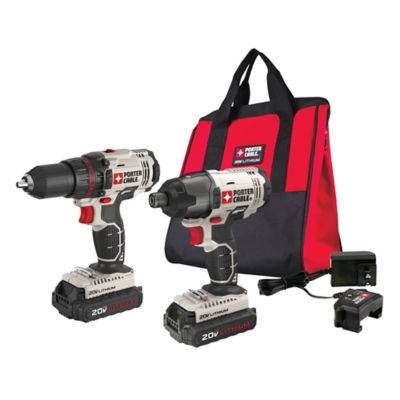
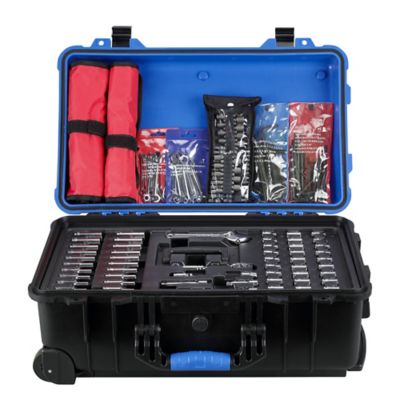
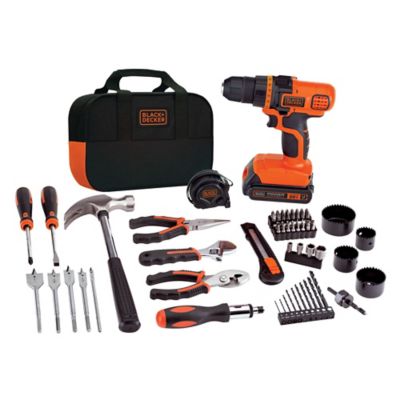
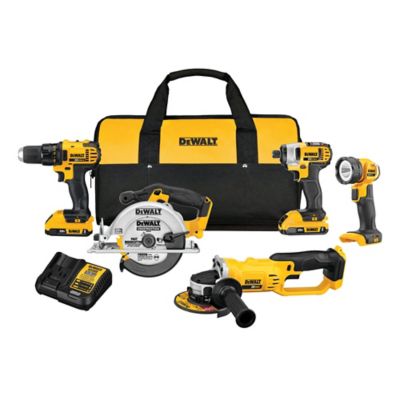
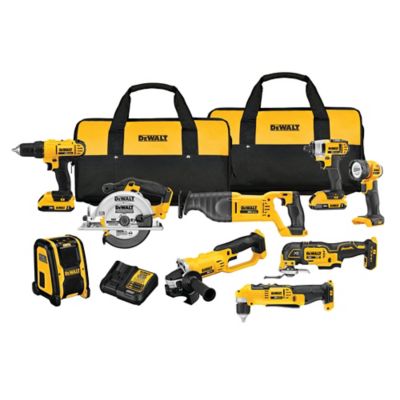
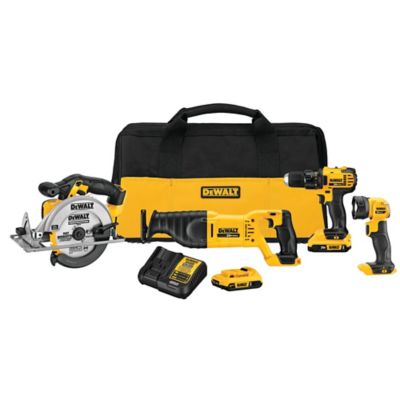
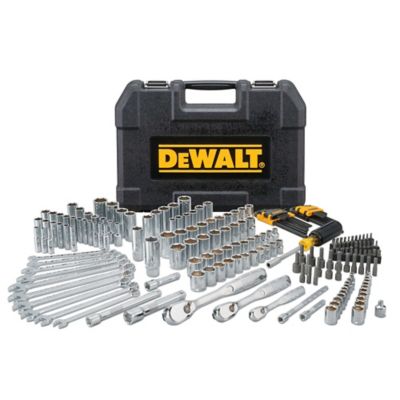
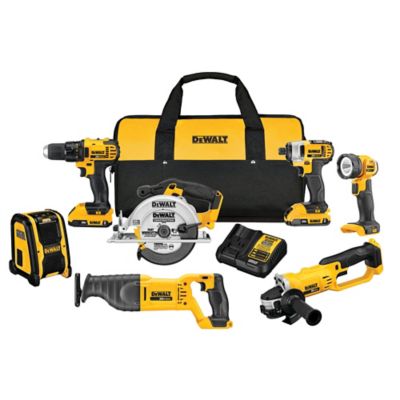
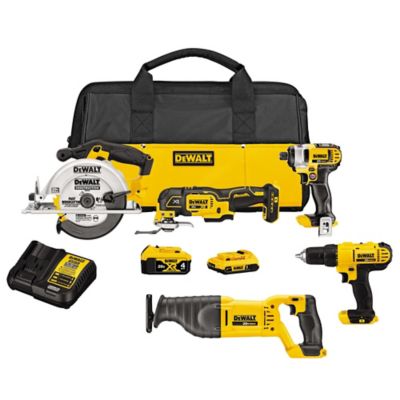
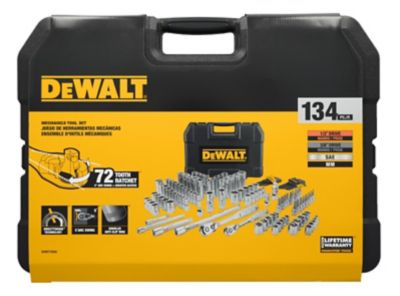
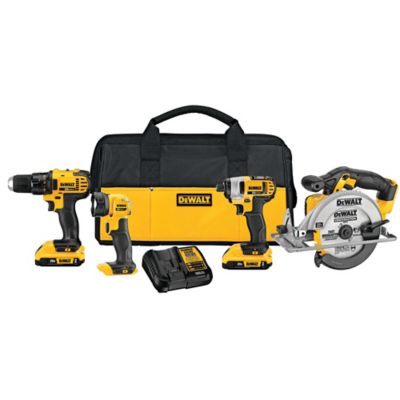
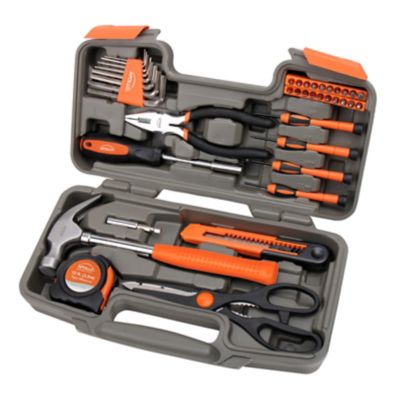
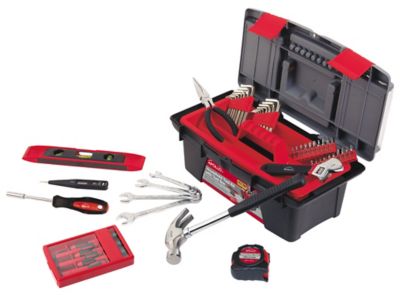
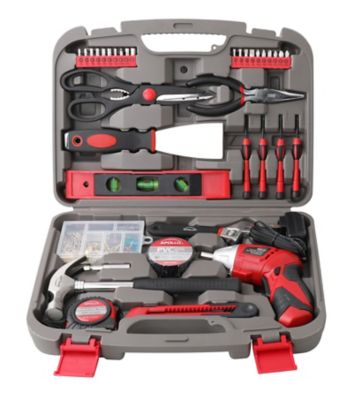
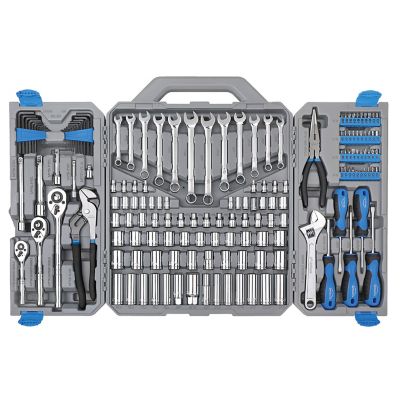
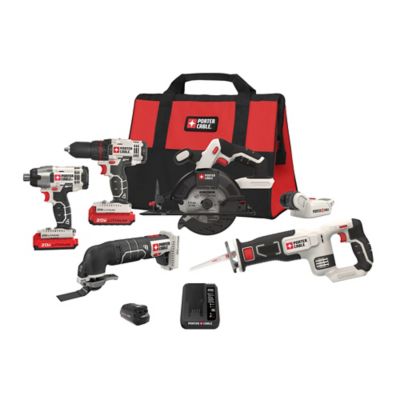
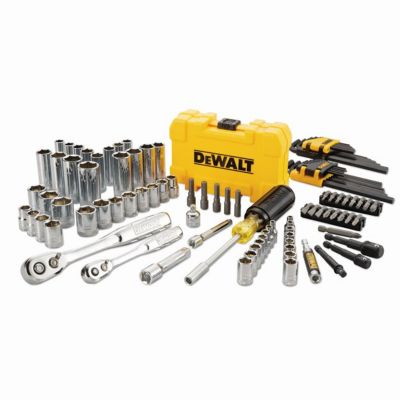
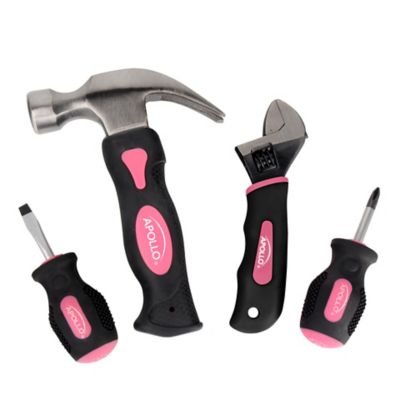
Construction tool kits bring a practical mix of hand tools together for building, repair, maintenance and jobsite work. A well-rounded kit may include screwdrivers, pliers, adjustable wrenches, combination wrenches, a hammer, measuring tools, utility knives, levels and a selection of sockets with ratchets. Depending on the work ahead, a kit may also include hex keys, bits, nut drivers, clamps or specialty tools for electrical, plumbing, automotive or framing tasks. For a homeowner, having these basics close at hand can make everyday repairs less of a scramble. A loose gate latch, a sagging cabinet door, a fence board that needs attention or a shelf that calls for a few fasteners can often be handled with the right tools in a toolbox or carry case. On a farm or rural property, a construction tool kit can help with upkeep around barns, sheds, workshops, trailers and equipment. Contractors, builders, maintenance crews and tradespeople may choose a larger set with a broader range of sizes, while new homeowners, renters and beginning DIYers can start with a smaller assortment that covers common jobs. These kits can also make a thoughtful gift for someone setting up a first workshop, moving into a new home, learning the trade or taking on more repair work around the property.
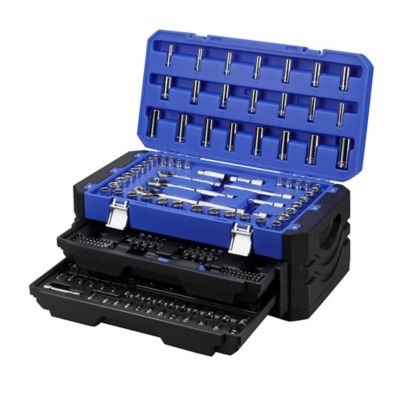
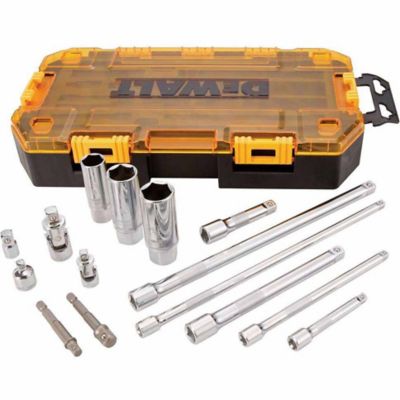
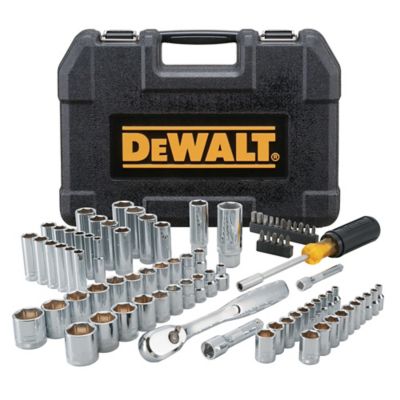
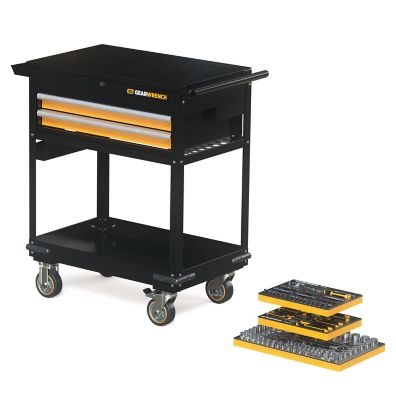
When comparing construction tool kits, begin with the work you expect to handle most often. Check whether the set includes both standard and metric measurements, since fasteners and equipment may call for either system. A combination of 1/4-inch and 3/8-inch drive sockets can cover many household, shop and light mechanical tasks, while larger drive sizes may be helpful for heavier fasteners. Look for a practical mix of flat-head and Phillips screwdrivers, pliers with comfortable grips, wrenches in useful sizes and a hammer suited to the work. A tape measure, level and utility knife can round out a kit for building and installation projects. If the set is intended for vehicle maintenance, look for socket depth options, extensions, universal joints and ratchets that fit the fasteners on the equipment you service. For electrical work, insulated tools and wire-handling tools may be important, while plumbing tasks can call for pipe wrenches, basin tools or other specialized pieces. Pay attention to the materials and finish, too. Chrome vanadium steel and other strong tool materials can stand up to regular shop work, and a smooth finish is easier to wipe clean after a dusty day on the job. The storage case matters just as much as the tool count. A case with fitted spaces helps keep each piece in its place, makes it easier to see what is missing and reduces time spent digging through a crowded drawer. For larger collections, a toolbox, rolling chest or stackable storage system can make transport around a worksite more manageable. Consider the overall piece count, the usefulness of the included sizes, the construction of the handles and the way the set fits your existing tools rather than choosing by number alone.
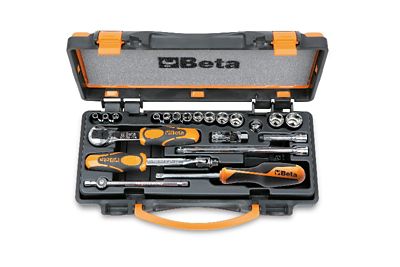
The right construction tool kit should match the person, the projects and the place where the work will happen. Someone working from a garage bench may appreciate a broad set with organized storage, while a contractor moving between job locations may prefer a compact case that fits in a truck cab or service box. If tools need to travel between a barn, house and shed, a secure handle and latches can make carrying easier, especially when the ground is uneven or the weather turns cool. A smaller set can be a good fit for an apartment, camper, hunting cabin or weekend property where storage space is limited; browse
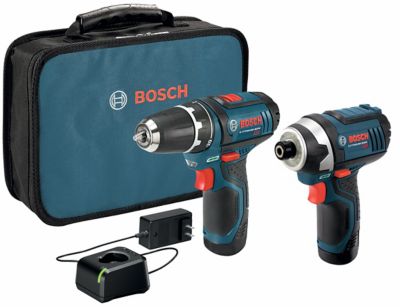
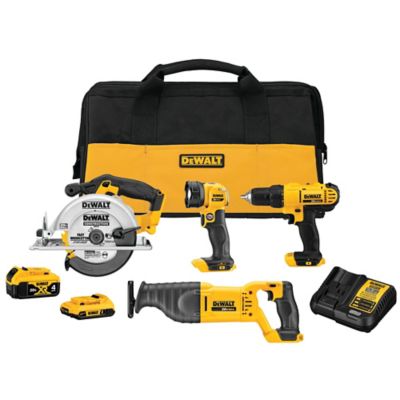
Compact Tool Kits for a more portable approach. Before buying, take stock of the tools already on hand and note any gaps that slow down routine work. It may be more helpful to choose a carefully balanced kit with the needed pliers, wrenches, sockets, screwdrivers and hammer than a larger assortment filled with pieces that rarely leave the case. Think about comfort as well. Handles that sit securely in the hand, ratchets that are easy to switch and markings that are simple to read can help during long repair sessions. Keep safety in mind by choosing the proper tool for each task, wearing eye protection when cutting or striking and following the instructions for power tools, electrical work and vehicle service. During the cooler months, an organized kit can make indoor repairs, workshop projects and equipment maintenance easier to start and finish. With the right assortment stored where you can reach it, a loose hinge, worn fastener or small building project does not have to interrupt the day.