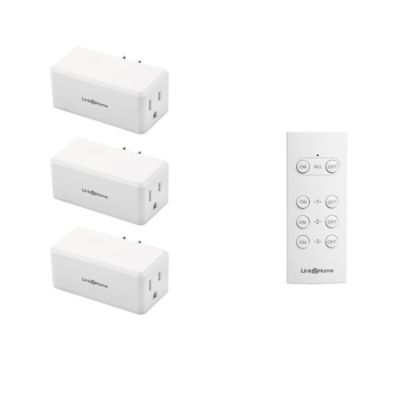
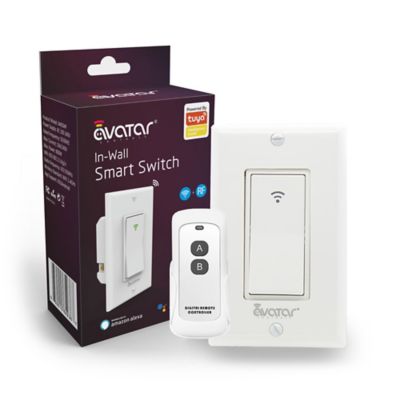
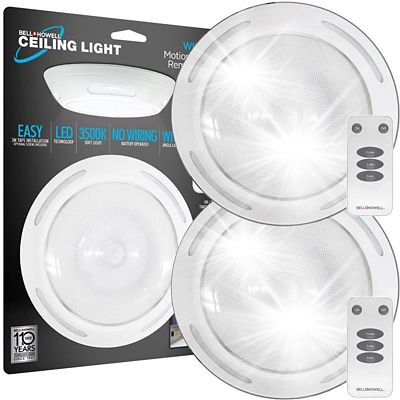
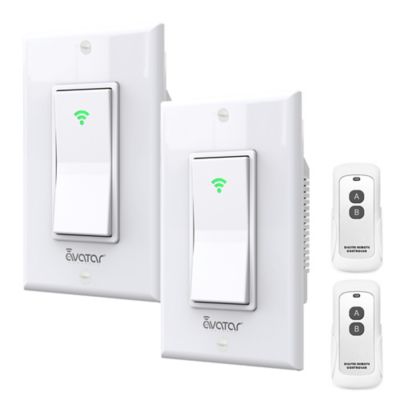
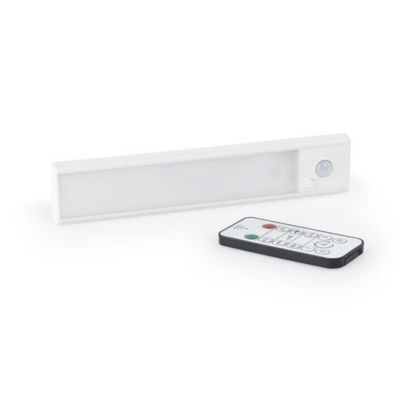
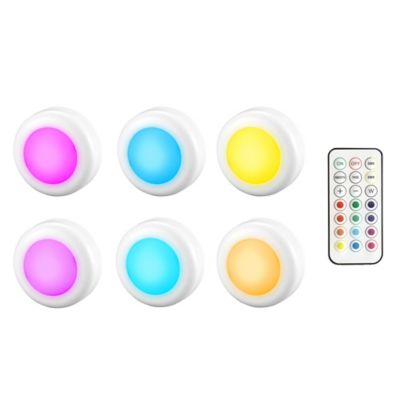
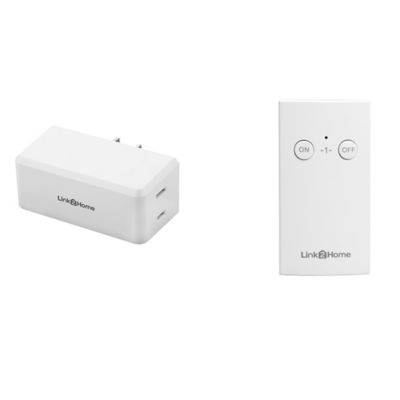
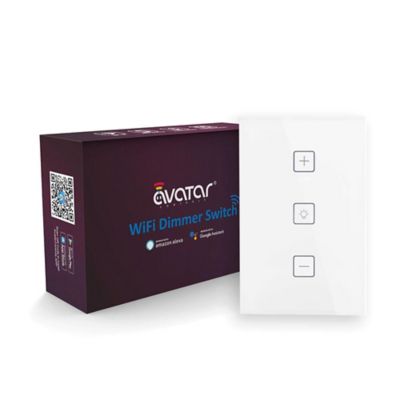
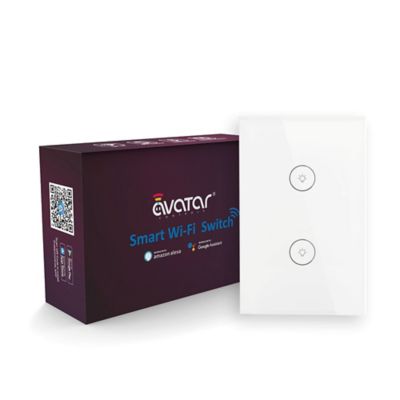
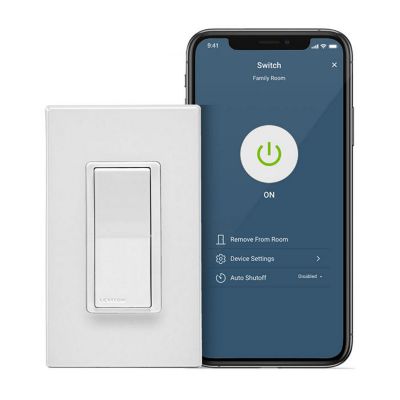
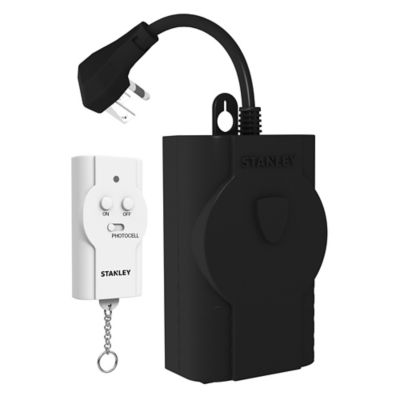
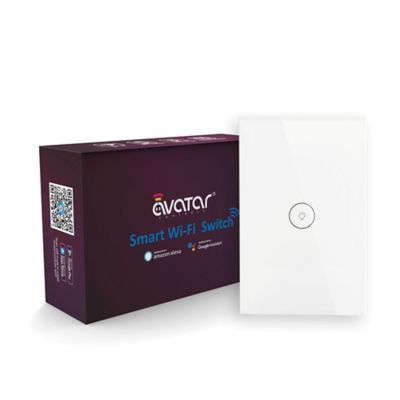
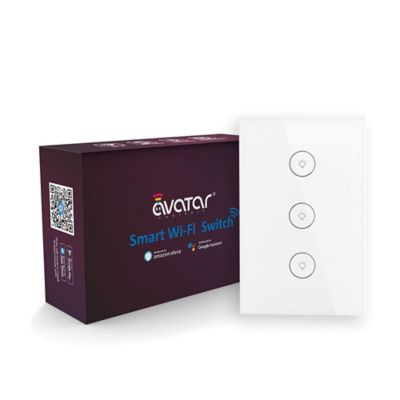
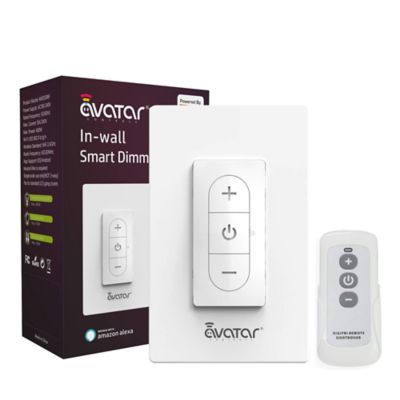
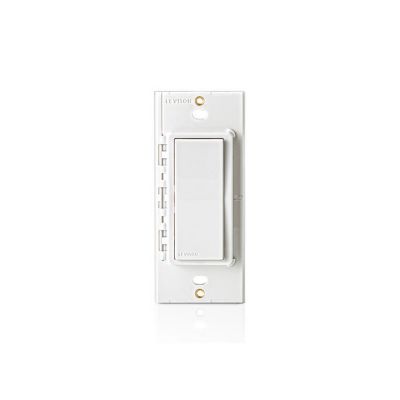
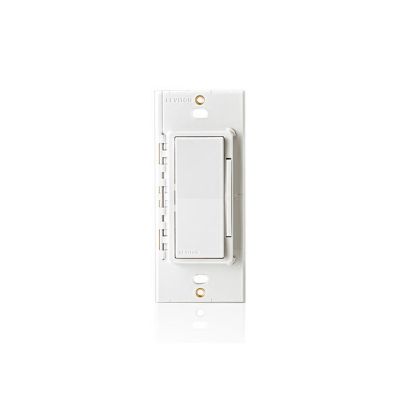
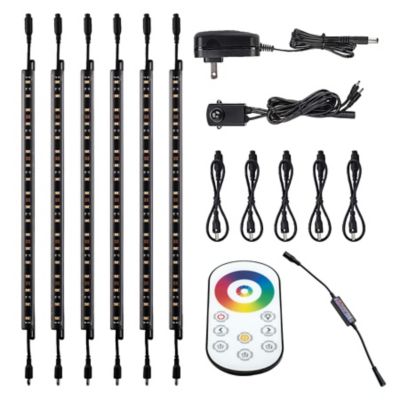
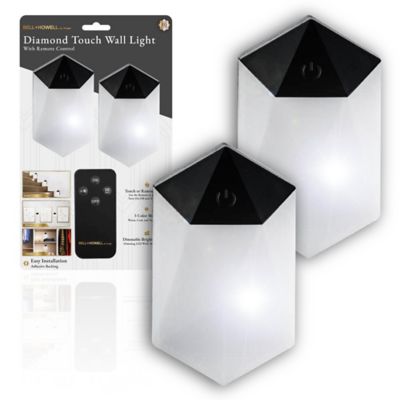
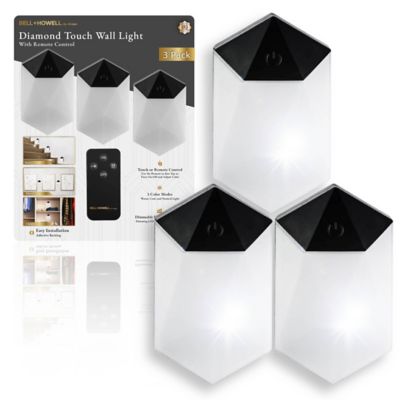
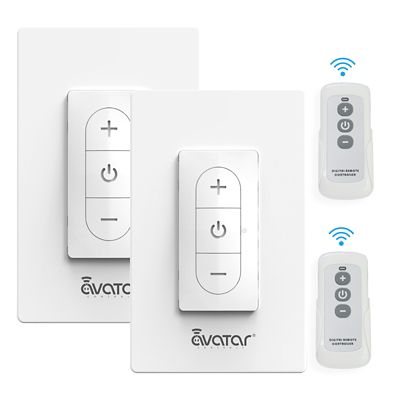
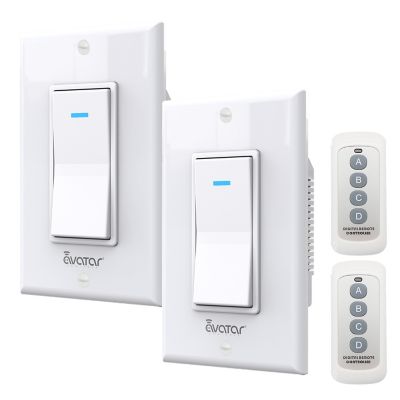
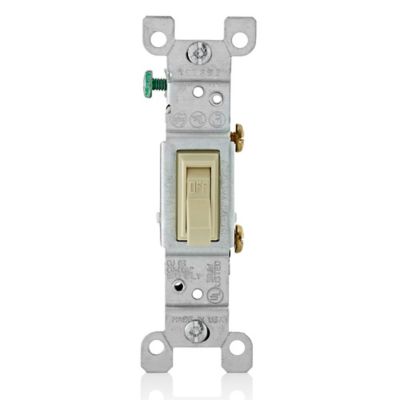
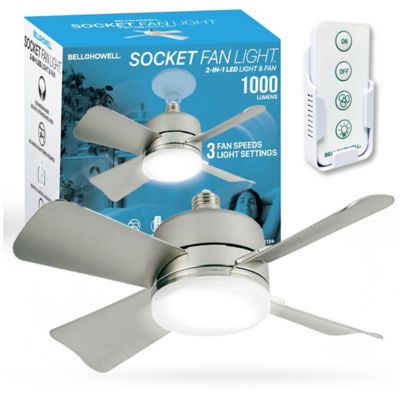
Remote control light switches make it easier to manage lamps, ceiling lights, work lights and other fixtures when the switch is out of reach or you would rather not cross a dark room to turn the light on. The right setup depends first on the type of light you want to control. Plug-in receiver kits are a simple choice for table lamps, floor lamps, seasonal lighting and some other corded fixtures. The receiver plugs into a standard outlet, and the lamp plugs into the receiver, allowing you to use a handheld remote or a small wall-mounted control without changing the home’s wiring. These kits can be handy in a living room where a lamp sits behind a chair, in a bedroom where the switch is across the room, or in a barn office where you want the light on before stepping inside. Wireless wall switch kits are another useful option when a light needs a second control point or when a wall switch was never installed in the most convenient spot. Depending on the design, a receiver may connect at the light fixture or junction box while a wireless switch mounts where it is easy to reach. Radio-frequency controls are often useful in homes, garages and outbuildings because the signal can travel through typical walls, though the advertised range is measured in open space and may be reduced by thick masonry, metal surfaces or other obstructions. Smart switches add app-based control, scheduling and, with compatible home systems, voice commands. They can be helpful for turning lights on before arriving home, checking whether a light was left on, or setting a regular routine during the cooler months when evenings come earlier.
Before choosing a remote control light switch, identify whether the light is plug-in or hardwired, and check the fixture’s voltage, wattage and bulb compatibility. Some controls work with LED bulbs, while others may perform better with incandescent or halogen bulbs; dimming requires a switch and bulb that are both designed for that purpose. Also consider how many lights need to operate together, whether you want one remote to control several receivers, and whether a wall-mounted control, handheld remote, phone app or voice assistant fits the way your household moves through the day. Range matters in a long farmhouse, detached garage or shop, but placement matters too. A receiver tucked behind a large appliance or inside a metal electrical box may not respond as consistently as one installed in an open, accessible location. Smart Wi-Fi options generally need a reliable wireless network and may require a neutral wire in the existing switch box to keep the electronics powered. Not every older home has that wire available, so inspect the box or have a qualified electrician confirm compatibility before buying. In-wall RF and smart switches involve electrical connections and should be installed only after turning off the correct circuit breaker and verifying that the power is off. If the wiring is unfamiliar, the box is crowded, or the fixture is part of an older electrical system, professional installation is the safer route. Plug-in kits typically require no wiring and can be paired with the remote by following the included instructions, making them a practical starting point for renters, guest rooms and quick lighting updates. Keep remotes where they will not be buried under blankets, feed catalogs or work gloves, and label multiple controls when one remote operates lights in different rooms.
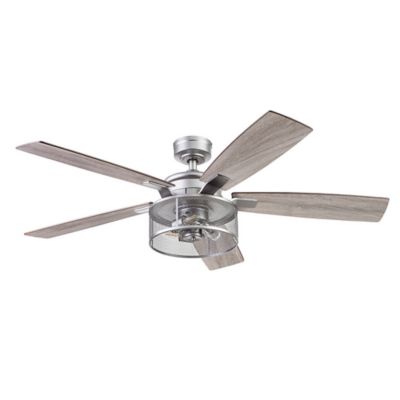
Remote control light switches suit a wide range of households and workspaces. A person with limited mobility may appreciate being able to control a bedside lamp without getting up, while a caregiver can make nighttime lighting easier for someone moving through the house. They are useful for families with young children, older adults, hunters returning before dawn, and anyone carrying groceries, tools or a muddy pair of boots through the door. In a workshop or equipment shed, remote lighting can help brighten a bench or entryway before you start carrying supplies inside. In a finished basement, spare room or converted outbuilding, a wireless wall control can add convenience without running new cable through finished walls. They also make a thoughtful housewarming gift for someone settling into an older home, a practical present for a college student living in a rental, or a useful addition to a guest room where visitors may not know the location of the light switch. During late summer gatherings and the cooler seasons that follow, remote controls can make porch lamps, indoor accent lights and covered entertaining areas easier to manage from a comfortable seat. For outdoor comfort and airflow, shoppers may also want to browse
Remote Control Outdoor Fans. When comparing options, look for clear pairing instructions, a dependable control range, simple battery access, a receiver sized for the intended outlet or electrical box, and safety certifications appropriate for the installation. A little planning around the light type, wiring and everyday routine can help you choose a remote control switch that feels natural to use, whether it is turning on a lamp beside the recliner, lighting a path into the mudroom or bringing a dark shop to life with the press of a button.