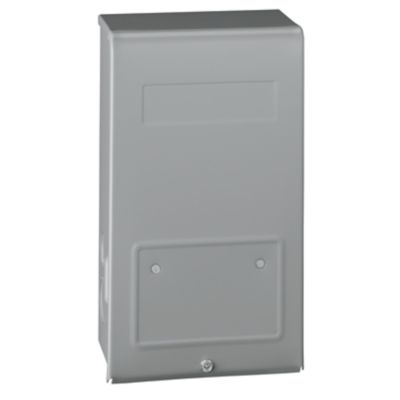
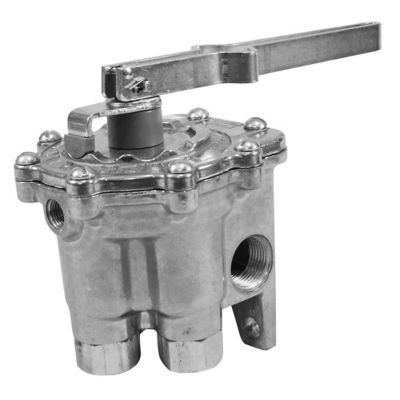
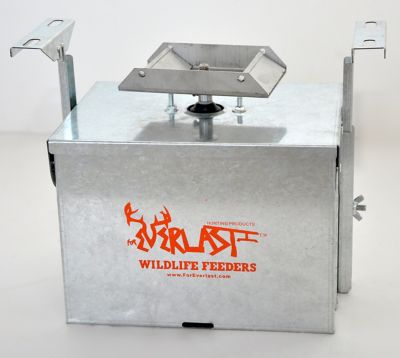
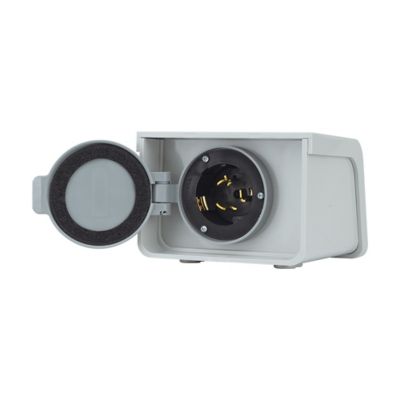
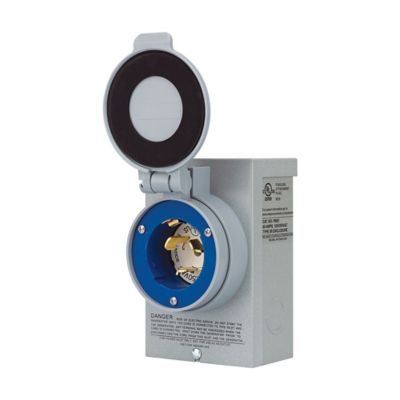
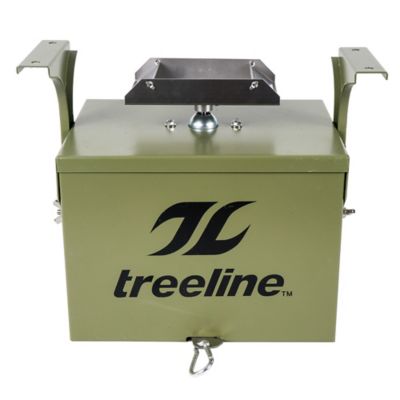
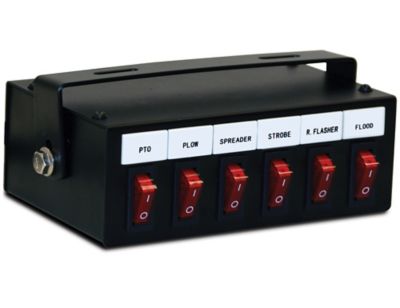
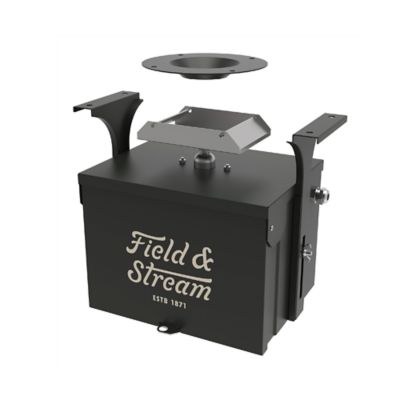
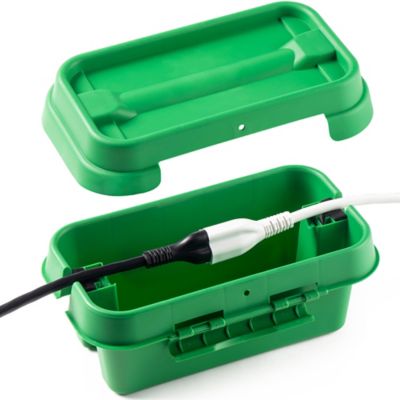
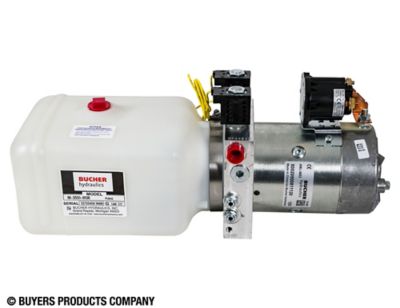
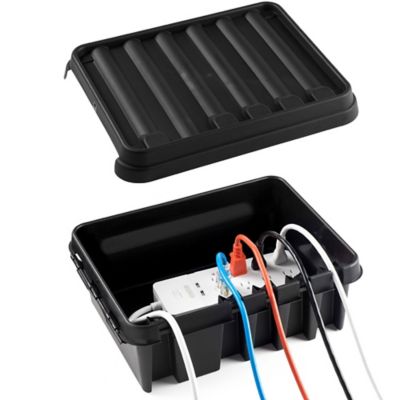
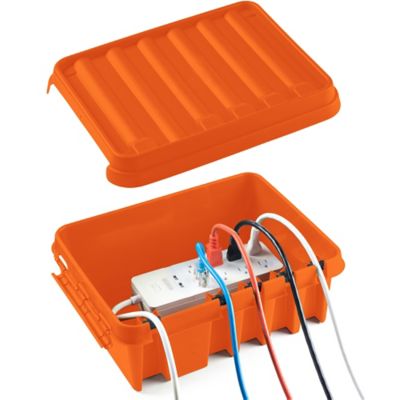
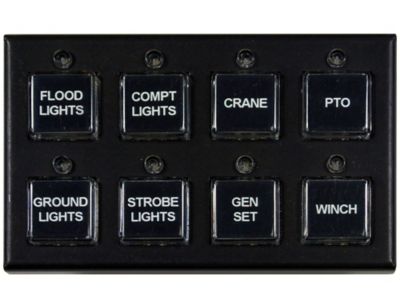
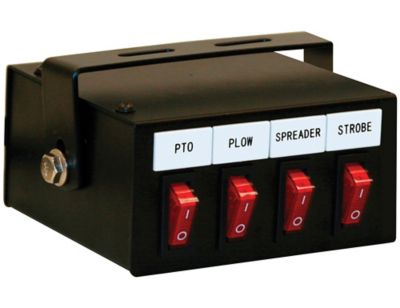
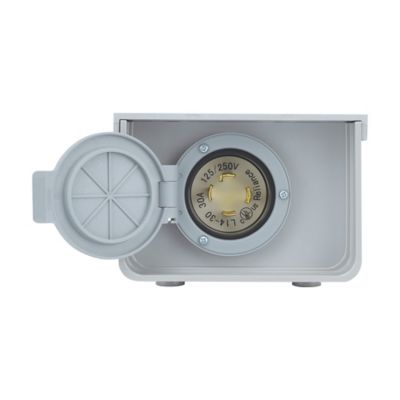
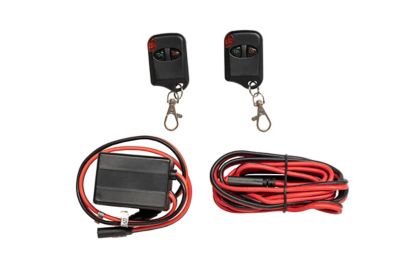
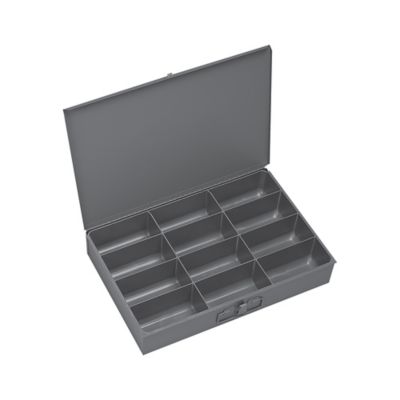
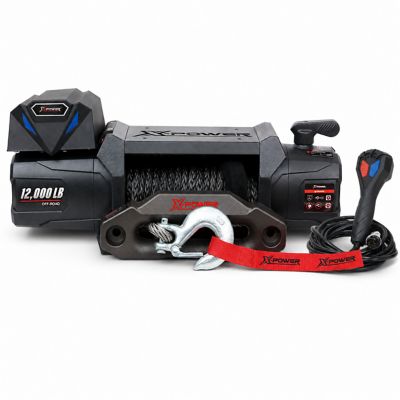
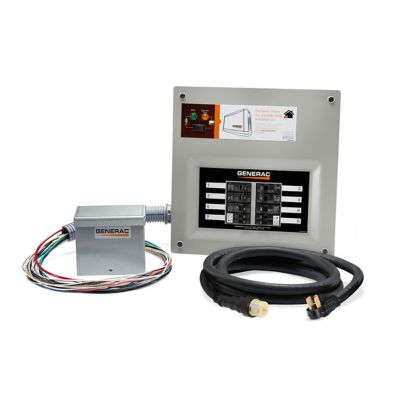
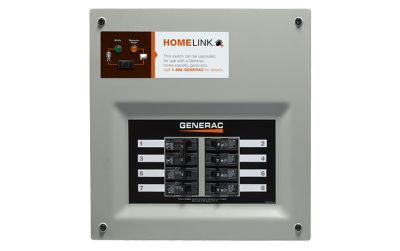
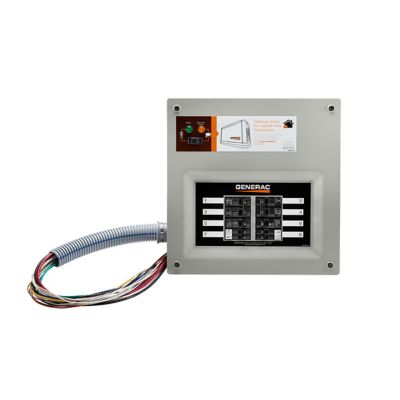
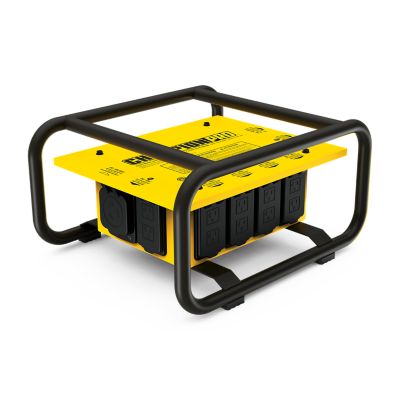
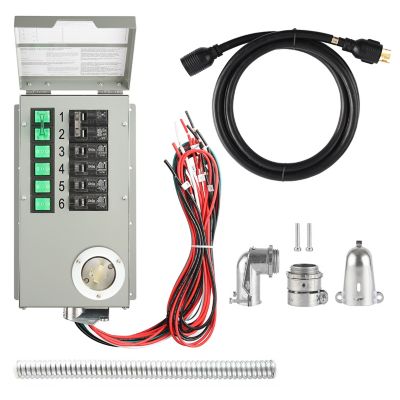
Control boxes serve as a protective housing and a central point for managing electrical or mechanical equipment. Inside, they may contain switches, relays, capacitors, circuit breakers, terminal connections or other controls that direct power and operating commands to connected machinery. Instead of leaving wiring and control components exposed to dust, moisture, accidental bumps or curious hands, a properly selected box helps keep those parts organized and shielded while making operation easier to manage. On a farm, ranch or rural property, control boxes may be used with well pump systems, irrigation equipment, ventilation fans, heaters, shop machinery, gates, lighting and other powered equipment. They can also be part of automation setups that use sensors to monitor temperature, pressure, water levels or other conditions and send signals to start or stop equipment. Depending on the application, the front of the box may include push buttons, selector switches, indicator lights, dials or a digital display, giving the operator a convenient local interface. A box used for a pump motor, for example, may help manage the special starting and running requirements of a single-phase motor, while a box used around a workshop or livestock building may bring several operating controls into one easy-to-reach location. The right enclosure can make a setup neater and easier to service, but it is not a substitute for proper installation. Electrical work should be completed by someone qualified to follow local codes, equipment instructions and safe wiring practices, with power disconnected before inspection or service.
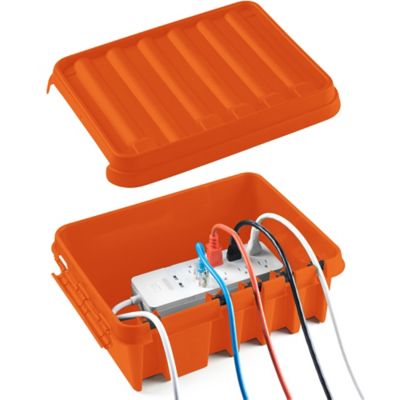
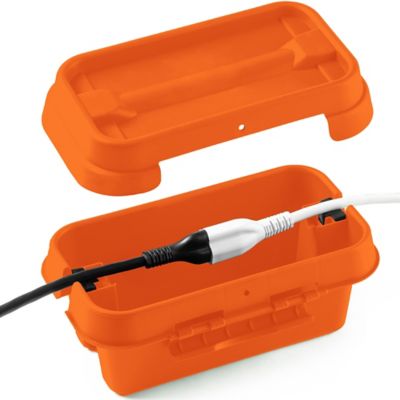
When comparing control boxes, start with the equipment they will operate and the environment where the box will be installed. Check voltage, phase, horsepower, amperage and motor requirements, along with the type of controls or connections needed. A box that works for one pump, fan or machine may not be suitable for another, even when the equipment looks similar from the outside. Confirm that the enclosure has enough room for the wiring and components, and look for clearly marked terminals, a sturdy cover, secure mounting points and an arrangement that leaves space for inspection. Outdoor and agricultural locations deserve extra attention because windblown grit, rain, condensation, wash-down water, fertilizer dust and changing temperatures can be hard on electrical parts. An enclosure’s construction and protection rating should match the conditions rather than simply relying on appearance. For especially damp locations, sealed connections and properly fitted cable entries matter just as much as the box itself. Browse
Watertight Boxes when equipment will be exposed to rain, splashing water or humid utility areas, and always follow the manufacturer’s instructions for grounding, bonding, overcurrent protection and installation. Think through everyday access, too. A control box mounted near a pump house or feed room should be reachable without climbing over equipment, while a shop box should be positioned where an operator can see the machinery and reach an emergency stop without stepping into a hazard zone. Labels, weather-resistant markings and a simple control layout can save time during a busy chore, especially when several family members or employees use the same equipment.
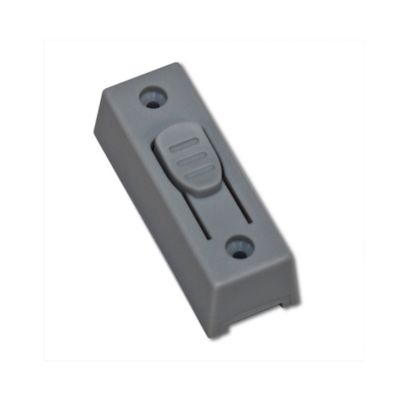
Control boxes are useful for property owners, maintenance crews, well-service professionals, electricians, farmers, ranchers and anyone building or maintaining a practical workshop or utility system. They can help bring order to a new installation, replace a worn or damaged enclosure, or update an older setup whose controls have become difficult to read and operate. A hobbyist may also use a compact control box while building a model railway or other low-voltage project that requires momentary power to route a switch or operate a small accessory. For these applications, matching the box to the project’s voltage and control method is especially important, and low-voltage hobby components should be kept separate from line-voltage equipment. Control boxes can make thoughtful gifts for a hands-on homeowner, a new landowner setting up a pump system or a workshop tinkerer who enjoys improving the way equipment runs, though the gift should match a known project rather than be chosen as a general-purpose electrical item. Before buying, make a short list of the equipment, power source, controls, mounting location and weather exposure involved. Take photos of existing labels and connections if a replacement is being planned, but never work from memory when electrical ratings are involved. During warmer, busier stretches of the year, a dependable control setup can keep water, ventilation and irrigation equipment operating with less fuss; during cooler months, it can help manage heaters, pumps and enclosed work areas. A well-matched box protects components, gives operators a clear way to direct equipment and makes routine maintenance more manageable from one season to the next.