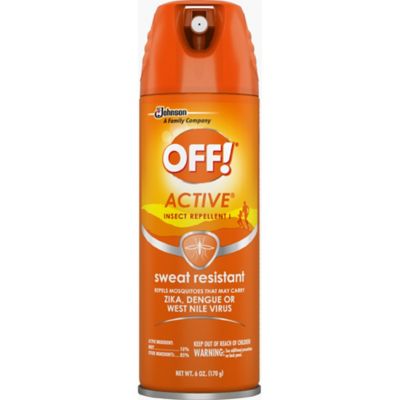
Tick repellents help make time outdoors more comfortable when grass is high, trails are brushy and the edge of the woods is full of places for ticks to wait. They’re useful for farmers, hunters, gardeners, campers, hikers, landscapers, dog owners and anybody who spends part of the day working or relaxing outside. A walk along a fence line, a morning in the garden or an afternoon stacking firewood can bring clothing and skin into contact with low-growing plants where ticks are commonly found. The right repellent can be applied to exposed skin, outer clothing or outdoor gear, depending on the formula and its label directions. Look for an active ingredient registered with the U.S. Environmental Protection Agency (EPA), and compare the concentration, protection time, application method and intended use before adding an item to your cart. Common skin-applied choices include DEET in concentrations around 20% to 30%, picaridin at about 20% and oil of lemon eucalyptus (OLE) at about 30%. DEET is a familiar option for long days outside and may provide roughly 8 to 10 hours of protection, while picaridin is often chosen for its odorless, non-greasy feel and may last up to 12 hours, depending on the product and conditions. OLE is a plant-based option that can provide around 6 hours of protection. Exact performance varies with sweating, water exposure, heat, activity level and the label instructions, so the package directions should always be the final word. Prices commonly range from about $5 to $25, making these practical additions to a work bag, camping tote, hunting pack or care package for someone who enjoys the outdoors.
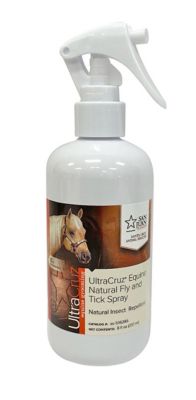
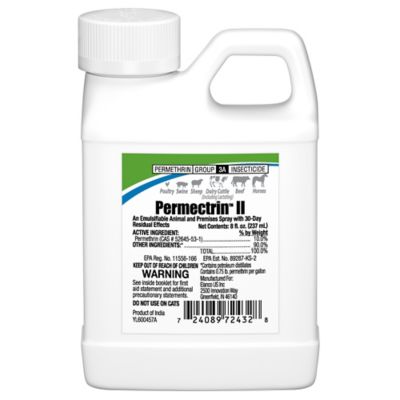
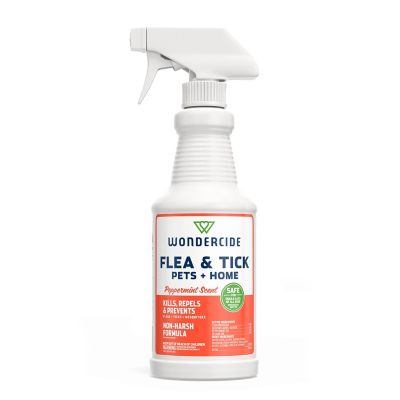
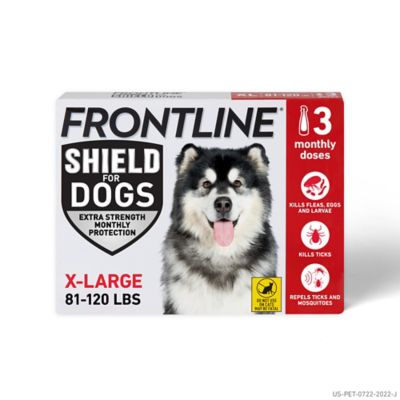
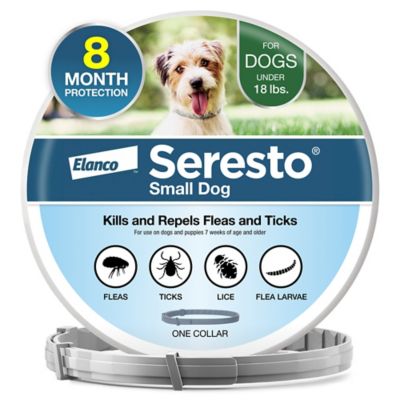
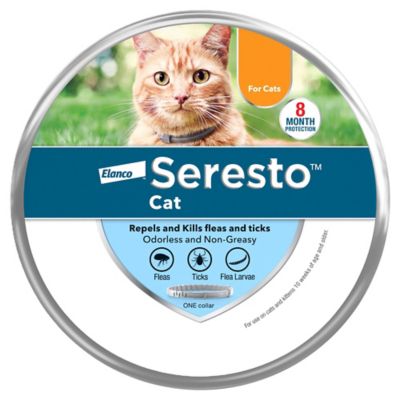
When shopping, match the repellent to the way it will be used. Skin repellents belong only on exposed skin and outer clothing as directed; they should not be sprayed under clothing, on cuts, irritated skin or near the eyes and mouth. For the face, apply the product to your hands first, then carefully spread it over the skin while avoiding the eyes and lips. Adults can help children apply repellent, keeping it away from little hands that may rub their faces. Wash treated skin with soap and water when outdoor time is over, and wash clothing according to the product directions. Repellents made with permethrin are different: a typical fabric treatment contains 0.5% permethrin and is intended for clothing, boots and gear, never directly on skin. It can be especially handy for treating pants, socks, jackets, hats, tents and other outdoor equipment before a trip, and some treatments remain effective through multiple wash cycles when used as directed. Treat the places a tick is likely to reach first, including pant legs, socks, shoes and the lower edges of clothing. A pair of light-colored pants can also make it easier to spot a tick during a quick check. Repellent works best as part of a simple outdoor routine that includes staying on cleared paths when possible, keeping grass and brush trimmed around frequently used areas, wearing closed-toe shoes and checking clothing, gear, pets and skin after coming inside. Pay close attention to warm, tucked-away areas such as behind the knees, around the waist, in the groin, under the arms, around the ears and along the hairline. If a tick is attached, remove it promptly with fine-tipped tweezers by grasping it close to the skin and pulling upward with steady pressure. Keep human repellents away from dogs, cats, livestock and other animals unless the label specifically allows that use. Cats can be particularly sensitive to certain insect-control ingredients, so pet owners should choose animal products according to species, weight and veterinary guidance rather than sharing a household spray.
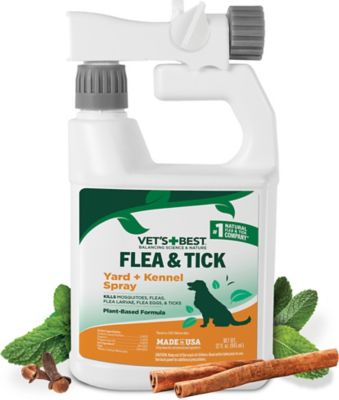
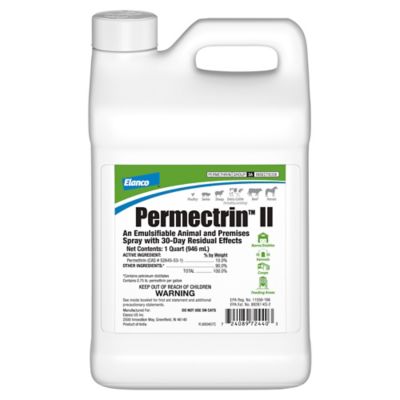
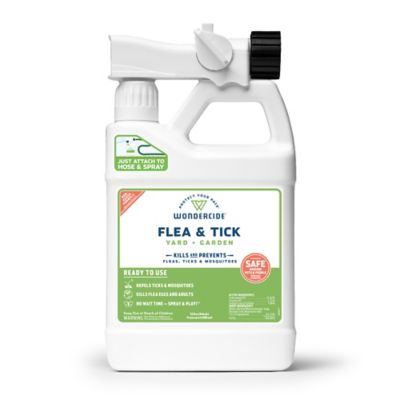
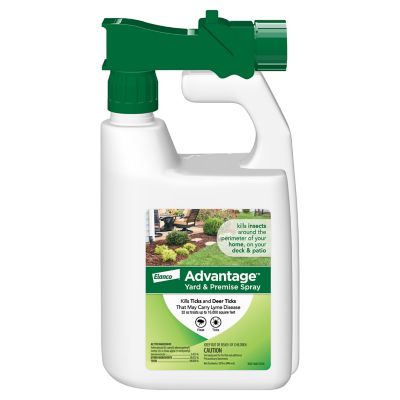
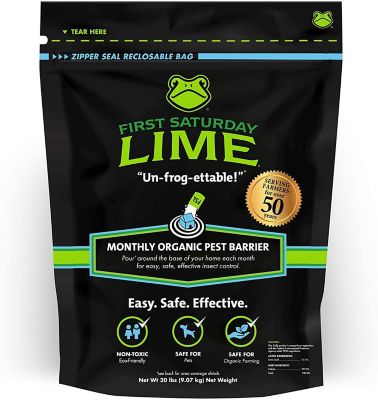
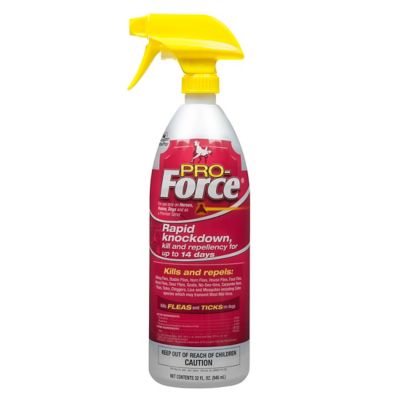
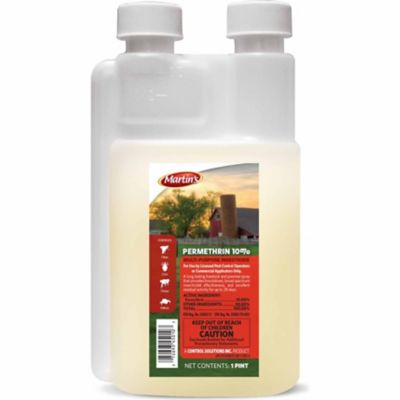
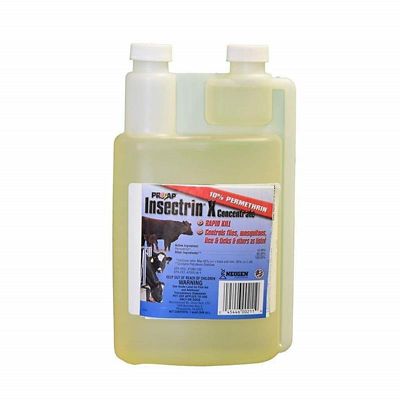
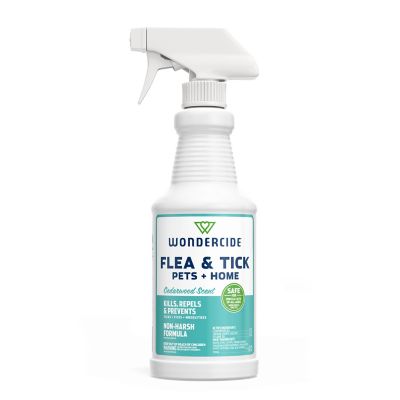
For rural homes, kennels, campsites and larger properties, personal repellent may be only one part of a broader tick-control setup. Product options made for lawns, pet areas and property edges can help address places where people and animals spend time, especially along tall grass, stone walls, wooded borders, sheds and brush piles. Explore
Tick Yard Spray for Lawns, Pet Areas and Property Edges when looking for a property-focused option, and follow every label instruction for mixing, application, reentry time and protection of gardens, wells, ponds, pets and livestock. Keep children and animals away from treated areas until the label says they may return, and store all repellents in their original containers, out of reach of children and away from feed, food and heat. During warmer stretches, ticks may be active in lawns, pasture edges and wooded cover; during cooler months, they can still be found on mild days, especially where leaves, grass and brush provide shelter. That makes tick repellent a useful item to keep with seasonal work clothes instead of packing away after one outdoor project. A small bottle can be a thoughtful gift for a new landowner, a college student heading out on trail trips, a hunter preparing gear, a gardener who works around shrubs or a dog owner who spends plenty of time on back roads. For anyone who enjoys the quiet parts of country living—the crunch of leaves on a trail, the smell of fresh-cut grass or a long evening checking the fence—choosing the right repellent helps keep outdoor chores and adventures focused on the work and the scenery.