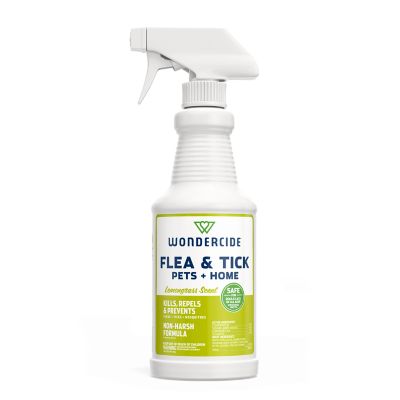
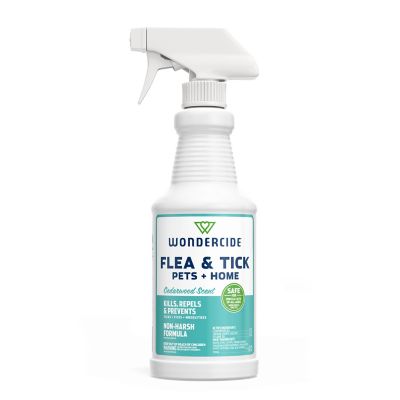
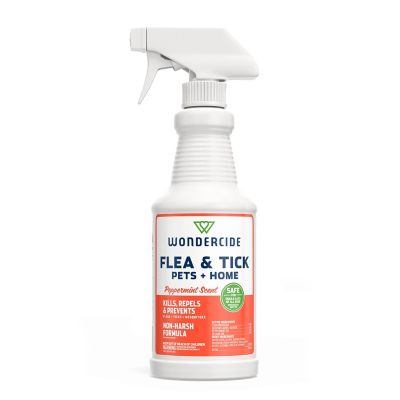
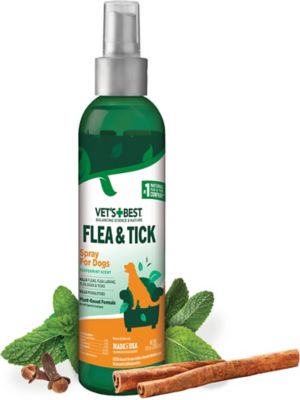
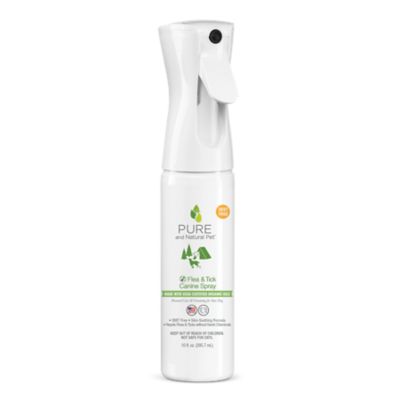
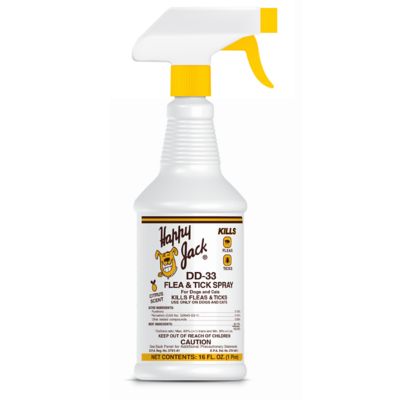
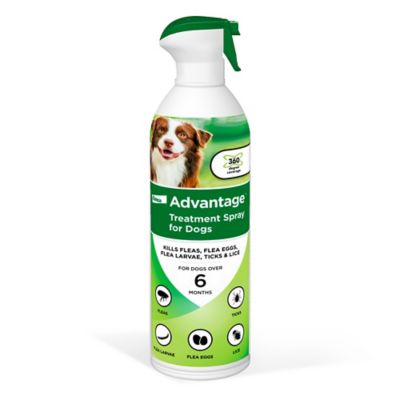
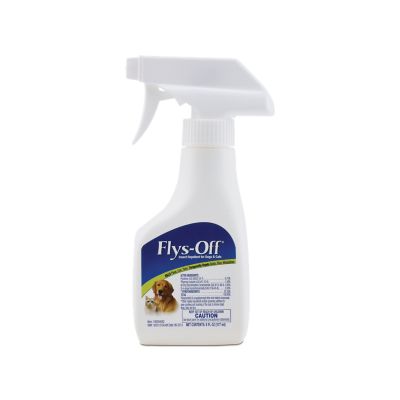
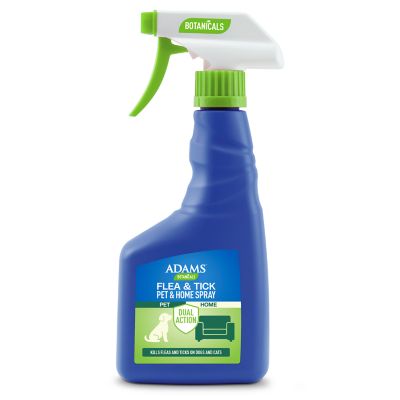
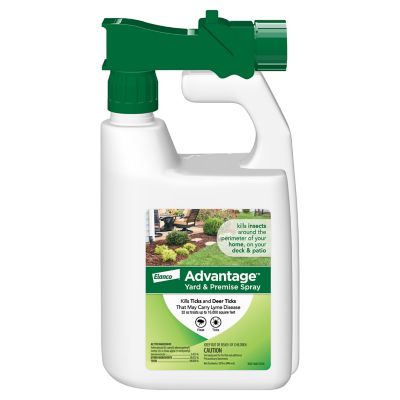
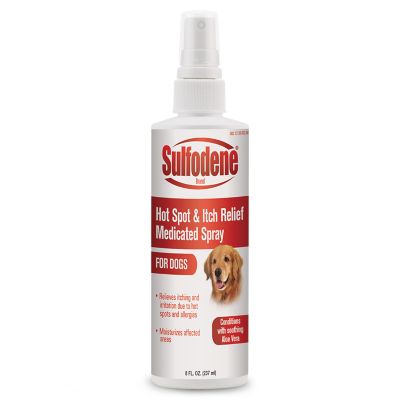
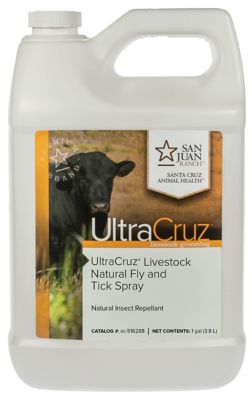
Tick repellent sprays for dogs are coat treatments intended to help keep ticks from attaching, while some formulas also kill ticks on contact. Those are different jobs, and the label tells you which protection a spray provides. For a dog that noses along fence lines, tags along on chores or explores brush beside a walking trail, a dog-labeled spray can fit into a broader tick-control routine. Ticks wait on vegetation and grab onto passing animals, so even a short trip through tall grass can bring a dog into contact with them. Spray formulas vary in their active ingredients, application methods, eligible ages and stated protection periods. Some contain botanical ingredients, such as cedarwood oil, while others contain conventional insecticides labeled for application to dogs. Plant-based wording does not automatically mean a formula is gentle for every pet, and a strong scent does not tell you how well it works. The important details are the pests listed on the label, whether the formula repels or kills them, and any restrictions for your animal. A spray labeled for fleas alone should not be assumed to protect against ticks. Likewise, a product intended for lawns, livestock areas or household surfaces is not interchangeable with a treatment labeled for a dog's coat. Shoppers comparing dog tick sprays will find that the best match depends on the individual dog and the way the household manages parasite prevention. A working farm dog, a trail companion and a little dog that stays close to the porch can have different exposure patterns, but all need treatment appropriate for their age and health. A veterinarian can help sort out those differences, particularly for puppies, pregnant or nursing dogs, older pets, and dogs with skin concerns or other medical conditions. Repellent spray is not a guarantee against tick bites or tick-borne illness, and it does not take the place of checking a dog after time in tick habitat.
The everyday feel and handling of a tick spray matter, especially when the dog would rather get back to the yard than stand still. Pump bottles and trigger sprayers offer different grips and spray patterns, and a bottle that is easy to hold can make label-directed application less awkward. Package size, closure design and storage instructions are useful considerations for households treating more than one dog or keeping pet-care supplies in a designated cabinet. A secure cap helps prevent leaks, though no bottle should be left where pets or children can reach it. Coat length and thickness also affect the job. A short, smooth coat is different from a thick double coat, and surface misting may not provide the coverage a particular formula requires. The label should explain how much to apply, whether the coat needs to be parted or worked through, and whether the liquid must reach the skin. More spray is not necessarily better; the stated amount and application interval matter more than getting the coat extra wet. Fragrance, drying time and any residue are worth comparing, too, particularly for a dog that comes straight indoors and settles on the family couch. Sensitive areas need special care, and spray should stay away from the eyes, nose, mouth and other areas excluded by the label. Head application methods differ, so a general suggestion to wipe a dog's face with a sprayed cloth is no substitute for that formula's directions. Some labels call for shaking before application or testing a small area first; neither step makes a treatment suitable for an animal outside its labeled restrictions. Bathing, swimming and coat care may affect how long a treatment lasts, with reapplication limits depending on the formula. For dogs already wearing a tick collar or receiving another flea and tick medication, veterinary advice helps prevent inappropriate combinations. The same caution applies when switching treatments, rather than layering another spray on top simply because a tick has turned up.
Tick protection also has to make sense for the rest of the household. Homes with cats need particular care because some ingredients in dog treatments, including permethrin, can be highly toxic to cats. A formula labeled for dogs should never be applied to a cat unless its label specifically includes cats, and directions about keeping animals apart after application deserve close attention. Dogs that groom one another, share bedding or curl up beside other pets add another reason to check contact restrictions and drying instructions. Some sprays carry directions for both animal coats and certain household surfaces, but that permission should be stated plainly on the label. Bedding materials, upholstery and flooring can react differently to a liquid treatment, so surface restrictions and any required spot testing matter just as much as the pest claims. A coat spray belongs on the dog only as directed; a premise spray belongs in its labeled setting. For households managing more than one type of tick exposure, the broader
Tick Repellents category offers another place to compare intended applications while keeping pet treatments separate from products meant for people or property. Alongside a suitable prevention plan, hands-on coat checks remain important. Fingers can find a small bump that is hard to see beneath thick fur, especially around the collar, behind the ears, under the legs and between the toes. An attached tick calls for prompt removal with an appropriate tick-removal tool or fine-tipped tweezers, not an extra soaking of repellent in hopes that it will drop off. Changes such as unusual tiredness, appetite loss or lameness after tick exposure warrant a call to the veterinarian. Keeping the original container makes ingredient information, precautions and application directions easy to find throughout the life of the treatment. Whether the routine centers on a dog riding along to check the back pasture or a companion walking the same neighborhood path each day, choosing a dog-labeled tick spray means matching its claims and restrictions to the animal, then following those directions consistently.