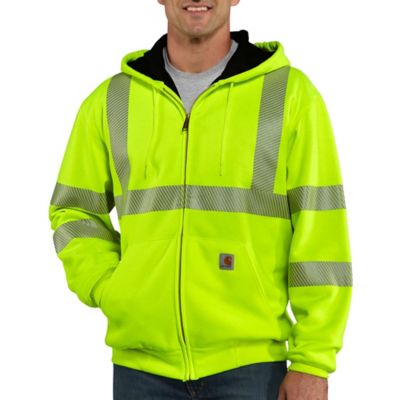
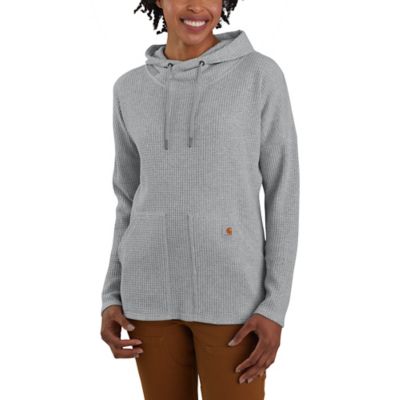
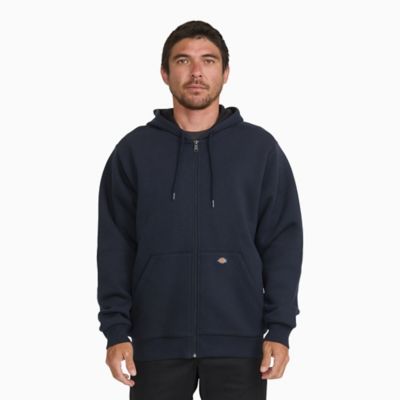
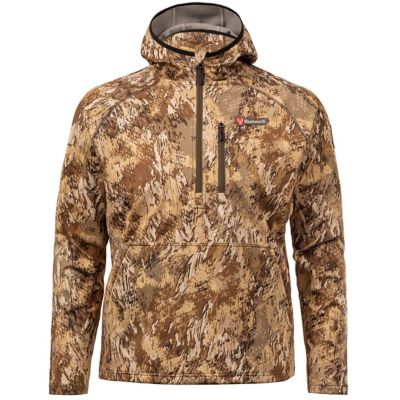
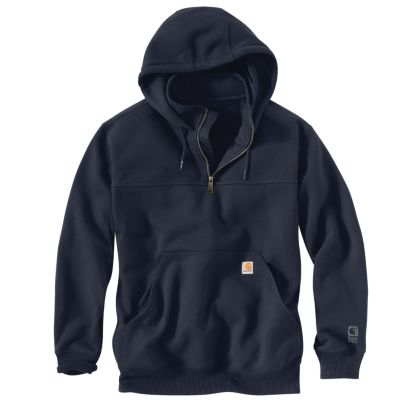
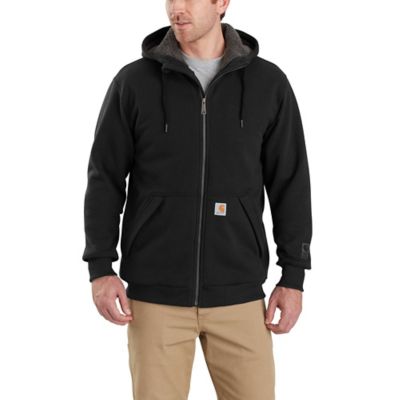
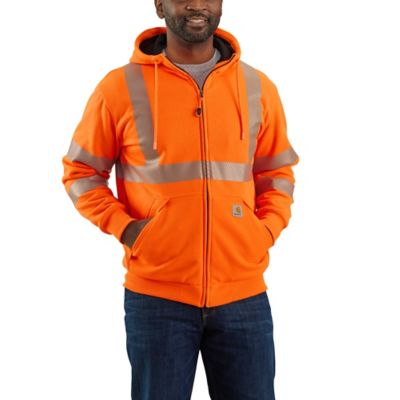
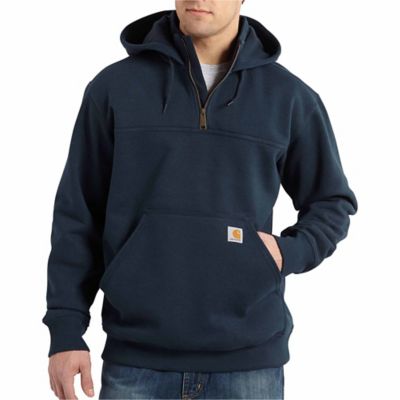
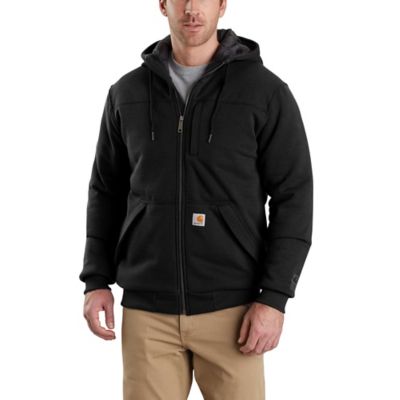
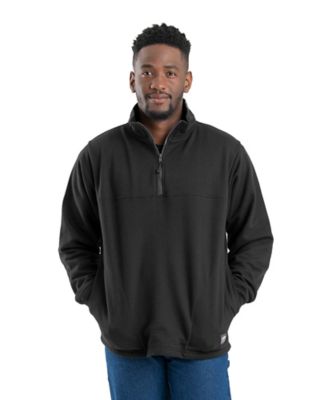
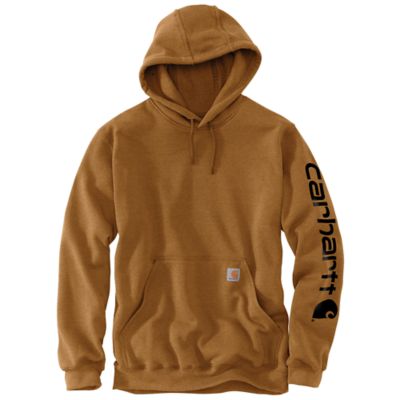
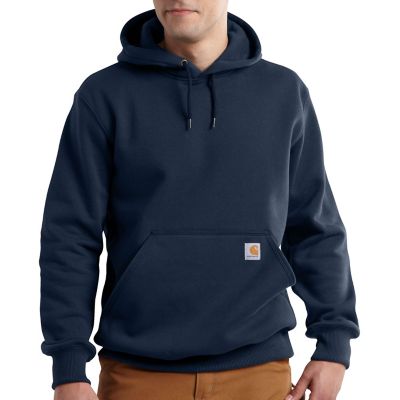
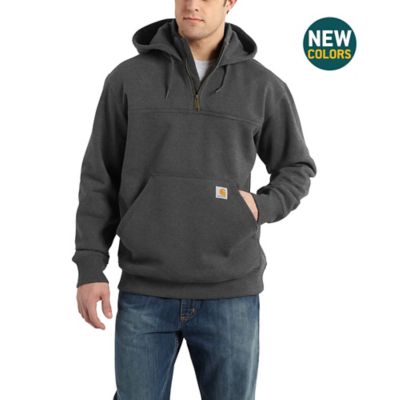
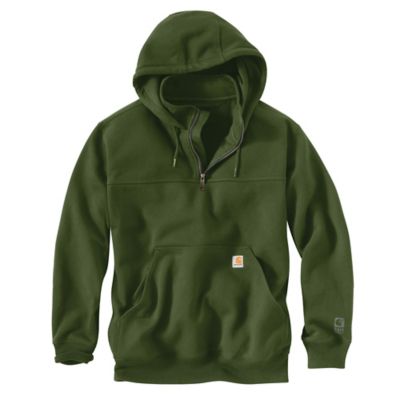
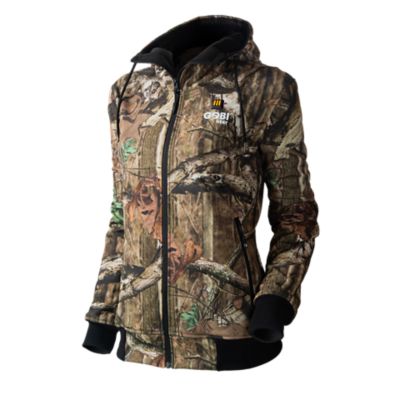
A thermal hoodie is a hooded layer designed to help hold body heat, often through waffle-knit fabric, a thermal lining, or a combination of an outer sweatshirt shell and an insulating inner layer. The raised grid in a waffle knit creates small spaces that can hold warm air close to the body. That texture is a common feature, but the word thermal does not describe one fixed fabric weight or a guaranteed level of warmth. A lightweight waffle-knit hoodie can sit comfortably beneath a work jacket, while a heavier lined sweatshirt can serve as an outer layer for feeding livestock, hauling firewood, or walking the fence line on a chilly afternoon. The difference comes down to fabric construction, thickness, coverage, and how the garment fits into the rest of an outfit. Cotton brings a soft feel and absorbs moisture, making it comfortable for lower-effort tasks and everyday wear. Cotton-polyester blends combine that familiar feel with fibers that generally dry faster than all-cotton fabric, although actual drying time depends on the knit and weight. Polyester-rich fabrics may suit more active work, especially when the garment has a stated moisture-wicking feature. Breathability matters when a morning of chores includes both standing at a gate and carrying feed bags: a layer that feels right while standing still can feel much warmer once the work picks up. Thermal construction alone does not guarantee wind resistance or rain protection. An open knit may let a breeze through, and cotton can stay damp after absorbing sweat or getting wet. For exposed fields or wet conditions, a suitable outer shell helps round out the layering setup. Thermal hoodies work best when their warmth matches the task rather than simply adding the heaviest layer possible. A lighter option can make sense beneath insulated coveralls, while a lined style may be a better match for a short walk to the barn or a long ride in the passenger seat.
Fit influences both warmth and freedom of movement. A thermal hoodie should leave enough room for a base layer and for reaching overhead without pulling tight across the shoulders, but excessive looseness can make it harder to fit a coat over the top. A closer fit can slide neatly under a chore jacket; a roomier cut may feel better over a long-sleeve work shirt. Sleeve length matters when stretching across a truck bed or lifting a saddle onto a rack, and a hem that stays over the waistband helps maintain coverage while bending. Rib-knit cuffs and hems can help limit drafts, while a hood adds coverage around the ears and neck when conditions call for it. Pullover styles offer a simple front with fewer openings, and zip-front thermal hoodies make it easier to adjust coverage between the barn, truck cab, and house. A full zipper also makes a layer easier to take off without pulling it over a cap. Pocket layout is worth considering alongside warmth. A front pouch gives hands somewhere to rest during a break, while separate pockets can keep a few small essentials within reach; secure closures offer more containment than an open pocket when bending or climbing. Pocket contents still need to stay clear of the job, especially around livestock or equipment. Flat, well-finished seams can help reduce rubbing under another layer, and reinforced stitching at pocket corners and other pull points can help a sweatshirt stand up to repeated wear. Fabric weight alone does not tell the whole story about how a hoodie will hold up. Stitching, knit density, cuff recovery, and care all play a part. For work around moving machinery, loose sleeves, hanging cords, and unsecured hoods can pose a snag hazard, so task-appropriate clothing and safe operating practices take priority. Beyond chores, the same practical features suit a walk down a gravel lane, time in the bleachers, a camping trip, or a quiet evening on the porch.
Everyday care helps preserve the feel and fit that make a thermal hoodie worth reaching for. The garment label is the starting point, since a cotton waffle knit, a fleece-lined blend, and a sweatshirt with added fabric treatments may need different handling. Washing with similar colors and fabrics can help reduce color transfer and abrasion, while closing zippers and emptying pockets before washing keeps loose contents from tumbling against the fabric. Lower wash temperatures and gentle drying settings can help limit shrinkage and stress on fibers when the care label permits them. High dryer heat can change the fit of cotton and wear on stretch components in cuffs and hems. A heavy knit can stretch when hung while soaking wet, so the drying method matters as much as the wash cycle. Soil from a muddy gate or a dusty feed room is best addressed with a treatment suited to both the stain and the fabric, rather than harsh scrubbing that can roughen the surface. Some moisture-management finishes have restrictions on fabric softener, making those label details especially important. Letting the hoodie dry fully before putting it away helps keep the next wear comfortable. For a gift, familiar fit preferences usually matter more than choosing the greatest thickness. Someone who layers under a vest may appreciate a trim shape and smooth sleeves, while someone who wants an easy layer for weekend errands may prefer a relaxed fit and a full zipper. A neutral color can pair easily with work pants and jeans, and a favorite color can make a practical present feel more personal. Hood size, pocket placement, and the feel of the lining are small details that can shape everyday comfort. For a broader look at heavier sweatshirt layers, the
thick hoodies collection offers another way to compare fabric weight and construction. Whether the day calls for tending animals, splitting time between the shop and driveway, or heading out for a walk, the right thermal hoodie brings together useful coverage, comfortable movement, and a fabric weight suited to the job.