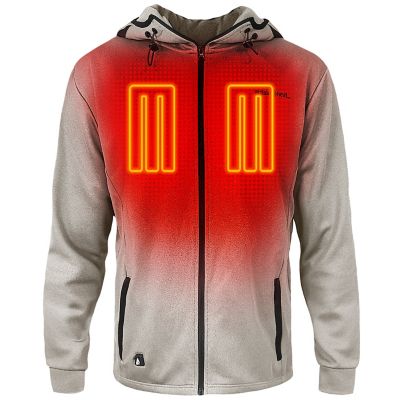
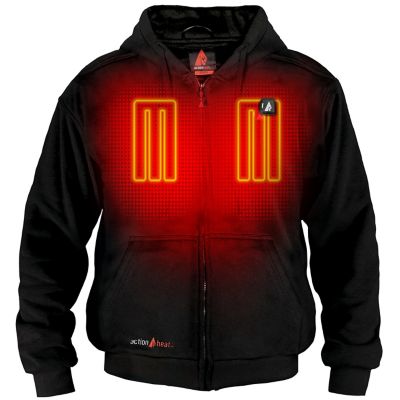
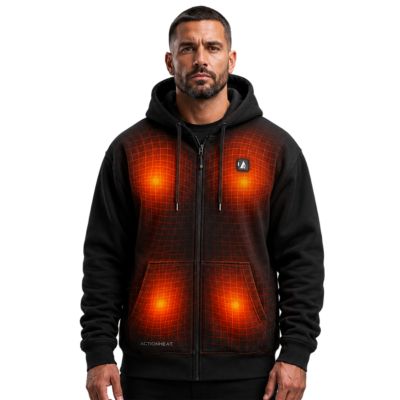
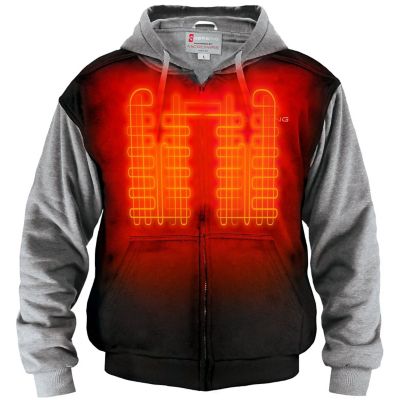
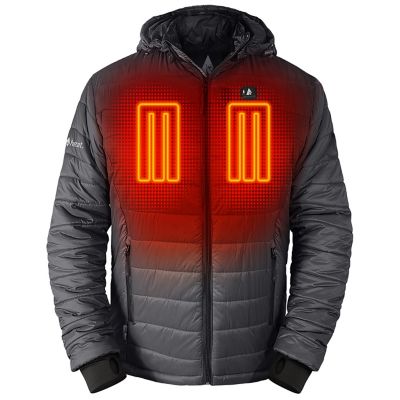
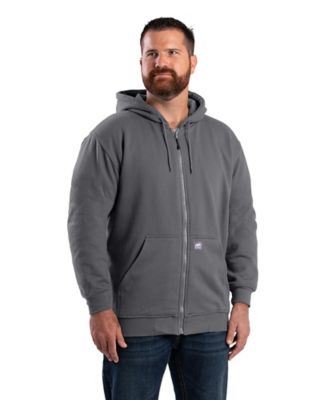
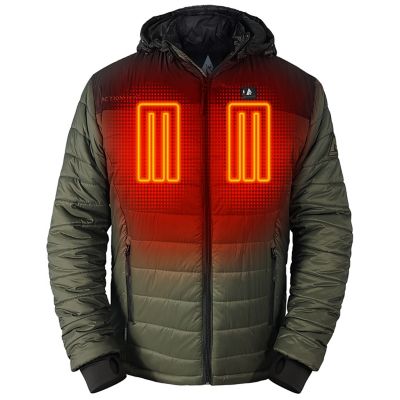
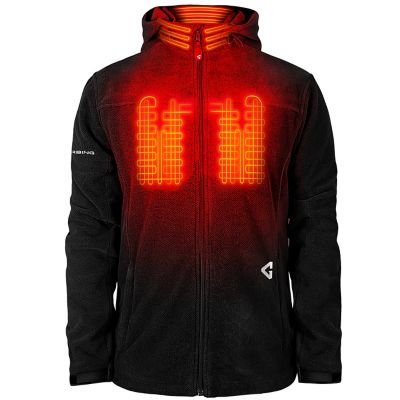
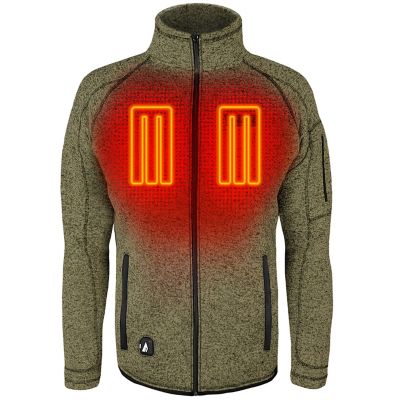
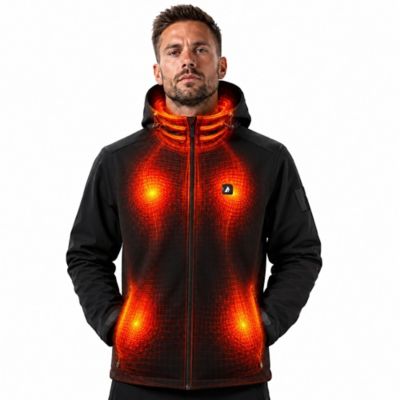
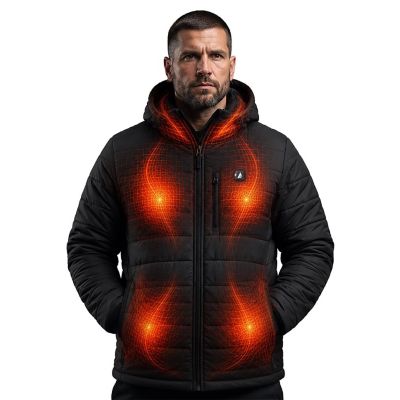
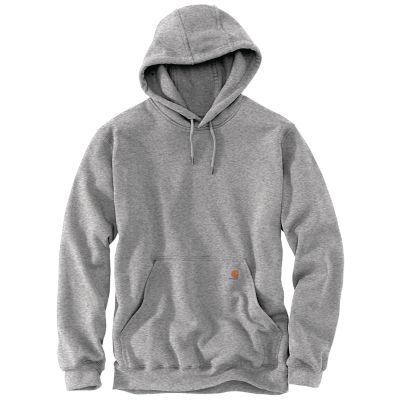
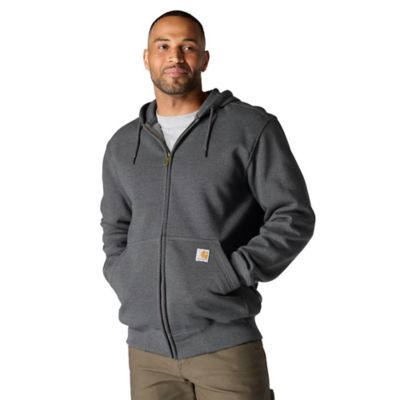
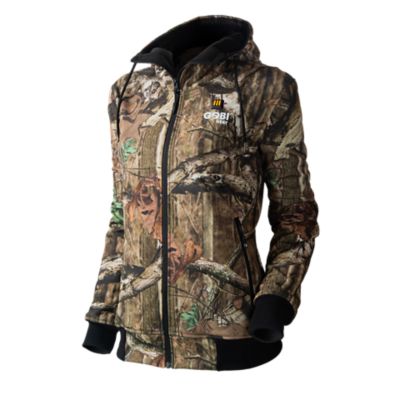
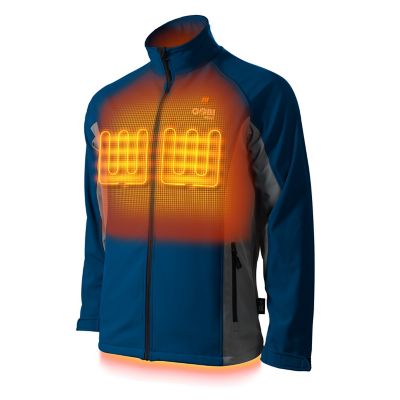
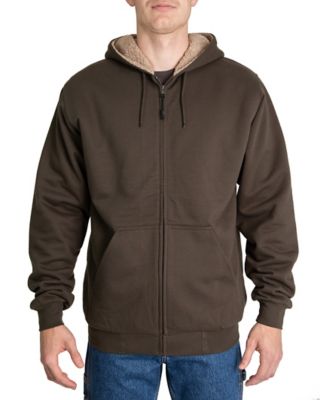
Men's heated hoodies combine the familiar feel of a sweatshirt with battery-powered heating elements that add warmth close to the body. Many feature thin carbon-fiber elements across the chest and back, while some designs also warm the pocket area. A rechargeable battery supplies power, and adjustable heat settings let the wearer change the warmth as activity levels and conditions change. That makes a heated hoodie a practical layer for checking fence lines, tending livestock, working in an unheated shop, or sitting through a cold afternoon in the bleachers. The fabric still provides ordinary sweatshirt insulation, even when the heating system is switched off. With the power on, warmth is concentrated around the heating zones rather than spread evenly through every sleeve, seam, and panel. Heating-zone placement is worth considering alongside the number of zones: warmth across the upper back feels different from warmth centered on the chest, especially underneath another layer. Battery runtime depends on the battery's capacity, the heat setting, outside conditions, and how well surrounding layers hold warmth. A high setting generally draws more power than a low setting, so a single runtime figure does not tell the whole story. Battery size and placement also affect everyday comfort. A pack tucked into a side pocket may be barely noticeable while walking but more apparent against a truck seat, tractor seat, or tool belt. Accessible controls can make adjustments easier with cold fingers, though button location and operation vary by design. Compatibility matters, too, since a battery pack or charger that fits one heating system may not work with another. Charging connections, battery requirements, and whether power components come with the garment are details that help distinguish one style from another. For long stretches away from an outlet, battery capacity and charging time deserve as much attention as the sweatshirt's appearance. Heated clothing adds warmth, but it does not replace the insulation, wind protection, and other clothing needed for the conditions.
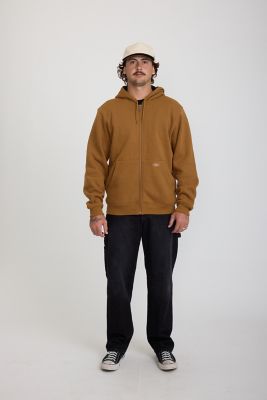
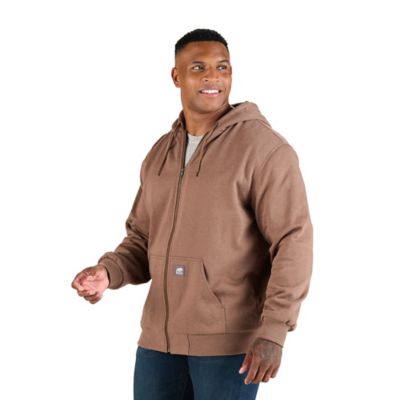
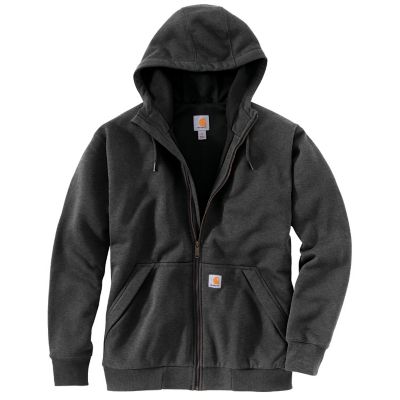
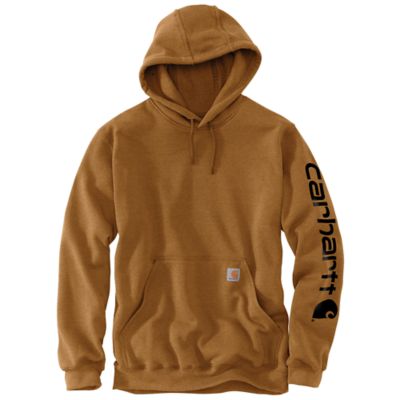
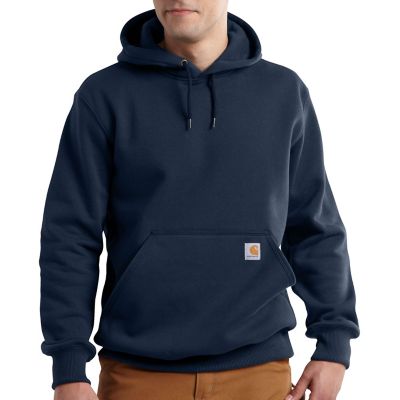
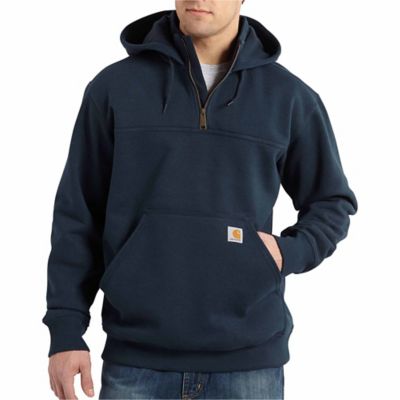
Fabric and fit have a lot to do with whether a heated hoodie becomes an everyday favorite or stays on a hook by the door. Cotton-rich blends often have the familiar, substantial feel of a regular sweatshirt, while polyester blends can offer different combinations of stretch, moisture management, and drying performance. A brushed fleece interior feels soft against a base layer and helps hold warmth around the torso. The outer face matters when the day includes carrying split wood, leaning against a fence rail, or brushing past rough lumber. Closely knit fabric, reinforced pocket openings, and well-finished seams are useful details for clothing that spends plenty of time doing chores. Even so, a heated sweatshirt is not a substitute for protective workwear, and its heating elements and wiring need protection from cuts, crushing, and sharp bends. Fit should leave room to reach overhead, carry a feed sack, and bend to latch a gate without pulling tight across the shoulders. Too much extra room, however, can leave the heated areas sitting farther from the body and create bunching beneath a coat. Sleeve length, body length, and the shape of the waistband all affect coverage when moving between standing, kneeling, and sitting. Ribbed cuffs can help keep sleeves in place, while a hood adds coverage around the head and neck when appropriate for the task. A full-zip front makes layering and ventilation straightforward; a pullover offers a familiar sweatshirt shape with fewer openings across the front. Pocket layout deserves a look as well, especially when one pocket also holds the battery. Hands, keys, and a phone still need somewhere to go without pressing against the power connection. In windy conditions, a suitable outer shell can help keep warmth from escaping through the sweatshirt fabric. For active chores, breathable layers underneath can make the change from hauling supplies to standing still more comfortable. Cotton-rich fabric can hold moisture longer than some synthetic fabrics, so the base layer matters when a job works up a sweat.
Care requirements are part of owning a men's heated hoodie, since the garment combines washable fabric with electrical components that need their own handling. The care label and heating-system instructions determine the right cleaning method, water temperature, and drying approach. The battery should be disconnected and removed before cleaning, with connectors secured as directed. Some garments permit machine washing under specified conditions, while others call for a different method; dryer heat, wringing, bleach, and ironing may also be restricted. Following those directions helps protect the fabric, heating elements, and connections without treating the sweatshirt like an ordinary load of chore clothes. The garment and its connections need to be fully dry before the battery is reattached. Between wearings, attention to a loose connector, damaged cable, or worn battery pocket can help catch a problem before the next trip outside. A garment with damaged electrical components should stay out of service until it has been checked according to the manufacturer's instructions. Battery care matters during storage, too, including the recommended charging routine and temperature range. Heated hoodies suit plenty of routines beyond heavy work: walking the property, watching a ballgame, fishing from shore, or taking care of a few last jobs before heading indoors. They can also make thoughtful gifts for someone who spends long stretches outside, particularly when sweatshirt size, preferred fit, and charging needs are known. A person who moves constantly may favor lighter layers and easy ventilation, while someone who stands in one place may put more weight on insulation and heating-zone coverage. For different layering needs, the
Mens Heated Clothes collection offers a broader look at heated clothing styles. The right hoodie brings together comfortable fabric, useful warmth, room to move, and care requirements that fit the wearer's routine, from the first trip to the barn to the last walk back across the yard.