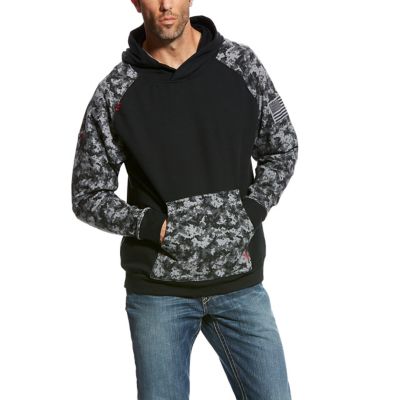
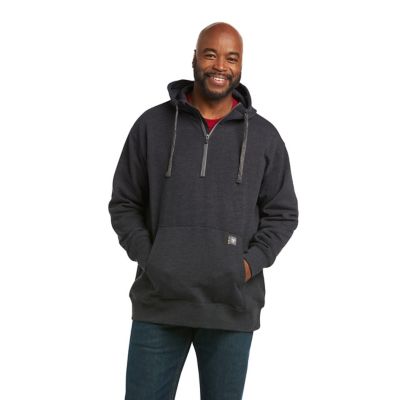
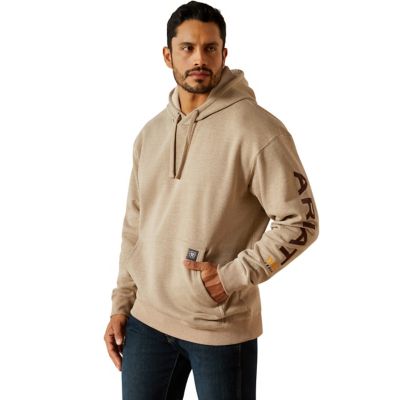
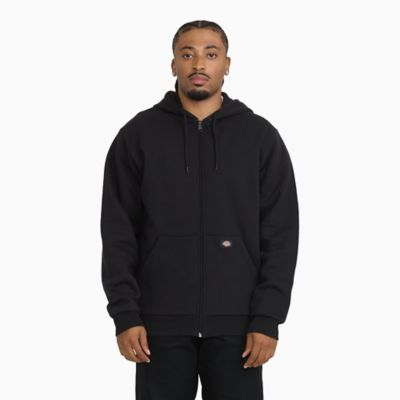
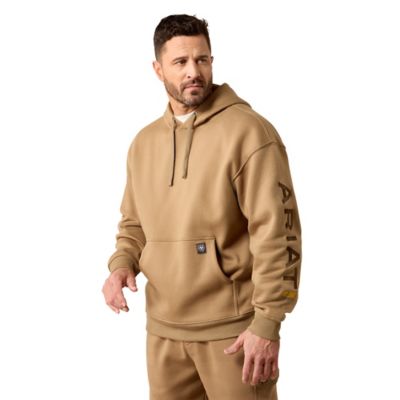
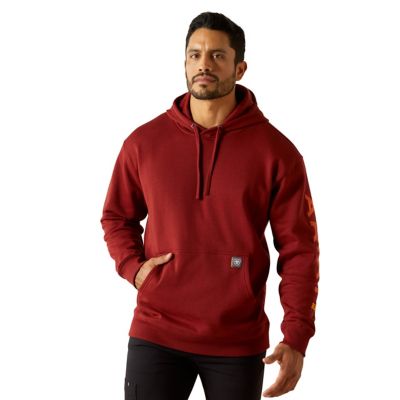
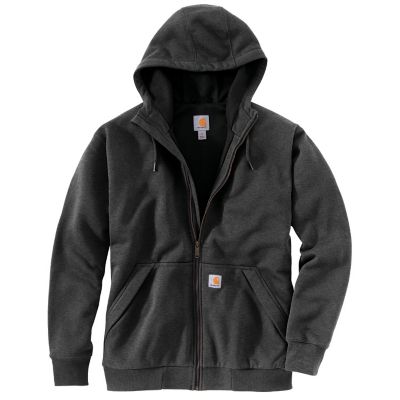
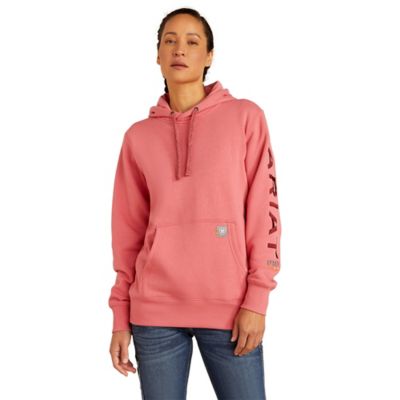
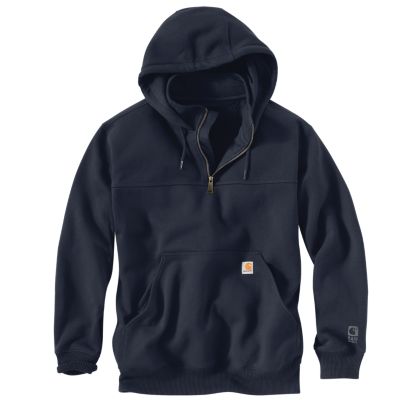
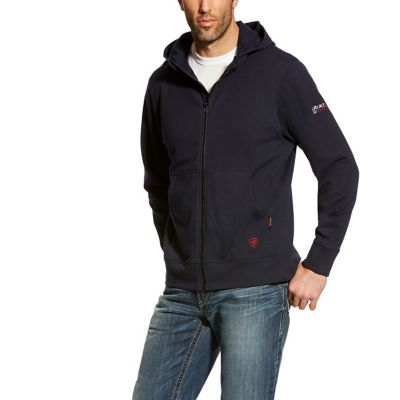
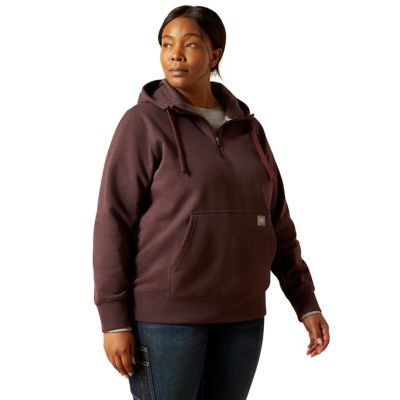
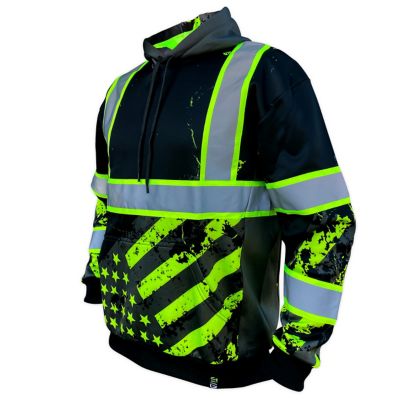
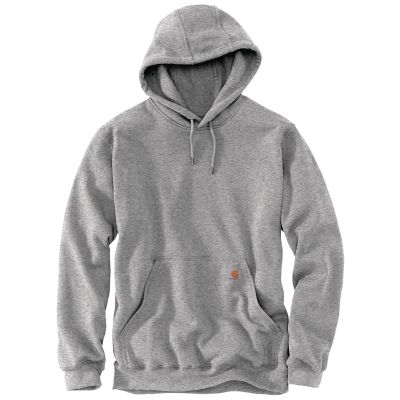
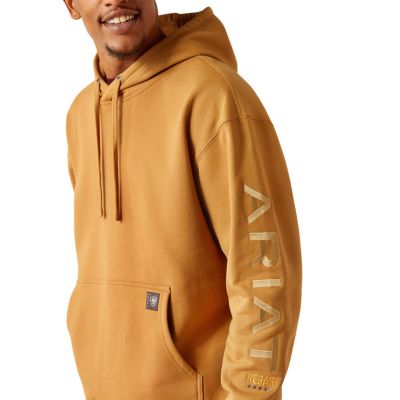
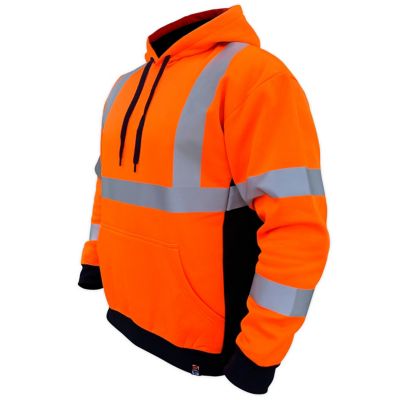
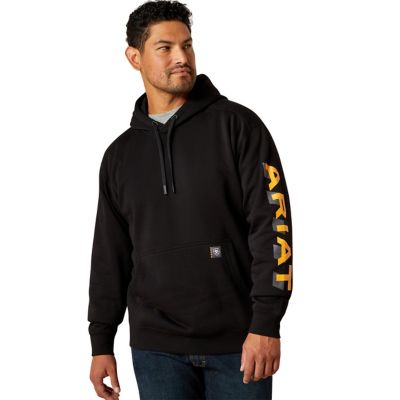
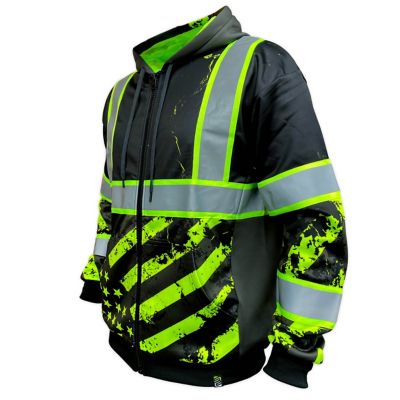
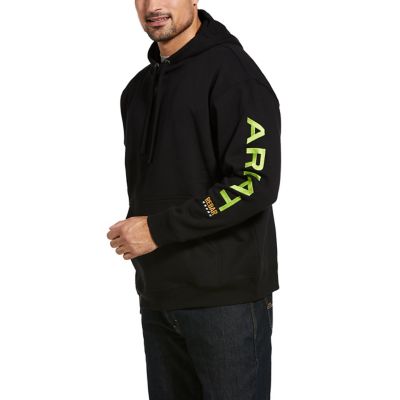
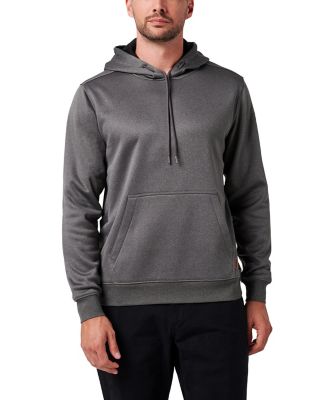
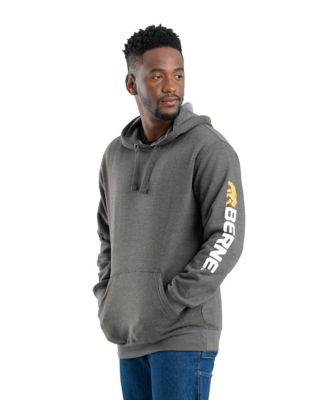
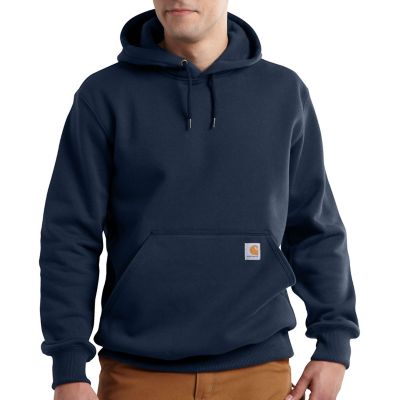
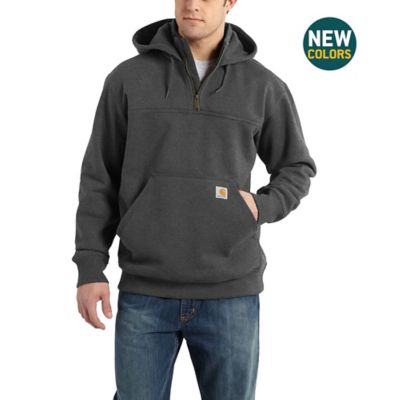
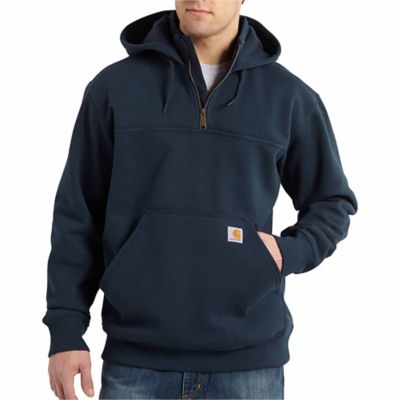
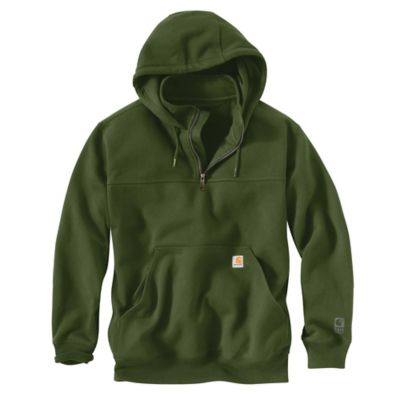
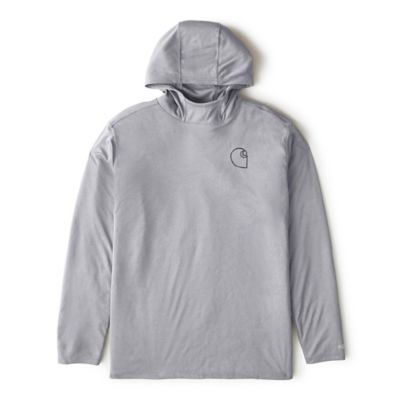
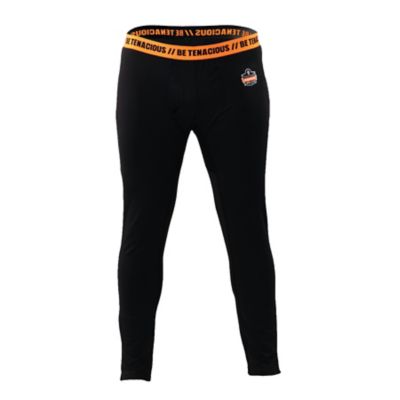
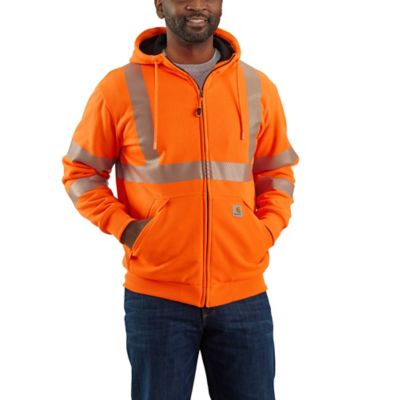
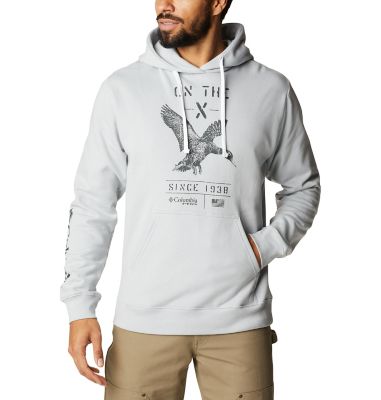
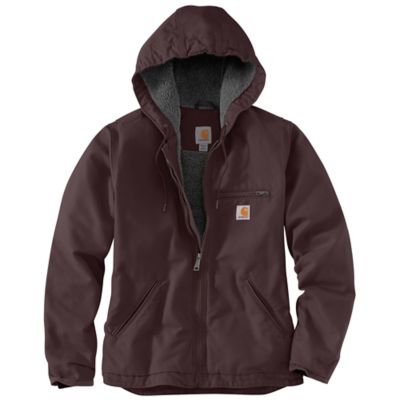
Warm work hoodies bring together the familiar feel of a sweatshirt and the practical features that help on a cold day outdoors. They’re a handy layer for feeding livestock before daylight, loading supplies into the truck, tending fence lines or getting through a chilly shift in the shop. The best warm work hoodie for the job depends on how much heat you need, how hard you’re moving and what you’ll wear over it. Heavyweight fleece offers substantial warmth for slower tasks, while a midweight hoodie can be a better match for steady lifting, walking and hauling. Fabric weight is often listed in ounces per square yard; a higher number generally means heavier fabric, but it doesn’t tell the whole story about warmth. The knit, lining, fit and layers underneath matter, too. A brushed fleece interior traps warm air and feels soft over a work shirt, while thermal, sherpa or quilted linings offer different levels of insulation and a different feel against your clothes. Cotton-rich fabrics have a familiar, substantial feel, and polyester blends generally dry faster than all-cotton options. That difference matters when carrying feed bags or stacking firewood gets you sweating despite the chill. For long stretches of active work, a moisture-managing base layer under a hoodie helps keep damp fabric away from your skin. For less active chores, a lined sweatshirt with room for another layer may make more sense. Think about the stretch between stepping out onto a cold porch and finishing the last job of the day: a hoodie should handle more than those first few chilly minutes. During the cooler months, the most useful option is often one that works on its own in sheltered conditions and slips under a coat when the wind picks up. Warmth matters, but so does being able to finish a task without stopping to tug at your clothes.
Fit and construction make a noticeable difference once the work starts. A work hoodie should leave enough room through the shoulders and chest to reach for a gate latch, carry a bucket or stretch across a workbench without pulling tight. Relaxed fits offer space for layering, while closer-fitting styles can slide more easily beneath a jacket or vest. Neither should leave excess fabric hanging where it could catch. Sleeve length deserves a look, especially for anyone with a long reach; cuffs should stay near the wrists when arms extend rather than climbing halfway up the forearm. Rib-knit cuffs and hems help limit drafts, and a longer body can offer more coverage when bending or reaching. Stretch panels, underarm gussets and thoughtfully placed seams may give you more freedom of movement without requiring a larger size. Pullover work hoodies keep things simple, with an uninterrupted front and often a roomy pouch pocket for warming bare hands between tasks. Full-zip hoodies make it easier to adjust ventilation or take a layer off without pulling it over your head. Quarter-zip styles offer a middle ground, opening at the neck to release heat while keeping most of the front covered. Pocket layout is worth considering beyond the number of pockets: secure closures can help keep keys from falling out when you bend, while divided storage keeps small belongings from settling into one pile. Check whether zipper pulls are easy to grip with the gloves you normally wear, and whether a raised collar feels comfortable when fully fastened. A hood should cover your head without blocking side vision. Around moving machinery, loose drawstrings and hanging fabric can create a snagging hazard, so follow workplace clothing rules and equipment safety instructions. For a broader look at fits and everyday layering options, browse
Mens Hooded Sweatshirts and compare the details that match your routine. The small things tend to matter most by the end of a long day.
Weather protection is another reason to look closely at a hoodie’s fabric and finish. A water-repellent work hoodie can shed light moisture, making it helpful for brief trips between the barn and truck or chores in a passing sprinkle. Water-repellent does not mean waterproof, though, and a sweatshirt is no substitute for rainwear during steady precipitation. Likewise, thick fleece can feel plenty warm inside a shed but let cold air through in an open pasture. When wind exposure is part of the job, look for stated wind-resistance features or plan to add a wind-blocking outer layer. Leave enough room under that layer to move comfortably without squeezing the hoodie’s insulation flat. Care requirements also belong in the buying decision. Work clothes collect dust, hay and the occasional smear of grease, and a hoodie that fits your laundry routine is easier to keep in rotation. Read the care label for washing and drying directions, especially for lined garments and fabrics with water-repellent treatments. Cotton content, construction and drying temperature can affect shrinkage, so check sizing notes rather than counting on a hoodie to fit the same after every wash. Reinforced stitching, firmly attached pockets and sturdy zipper construction are worth examining in clothing that sees frequent wear. Ordinary sweatshirts are not protective clothing for every task; welding, electrical work and other hazardous jobs may require garments with specific safety ratings. Beyond the workday, a warm hoodie fits easily into woodpile duty, checking water troughs, walking the property or heading into town for supplies. It can also make a practical gift for a farmer, ranch hand, tradesperson or anyone whose days start outside before the sun has taken the edge off the air. For gifting, knowing the person’s usual size, preferred fit and preference for a zipper or pullover is more helpful than guessing how heavy a sweatshirt they need. Choose around the way they spend their day, and a warm work hoodie can earn its place on the hook by the door.