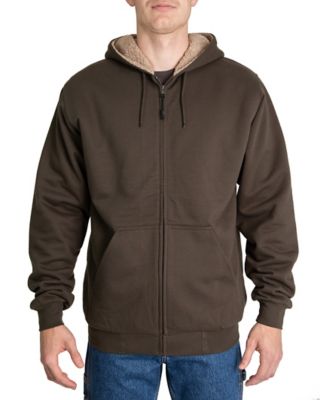
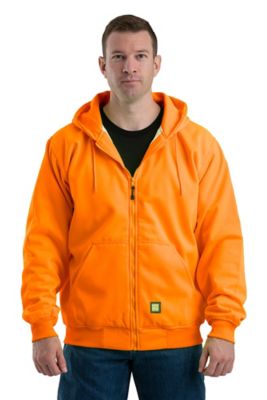
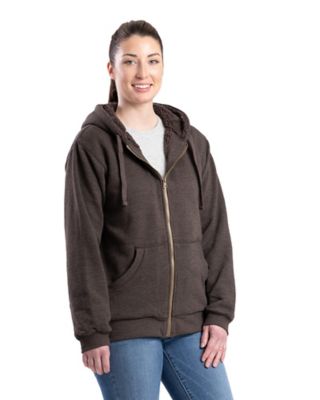
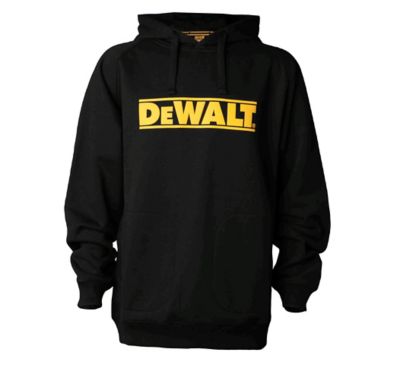
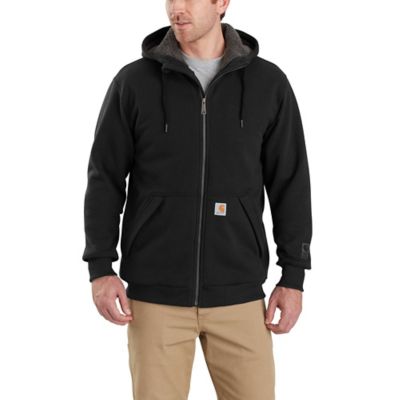
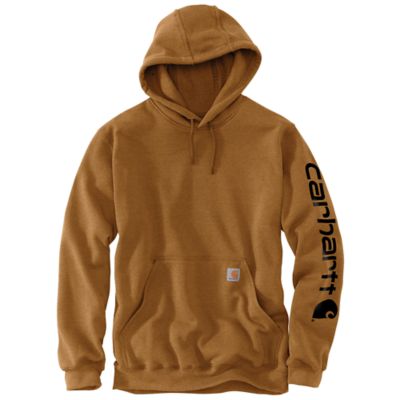
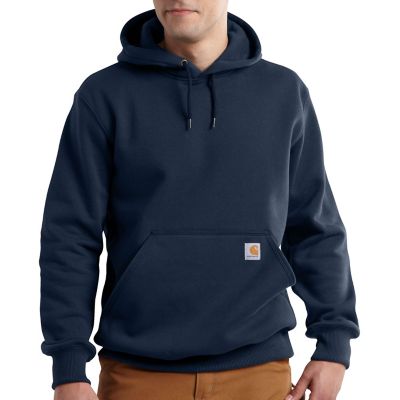
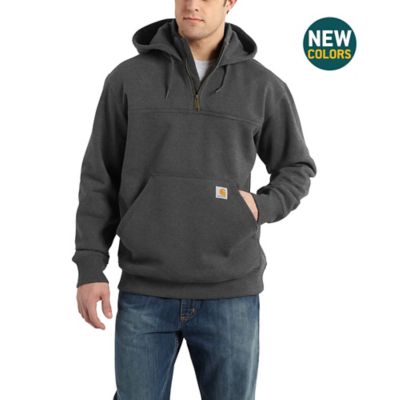
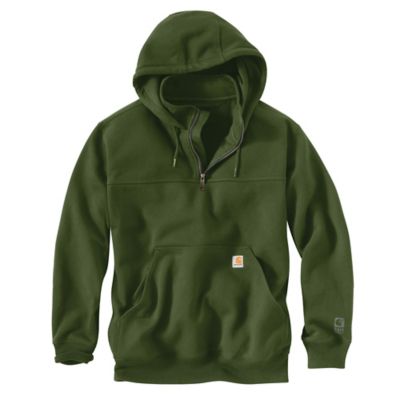
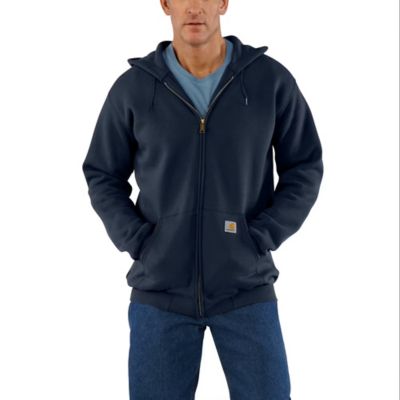
Thick hoodies are hooded sweatshirts made with heavier fabric, substantial fleece, or an added lining for a fuller feel and extra warmth. They suit the kind of days that include a feed run, time in the workshop, and a seat on the porch after chores are done. Many heavyweight sweatshirt fabrics fall around 10 to 14 ounces per square yard, or roughly 340 to 475 grams per square meter (GSM), with some heavier fabrics above that range. Those numbers describe the fabric’s weight, not the total weight of the finished hoodie, and heavyweight labels do not follow one universal standard. A higher number generally means more substance, but warmth also depends on the knit, lining, fit, and coverage. Cotton-rich fleece has a familiar sweatshirt feel, with a smooth outer face and a brushed inside that holds warm air close to the body. All-cotton fabric can feel substantial and breathable, though shrinkage depends on its construction, finishing, and care. Cotton-polyester blends often balance that soft cotton feel with better shape retention and faster drying than comparable all-cotton fabrics. Brushed fleece feels different from loopback fabric, which has small loops inside rather than a fuzzy surface. A thick loopback hoodie may have plenty of weight without the same lofty feel as brushed fleece. Sherpa-style or quilted linings can add insulation, although they also add volume beneath a coat. The hood matters, too: a double-layer hood gives more coverage around the head and neck than a thin, single-layer design. For outdoor chores, a dense knit can help take the edge off a breeze, but thickness alone does not make a sweatshirt windproof or waterproof. Cotton can also hold moisture, so a thick hoodie works best alongside suitable outer layers when rain, wet snow, or prolonged exposure is part of the day. That distinction helps separate a comfortable everyday sweatshirt from clothing meant to handle harsher conditions.
Fit makes a big difference in how a heavyweight hoodie wears through a full day. Enough room through the shoulders and upper back lets the arms reach forward without pulling the hem up, whether the job is carrying a sack of feed or fastening a gate latch. A relaxed fit leaves space for a T-shirt or thermal base layer, while a closer fit can sit more neatly under a work jacket. Oversized cuts offer extra room, but excess fabric can bunch beneath coat sleeves or get in the way of hands-on tasks. Across men’s, women’s, and unisex sizing, garment measurements are more helpful than the size letter alone because chest width, sleeve length, and body length can vary. Shoulder seams, armhole shape, and stretch at the cuffs all affect freedom of movement. A ribbed waistband helps the sweatshirt sit at the hips, while cuffs that recover their shape help keep sleeves from sliding over the hands. Pullover hoodies have an uninterrupted front and a simple, substantial feel; full-zip hoodies are easier to open when moving between an outdoor chore and an enclosed shop. A zipper also makes the layer easier to take off without pulling it over a cap. Kangaroo pockets give hands a resting place, while separate front pockets or closures may better suit small belongings. Pocket openings should feel comfortable to reach without sitting so low that their contents swing with every step. Reinforced pocket corners, even stitching, and securely attached ribbing are worth a look where repeated pulling puts stress on the fabric. For more everyday sweatshirt options,
Comfortable Hoodies for Men offers another place to browse with fit and freedom of movement in mind. Around machinery, loose drawcords and excess fabric need to stay clear of moving parts, and an ordinary hoodie does not replace task-specific protective clothing.
A thick hoodie earns its place through repeat wear, from hauling groceries out of the truck to walking the fence line or heading into town after the barn is shut up. The best match depends on how much moving, layering, and washing that routine involves. Someone working up a sweat may prefer a moderate heavyweight fabric over the thickest option, especially beneath a coat. For quieter stretches outdoors, a loftier interior and a roomy hood can feel more comfortable. A smooth outer face is generally easier to brush free of loose hay than an exposed, fuzzy surface, although any sweatshirt can catch burrs or snag on rough edges. Pocket seams, elbows, and cuffs tend to show wear first, making sound stitching and shape-holding ribbing useful details for frequent wear. Care also affects how long that comfortable fit lasts. The garment’s care label should set the washing and drying routine, particularly for lined styles, blended fabrics, and sweatshirts with printed details. Washing with similar colors, turning the garment inside out, and fastening a zipper before laundering can help reduce rubbing and tangling. Lower wash temperatures and lower dryer heat may help limit shrinkage and surface wear when the label permits them. Thick fabric needs enough time to dry all the way through, especially around double-layer hoods, waistbands, and pocket seams. Folding a fully dry hoodie can help prevent the stretched shoulders that sometimes come from hanging a heavy garment. As a gift, a substantial sweatshirt makes sense for someone who reaches for an extra layer before checking livestock, watching a game from the bleachers, or spending an evening by the fire pit. Familiar sizing, a preferred pullover or zip-front shape, and colors already in regular rotation make the choice feel considered. The appeal is straightforward: a thick hoodie should feel good at the shoulders, leave room for the day’s work, and settle comfortably into the everyday pile by the door.