Thanksgiving Camping Cookware
Thanksgiving Camping Cookware is just what you need to whip up a hearty holiday meal out in the wild. Whether you're gathering around a campfire with family or sharing stories under the stars, having the right gear makes all the difference. From prepping side dishes to roasting the main course, these cookware essentials help bring those classic Thanksgiving flavors to your campsite. Enjoy the comforts of home cooking wherever your adventure takes you with tools made for outdoor feasts.
$129
.99
Sale Was $149.99 Save $20.00 (13%)
$54
.99
Sale Was $69.99 Save $15.00 (21%)
$75
.99
Sale Was $89.99 Save $14.00 (16%)
$99
.99
Sale Was $139.99 Save $40.00 (29%)
$99
.99
Sale Was $179.99 Save $80.00 (44%)
$79
.99
Sale Was $99.99 Save $20.00 (20%)
$129
.99
Sale Was $169.99 Save $40.00 (24%)
$109
.99
Sale Was $122.99 Save $13.00 (11%)
Best Of FAQ
What types of cookware are best for Thanksgiving camping meals?
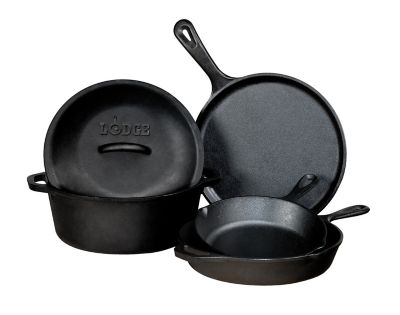
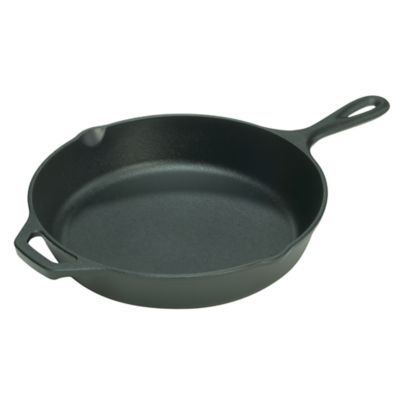
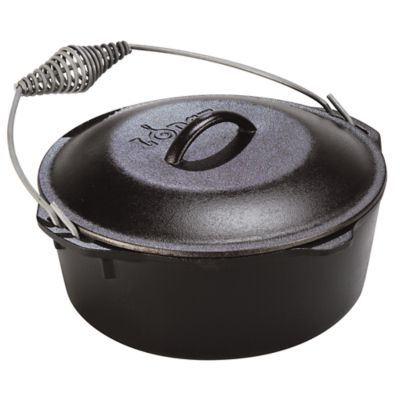
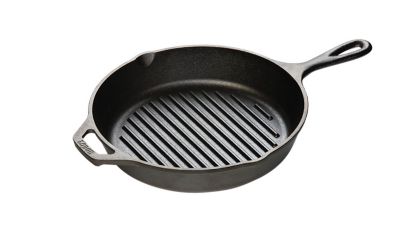
For Thanksgiving camping, versatile cookware such as cast iron skillets, Dutch ovens, and stainless steel pots are ideal. These materials handle open flames and camp stoves well, making them perfect for preparing traditional holiday dishes outdoors.
Can I bring regular kitchen cookware for camping during Thanksgiving?
While some regular kitchen cookware can work, it's recommended to choose camping-specific cookware designed to withstand outdoor conditions. Camping cookware is typically more portable, sturdy, and easier to clean in remote settings.
How do I clean camping cookware after a Thanksgiving meal?
After your meal, allow the cookware to cool before cleaning. Use biodegradable soap and a non-abrasive scrubber with water from your campsite. For cast iron, avoid soap and instead wipe clean or use coarse salt for scrubbing to preserve seasoning.
What features should I look for in Thanksgiving camping cookware?
Look for features like heat resistance, portability, nesting capability for easy packing, and compatibility with both campfires and portable stoves. Non-stick surfaces and easy-to-grip handles also make outdoor cooking more convenient.
Are there specific utensils recommended for Thanksgiving camping cooking?
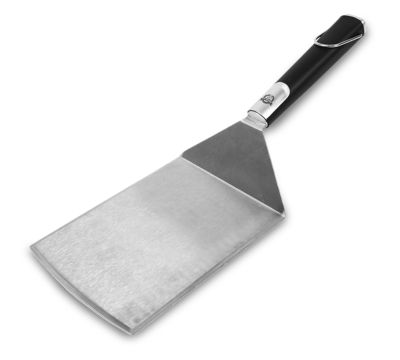
Yes, sturdy utensils such as long-handled spoons, spatulas, tongs, and ladles are helpful when cooking over an open fire or grill. Consider bringing a meat thermometer if you plan to prepare turkey or other meats outdoors.
Best Sellers
-
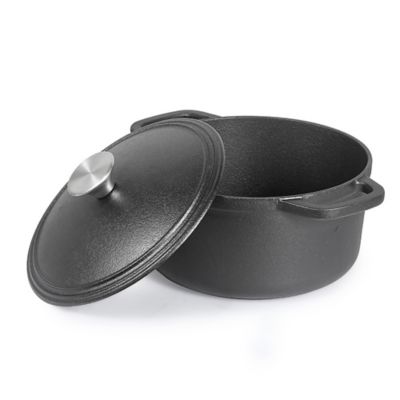
"Great Dutch oven. Well made cook great, preseasoned. Just what I was looking for"
-
"I love it"
-
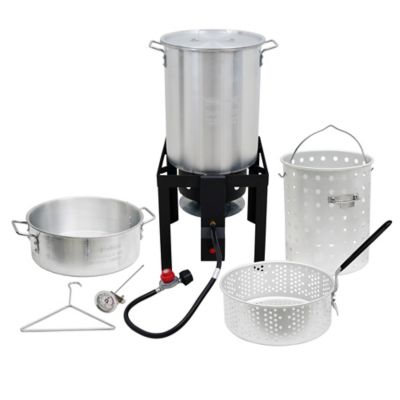
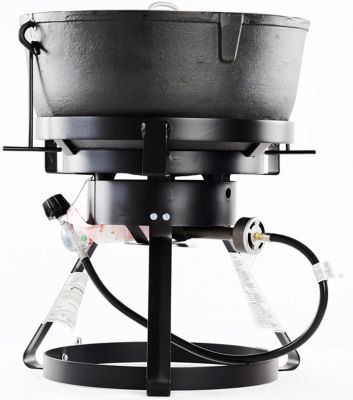
"We have brought several other fryers and this one is by far the best we have purchased"
-
"I received this for Christmas and absolutely love it"
-
"works great we made homemade beef stew over campfire turned out great no sticking easy to clean looking"