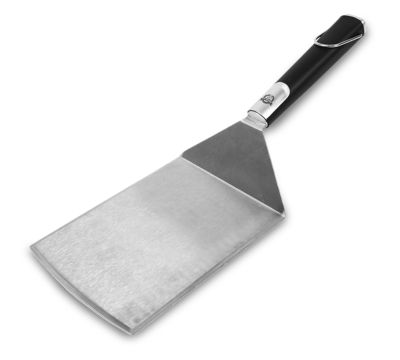
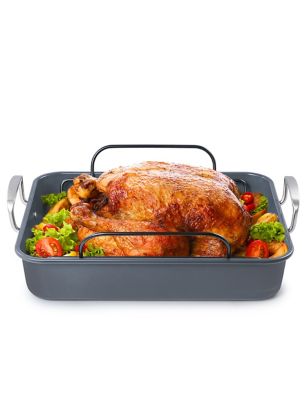
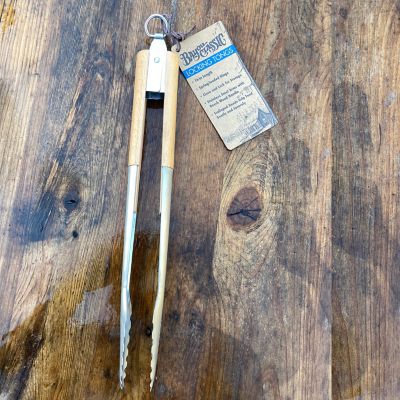
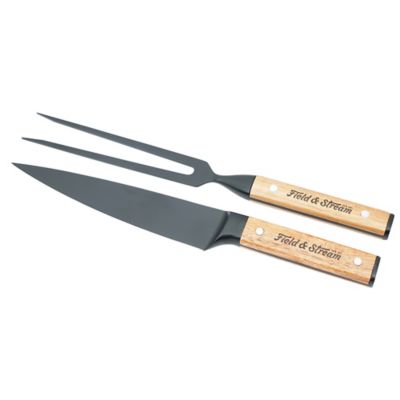
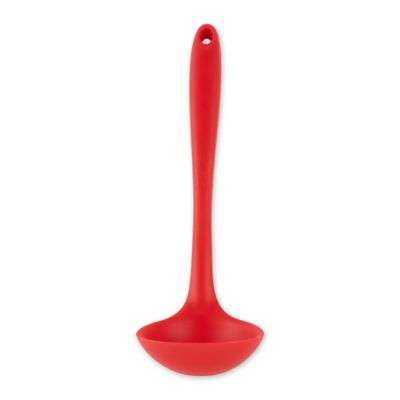
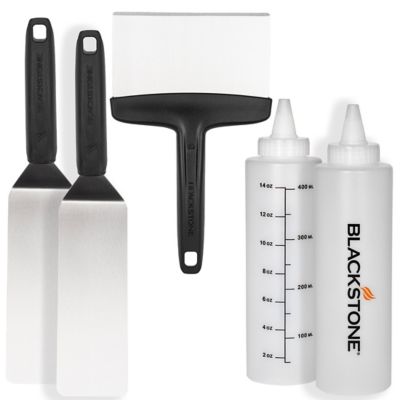
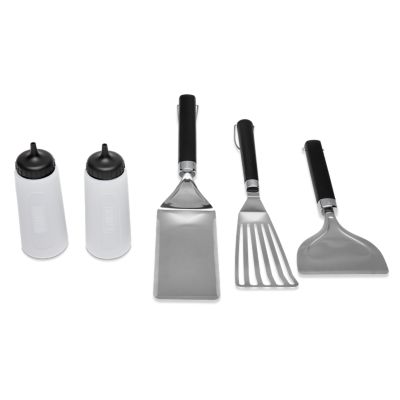
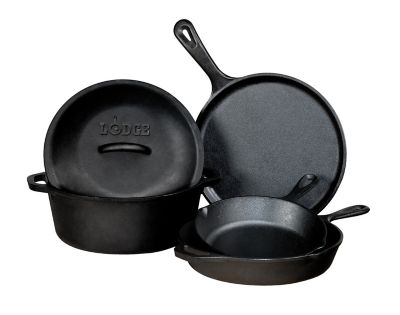
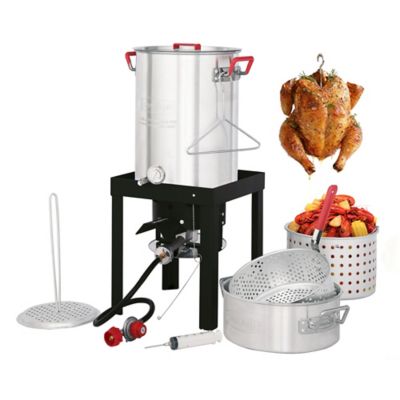
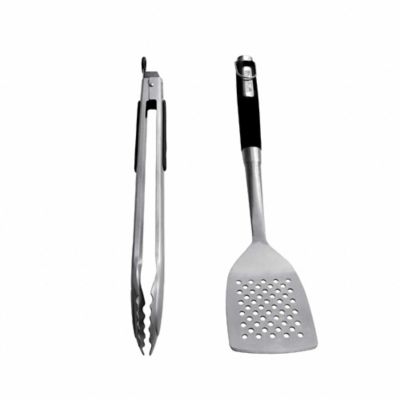
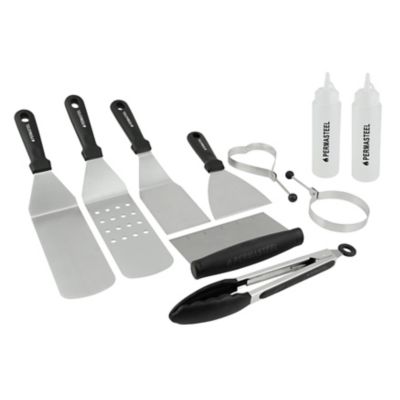
Thanksgiving cooking utensils do a little bit of everything, from working butter into pie dough before breakfast to getting the last of the gravy into a container after supper. What matters most is how the utensils fit the meal. A turkey dinner calls for tools that can reach into a deep pan, check the meat for doneness and hold portions steady during carving. For turkey, a reading of at least 165°F in the thickest part of the breast and the innermost parts of the thigh and wing takes the guesswork out of doneness. Side dishes put different demands on the utensils. A stiff working end gives you some leverage when there’s a full pot of potatoes to mash, while a flexible edge can follow the curve of a bowl and get the last bit of filling into a pie crust. When gravy is bubbling on the stove, the useful shape is one that reaches into the corners of the pan, where flour tends to collect. A broad surface helps lift a portion of stuffing without breaking up the crisp top, while a deeper shape makes sense for spooning pan juices or serving cranberry sauce that’s still loose. Prep utensils come into play well before the turkey goes in, whether there are bread cubes to toss with herbs, dough to roll out or potatoes to keep moving while the butter melts. For a big dinner with several people pitching in, it helps to have separate utensils for raw poultry and for cooked food that’s headed straight to the table. Smaller gatherings may have fewer dishes on the stove, but there’s still a difference between a utensil that works well at the counter and one that passes easily from hand to hand. A cook who’s making the whole meal in one kitchen may care more about those distinctions than someone bringing a single casserole to the family potluck.
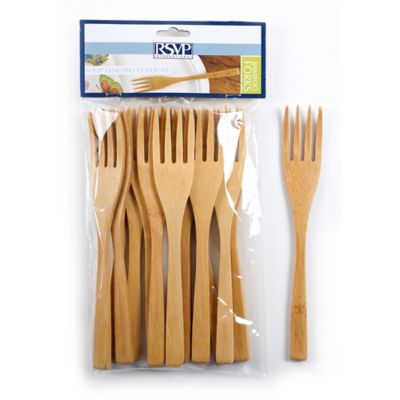
Material makes a difference when a utensil goes from a mixing bowl to a hot pan. Stainless steel is stiff enough for lifting heavier portions or working through a thick potato mash, but a metal edge can scratch nonstick cookware. Silicone can flex against a bowl or coated pan without scratching it, and a firmer core can make a difference when the mixture is thick. Nylon is another option for coated cookware, though it’s worth checking the heat rating on either material before working over a hot burner. Even a heat-rated utensil can get hotter resting against the side of a pan than it does during a quick stir. Wood feels steady in the hand and doesn’t conduct heat the way metal does, which is handy when the sauce needs stirring for more than a minute. It generally fares better with handwashing and a chance to dry completely than it does soaking in a sink full of dishes. A smooth working end and a snug connection at the handle are worth a look, especially on utensils that get washed often or have to lift more than a bite at a time. One-piece construction leaves fewer seams for dough or drippings to settle into. Dishwasher care depends on the whole utensil, not just the part that touches the food. Fit matters just as much as material: A long handle keeps hands farther from steam over a deep pot, while a shorter one gives more control when folding pie filling or serving from a shallow dish. A wider grip can be easier to hold through a whole pot of potatoes, but a heavy handle can tip a utensil out of a small bowl. The width of the working end matters, too. Something broad enough to support a slice of pie may not fit neatly into the corners of a small casserole dish.
Serving utensils have their own jobs once the food leaves the stove. At a table where dishes get passed, a handle that’s easy to grasp and a working end that fits inside the dish can save a fair bit of reaching and dripping. At a buffet, enough handle length to keep the grip above the food comes in handy, especially when the first few helpings leave the dish nearly full. Serving from a deep dish of green beans takes a different shape than lifting a square of cornbread dressing, and a utensil that lets liquid drain away helps keep the beans from soaking everything else on the plate. For dessert, a thin edge can slip under a pie crust, while enough surface underneath helps keep the point of the slice from folding over on the way to the plate. Utensils can make a practical Thanksgiving host gift, especially for someone setting up a first kitchen or taking over the family dinner. The best fit depends on what that person likes to cook: Someone who makes pies for every get-together has different needs than the relative who brings the turkey or keeps the gravy going. For a meal served at a cabin or campsite,
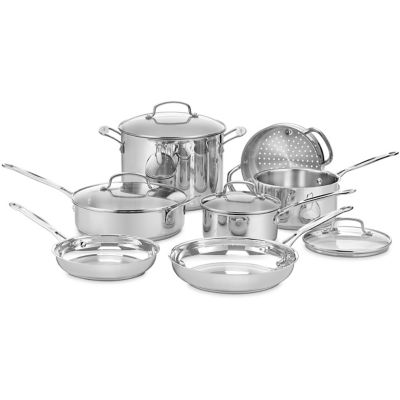
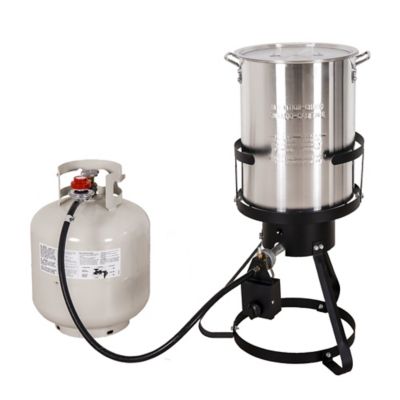
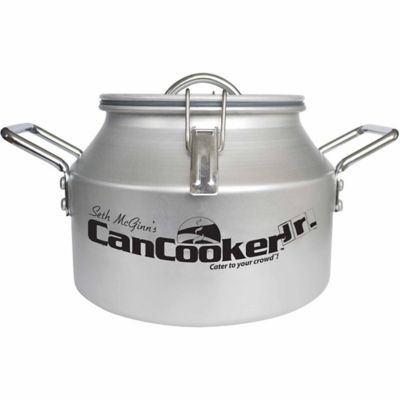
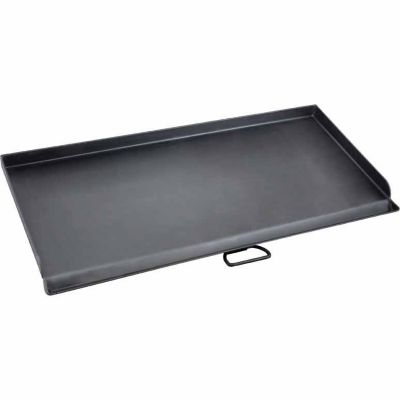
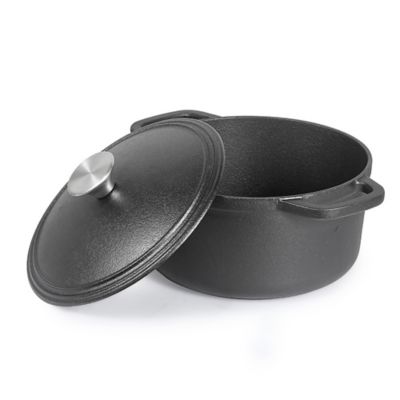
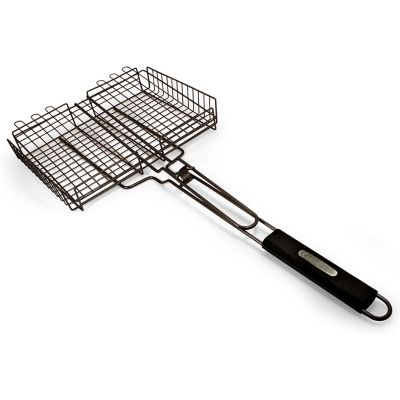
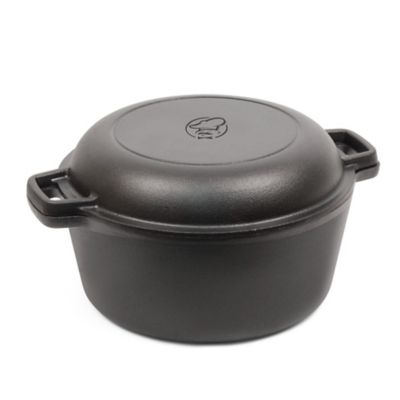
Thanksgiving Camping Cookware is a related consideration, since the size and depth of the cookware help determine which utensils make sense to pack. A long reach can be helpful over an outdoor cooking setup, while a compact handle is easier to tuck into a tote for a dish that only needs serving. Back in the kitchen, a flexible edge that cleaned out the mixing bowl in the morning can do the same job when it’s time to pack up leftover sweet potatoes. Many of the same Thanksgiving cooking utensils earn their drawer space at ordinary family suppers, where there may be just one pan on the stove but the same need to stir all the way to the bottom.