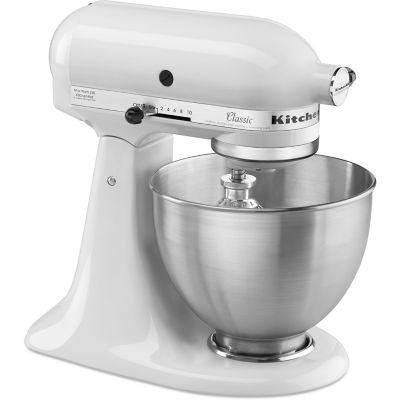
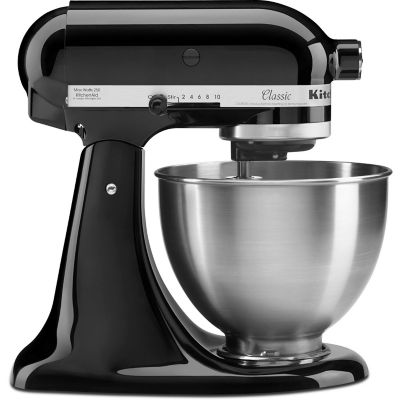
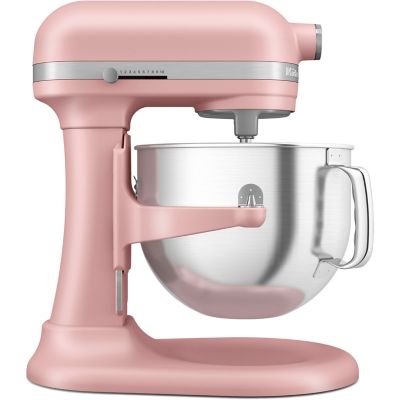
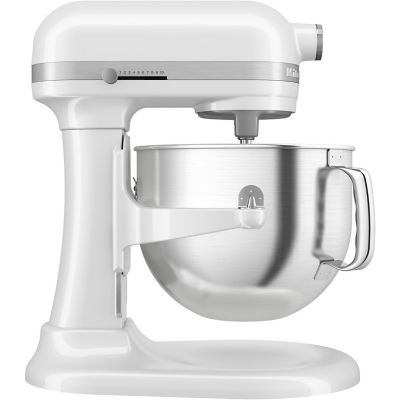
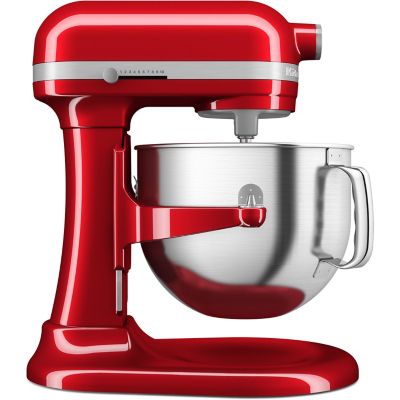
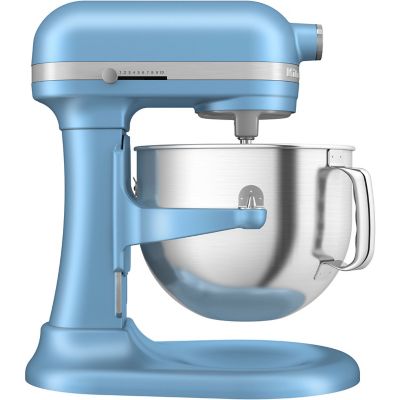
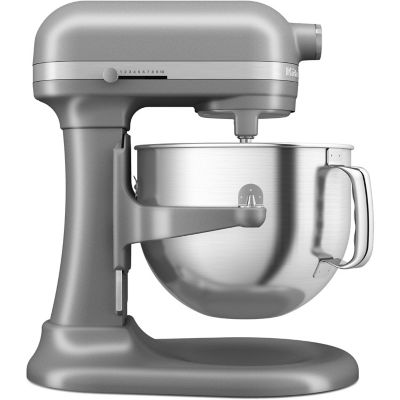
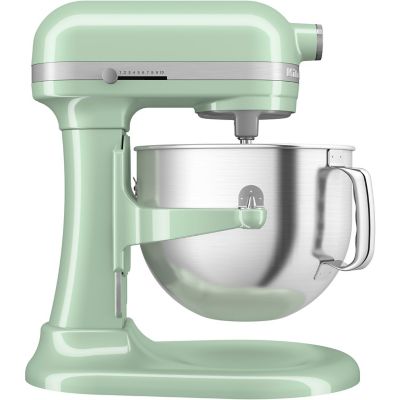
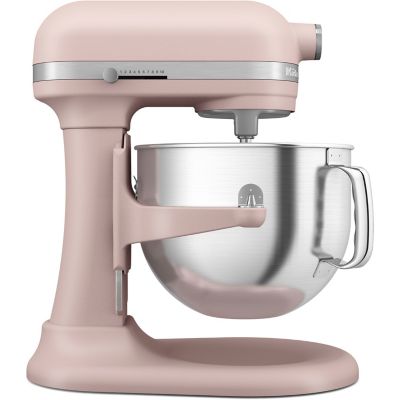
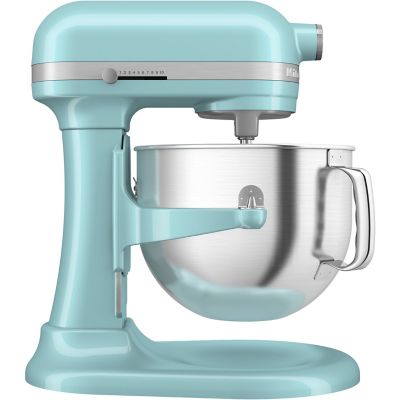
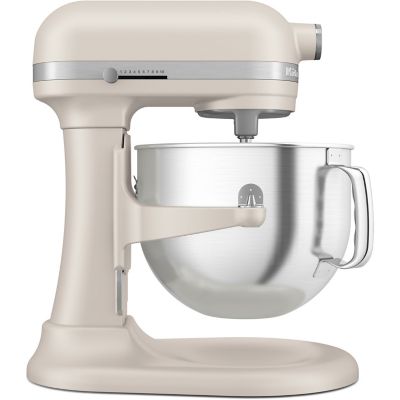
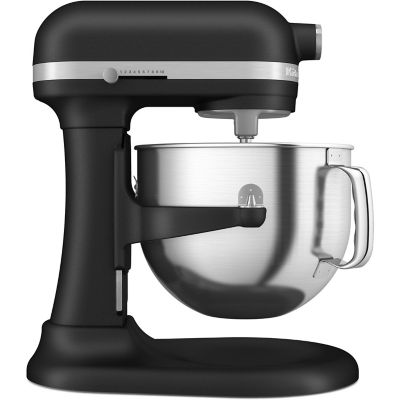
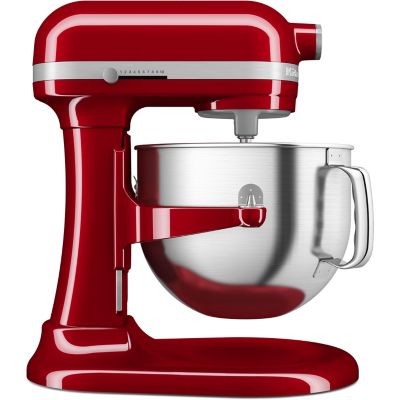
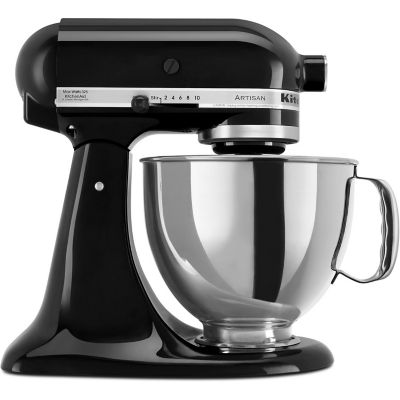
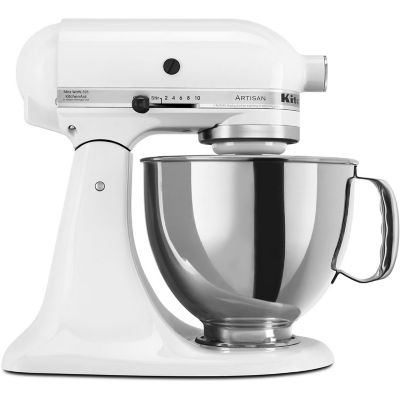
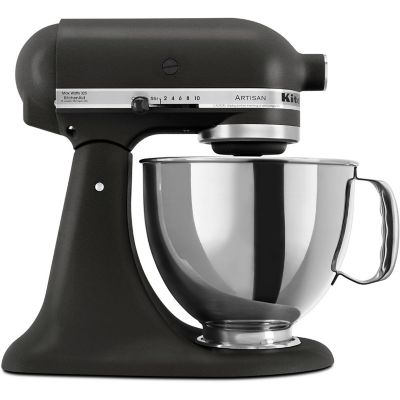
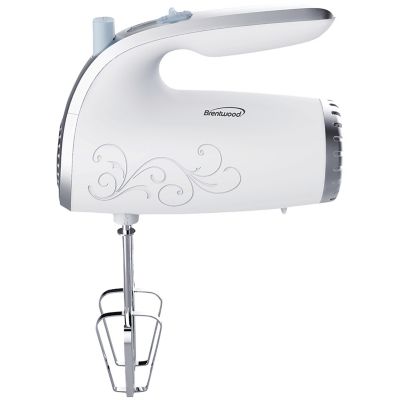
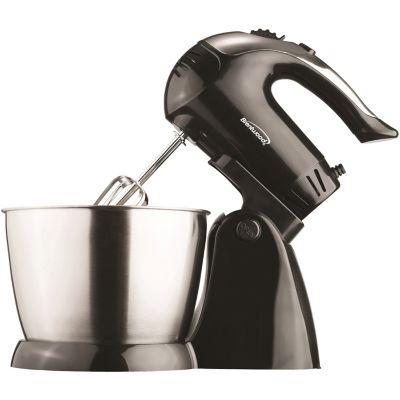
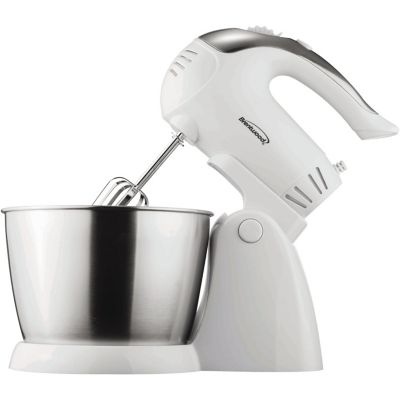
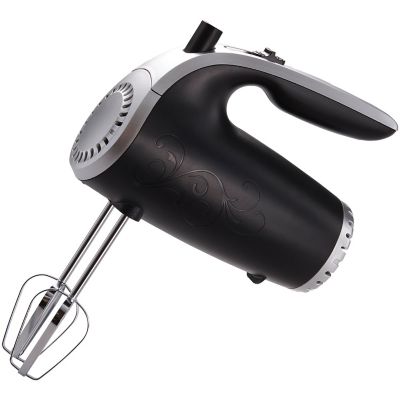
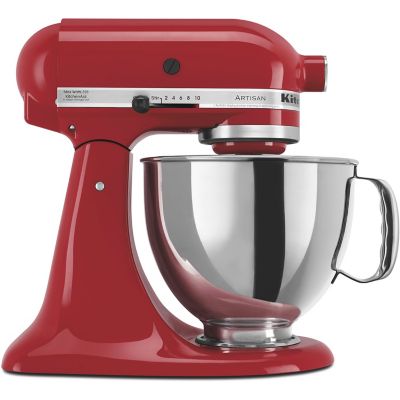
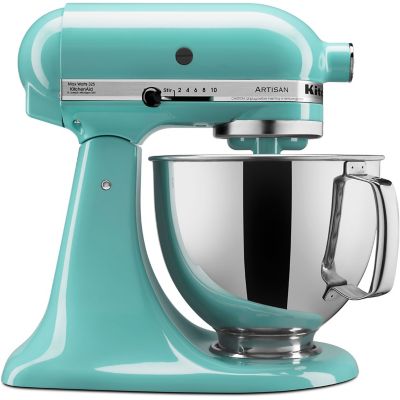
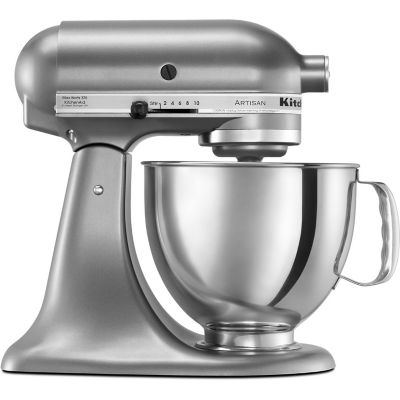
A table top mixer, also called a countertop or stand mixer, can take a lot of the work out of everyday baking and cooking. Set on a sturdy kitchen counter, it uses a motor-driven attachment to blend, beat, whip, and knead while your hands stay free for measuring ingredients, greasing pans, or getting the next batch ready. These mixers are useful for far more than birthday cakes. A flat beater can handle cookie dough, cake batter, mashed potatoes, frostings, and many other soft mixtures, while a wire whip adds air to cream, egg whites, and light batters. A dough hook is made for heavier jobs such as bread dough, pizza dough, rolls, and homemade pasta dough, making it a handy addition for anyone who enjoys baking from scratch. For a busy household, the biggest benefit may be consistency. The mixer keeps ingredients moving at an even speed, helping turn a bowl of butter, sugar, flour, and eggs into smooth dough without the tired arm that often comes with hand mixing. During the cooler months, when the kitchen becomes a favorite place to spend time, a table top mixer can make it easier to prepare warm loaves, cinnamon rolls, biscuits, and other comfort foods. It is also useful during the warmer part of the year for whipping cream, mixing quick breads, and preparing treats for cookouts, family gatherings, and community events.
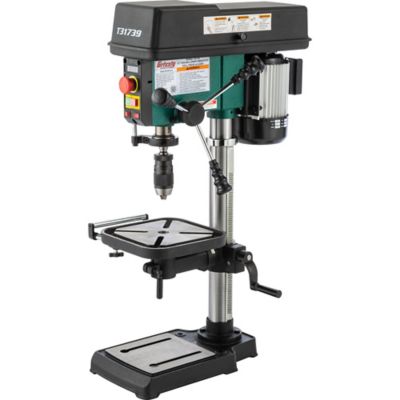
When choosing a table top mixer, start with the batch size you typically make and the amount of counter space available. Compact models with smaller bowls can be a good fit for apartments, smaller kitchens, occasional bakers, or households that usually prepare one cake or a dozen cookies at a time. Larger-capacity mixers are better suited to families, frequent bakers, and anyone who regularly makes double batches or works with several loaves of dough. Bowl capacity is only part of the story, since thick dough puts more strain on the motor than a light cake batter. If homemade bread is a regular part of your routine, look for a mixer built for heavier mixing and a design that stays firmly planted while it works. Tilt-head styles make it simple to lift the mixing head and reach the bowl, scrape the sides, or change attachments. Bowl-lift styles raise the bowl into place and can provide added stability for large or dense batches. Speed settings are another important consideration. Lower speeds help combine dry ingredients without sending flour across the counter, medium speeds are useful for creaming and general mixing, and higher speeds are helpful for whipping. A gradual start feature can make cleanup easier by reducing splatter when the bowl is first turned on. Consider the bowl shape, handle placement, control design, and how easily the attachments can be removed. Stainless steel bowls are durable and easy to clean, while a clear view of the mixing area helps you see whether ingredients are being incorporated evenly. If you are outfitting a work area with several kinds of equipment, you may also find useful options among
Bench Top Tools for projects beyond the kitchen.
A table top mixer can be a practical gift for a new homeowner, a college graduate setting up a first kitchen, a newly married couple, or a relative who enjoys cooking for a crowd. It can also be a thoughtful choice for someone who spends fall and winter weekends baking bread, decorating cookies, or preparing family recipes that have been passed down over the years. Before buying, measure the space where the mixer will live and check the clearance beneath cabinets, especially if the head tilts upward. A mixer that is easy to lift, move, and wipe down is more likely to become part of the daily routine instead of being left at the back of a cabinet. Keep the weight in mind as well: a heavier base may offer better stability, but a lighter design may be more convenient when storage space is limited. Look for clearly marked controls, a bowl that locks securely, and included attachments that match the foods you make most often. Some mixers accept additional accessories for tasks such as shredding, slicing, grinding, or rolling, which can expand their usefulness over time. To help the motor and attachments last, avoid filling the bowl beyond its recommended capacity, add ingredients gradually, and use the proper speed for the mixture. Scrape down the sides only with the mixer turned off, and follow the care directions for the bowl and attachments. With the right capacity, sturdy construction, and attachments for your favorite recipes, a table top mixer can become a dependable kitchen helper for weekday meals, weekend baking, and those big family gatherings where a little extra mixing power goes a long way.