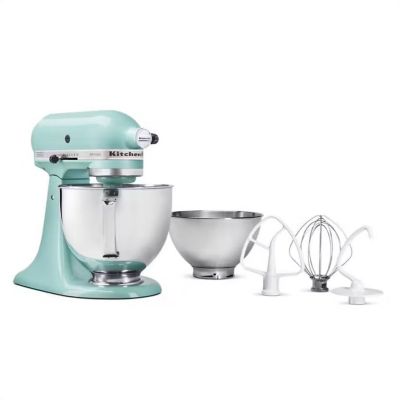
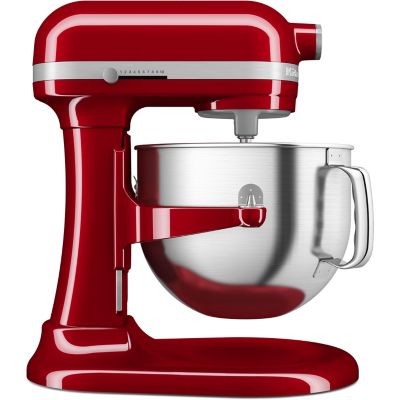
Bread mixing bowls for stand mixers give flour, water, yeast, and salt room to come together before a loaf ever reaches the oven. For a kitchen that turns out sandwich bread, supper rolls, or pizza dough, the bowl is more than a container: its shape and fit help the dough hook work through the mixture while keeping the batch contained. Bread dough puts different demands on a bowl than cake batter does, especially once a shaggy mixture gathers into a firm mass and starts pulling against the hook. A bowl that seats properly on the mixer base or support arms helps keep that work steady. Fit is the first consideration, since bowls with the same listed capacity can have different bases, mounting points, heights, and rim shapes. Tilt-head and bowl-lift mixers attach their bowls differently, and compatibility can vary within each style. The mixer’s model information and the bowl’s stated compatibility matter more than a similar-looking shape or a matching quart size. The dough hook also needs to match the mixer and bowl combination so it has the intended clearance. Capacity deserves a closer look, too. A roomy bowl can make flour additions less cramped, but extra space does not increase the mixer’s recommended dough limit. A stiff dough for bagels or a flour-heavy whole-grain loaf may place more strain on the machine than a softer dough of similar size. For households baking a loaf or two at a time, a manageable bowl can be easier to handle than one chosen simply for its size. Bigger batches call for attention to both bowl capacity and the mixer’s instructions. Handles, rim shape, and the space beneath the mixer head also affect everyday comfort. Those details become noticeable when lifting dough onto a floured board, scraping down the sides, or carrying a bowl to the sink with flour still clinging to the rim. The best fit for the kitchen is a bowl that suits both the machine and the amount of bread normally made.
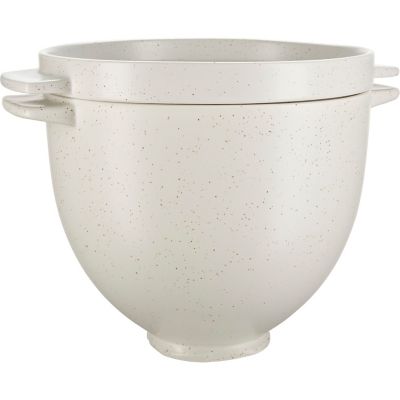
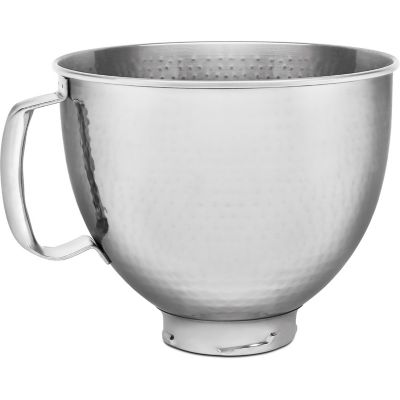
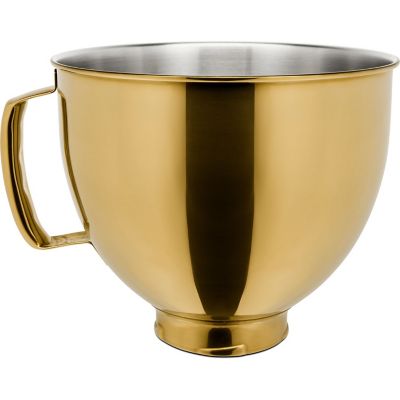
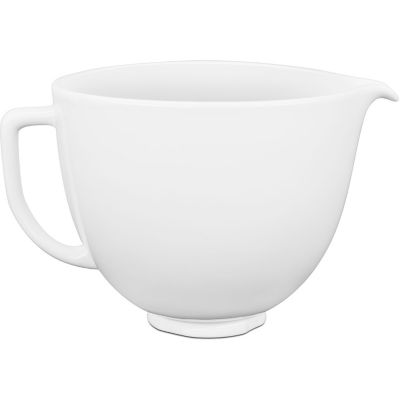
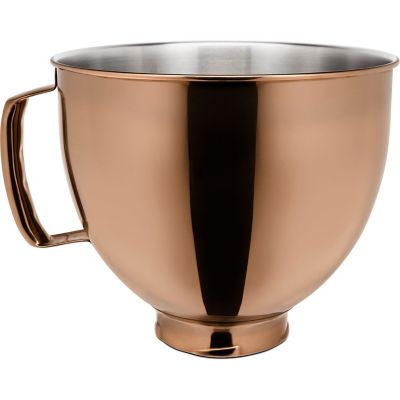
Material changes how a mixing bowl feels in the hand, how much it weighs, and what kind of care it needs between batches. Stainless steel is a common choice for bread mixing because it handles routine kitchen knocks well and generally weighs less than a comparable glass bowl. Its smooth interior makes sticky dough and flour paste easier to scrape away, although surface marks can still develop with everyday handling. Glass offers a clear view of the mixture, which can be handy when checking whether dry flour remains near the bottom or watching dough gather around the hook. That visibility comes with added weight, especially once the bowl holds a full batch. Ceramic can bring a different feel to the counter, with a substantial body and a glazed surface, but its weight and care requirements deserve attention before it becomes the everyday bread bowl. With glass and ceramic, chips, cracks, and sudden temperature changes are concerns; oven, microwave, or freezer suitability should never be assumed. A bowl intended for mixing is not automatically a baking vessel. Dishwasher compatibility also varies by material, finish, and design, so the care directions for the bowl should settle that question. Handwashing can make it easier to clean around a mounting base, handle joint, or other spot where dough collects. Bread dough has a way of drying into a stubborn crust along the upper walls and rim, making timely cleanup worthwhile. A soft sponge and a suitable utensil for scraping help protect the surface, while abrasive pads can leave scratches or damage a finish. When comparing bowls, consider how easy each one will be to lift, rinse, and dry in the sink already in the kitchen. A broad handle may be comfortable for carrying, but it also needs enough clearance around the mixer. Smooth rims and accessible interiors simplify cleanup. For storage, a secure shelf or cabinet space helps prevent bumps and keeps heavier bowls from becoming a nuisance every time bread is on the menu.
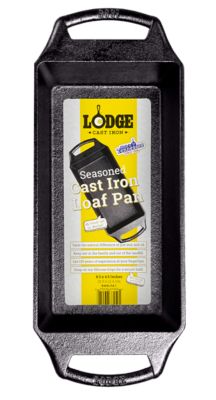
The right bread mixing bowl earns its place through the ordinary rhythm of home baking: a batch of rolls for Sunday supper, sandwich loaves for lunches, or pizza dough stretched across a floured counter while everyone chooses toppings. Someone learning to work with yeast may appreciate a bowl that is easy to lift and scrape, while a regular bread baker may value an extra compatible bowl for keeping separate batches moving. Having another bowl can also keep a mixer ready for a second task without requiring the first batch to be transferred immediately, provided the dough has enough room and the bowl is suitable for the intended holding time. Mixing and rising are different jobs, though, and dough that expands beyond a bowl’s working space may be better transferred to a separate covered container. A bowl’s listed volume does not mean it should be filled to the rim with dough. For recipes with butter, eggs, seeds, or other additions, enough working room helps contain the mixture as ingredients are incorporated. A handle can be especially helpful when tipping a sticky dough onto the counter, while a straightforward interior shape makes the last stretch of dough easier to gather with a scraper. These are practical details for cooks feeding a family, making bread to share with neighbors, or keeping a steady baking routine alongside the rest of the day’s work. A compatible mixing bowl can also make a thoughtful gift for a home baker who already owns a stand mixer, but the machine’s model and attachment style should be confirmed before choosing. Useful companion pieces, such as dough scrapers, loaf pans, and measuring tools, can round out that baking setup without making the counter feel crowded. The broader selection of
Bread Baking Equipment for Home Bakers offers a place to consider those needs alongside the mixing bowl. Whether bread is an occasional supper project or part of the weekly routine, a well-matched bowl supports the work from the first flour addition through the final scrape onto the board.