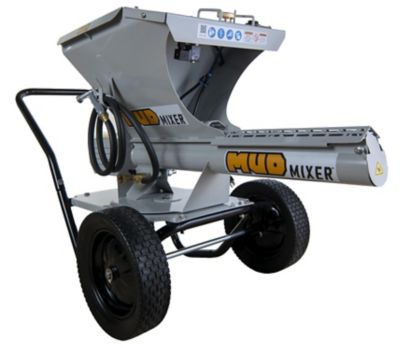
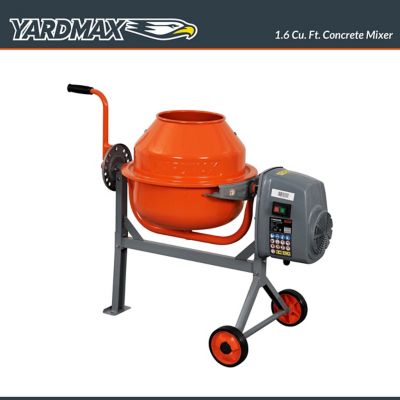
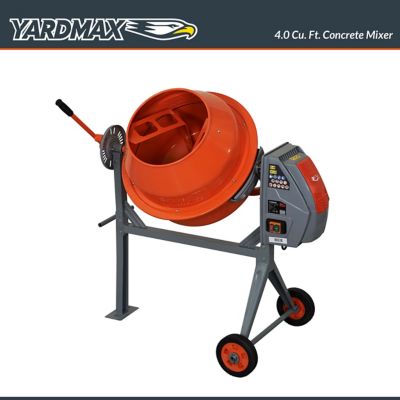
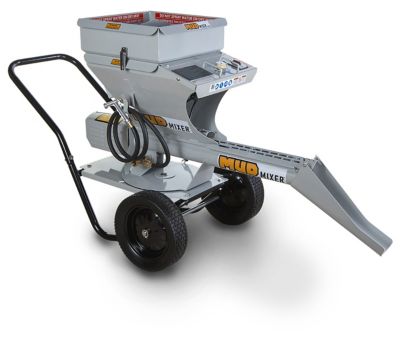
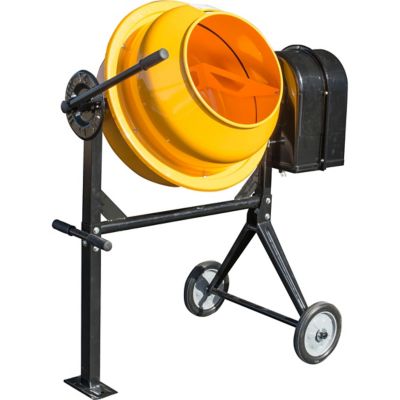
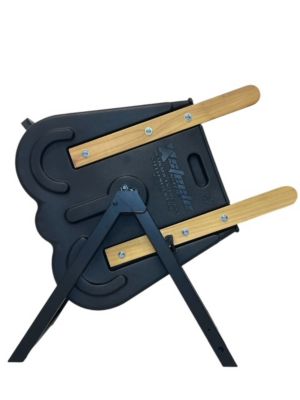
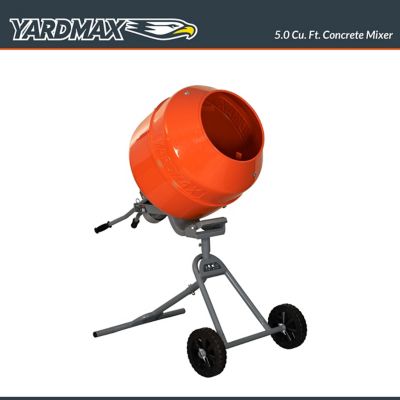
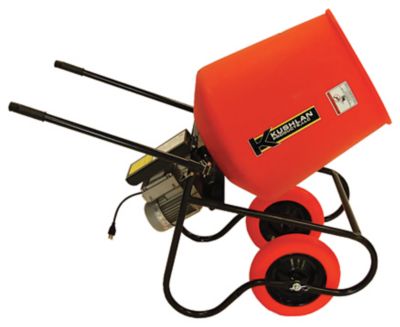
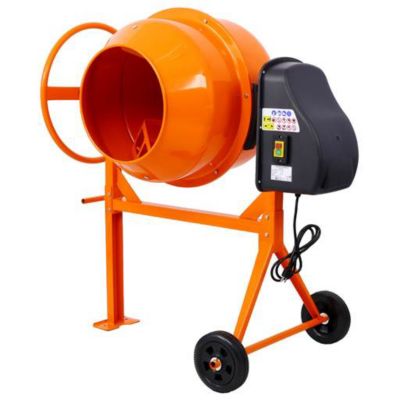
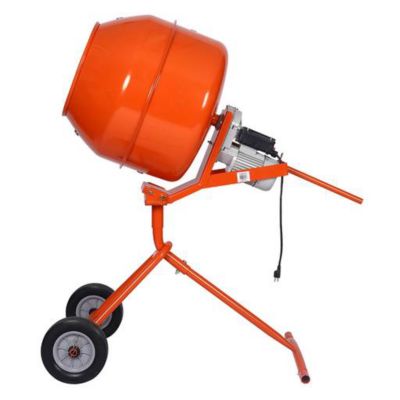
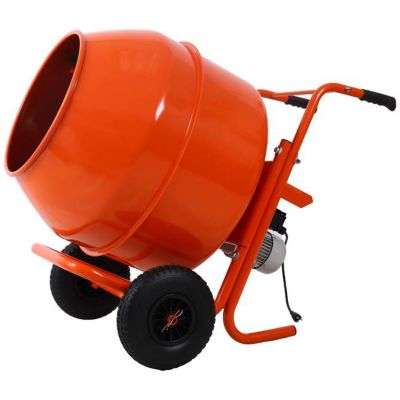
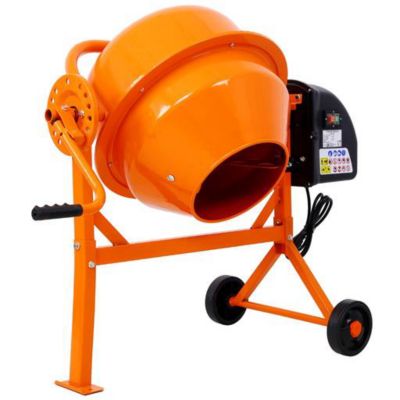
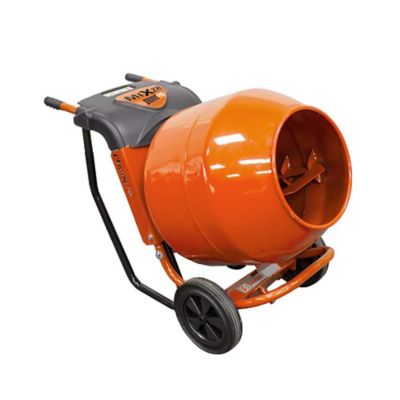
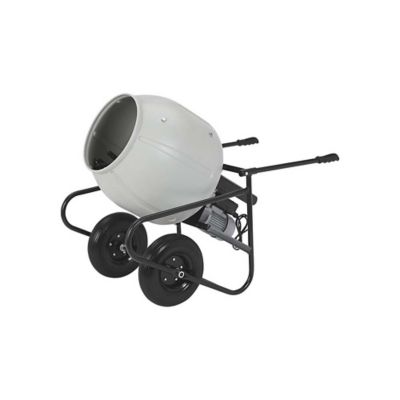
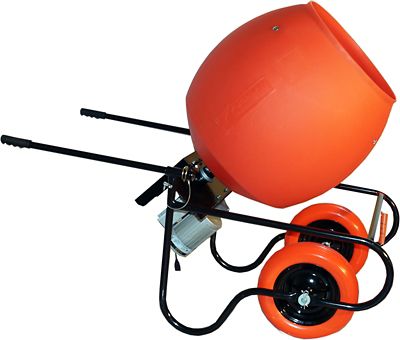
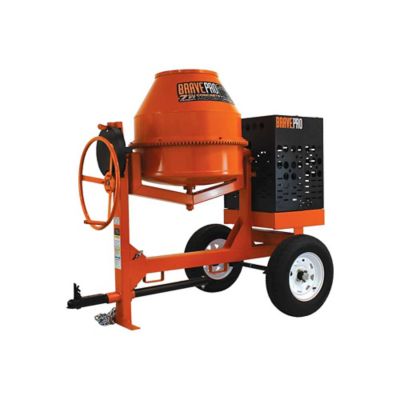
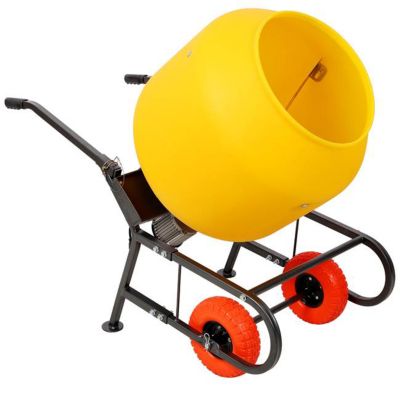
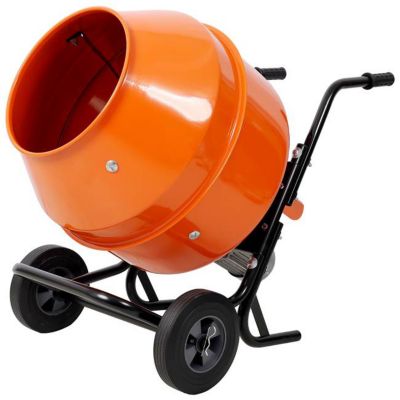
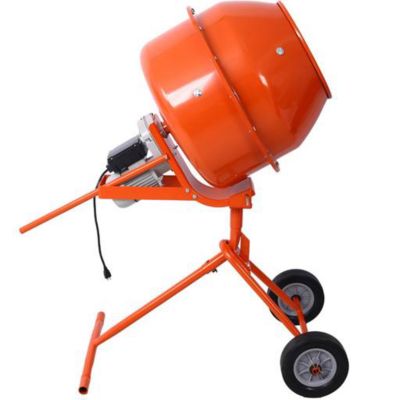
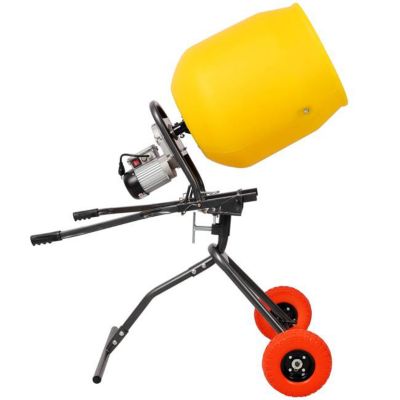
Concrete mixers blend cement, sand, gravel and water into fresh concrete for pours around the home, farm and jobsite. Their rotating drums lift and tumble the ingredients, helping distribute the cement paste throughout the aggregate while cutting down on the effort of mixing batch after batch by hand. Often called cement mixers, these machines handle concrete, which contains cement as its binding ingredient rather than cement alone. For a property owner setting fence posts, a rancher adding a small equipment pad or a contractor pouring sections of a walkway, a mixer makes repeated batches more manageable. The right size depends on both the amount of concrete needed and how quickly the crew can place and finish it. A large drum is not always the best match for a small crew working along a narrow path, and a compact mixer can mean too many batches for a bigger pour. Drum volume and working batch capacity are different measurements: the drum needs open space for the material to tumble, so its total volume is not the amount of concrete it can produce in one batch. Manufacturer-rated mixing capacity is the useful figure when estimating output, along with any stated limits on bag size or batch weight. Portable electric concrete mixers are a practical fit for work near a suitable power source, while gas-powered mixers offer more flexibility where electrical service is out of reach. Hand-operated designs can suit smaller tasks without a motor, though their output depends on the operator’s effort. Larger equipment serves crews that need higher production, but steady output matters just as much as drum size. A mixer that matches the pace of loading, hauling and finishing helps keep the work moving without leaving fresh concrete sitting longer than necessary. From a gatepost footing to a small shed slab, the goal is a workable batch that the crew can get into place while it is still ready to handle.
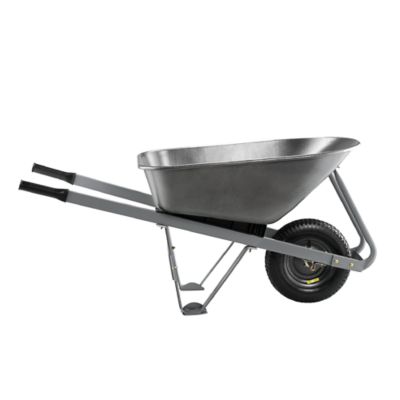
Drum construction, frame strength and the way a mixer loads and empties all affect how it fits into a day’s work. Steel drums are common, with shell thickness, welds and finish worth considering for repeated contact with abrasive sand and stone. Some mixers have polymer drums, which resist rust and may shed residue more readily, though care requirements and limits vary by design. Inside the drum, mixing blades help lift the material as it rotates; their shape, attachment points and condition influence how well the batch tumbles. A concrete mixer should also suit the material being mixed, since equipment intended for mortar is not automatically suited to coarse aggregate. Tilting mechanisms, handwheels and drum locks matter when a full batch needs to come out under control rather than all at once. The discharge height needs to work with the container receiving the concrete, leaving enough room to position it without awkward lifting. Pairing a mixer with
Construction Wheelbarrows helps connect the mixing area to post holes, forms and other places the machine cannot reach directly. Wheel size, axle placement and handle position affect how easily a portable mixer travels over packed gravel or through a barn doorway. A towable design has different transport requirements from a mixer with wheels intended only for movement around a work area; road towing depends on the manufacturer’s ratings, hitch requirements and applicable rules. Electric models need a power supply that matches their voltage and current requirements. Many smaller electric mixers connect to a standard 120-volt outlet, but the motor rating, circuit capacity and manufacturer’s extension-cord limits still matter. Gas-powered equipment requires safe outdoor operation because engine exhaust contains carbon monoxide. Whichever power source fits the job, a stable frame, intact guards and accessible controls help support operation without putting hands or tools near moving components.
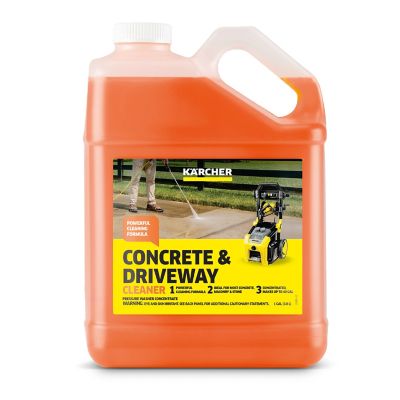
Concrete mixer ownership also means planning for cleanup, storage and routine service, not just the pour itself. Concrete residue is much easier to remove before it hardens, and buildup inside the drum can reduce working space, interfere with mixing and add unnecessary weight. Prompt cleaning according to the manufacturer’s directions helps preserve the drum and blades without damaging finishes, seals or drive parts. Any task that involves reaching into the drum, scraping material or servicing the machine calls for shutdown and isolation from its power source as directed in the operating manual. Concrete wash water is alkaline and contains solids, so cleanup needs a contained area rather than a route into a ditch, storm drain or nearby waterway. Bearings, belts, gears, fasteners and engine components have different service needs depending on the mixer’s design, making access to maintenance points an important ownership consideration. Storage space matters, too: a mixer needs a place where the drum can drain and dry and where the motor and controls stay protected from moisture. For occasional property projects, manageable weight and a small footprint may carry more value than high output. For farm maintenance crews and contractors, service access, transport convenience and the ability to produce repeated batches can be more important. The materials going into the drum still determine the finished concrete’s suitability for its purpose. Packaged mixes have their own water amounts and intended applications, while site-batched concrete needs a suitable mix design; adding extra water simply to make unloading easier can weaken the finished result. Aggregate size must also fall within the mixer’s stated limits. Cement dust, splashes and heavy bags make eye protection, suitable gloves, dust precautions and sensible lifting practices part of the setup. A well-matched concrete mixer earns its place through everyday usefulness: turning bags and aggregate into manageable batches, fitting the available workspace and keeping pace with the people placing the concrete. Whether the work involves anchoring fence posts, repairing a small section of pavement or building a pad beside the shop, those practical details matter long after the first batch leaves the drum.