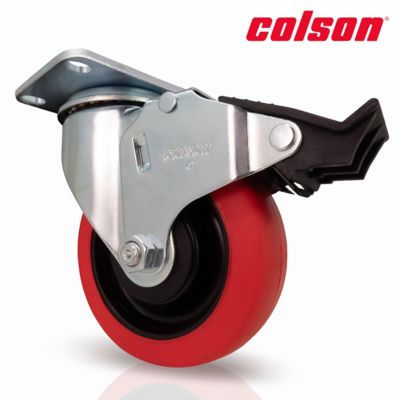
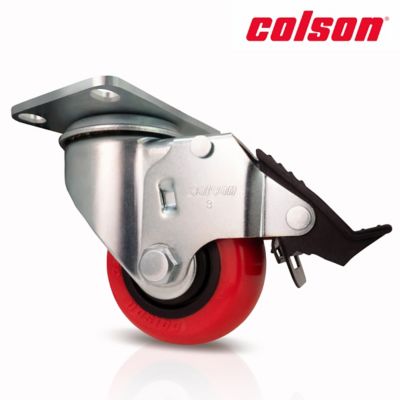
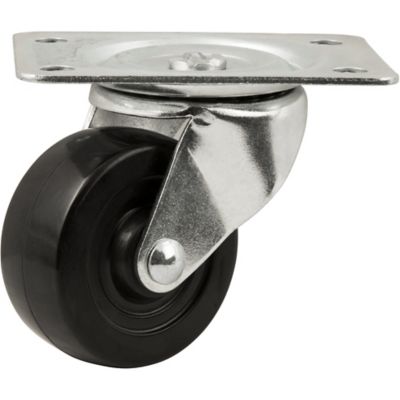
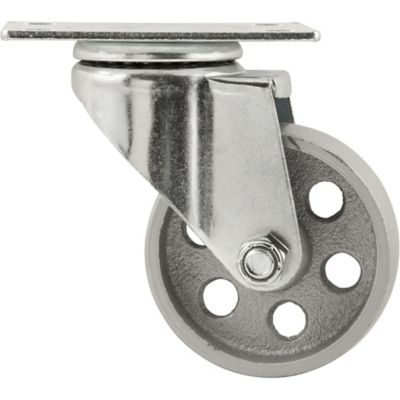
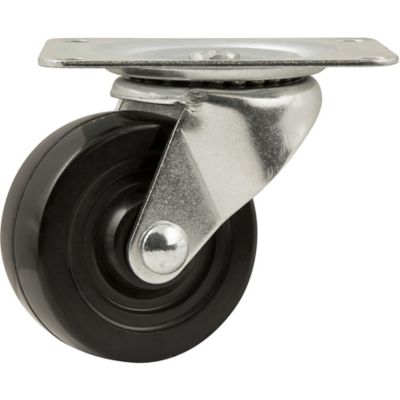
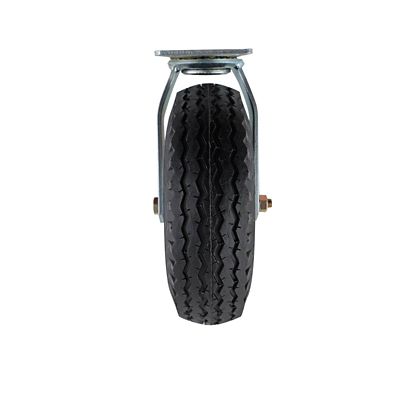
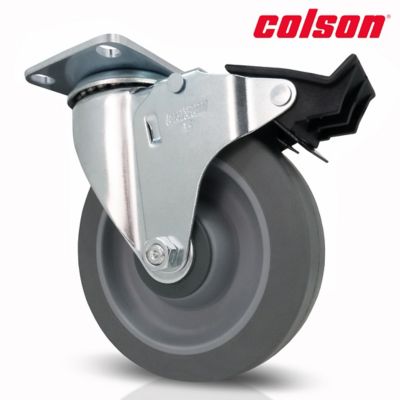
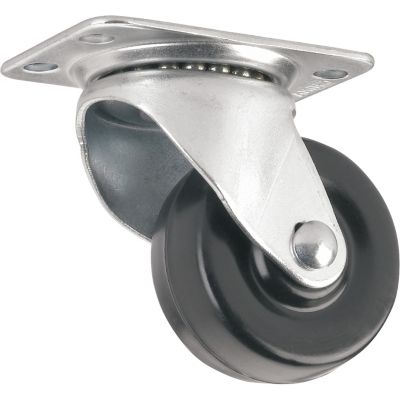
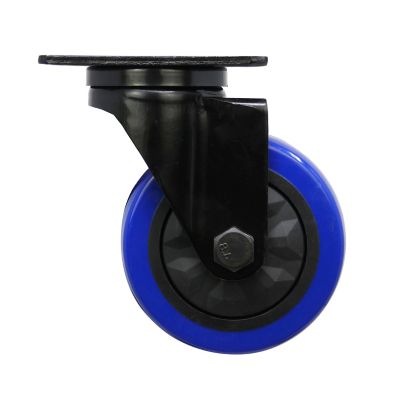
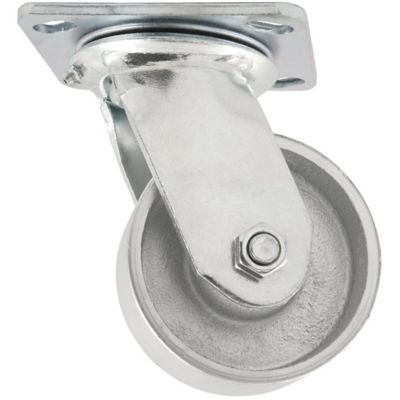
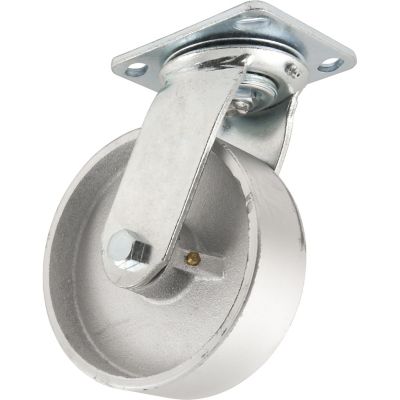
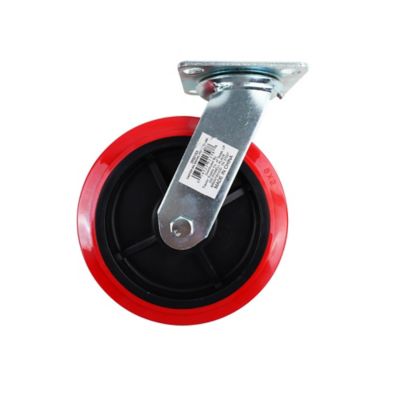
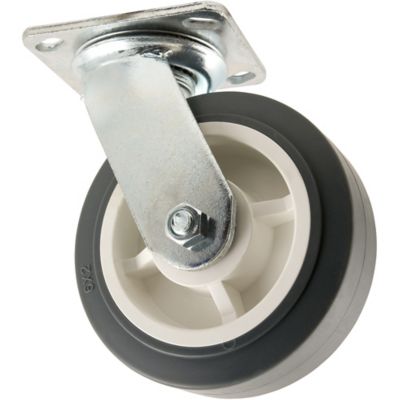
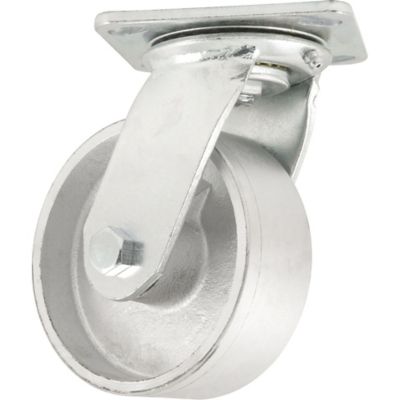
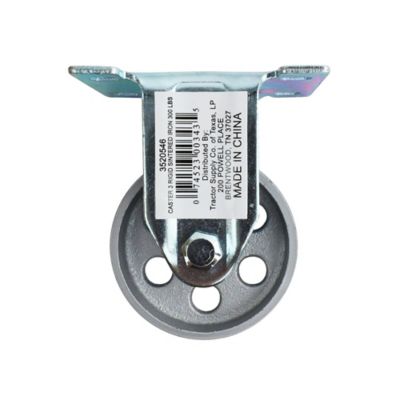
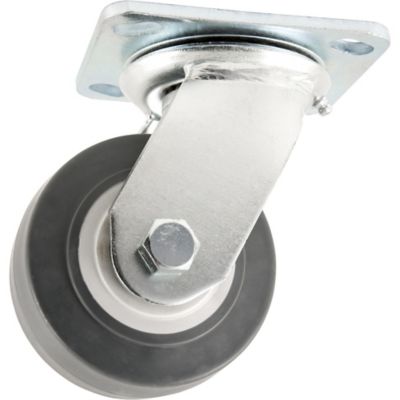
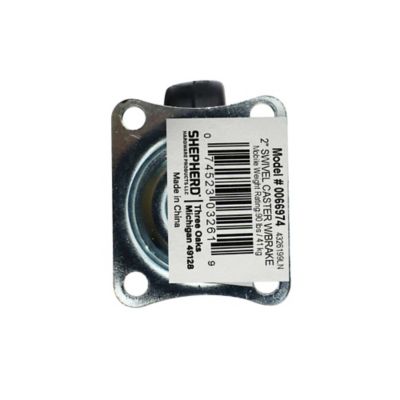
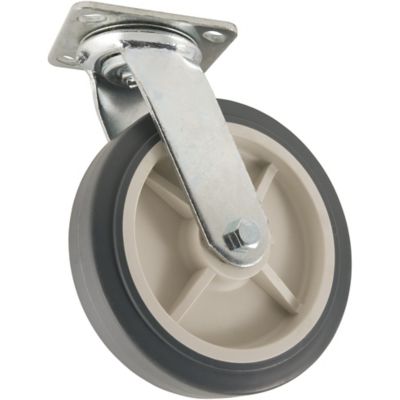
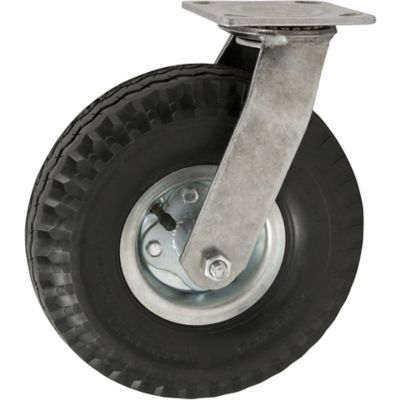
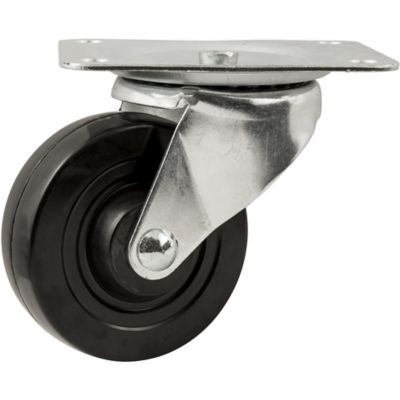
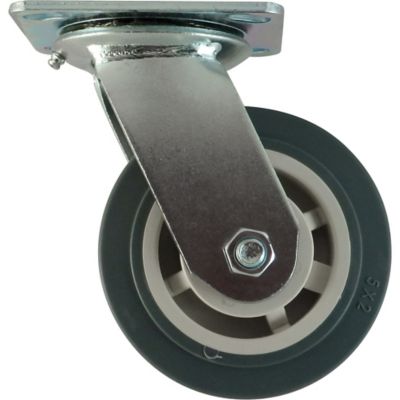
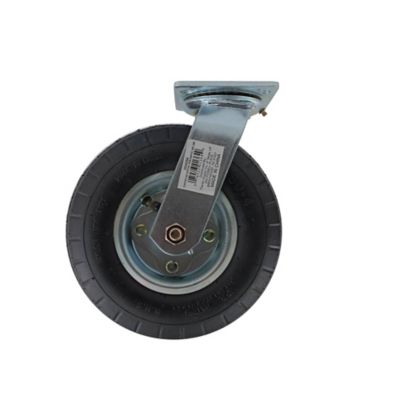
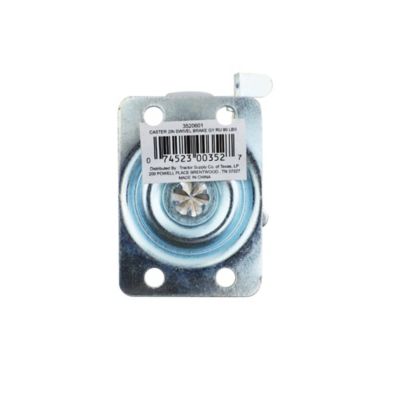
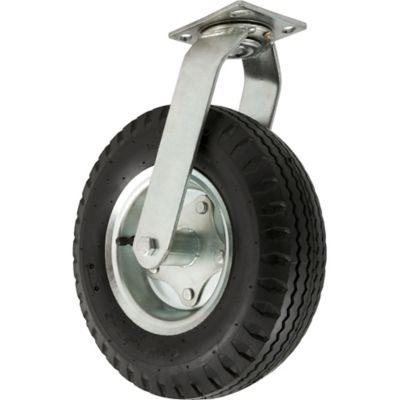
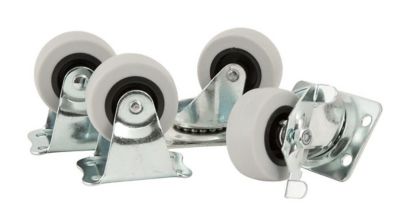
Swivel plate caster wheels are wheel assemblies with a flat mounting plate and a fork that swivels 360 degrees beneath it, allowing carts, workbenches, and other movable equipment to change direction without being lifted. The plate fastens to a flat surface on the bottom of the equipment, while the wheel rolls and the swivel mechanism turns to follow a push or pull. That combination comes in handy wherever floor space has to do double duty: a shop bench that moves aside for equipment repairs, a parts cart that follows a job across the barn, or a storage rack that rolls away from the wall for cleaning. Plate-mounted casters spread force across a broader attachment area than a single mounting stem, though the strength of the installation still depends on the mounting surface and fasteners. An all-swivel arrangement allows movement sideways and around tight corners, making it practical for crowded work areas. A combination of swivel and rigid casters can make a cart easier to steer along a straight path, especially when moving loads down an aisle. Wheel diameter, tread width, and swivel clearance all affect how that setup handles. Larger wheels generally cross small floor joints and minor obstacles more easily than smaller wheels of similar construction, but they also raise the equipment. Overall caster height matters just as much as wheel diameter when keeping a work surface comfortable or fitting a cart beneath a shelf. The turning fork and brake pedal also need room to clear legs, braces, and nearby wheels. Brakes add another consideration: a wheel brake stops wheel rotation, while a total-lock design generally locks both the wheel and the swivel, according to its specifications. Neither style replaces leveling feet, anchoring, or other supports when the equipment manufacturer calls for them. For a bench that needs to roll into position and then stay put, the right combination of steering, braking, and working height matters more than wheel size alone.
Wheel material makes a noticeable difference in rolling effort, sound, floor contact, and resistance to wear. Rubber treads can cushion a load and soften the rattle of a cart crossing a concrete joint, which is helpful when carrying tools or parts that should not bounce around. Softer treads may take more effort to push under a heavy load, and some rubber compounds can leave marks, so a non-marking designation matters on finished floors. Polyurethane wheels often balance load support with a quieter ride than hard metal wheels, although performance varies with tread hardness, construction, and the surface beneath them. Thermoplastic rubber can provide cushioning and quieter travel for lighter-duty carts and movable storage. Hard nylon, phenolic, and metal wheels have their own places in work settings, but a harder wheel is not automatically a better match for a rough floor. Hard treads can transmit more vibration and may damage certain floor finishes. Metal chips, loose gravel, cracks, and floor seams all influence the choice, as do contact with grease, oil, or cleaning chemicals. Material compatibility should come from the caster specifications rather than appearance alone. Load capacity is equally important, and it includes the weight of the cart or bench plus everything it carries. A common conservative starting point for a four-caster setup is to divide that combined weight by three, allowing for uneven floors that may leave one wheel carrying little weight. For example, a cart and its contents weighing 600 pounds would call for at least 200 pounds of capacity per caster under that calculation, with additional allowance for operating conditions and the manufacturer's requirements. This is a planning example, not a rating for any particular caster. Impacts at thresholds, frequent movement, and uneven loading can require greater capacity. The complete assembly rating matters, too: a strong wheel does not raise the limits of its fork, bearings, mounting plate, or attachment points. Keeping the load balanced and low also helps a loaded cart feel steadier through a turn.
Fit starts with more than matching the outline of the mounting plate. Plate length and width, bolt-hole spacing, hole diameter, overall height, and the distance needed for a full swivel all need to suit the equipment. A replacement caster with the same wheel diameter can still have a different mounting pattern or leave a bench sitting at an awkward angle. On wood bases, sound framing or suitable reinforcement gives fasteners something solid to hold; a thin panel alone may not support the forces created when a loaded cart changes direction. Steel frames likewise need an attachment method that matches their construction and intended load. Mounting hardware should follow the equipment and caster manufacturers' requirements, including bolt size, washers, and locking provisions where specified. Those details are worth checking whether the wheels are going beneath a feed-room cart, a garage cabinet, or a movable assembly table. Across the broader
Caster Wheels category, swivel plate designs offer one mounting style among several, so the existing attachment points are a useful starting point when comparing options. Once installed, regular attention helps preserve smooth rolling and predictable steering. String, baling twine, hair, and other debris can wind around an axle and increase drag; grit caught in a swivel race can make a cart harder to turn. Cleaning methods and lubrication should match the assembly, since sealed bearings and serviceable bearings have different care requirements. Brake surfaces and treads should stay free of grease, and cleaners need to be compatible with the wheel material. Loose mounting bolts, cracked tread, bent forks, excess side play, and flat spots are signs that the setup needs attention before another loaded trip. A cart that suddenly takes more effort to push may have a dragging brake or obstructed wheel rather than simply a heavier load. For mechanics, property owners, and anyone keeping a busy workspace organized, well-matched swivel plate casters make everyday movement less of a wrestling match while keeping the equipment suited to the job.