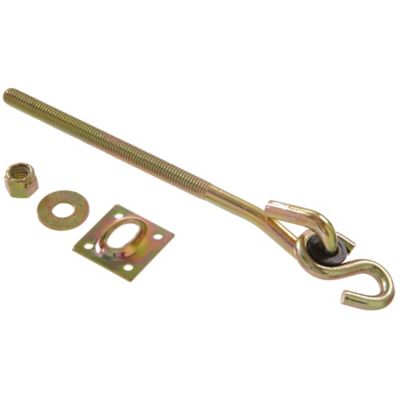
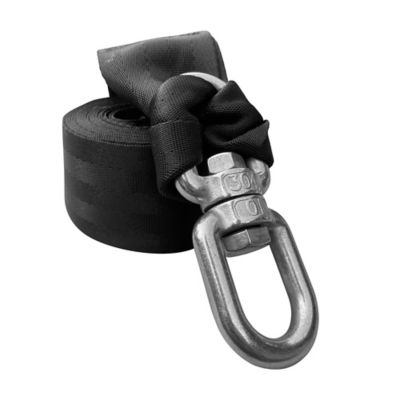
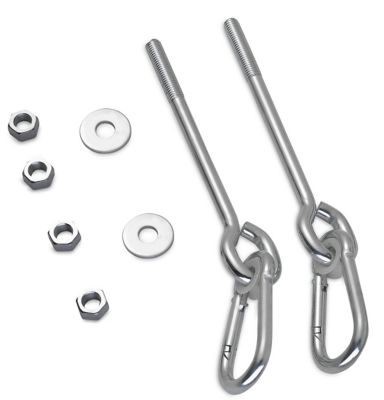
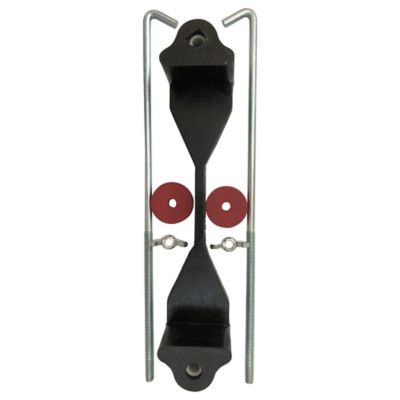
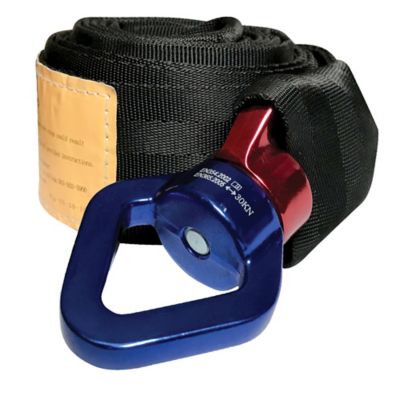
Swing hook kits are a handy way to add a porch swing, hammock chair, hanging seat, or other suspended outdoor fixture when there is a sound overhead support to work with. These kits commonly include heavy-duty metal hangers, mounting hardware, and features designed to help the hanging motion stay steady and quiet. Depending on the setup, a kit may use a lag-screw hanger that threads directly into an exposed wood joist or beam, or a bolt-through style that passes completely through a substantial support and is secured on the opposite side. Some include nylon bushings or inserts that help reduce metal-on-metal squeaking as the swing moves back and forth. Protective finishes such as zinc plating or yellow chromate can also help the hardware stand up to damp air, changing temperatures, and everyday outdoor use, though no finish replaces regular inspection. Load ratings vary by design, so compare the listed safe working load with the full weight of the swing, chains or rope, cushions, and everyone who may use it at one time. A sturdy porch swing can feel deceptively light until it is occupied, and the gentle motion creates additional force on the hanging points. Choosing hardware with an appropriate capacity gives you a better margin for comfortable, dependable use. Before purchasing, consider the support material, the thickness and width of the beam, the spacing between mounting points, and whether the included hardware matches the project. Kits intended for solid wood are not automatically suitable for metal framing, masonry, drywall, beadboard, or a hollow ceiling. If you are comparing related hardware for another project, you can also browse
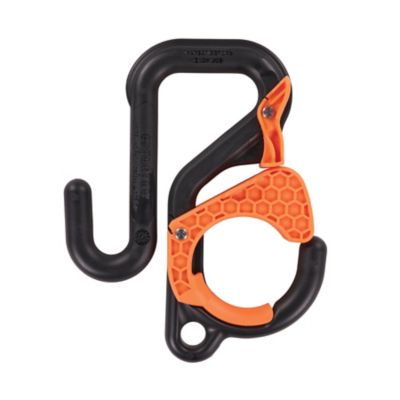
Metal Hooks for additional hanging and fastening options. Taking a few minutes to match the kit to the structure can save a lot of trouble later, especially when the swing will be used by children, older family members, or guests who may not know the limits of the installation.
The most important part of any swing hook project is the overhead support. Mount each hanger into the center of a strong, load-bearing joist, rafter, header, or beam rather than fastening only into drywall, thin paneling, decorative beadboard, or siding. A stud finder can help locate covered framing, while exposed rafters and beams may be easier to inspect from below or above. Look for sound, solid wood without major cracks, rot, insect damage, or water staining, and remember that a beautiful porch ceiling is not always a structural ceiling. Lag-screw kits generally require properly sized pilot holes drilled to the depth recommended for the hardware; a pilot hole helps guide the screw and lowers the chance of splitting the beam. Bolt-through kits need access to both sides of the support and enough room for the washer and nut to seat firmly. Avoid guessing at hole size, fastener length, or spacing, since the wrong combination can weaken the connection or leave too little material around the mounting point. When the overhead structure is covered, unusually thick, made from engineered material, or difficult to identify, a qualified builder or contractor can help confirm a safe attachment point. After installation, check that every fastener is fully seated without crushing the wood, that the hook or eye sits in the intended direction, and that chains, ropes, carabiners, or other connecting pieces are rated for the same type of load. Test the swing gradually with no one aboard, then add weight carefully while watching for shifting, creaking, pulled threads, or movement in the beam. Recheck the hardware after the first several uses and make inspections part of seasonal upkeep, particularly after heavy rain, freezing weather, or a long stretch of daily use. A little attention keeps a relaxing seat from becoming a source of worry.
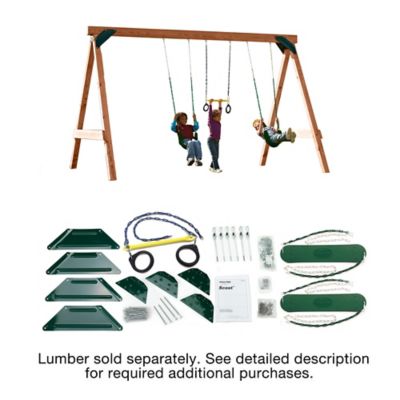
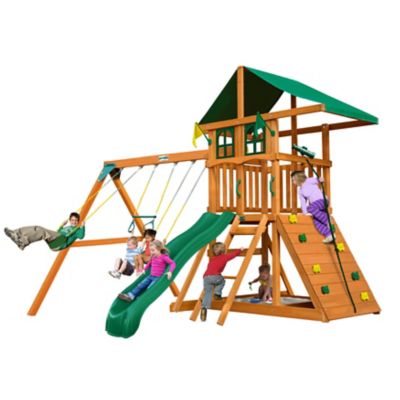
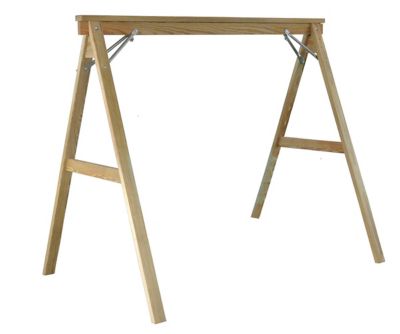
Swing hook kits can fit a wide range of homes and projects, from a shaded farmhouse porch where coffee is enjoyed at sunrise to a back deck where the family gathers during the cooler months. They may be useful for replacing worn hanging hardware, finishing a porch addition, setting up a quiet reading spot, or creating a comfortable place to watch the garden and livestock. A hammock chair or hanging seat can make a thoughtful gift for someone settling into a new home, improving an outdoor space, or spending more time on the porch, while a properly supported play swing can bring a simple, screen-free activity to a family yard. Keep the planned use in mind when selecting hardware: an adult swing with two occupants calls for a different capacity and support arrangement than a small decorative seat, and a playground installation may require equipment-specific hardware and safety guidance. Outdoor locations deserve extra attention to rust, water exposure, and seasonal movement in wood. Wipe away dirt and standing moisture, look for flaking finish or corrosion, and replace hardware that is bent, deeply rusted, or showing damaged threads. Wood can shrink, swell, and develop small cracks as conditions change, so the beam and surrounding area deserve inspection along with the hook itself. During warm weather, a well-mounted swing can become the favorite spot for a cool drink and a little shade; as the air turns crisp, adding a cushion or blanket can make the same seat useful for watching the sunset. Whether the project is a simple porch refresh or part of a larger outdoor setup, the right swing hook kit brings together suitable hardware, a dependable structural connection, and routine care for years of easy movement.