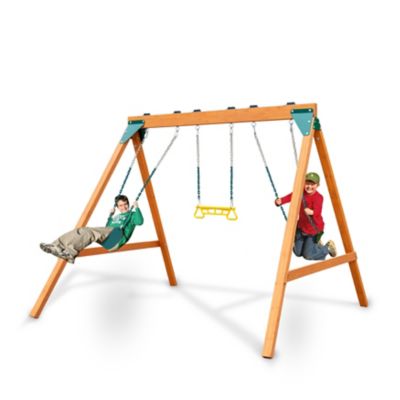
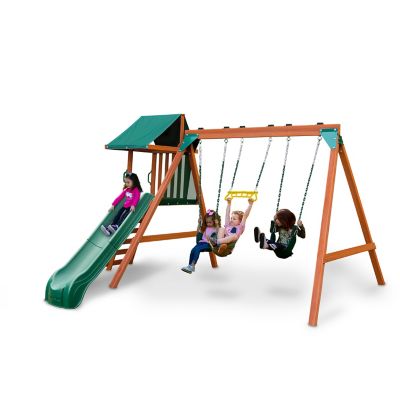
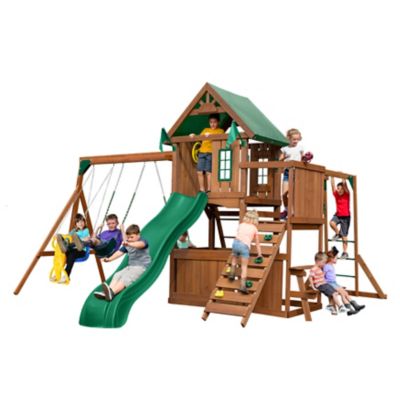
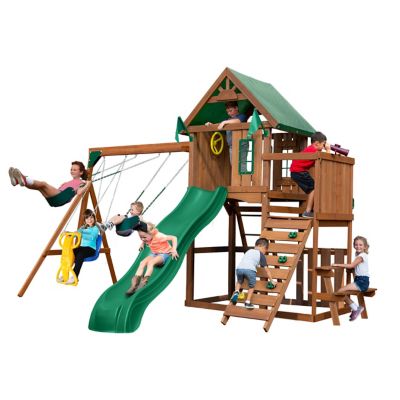
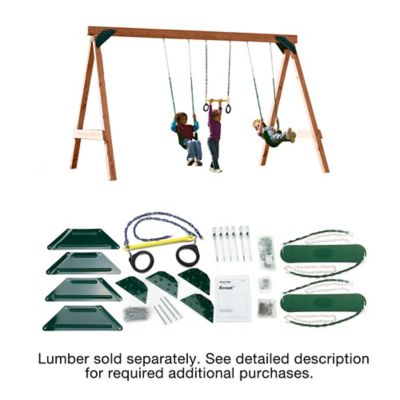
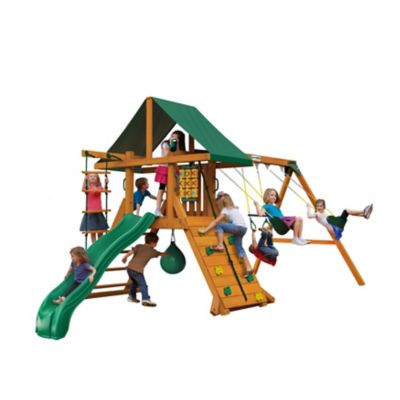
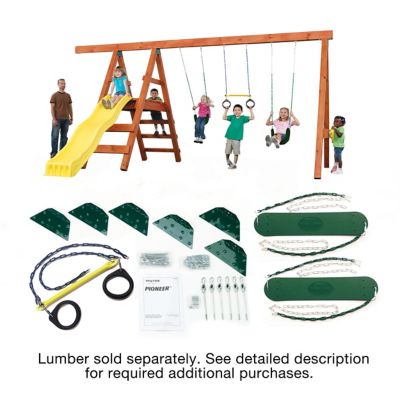
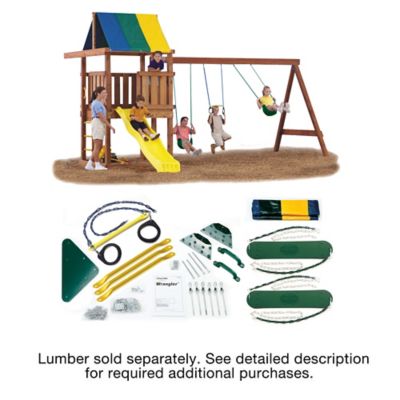
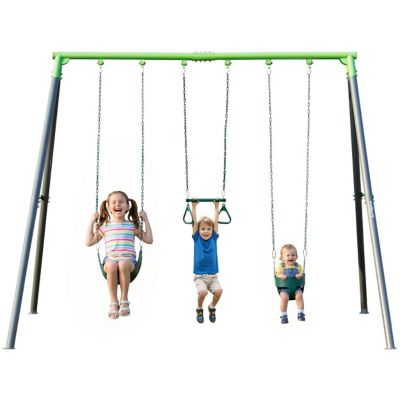
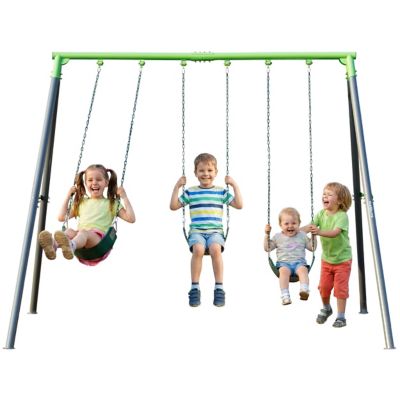
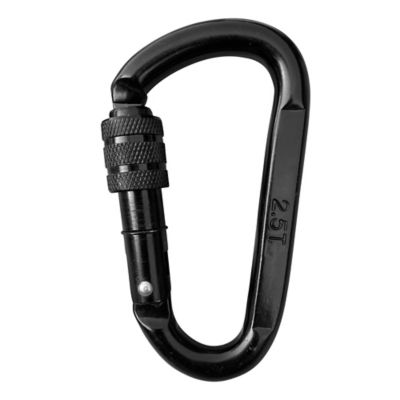
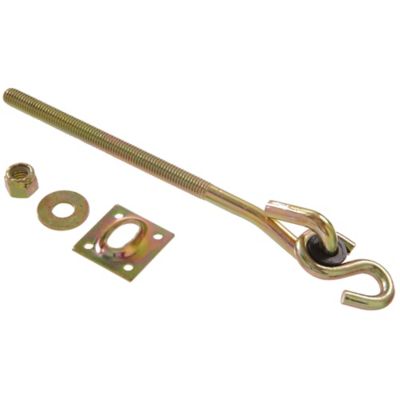
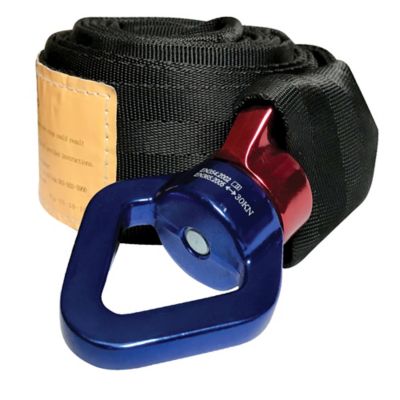
Swing set kits bring the main parts of a backyard play space together, with packages ranging from hardware sets for a lumber-built frame to more complete playsets with structural pieces and play features included. The biggest distinction is what comes in the box. A hardware-only swing set kit may provide brackets, hangers, fasteners, and building plans while leaving the lumber, anchors, or swings to be purchased separately. A more complete kit may include precut wood or steel frame sections along with seats, chains, and connecting hardware. Even then, the package contents deserve a close look, since ground anchors, surfacing materials, tools, and certain attachments may be separate. Those differences matter for a family planning an assembly weekend or a grandparent giving the kids a place to play when they visit. The right fit starts with the whole play area, not just the frame dimensions. Swinging seats travel beyond the legs of the structure, and children need clear space to enter, exit, and move around the equipment. Manufacturer-specified use zones help establish that space; a frame that fits between a fence and a shed may still leave too little room for play. A level spot with good drainage and a clear view from an adult gathering area can make supervision more practical. On a larger property, keeping the play area apart from driveways, equipment paths, livestock enclosures, and gates helps separate playtime from everyday chores. Ground cover matters, too. Grass and packed dirt do not provide the impact protection of an appropriate playground surface. Suitable surfacing and its required depth depend on the equipment’s fall height and the surfacing manufacturer’s directions. Whether the goal is a simple pair of swings or a larger place for siblings and friends to gather, the kit, its clearances, and the ground beneath it all need room in the plan.
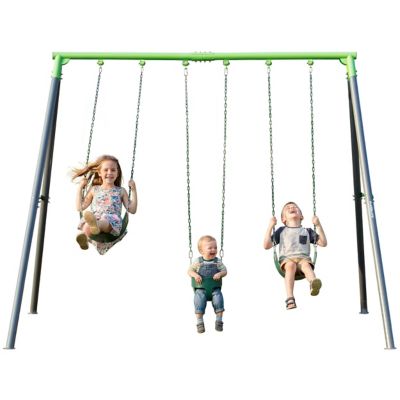
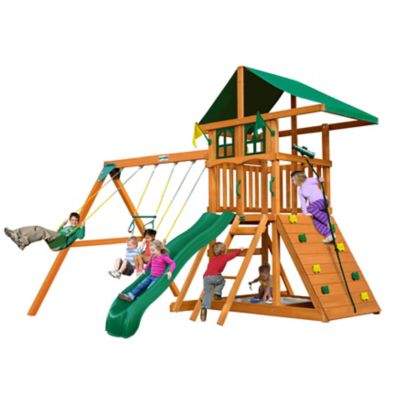
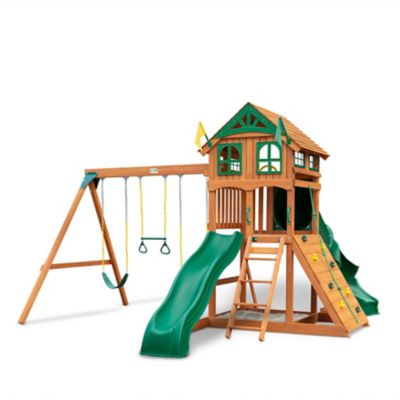
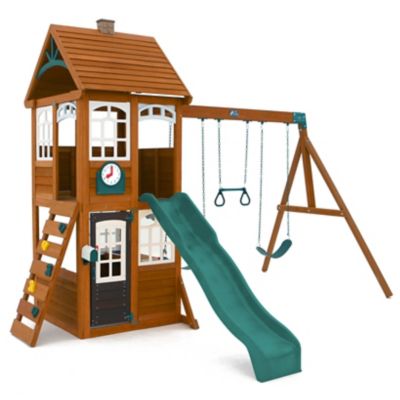
Materials affect the look of a swing set kit, the feel of its parts, and the attention it needs over time. Wood frames have a familiar backyard look and can blend easily beside a garden fence or an open stretch of lawn. Cedar and other lumber choices differ in their natural resistance to decay, while treated lumber must meet the kit manufacturer’s specifications for dimensions and intended use. With hardware-only kits, the lumber list is especially important: beam length, post size, and approved materials are part of the structure’s design, not details to swap on a whim. Precut and predrilled pieces can reduce measuring and drilling, although assembly still takes time, tools, and enough adults to handle larger sections safely. Steel swing set frames offer another construction style, often with coated surfaces that need inspection for scratches and corrosion. Across either material, frame connections, swing hangers, chains, and seat attachments carry repeated movement and deserve as much attention as the main beam. Seat style also shapes the experience. A full bucket seat may suit a younger child when its age and weight ratings match, while a belt seat calls for the balance and grip described in its instructions. A shared seat or glider needs a frame and mounting arrangement specifically approved for it; an attachment is not compatible simply because its connectors fit. Each play position can have its own weight limit, and the structure may also have an overall capacity. Families with children of different ages benefit from checking both rather than judging by seat size alone. For a play area that combines swinging with climbing and sliding, a
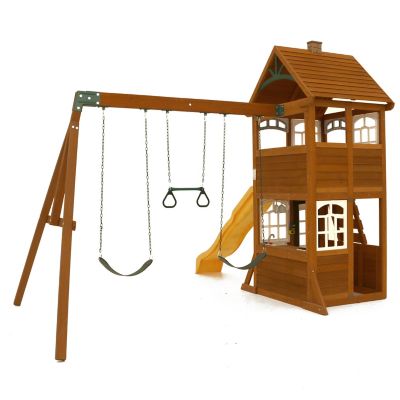
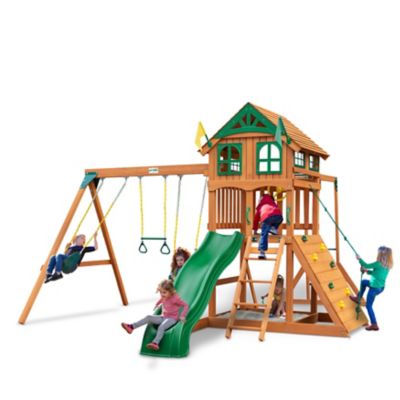
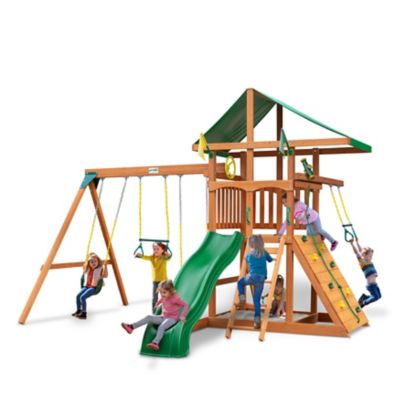
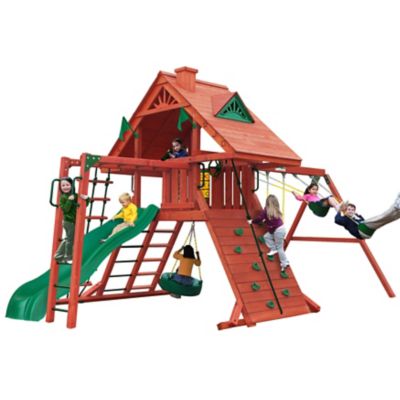
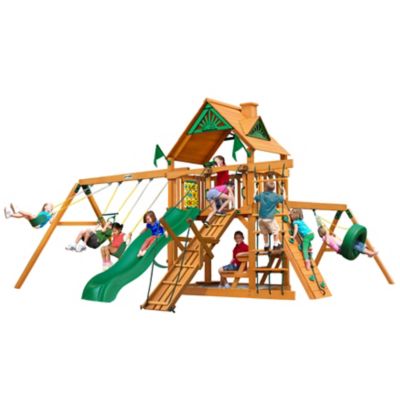
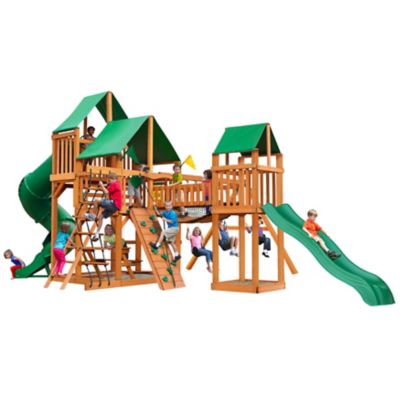
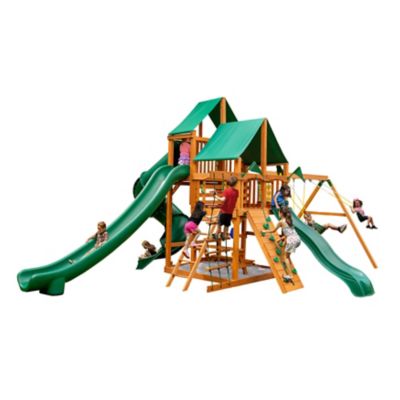
Swing and Slide Set brings those activities into one layout. Platforms, ladders, and slide exits add their own space and supervision needs, so the full footprint matters more than the swing beam alone.
A swing set earns its place in the yard through everyday play: a child practicing how to pump their legs, siblings taking turns after chores, or cousins heading straight for the swings during a family visit. Matching the kit to those routines helps keep the choice practical. A smaller frame may suit a household focused on swinging, while a structure with several play stations can give children more ways to spread out, provided its stated capacity and age range fit the group. For a birthday or housewarming gift to a family with children, a swing set kit also brings responsibilities that are worth settling ahead of time, including space, assembly, ground preparation, and ongoing care. Residential equipment belongs in the setting specified by its manufacturer; it should not be assumed suitable for a school, park, church, or other shared public space. Proper assembly and anchoring are central to how the structure performs, and extra attachments should follow the manufacturer’s compatibility requirements. Once the set is built, routine checks help catch small problems before they interrupt play. Moving connections can loosen, seats and chains can wear, wood can develop splinters or cracks, and metal coatings can become damaged. Inspection intervals, fastener adjustments, wood treatments, and replacement parts should follow the instructions supplied with the equipment. Protective surfacing also needs attention because repeated landings and foot traffic can move material away from the spots that need it most. Keeping the play area clear of tools, garden hoses, loose ropes, and stored equipment leaves fewer obstacles around active children. Adult supervision remains important even with age-appropriate equipment, especially when one child is swinging and another is crossing nearby. A well-matched swing set kit makes room for that familiar back-and-forth rhythm without overlooking the details behind it: the right structure for the household, enough open space, suitable ground protection, and regular attention to the parts that keep play moving.