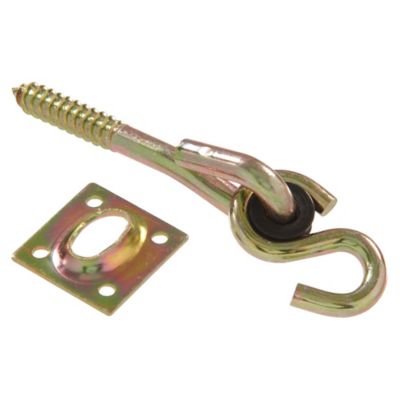
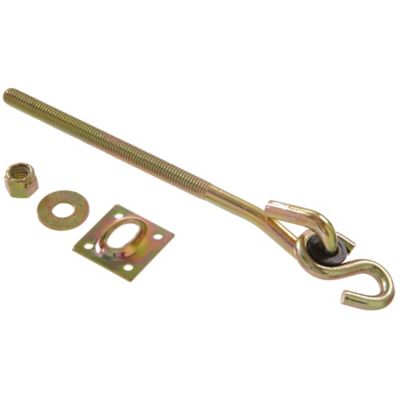
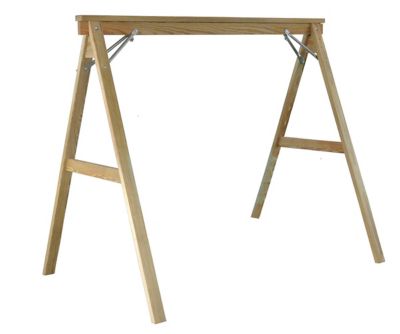
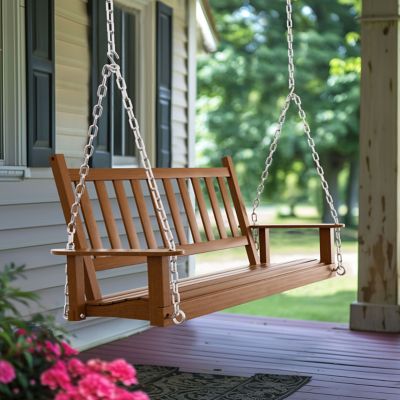
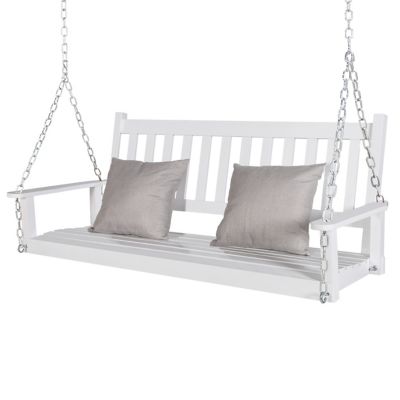
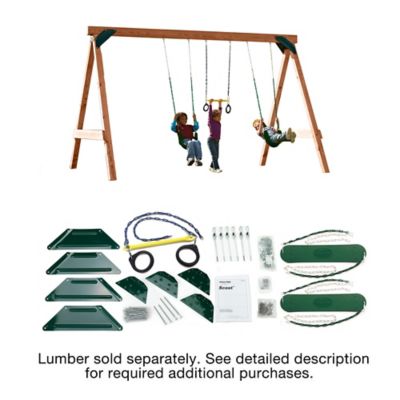
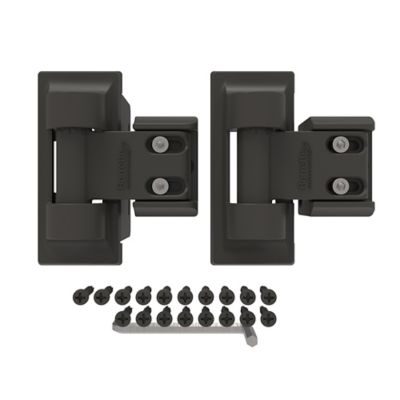
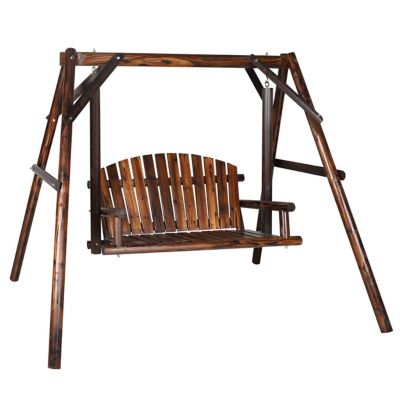
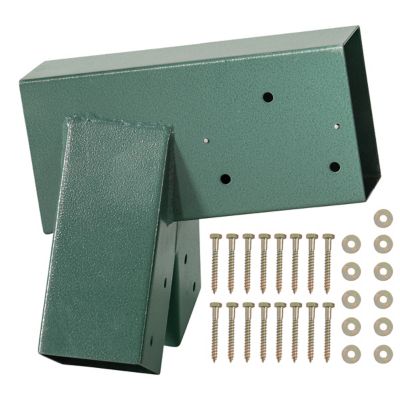
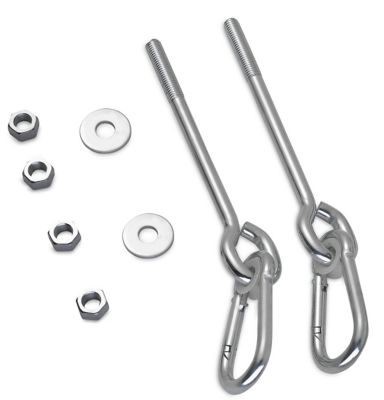
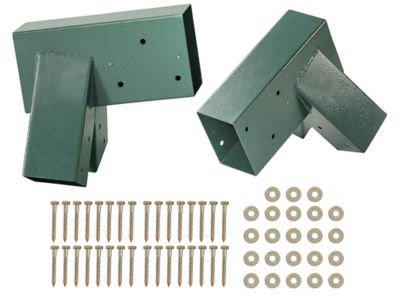
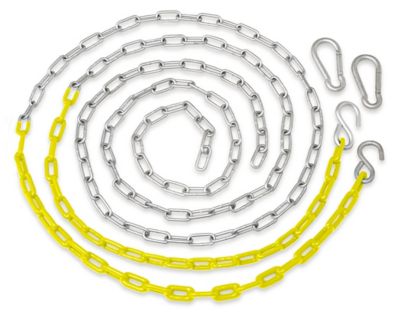
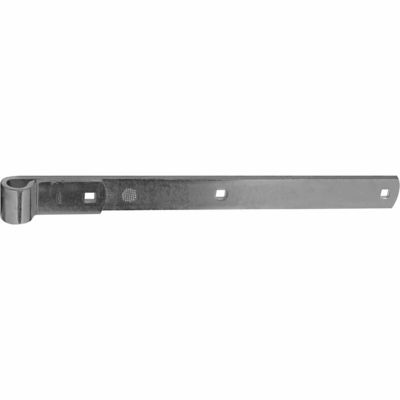
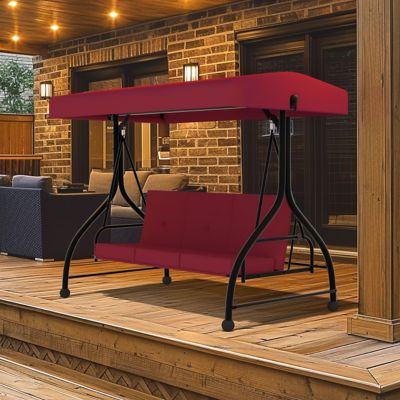
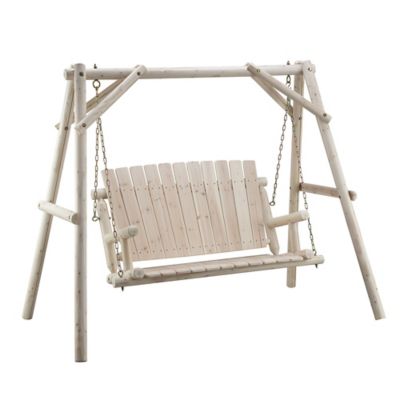
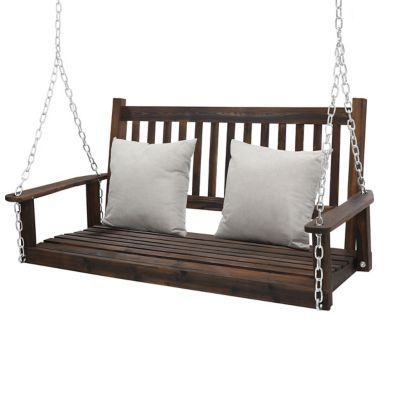
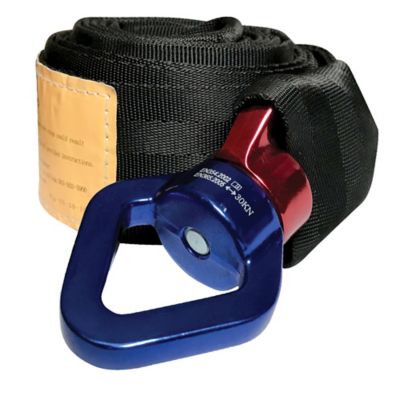
Porch swing hardware helps turn a sturdy porch, covered deck, or freestanding frame into a comfortable place to sit, visit, and watch the day roll by. The right setup may include ceiling hangers or brackets, heavy-duty springs, chain or weather-resistant rope, quick links, snap hooks, eyebolts, and other connecting pieces that work together to support the swing. When comparing hardware, start with the total weight rating—not just the weight of the seat. Add the weight of everyone who may use it, along with cushions, blankets, and the movement created as the swing rocks back and forth. For many full-size porch swings, a combined capacity of at least 500 to 800 pounds is a sensible starting point, though the correct rating depends on the swing, the mounting surface, and the hardware manufacturer’s instructions. Look for durable materials suited to your surroundings, such as galvanized or stainless steel for damp air and outdoor exposure, or weather-resistant rope when you prefer a softer, more traditional look. A swing used near the coast, around a busy farm, or under trees that stay wet after rain may need especially careful attention to rust resistance, wear, and drainage. Matching components by size and capacity is important, too; a strong chain does little good if the connector, hook, or mounting point is not rated for the same load. People often shop for porch swing hardware when replacing worn parts, refreshing an older swing, finishing a new porch, or giving a thoughtful housewarming gift to someone who enjoys making the most of their outdoor space. It can also be a practical gift for handy parents, new homeowners, or anyone dreaming of a quiet corner for morning coffee and evening conversation. If you are outfitting other overhead outdoor spaces, you may also find useful options in
Hardware For Hanging Plants.
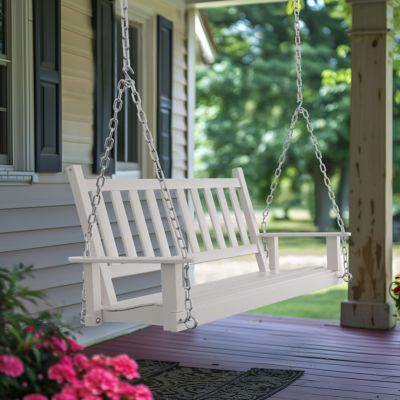
A secure installation begins above the swing, where the mounting hardware meets the structure. Ceiling hangers and brackets should be fastened directly into the center of solid overhead porch joists or a properly sized beam, never into drywall, beadboard, trim, or another finish material by itself. Before choosing hardware, identify whether the porch is framed with wood, concrete, metal, or a purpose-built swing stand, since each surface calls for different fasteners and installation methods. For a wood porch, heavy-duty lag screws or bolts may be appropriate when they are properly sized and installed into sound framing; concrete and metal setups require hardware made for those materials and may call for specialized tools or professional help. The attachment points are commonly spaced about 2 to 4 inches wider than the swing’s armrests on each side, allowing the chains or ropes to hang at a slight outward angle and helping the seat feel steady as it moves. Check the swing maker’s directions before settling on spacing, especially with wide swings, hanging beds, or unusual frame designs. Comfort springs can be placed between the ceiling hook and chain to help absorb some of the shock from sitting down and create a smoother, softer motion. Galvanized or stainless steel chains offer a familiar, adjustable connection, while properly rated outdoor rope gives a more relaxed appearance and can be comfortable to handle. Quick links and threaded connectors should close fully and remain locked during use, with no bent metal, sharp edges, loose threads, or visible damage. A snap hook should be selected for load-bearing use only when it is designed and rated for that purpose; a light utility clip is not a substitute for structural swing hardware.
Once the hardware is in place, adjust the swing so it hangs level and moves freely without rubbing the porch ceiling, posts, siding, railings, or nearby furniture. Many standard porch swings sit with the bottom of the seat roughly 17 to 19 inches above the porch floor, but the best height also depends on the users, cushion thickness, frame style, and how easily people can step on and off. Leave enough clearance in front and behind for a full, comfortable swing, and keep the area free of flowerpots, grills, toys, cords, and other trip hazards. Before regular use, inspect every connection and apply firm, gradual pressure to check for shifting, creaking, bending, or looseness. Recheck the hardware after the first few uses and periodically afterward, particularly after strong wind, heavy rain, freezing weather, or a season of frequent use. Look for rust, stretched links, frayed rope, cracked wood around mounting points, and fasteners that have backed out. Outdoor hardware can last longer when it is kept clean and allowed to dry, while removable cushions and fabric pieces should be stored during rough weather or the cooler months. A porch swing is often used gently, but several people sitting down at once can create more force than expected, so staying within the complete system’s weight rating matters every time. With sound structural support, properly matched connectors, and regular checks, porch swing hardware can help create a dependable spot for shelling peas, sharing a glass of tea, reading after supper, or taking in the changing weather from the comfort of home.