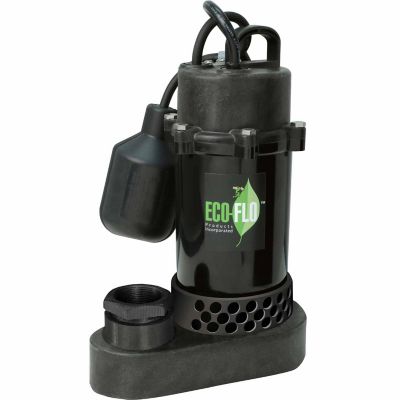
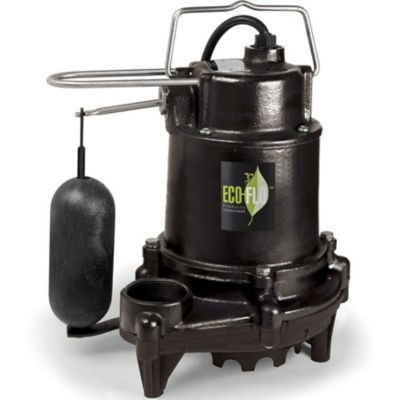
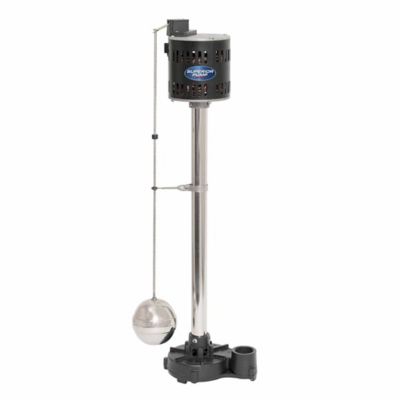
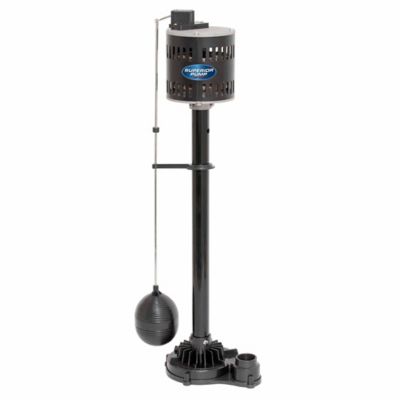
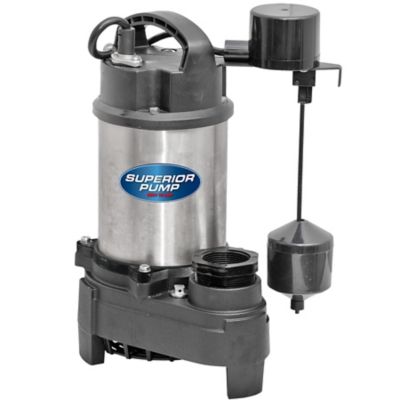
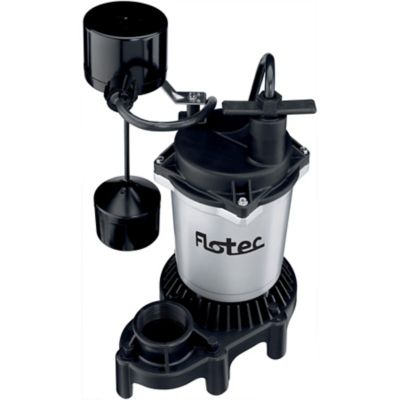
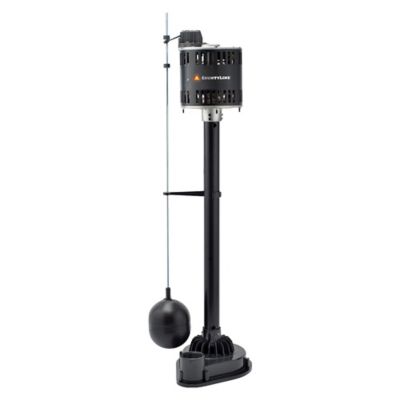
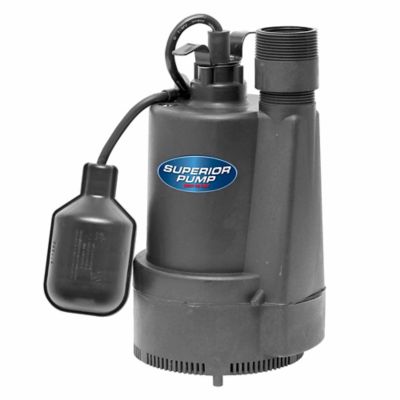
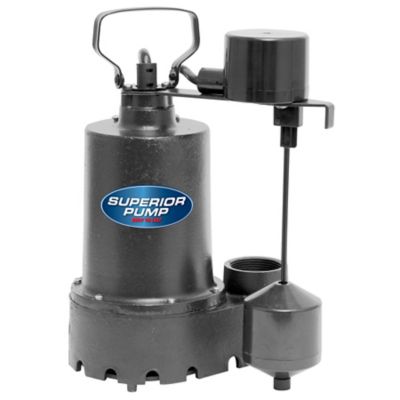
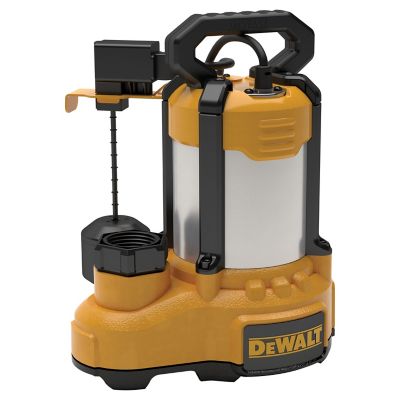
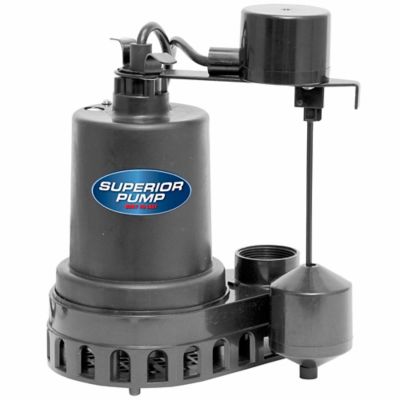
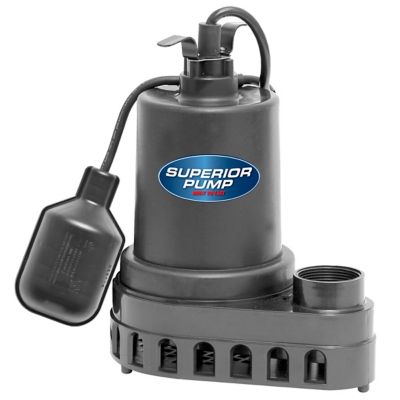
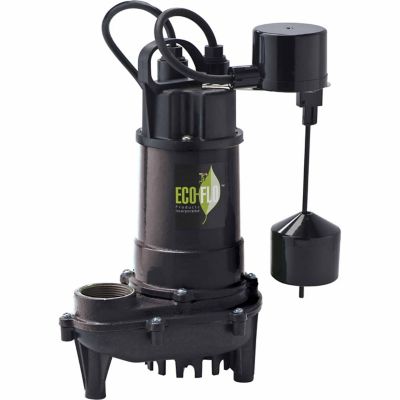
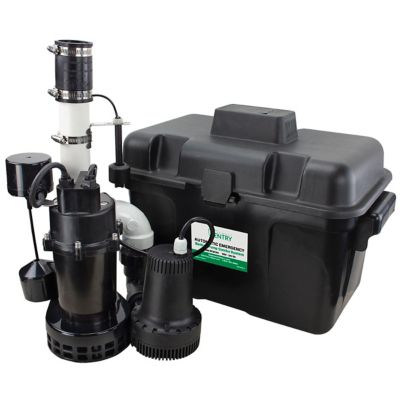
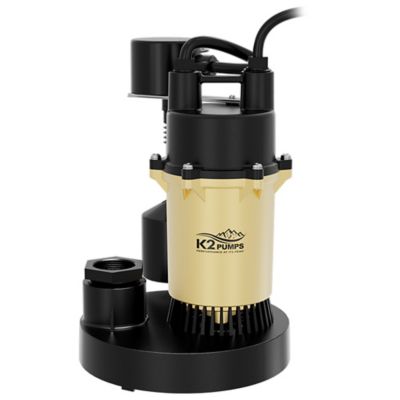
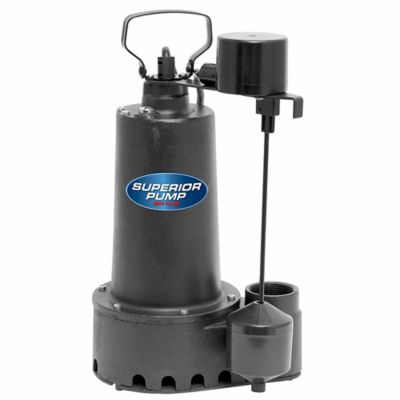
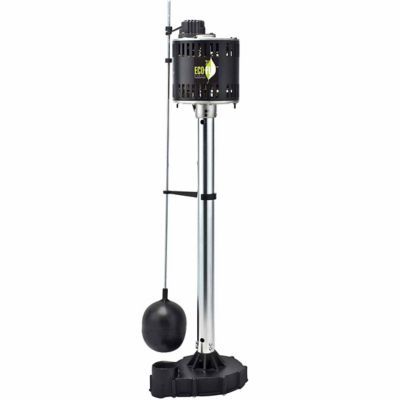
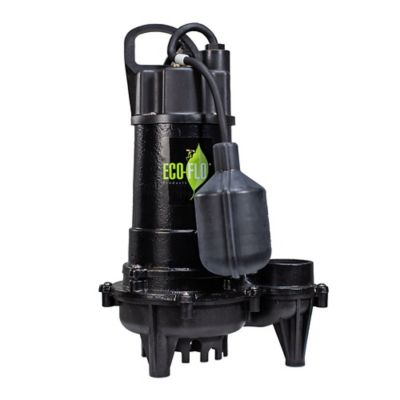
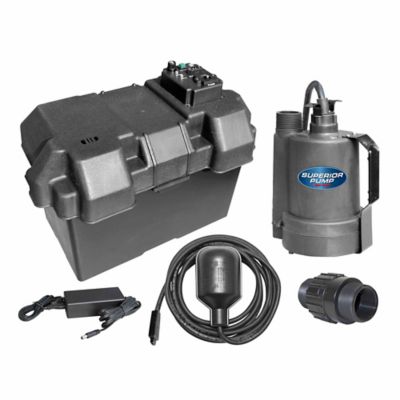
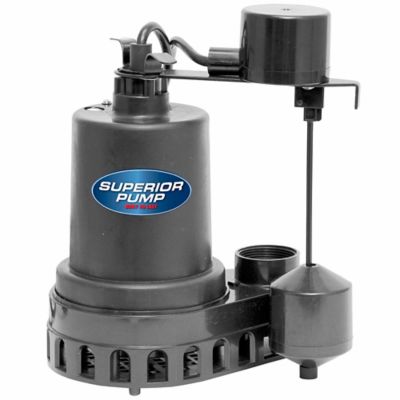
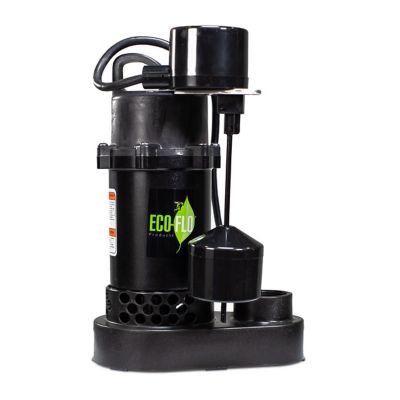
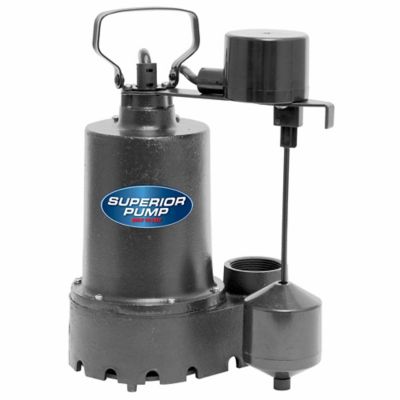
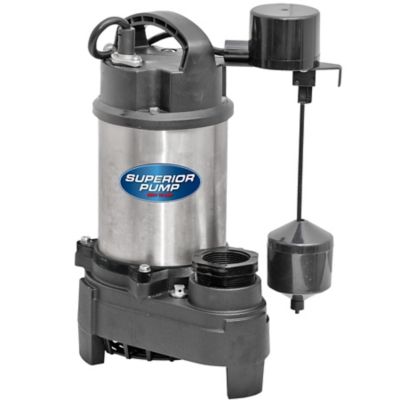
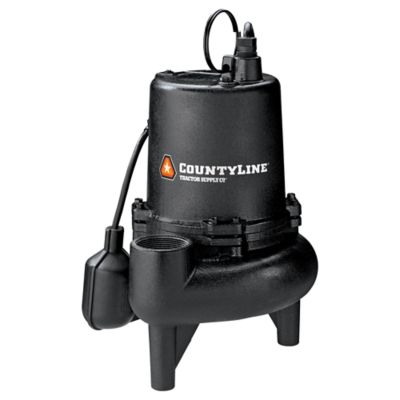
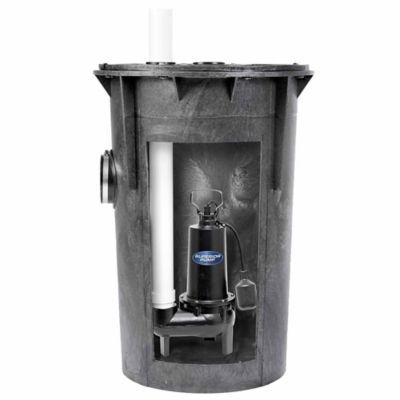
AC sump pumps help move unwanted water away from the places where it can cause the most trouble, whether that water is rising in a basement sump pit or collecting as air conditioner condensation in a basement, attic or utility closet. In many cases, “AC sump pump” refers to a pump powered by standard household alternating current, or AC power. A full-size sump pump sits in a pit at the lowest point of a basement or crawl space and starts automatically when groundwater or rainwater raises the float. It then sends water through a discharge pipe and away from the foundation. These pumps are especially useful for homes in low-lying areas, properties with a high water table, and houses that see heavy runoff during wet weather. They can also give homeowners peace of mind as cooler weather brings rain, snowmelt and changing ground conditions. When shopping, start by matching the pump to the job. Look at horsepower, gallons per hour, and the pump’s maximum lift, sometimes called head height. A pump that moves plenty of water at ground level may move less through a long discharge line or when pushing water uphill, so the full setup matters. Check the size of the sump pit, the discharge pipe diameter and the type of connection already in place. Automatic float switches are handy for everyday use, while vertical floats can work well in narrower pits. Cast-iron housings are built for demanding, long-term service, while thermoplastic designs are often lighter and easier to handle. Either way, a dependable pump should be rated for continuous or regular sump duty, have a sturdy power cord, and fit securely without rubbing against the pit wall. A check valve in the discharge line can help keep water from flowing back into the pit after the pump shuts off.
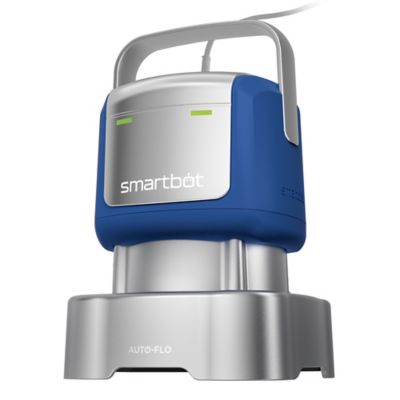
Some AC-powered pumps are made for a different purpose: removing condensation created by an air conditioner, furnace, dehumidifier or other HVAC equipment. As an air conditioner runs, moisture collects on the evaporator coil and drains into a pan. If the equipment is positioned where the water cannot leave by gravity, a compact condensate pump collects that moisture in a small tank and lifts it through tubing to an approved drain or outdoor discharge point. These pumps are useful in finished basements, upstairs closets, attics, workshops and other tight spaces where a floor drain is not nearby. A condensate pump is not a substitute for a basement sump pump, and a basement sump pump is generally much larger than needed for HVAC condensation. Before choosing one, confirm the pump’s gallons-per-hour rating, maximum lift, inlet size and discharge tubing requirements. The pump should be able to handle the steady trickle from the equipment without cycling excessively. An automatic float starts the pump as the tank fills, and many models include a high-water safety switch that can be connected to shut down the air conditioner if the tank level rises too far. That extra protection matters because a failed condensate pump can turn a slow drip into water damage around ceilings, walls, insulation or stored belongings. Keep the pump level, make sure the drain tubing slopes or is supported properly, and inspect the pan, inlet and discharge line for algae, dust or buildup. During the warmer part of the year, regular cleaning helps keep condensate moving; during cooler months, it is still smart to check the setup if the HVAC system, dehumidifier or furnace continues producing water. Homeowners working with HVAC wiring or a safety shutoff should follow the equipment instructions and use a qualified professional when the installation calls for electrical changes.
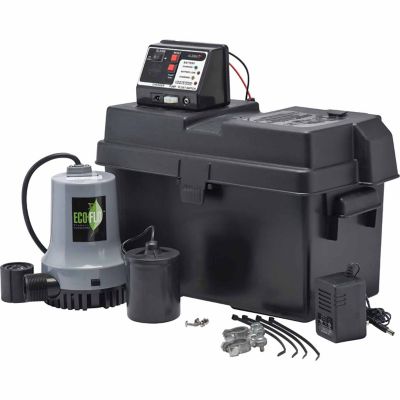
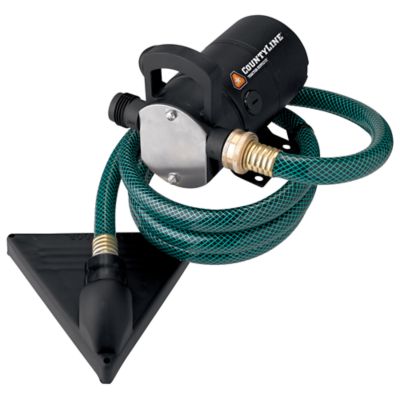
For basement water control, an AC sump pump works best as part of a complete drainage plan rather than as the only line of defense. The pit should be positioned where water naturally collects, and the discharge should carry water far enough from the foundation that it does not seep right back toward the house. Make sure the outlet is protected from accidental unplugging and that the circuit meets local electrical requirements; a GFCI-protected outlet is commonly used in damp areas. Never use an extension cord as a permanent power source, and keep plugs and connections above areas where water may collect. Because an electric pump cannot run during a power outage, many homeowners add a battery backup pump or another emergency backup system, particularly in regions prone to storms or outages. Test the float and pump by adding water to the pit, listen for unusual grinding or rattling, and check that water leaves through the discharge line without leaking at the fittings. A backup power source is also worth considering for vacation homes, rental properties and finished basements where a flooded floor could damage furniture, tools, records or stored feed. AC sump pumps are practical gifts for a new homeowner, a family finishing a basement, or anyone caring for an older property with a history of seepage, though the right choice depends on the pit, piping and electrical setup. For smaller water-removal jobs around utility areas, laundry rooms and indoor drains, browse related options such as
Sink Pumps. Taking a few minutes to compare pump type, flow rate, lift, switch style, safety features and backup needs can help you choose equipment that fits the space and keeps water moving where it belongs—away from the house.