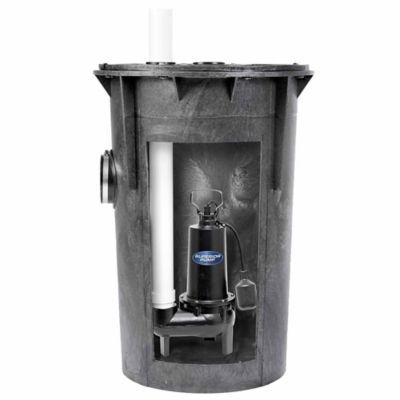
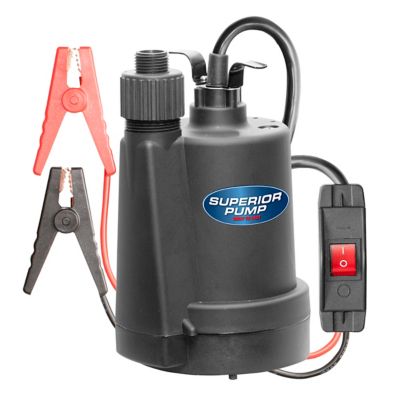
Sump pumps for basements help move unwanted water away from the lowest part of a home before it can spread across the floor, soak stored belongings or cause trouble around the foundation. They’re especially useful in homes with below-grade living space, older foundations, high water tables, heavy clay soil or a history of spring runoff and stormwater seepage. A basement sump pump sits in a sump basin, or pit, commonly placed at the lowest point of the basement. Water reaches the basin through a perimeter drain, French drain or gravel bed, and the pump sends it through a discharge pipe to a safe location away from the foundation. When the water level rises, a float switch or electronic sensor starts the motor; once the level drops, the pump shuts off. That straightforward action can make a big difference when rain drums on the roof, snowmelt runs across the yard or groundwater pushes up beneath the slab. Homeowners often shop for sump pumps after a wet basement experience, while building contractors, landlords, property managers and rural homeowners may keep a replacement on hand so a failed pump doesn’t leave a finished room, workshop or storage area sitting in water. They can also make a practical housewarming or home-maintenance gift for someone buying an older home, finishing a basement or moving into a property with drainage concerns. For crawl space drainage, take a look at
Sump Pumps For Crawl Spaces.
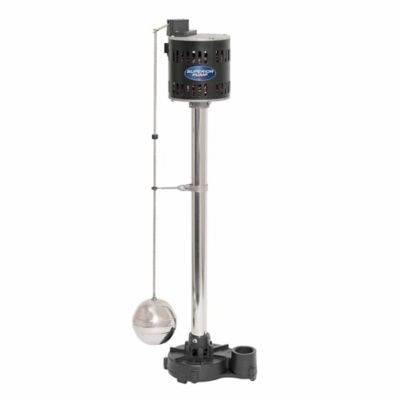
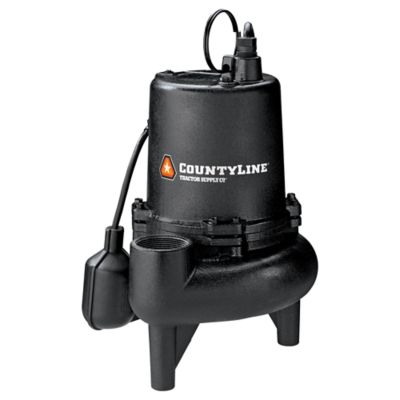
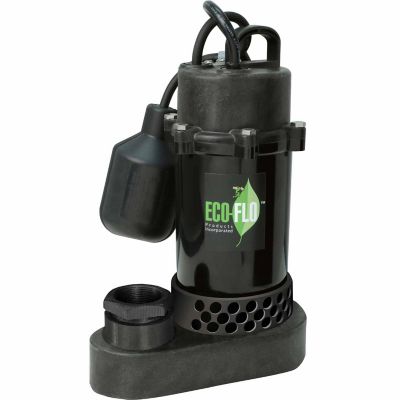
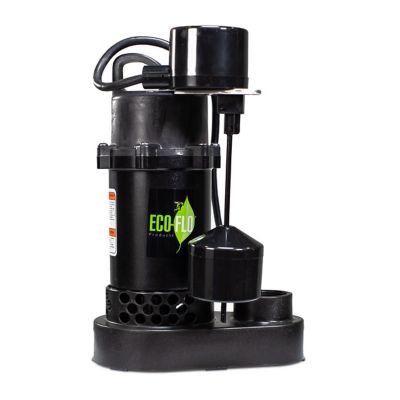
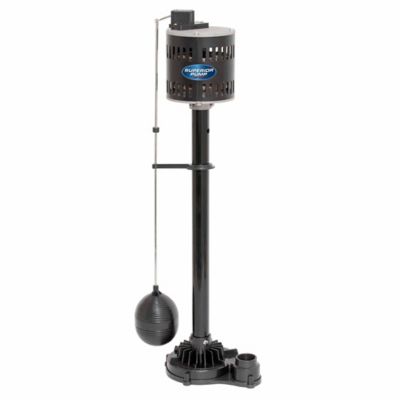
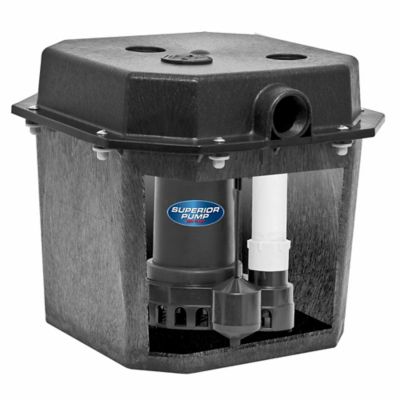
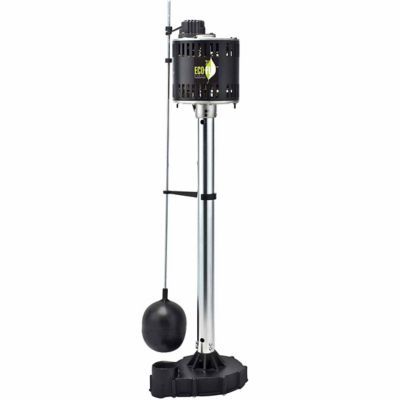
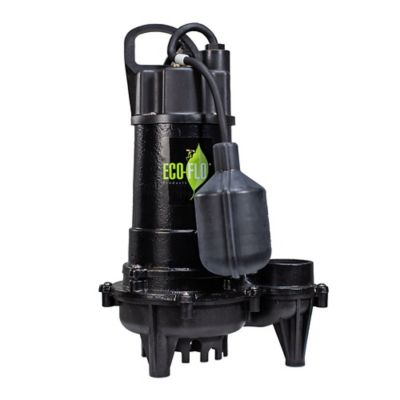
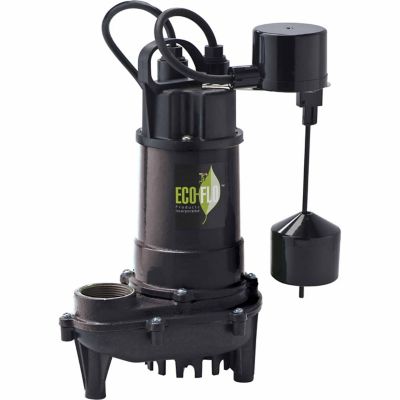
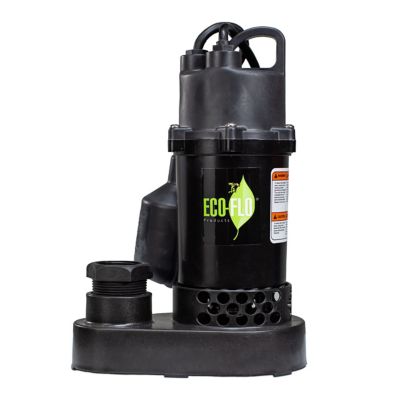
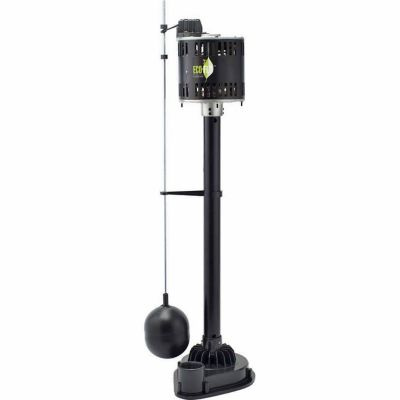
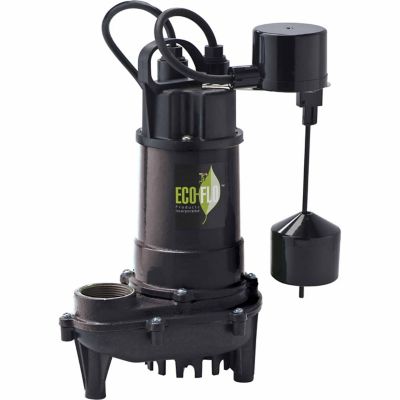
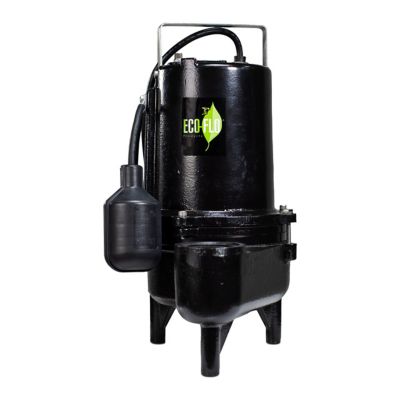
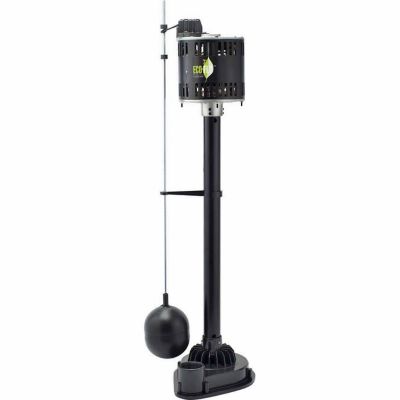
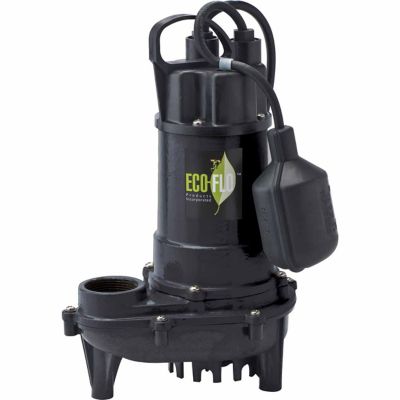
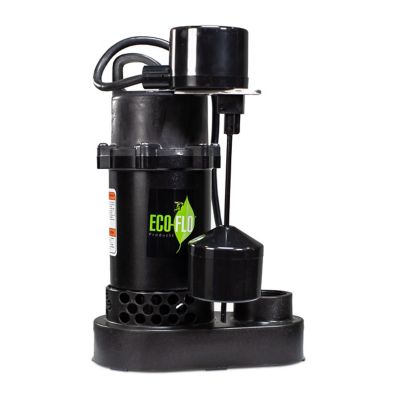
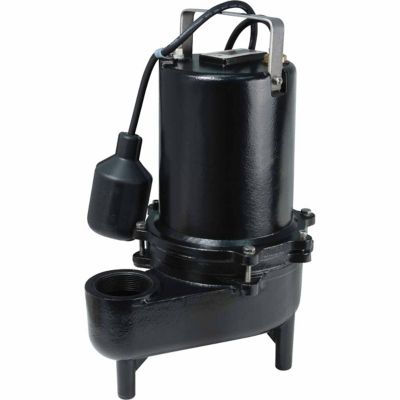
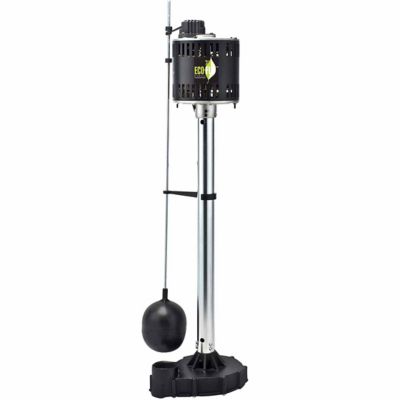
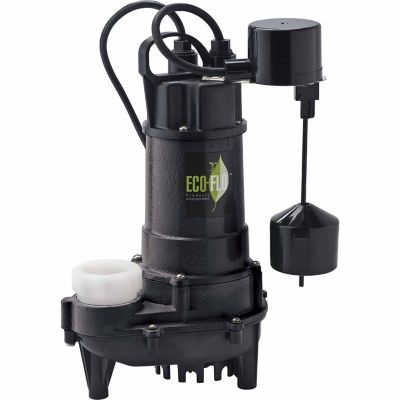
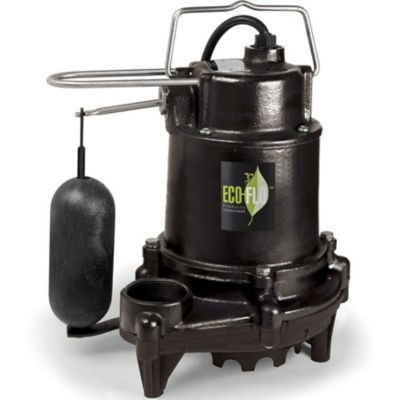
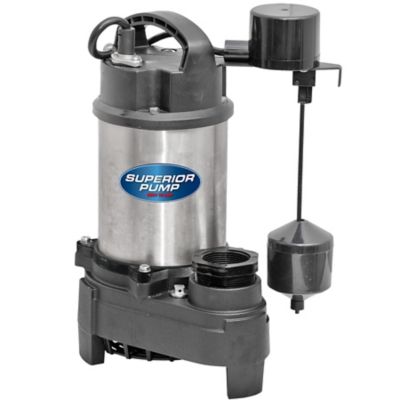
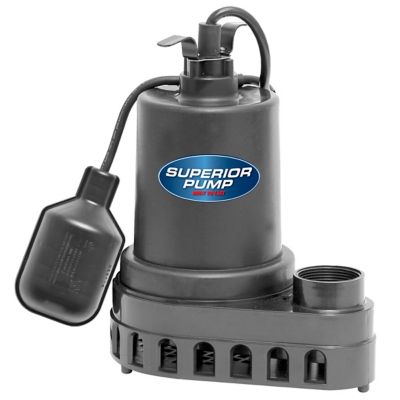
When comparing sump pumps for basements, start with the layout of the pit, the amount of water the home typically receives and the distance the discharge line must carry water. Submersible pumps sit down in the basin and are generally quieter, making them a good fit for finished basements or homes where the pump is near a family room. Many are designed to work under a cover, which can help keep noise, moisture and musty odors contained. Pedestal pumps keep the motor above the pit on a raised column, so the motor is easier to reach for inspection and service. They can be useful where the basin is narrow or shallow, though the exposed motor may be louder. Motor horsepower matters, but bigger is not automatically better for every home. A 1/3-horsepower or 1/2-horsepower pump is common for many standard residential applications, while homes with unusually high inflow, long discharge runs or a significant vertical lift may call for a different capacity. Check the pump’s performance information for gallons per hour at the required lift rather than relying on horsepower alone. A pump that moves plenty of water at the outlet may move considerably less as the discharge pipe climbs uphill. Also consider the switch style. Vertical float switches can work well in a smaller basin because they need less room to swing, while tethered floats may suit a wider pit and can allow a longer pumping cycle. Look for durable housing materials, a properly sized intake and a dependable check valve. A check valve is installed in the discharge line to help keep water from flowing back into the pit after the motor stops, reducing unnecessary cycling and helping the basin stay clear. Before purchasing, measure the basin opening, confirm the discharge-pipe size and check the available electrical supply. If the pit, wiring or discharge route needs major changes, a qualified installer can help ensure the setup meets local requirements and safely handles the water load.
A primary sump pump is only one part of a dependable basement water plan. In areas where severe weather can interrupt electricity, a battery backup system can provide added protection if the main pump loses power or stops working during a storm. A backup is particularly worthwhile when the basement holds a furnace, water heater, freezer, tools, family keepsakes or finished flooring that would be costly to replace. Some homeowners also choose an alarm or water sensor that sends an alert when the basin level rises too high. Whichever setup you choose, regular testing is simple and can uncover a problem before a dark cloud rolls over the fields and rain starts filling the drainage ditch. About once every few months, carefully pour a bucket of water into the pit and watch for the float or sensor to activate the pump. Water should enter the basin freely, the motor should run without grinding or repeated short cycling, and the discharge should carry water away from the foundation. Once a year, unplug the pump before cleaning the basin, then remove dirt, gravel, leaves and other debris that could block the intake. Check the discharge line for kinks, ice, mud or crushed sections, and look over the check valve for leaks or signs that water is running backward. Keep the pump plugged into a properly grounded outlet, avoid using an extension cord unless the manufacturer and local electrical guidance allow it, and never reach into a powered basin. During the warmer seasons, make sure the outlet end stays clear as grass grows, and during cooler weather, check that exposed discharge piping will not freeze and force water back toward the foundation. A well-matched pump, a clear drainage path and a little routine attention can help keep a basement drier through changing weather, protect the work you’ve put into your home and give you one less thing to worry about when the next heavy rain moves in.