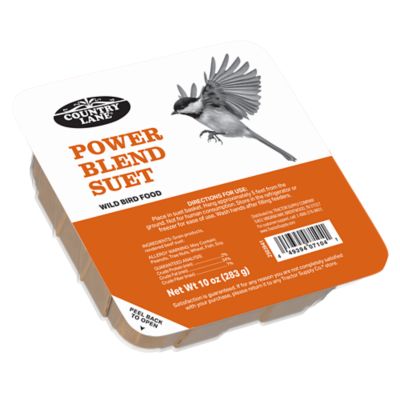
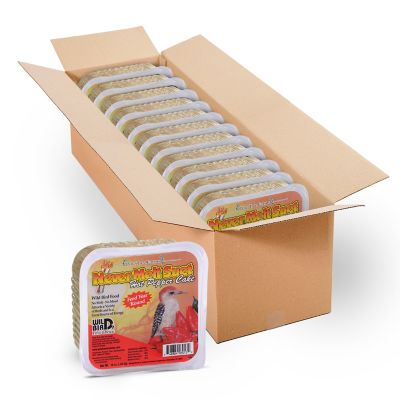
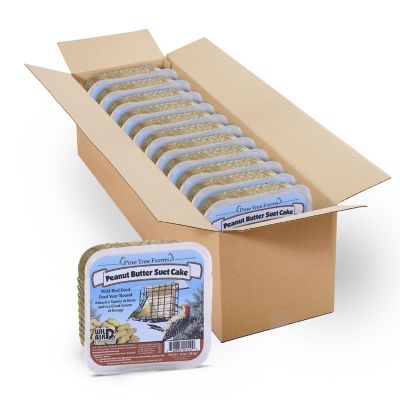
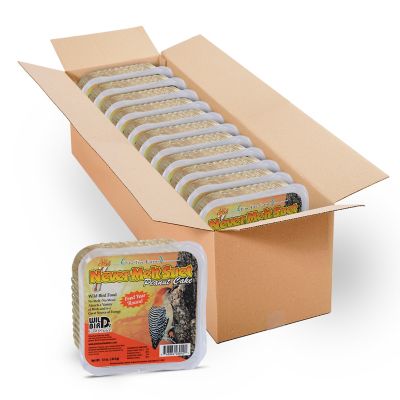
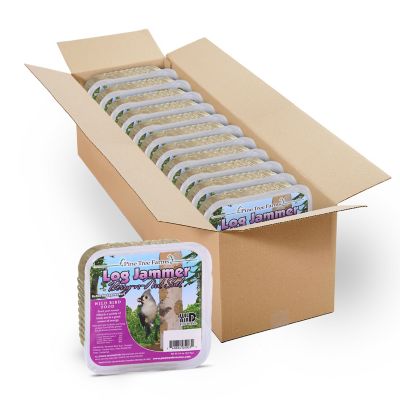
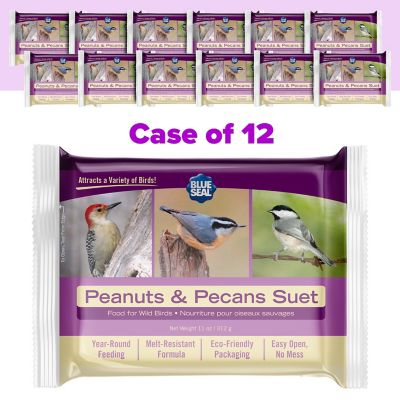
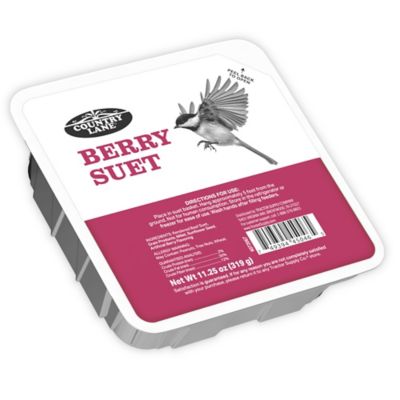
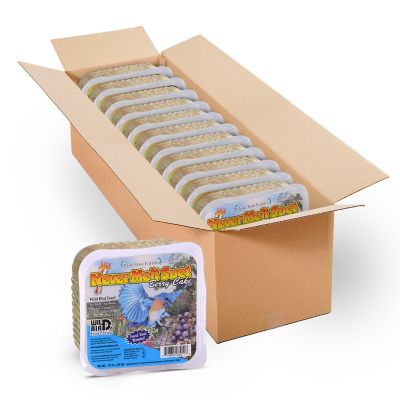
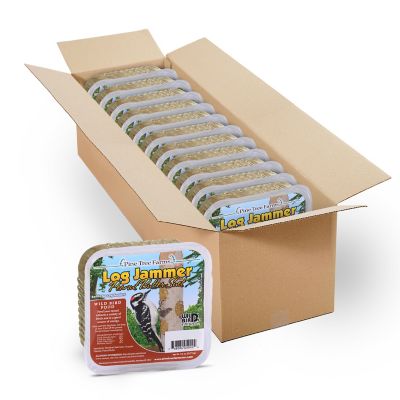
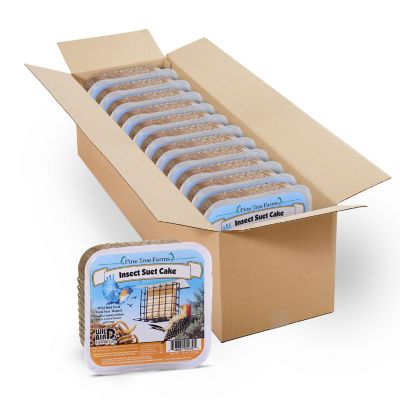
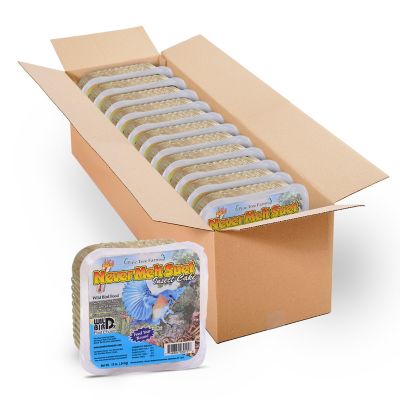
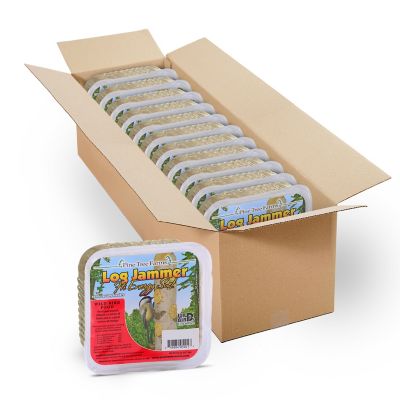
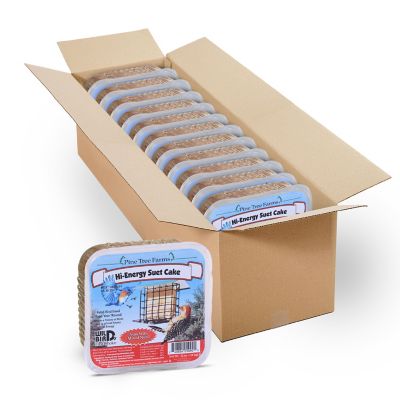
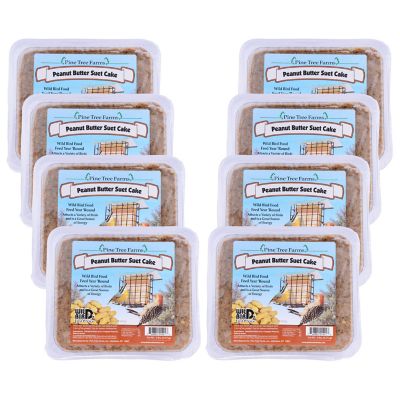
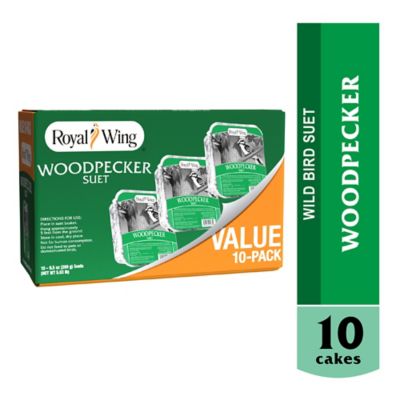
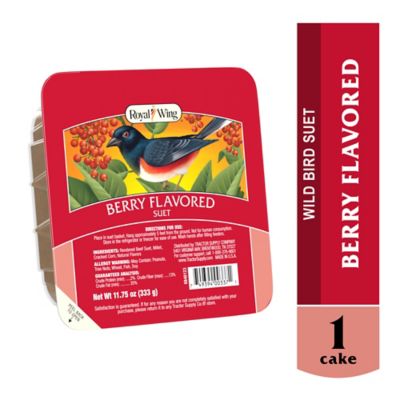
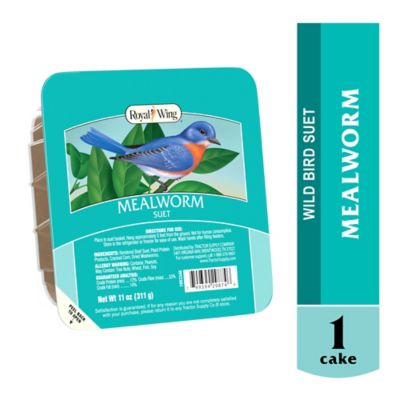
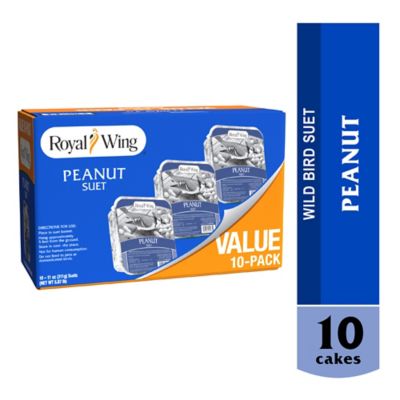
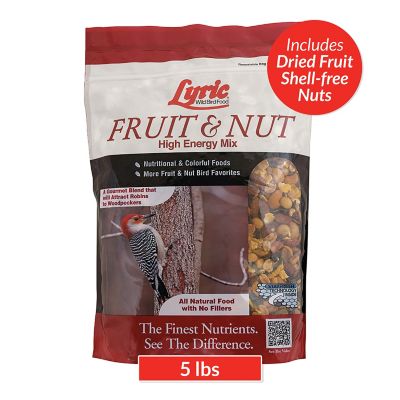
Suet cakes for birds are compact blocks of fat-based bird food, often made with rendered beef fat and a mix of seeds, nuts, fruit or insects. Their concentrated calories make them a useful addition to a backyard feeding station, especially for birds that naturally cling to tree trunks and branches while searching for food. Woodpeckers, chickadees, nuthatches and titmice are frequent visitors to suet feeders, while jays and other birds may stop by when the feeder gives them enough room to land. The fat holds the ingredients together and supplies energy, while the added ingredients influence texture and which birds take an interest. Peanut pieces, sunflower kernels, dried fruit and mealworms are common ingredients, though recipes vary. A peanut-rich cake might appeal to woodpeckers and nuthatches, while a fruit blend may draw a different mix of visitors. No recipe guarantees a particular bird will show up; nearby trees, natural food sources and feeder placement all play a part. For a yard along a wooded fence line or a place with mature shade trees, suet can complement the food birds already find in bark and branches. Around a more open yard, a feeding station near shrubs can give smaller birds a place to pause before approaching. Suet is supplemental food rather than a complete diet, so it works alongside natural habitat, a clean water source and other appropriate bird foods. Ingredient lists help distinguish seed-heavy cakes from blends with more nuts, fruit or insect ingredients, and package directions explain the intended feeding method. Cakes with shelled ingredients can reduce hulls beneath the feeder, although crumbs and dropped pieces are still possible. Birds may take time to notice a new food source, and watching which ingredients disappear first can help narrow the choices for the next refill. The best match is a cake that suits the birds visiting the property, fits the feeder and is easy to keep fresh through regular attention.
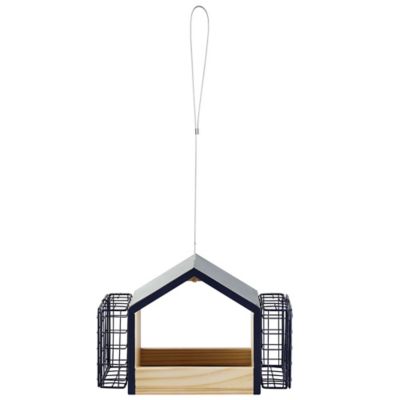
Feeder fit matters just as much as the recipe. Suet cakes commonly have a square or rectangular shape, but their measurements and thickness can differ, so the feeder’s stated capacity is worth checking before choosing a cake. A properly fitted cake stays contained while allowing birds to reach the food through the openings. A
Suet Cage holds the block behind a wire grid, giving clinging birds a place to grip as they feed. The openings need to provide access without leaving large pieces loose enough to tumble out, and a secure latch helps keep the door closed during activity. Coated steel and other metal constructions offer firm support, while smooth edges and well-finished connections make handling and cleaning more comfortable. Chains, hooks, brackets and mounting points should support the filled feeder without excessive swinging or sagging. Packaging, including any plastic tray or wrap, belongs off the cake unless the directions explicitly say otherwise. Feeder shape also affects who can eat comfortably. A tail-support extension gives some woodpeckers a brace similar to the support they find against a tree trunk, while an upside-down feeding surface favors birds comfortable hanging beneath their food. Neither design excludes every other visitor, but each changes how birds approach the cake. Placement on a sturdy pole, branch or suitable hanger should leave room for birds to land and provide convenient access for refilling. Nearby cover is helpful, though dense shrubs directly beneath a feeder can give roaming cats a hiding place. Glass is another consideration around porches and kitchen windows; closely spaced exterior window markings or screens can help reduce collision risk. Squirrels may also visit, making feeder access and mounting choices important. Hot pepper suet contains ingredients intended to discourage some mammals, but it does not guarantee a squirrel-free station. For a birdwatcher receiving suet as a gift, matching the cake size to an existing feeder makes the gift easier to put to work.
Freshness, storage and feeder care help keep a suet station inviting without turning it into a chore. Unopened cakes should stay in their original packaging under the storage conditions on the label, protected from moisture, insects and rodents. Packaging that closes securely or fits inside a covered storage container can make supplies easier to manage in a shed or utility area, provided that location meets the product’s storage directions. Once a cake is out, the feeding pace matters. A small flock may work through it gradually, while an active group of woodpeckers and chickadees can make steady progress. Offering an amount birds finish in a reasonable period helps limit leftover food, and a partly eaten cake deserves the same checks as a full one. Mold, an unpleasant rancid smell or contamination from droppings are reasons to discard the food rather than leave it for birds to sort through. Fat residue and crumbs collect on cage wires, hinges and nearby surfaces, so easy access to those areas is a practical feature. A feeder with an uncomplicated opening and removable parts can make a thorough wash less fussy. Cleaning with soap and water, followed by rinsing and complete drying, removes buildup; any disinfecting should follow appropriate feeder-care guidance and the feeder manufacturer’s directions. Handwashing after handling bird food or feeders is a sensible habit, and hot pepper blends call for extra care around eyes, children and pets. Beneath the station, clearing fallen food helps discourage unwanted visitors and keeps the feeding area tidier. If birds appear sick, taking feeders down temporarily and following local wildlife guidance can help reduce the spread of disease. Over time, the small details become familiar: a nuthatch reaching through the wire, a chickadee taking a quick bite or a woodpecker settling against a tail brace. Suet cakes bring those close-up moments to a backyard feeding routine when the food, feeder and placement work together.