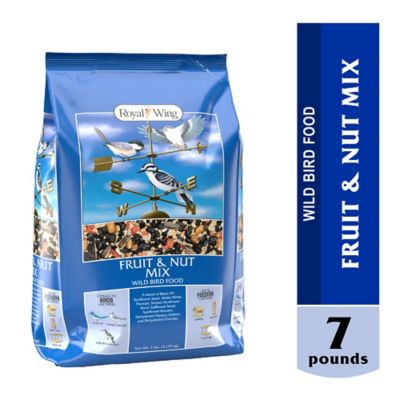
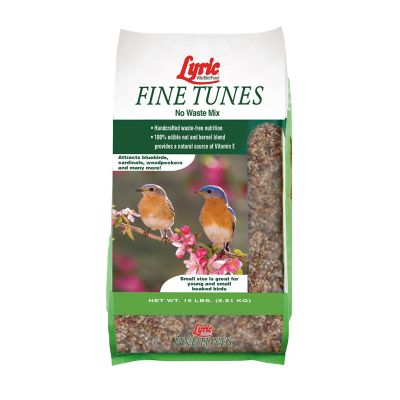
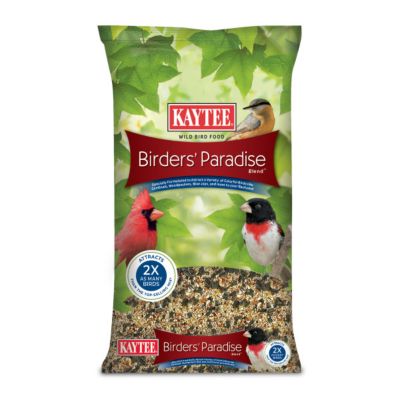
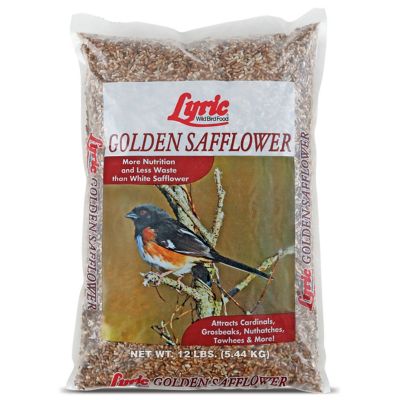
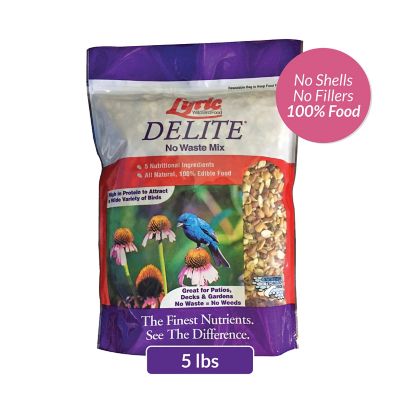
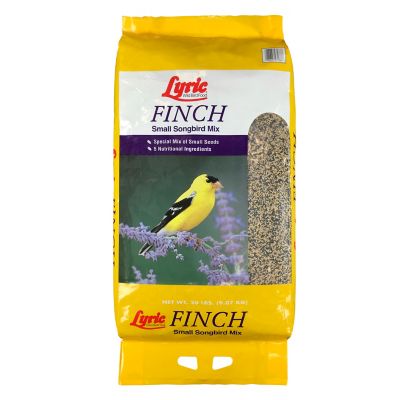
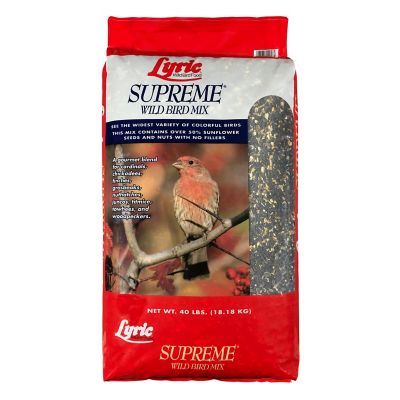
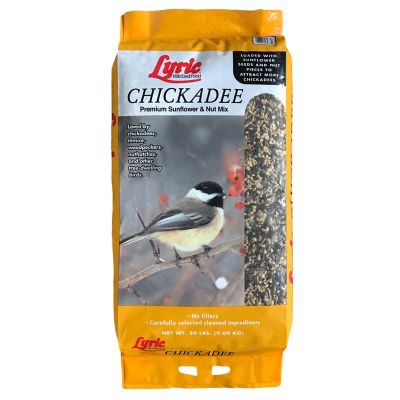
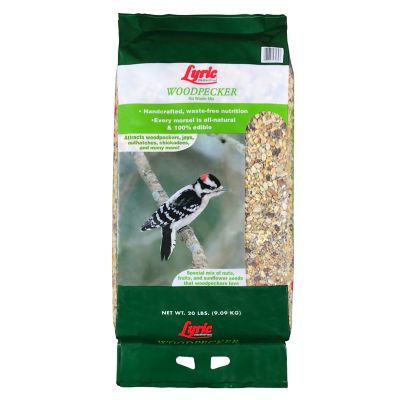
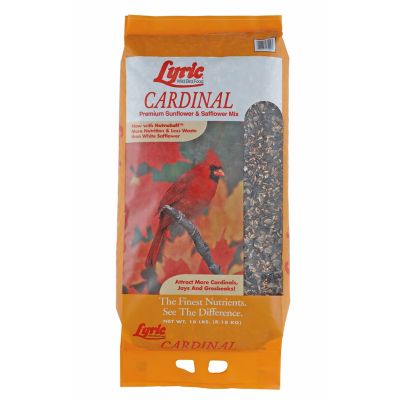
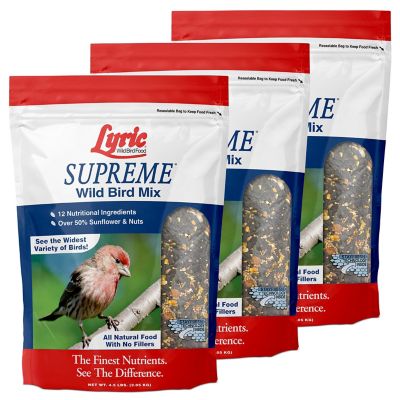
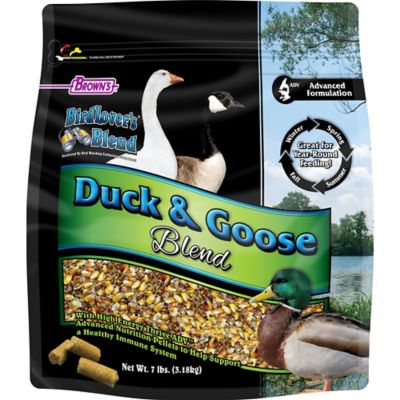
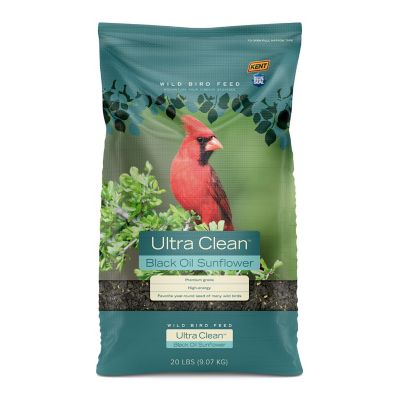
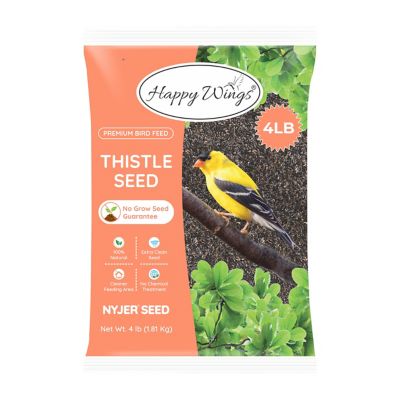
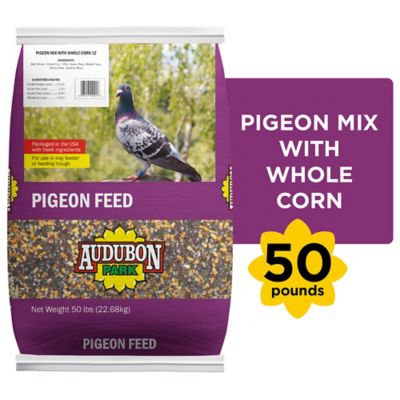
Wild bird food includes seed blends, straight seeds, suet, nuts, dried insects, and fruit-based mixes that supplement the natural diets of free-ranging birds. The right choice depends on which birds visit your place, how they feed, and the feeder holding their food. Black oil sunflower seed appeals to many familiar backyard birds, including cardinals, chickadees, titmice, and finches. Its oil-rich kernels provide concentrated energy, while its thinner shells are easier for many small birds to crack than striped sunflower shells. Sunflower hearts and chips offer those kernels without the shells, making them a practical option around a porch, patio, or walkway where hull piles can become a chore. Safflower seed is another option for cardinals and some other seed-eating birds, though birds already familiar with sunflower may take time to accept it. Tiny Nyjer seed fits the feeding habits of goldfinches and pine siskins and calls for a feeder with openings small enough to hold it. White proso millet suits ground-feeding birds such as mourning doves and several native sparrows, especially in a low tray or platform. Mixed wild bird seed combines ingredients to appeal to more than one kind of visitor, but the ingredient list matters more than the number of seeds pictured on the bag. A blend centered on sunflower serves a different purpose than one with a large share of millet or cracked corn. Birds may sort through a mix for their favorites, leaving other ingredients behind, so a busy feeder does not always mean every ingredient is getting eaten. Along a fence line, beside a garden, or outside a kitchen window, matching the food to the birds already passing through can make feeding more rewarding. Cardinals cracking seeds on a platform and chickadees carrying a sunflower seed to a nearby branch bring different feeding habits to the same yard, and the food should make room for those differences.
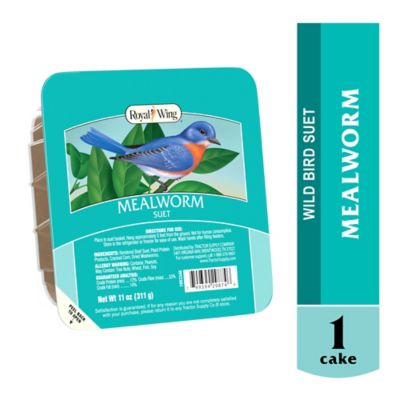
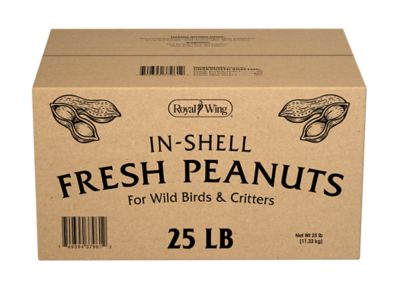
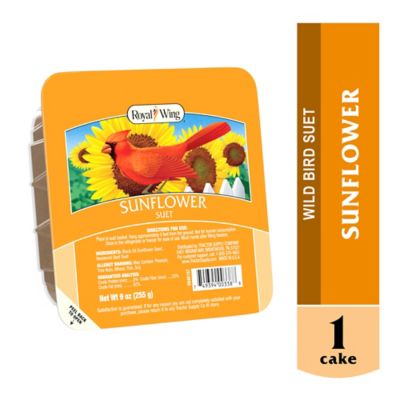
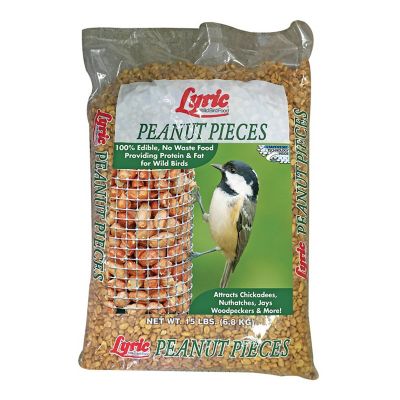
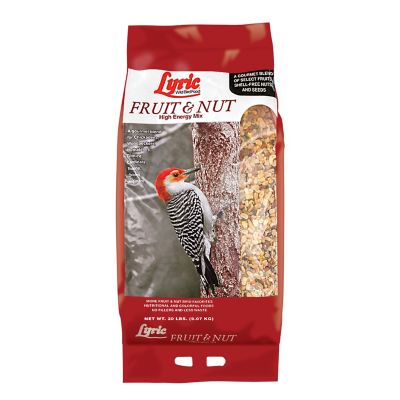
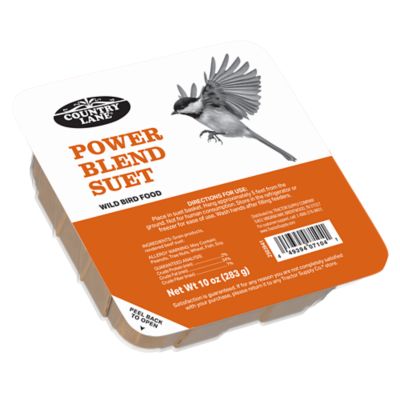
Seed is only part of the wild bird food category. Suet provides a concentrated fat source and often appeals to woodpeckers, nuthatches, and chickadees, including birds that may spend less time at a seed feeder. Suet cakes commonly combine a fat base with seeds, nuts, fruit, or insects, so both the ingredient list and the cake dimensions deserve a look. A cake should sit securely inside its holder rather than leave large gaps or require cramming into place. Loose nuggets and other suet forms need feeders designed to contain them. Peanuts bring fat and protein to the feeding station, with shelled pieces accessible to smaller birds and whole, in-shell peanuts better suited to larger visitors such as jays. Nuts intended for birds should be plain and free of salt, flavor coatings, or seasoning. Peanut pieces also need openings large enough for birds to reach the food without letting it pour onto the ground. Dried mealworms provide an insect-based option for birds such as bluebirds and wrens, although interest varies by species and by the other foods birds find nearby. A shallow dish with drainage can keep them within reach without mixing them into seed that attracts a different crowd. Fruit-containing blends may interest fruit-eating birds, but the presence of berries on a package does not mean the mix suits every backyard visitor. Ingredient proportions, food form, and feeder fit all shape how a food performs. For households wanting less cleanup beneath a feeding station, hulled sunflower, peanut pieces, and shell-free blends reduce discarded shells. They do not eliminate every crumb or dropped seed, and exposed kernels need particular attention to moisture. A little scattered food is normal; a layer that sits untouched suggests the serving size, blend, or feeder arrangement needs a change. Keeping different foods in separate feeders can also make it easier to see which birds prefer each one.
Package size and storage matter just as much as the recipe, whether the feeding station serves a small yard or a stretch of property with several feeders. A manageable bag that birds finish while the contents remain fresh can be a better fit than a larger bag that sits open for a long spell. Keep wild bird seed in a tightly closed container in a clean, dry location, protected from rodents and other animals. Holding on to the original label helps keep ingredients, feeding directions, and package details handy after the food moves into a storage bin. Food with mold, an unusual odor, damp clumps, or signs of pests should not go into a feeder. Adding fresh seed over old, compacted material can hide trouble at the bottom, so emptying and checking the feeder is part of routine care. Feeders need regular cleaning, thorough rinsing, and complete drying before refilling, with feeding paused if sick birds appear and local wildlife guidance followed. Drainage openings should stay clear, and spilled seed and shells should not build up underneath. Around barns and outbuildings, tidy feeding areas also help limit food that could draw rodents close to animal feed storage. Feeder construction matters here: smooth surfaces, accessible compartments, and removable parts make cleaning simpler, while sheltered feeding ports help protect the contents from moisture. Native plants, nearby cover, and clean drinking water round out a welcoming space without making purchased food a bird’s only resource. Adult backyard bird food also serves a different purpose from products in the
Baby Bird Food category; a wild nestling that may need help belongs under the guidance of a licensed wildlife rehabilitator, not on an improvised seed diet. For a neighbor who watches birds from the porch or a family member who keeps track of every visiting woodpecker, food matched to an existing feeder makes a thoughtful gift. The best fit starts with the birds, the feeding setup, and an amount that is easy to keep fresh.