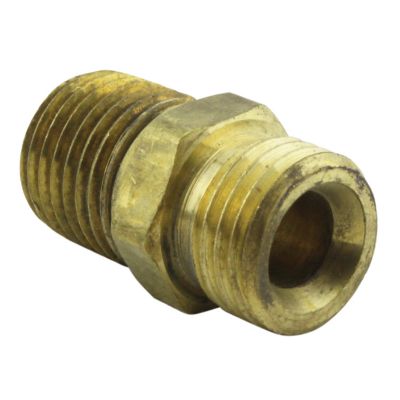
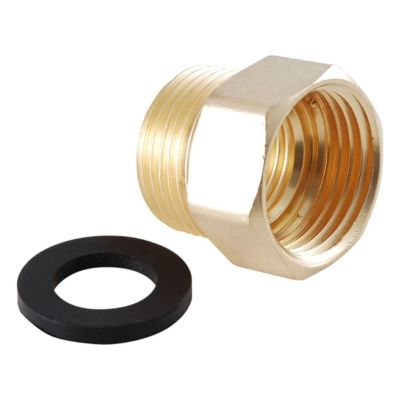
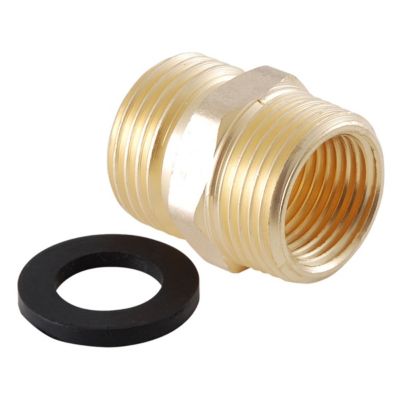
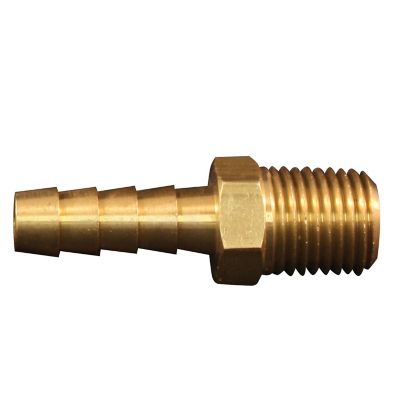
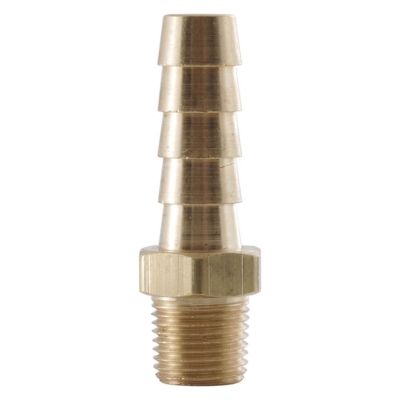
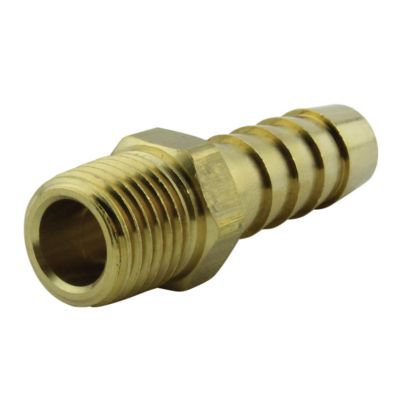
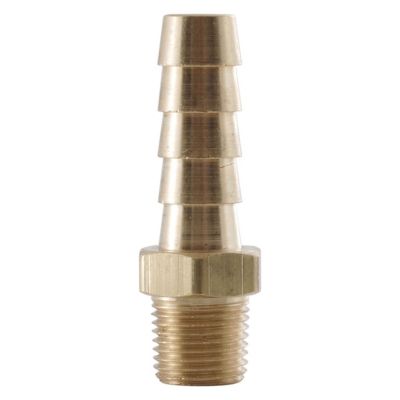
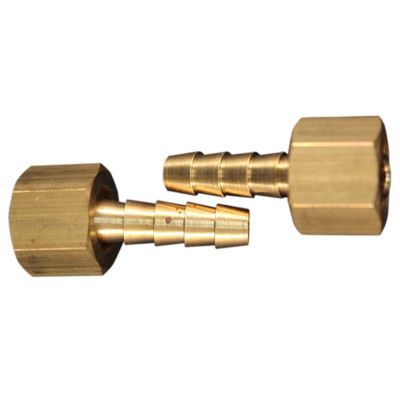
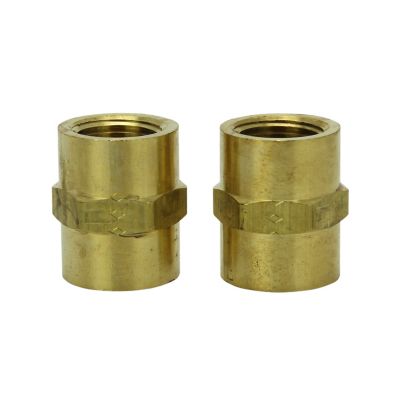
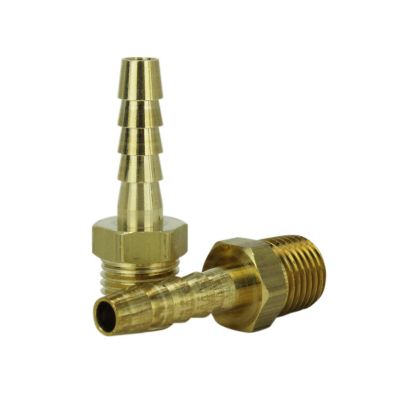
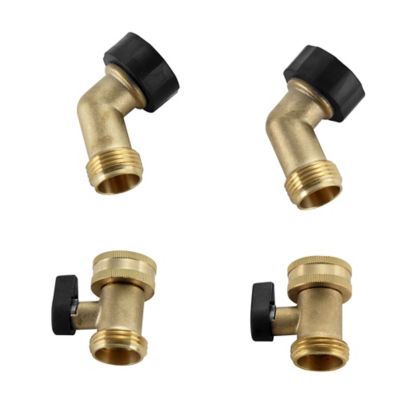
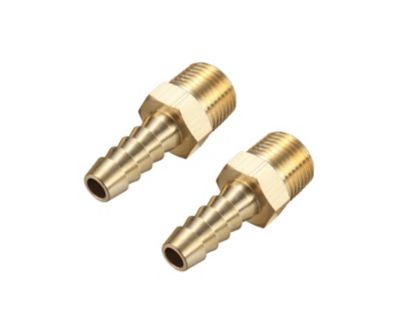
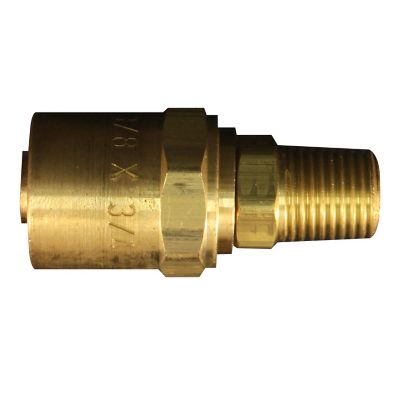
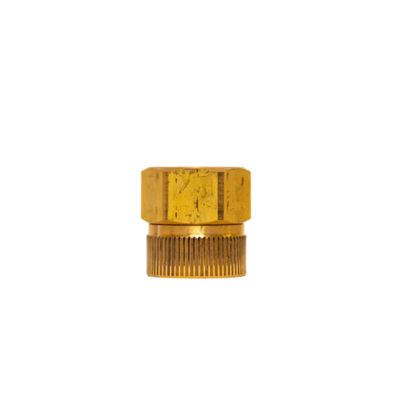
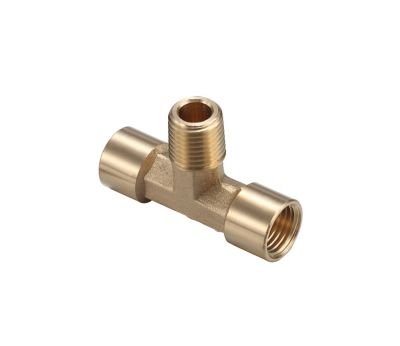
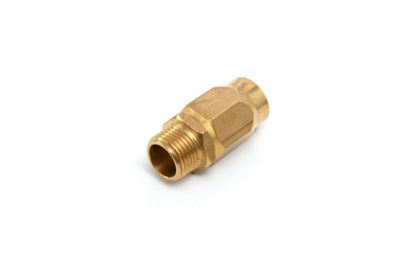
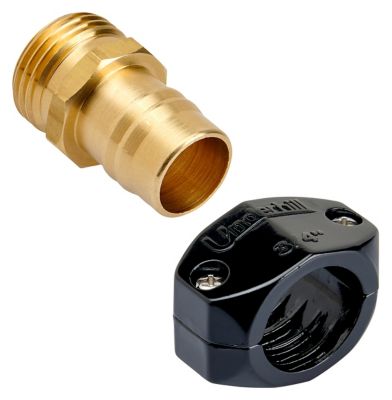
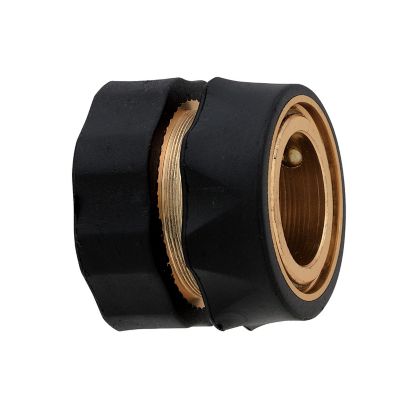
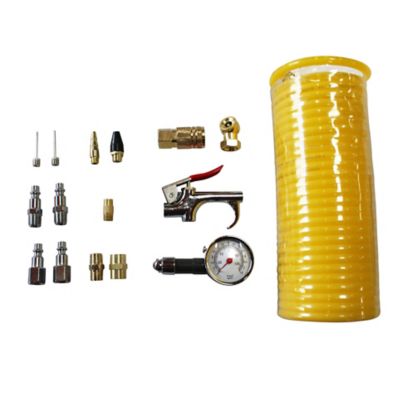
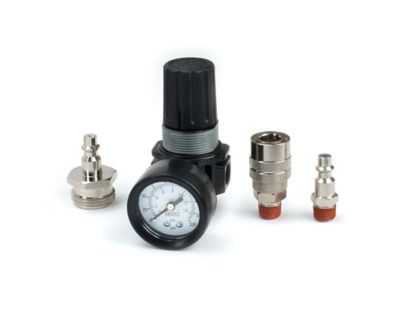
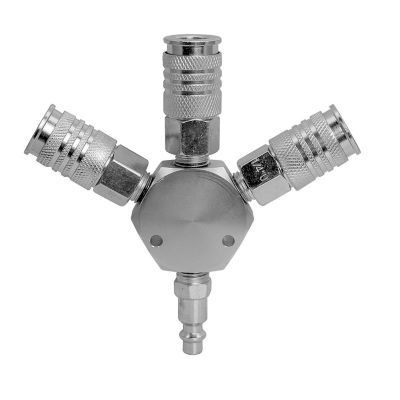
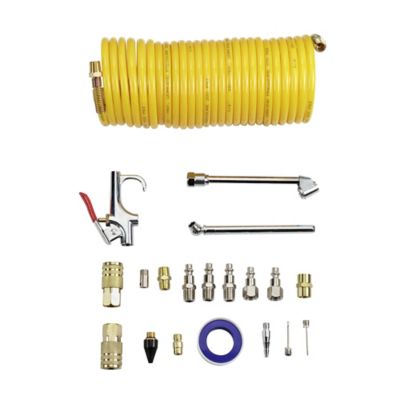
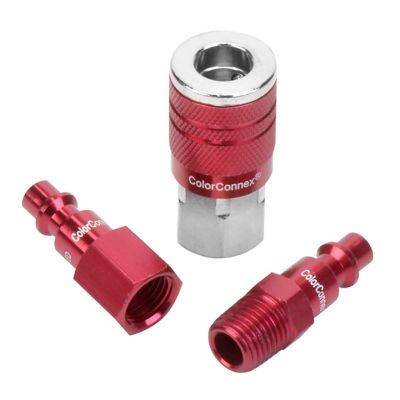
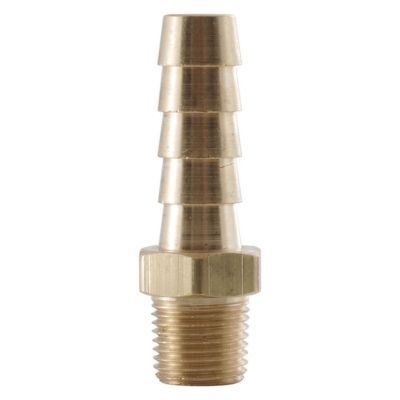
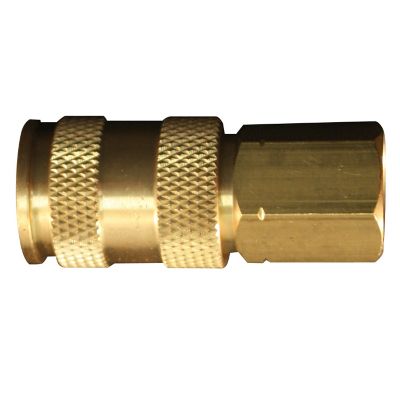
Brass hose fittings connect flexible hose to faucets, tools, tubing and other equipment, helping carry water or air where the job calls for it. Common fitting types include threaded adapters, hose barbs, couplers, elbows, tees and hose repair ends. Each serves a different purpose: an adapter joins compatible connections of different sizes or styles, a barb fits inside flexible tubing, and a coupler joins two matching hose ends. Around a farm, acreage or home workshop, these small parts help keep everyday chores moving, whether that means filling a stock tank, watering raised beds, rinsing muddy equipment or connecting a compressed-air hose. Brass is an alloy made primarily from copper and zinc, valued for its corrosion resistance, machinability and strength. Its threads hold their shape through routine handling, while its solid feel makes it a practical material for connections that get attached and detached regularly. Solid brass and brass-plated hardware are not the same construction; a brass-colored surface alone does not tell the whole story about the material underneath. Fitting specifications help establish what a connector is made from and which applications it can handle. Straight connectors suit simple hose runs, while angled fittings can help route a line around a tight corner without forcing the hose into a sharp bend. Tees and splitters create branches, although the water flow reaching each branch still depends on the supply and the demands placed on it. Shutoff fittings add control near a hose end, and quick-connect styles make repeated attachment easier when their mating halves belong to the same compatible system. For someone tending livestock, maintaining a garden or working out of a garage, the best match is less about appearance and more about how the fitting fits into the whole setup. A connector that supports the hose’s natural path, matches the equipment and leaves room for a hand or wrench can make a cramped connection much easier to manage.
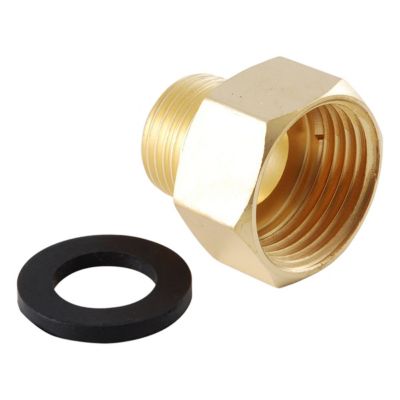
Fit starts with the connection standard, not just the size printed on a fitting. Standard garden hose connections in the United States commonly have 3/4-inch garden hose threads, often labeled GHT, MHT for male hose thread or FHT for female hose thread. This nominal thread size does not describe the hose’s inside diameter, so hoses with different bore sizes can still share the same garden hose connection. For everyday watering connections,
brass garden hose connectors serve the familiar connection points between spigots, hoses, watering attachments and compatible splitters. Garden hose threads are straight, and the seal at a typical female swivel connection comes from a seated washer rather than from the threads themselves. Pipe-thread fittings follow a different standard. NPT means National Pipe Taper, with MNPT and FNPT identifying male and female ends. These tapered threads form a connection differently and generally call for a compatible thread sealant according to the fitting manufacturer’s directions. Garden hose threads and NPT threads are not interchangeable, even when their nominal sizes sound alike. A brass adapter can bridge the two standards only when each end matches the connection it joins. Male ends have external threads, while female ends have internal threads; knowing the size and type at both ends helps avoid a fitting that almost starts but binds before seating. Hose barb sizing adds another measurement to check because the barb generally corresponds to the hose’s inside diameter. The hose material, wall thickness and specified fastening method also matter, with a suitable clamp or ferrule helping secure the tubing where the fitting design requires one. A hose repair end, for example, needs to match the hose dimensions and construction rather than simply look close enough. Reducing adapters connect different sizes, but a narrower passage can restrict flow. That matters when a long hose run already delivers less water than a short one, or when an air tool needs enough airflow to perform its job. Matching the full connection path helps prevent a small fitting from becoming the bottleneck in an otherwise workable setup.
Intended use matters just as much as thread fit. A brass fitting meant for ordinary garden watering is not automatically suitable for drinking water, compressed air, fuel, chemicals or a pressure washer. Pressure ratings, material compatibility and the manufacturer’s stated applications set those boundaries. Drinking-water connections call for fittings identified and certified for that purpose, including the applicable lead-free requirements; brass construction by itself does not establish potable-water suitability. Compressed-air connections need fittings and couplers rated for the system, with matching connection profiles throughout. Garden hose quick-connect parts and air-line couplers should not be treated as interchangeable simply because both snap together. For livestock watering, a fitting also needs to suit the tank, valve or watering equipment it connects to, along with any requirements for that water supply. Care is straightforward but worth paying attention to, especially when a hose gets dragged across gravel or disconnected beside a dusty barn wall. Clean threads, an intact washer and a hose end free of splits give the connection a better chance of sealing without extra force. Grit can interfere with seating, while a flattened or cracked washer can leave water dripping even when the threads are fully engaged. Extra wrench pressure is not a cure for mismatched threads or a worn seal, and overtightening can damage the fitting or the component attached to it. Brass can darken with handling and exposure, but visible cracks, deep pitting, distorted threads or looseness deserve closer attention than surface color alone. Compatible cleaning methods help protect both the metal and any seals inside the assembly. Shutting off the supply and relieving pressure before disconnecting keeps a routine change from turning into a whipping hose or an unexpected spray. Good hose routing helps, too: leaving enough slack near the connection reduces sideways strain, and keeping heavy attachments supported takes leverage off the fitting. With the right material, connection type and rating, brass hose fittings handle the small but important job of joining the parts that keep chores moving.