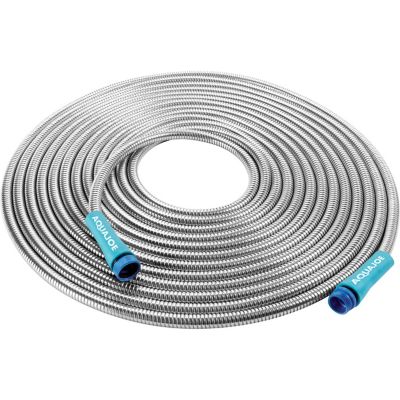
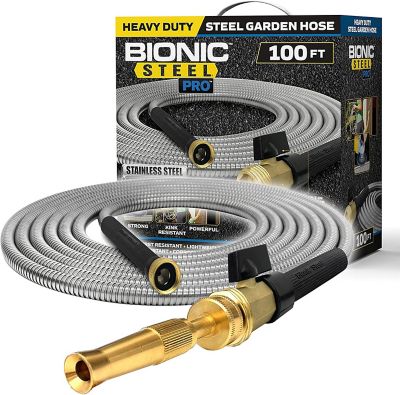
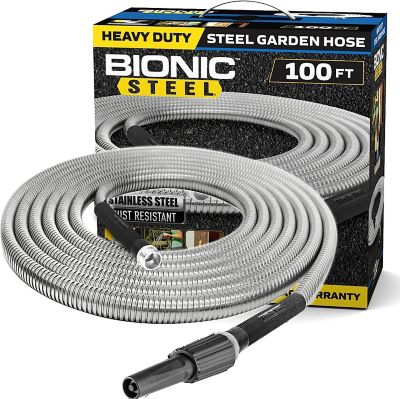
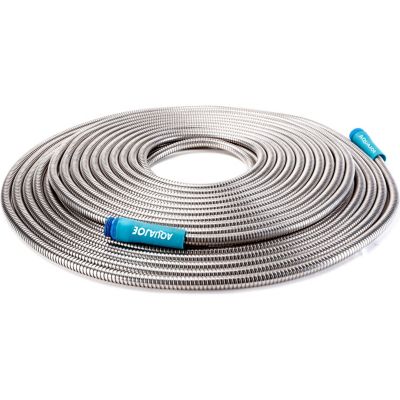
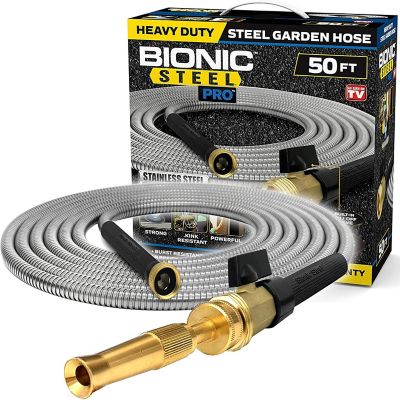
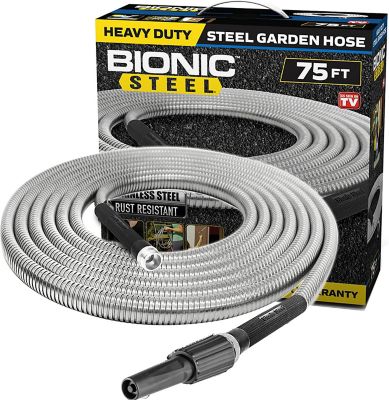
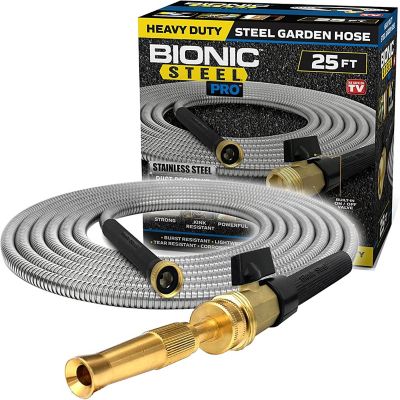
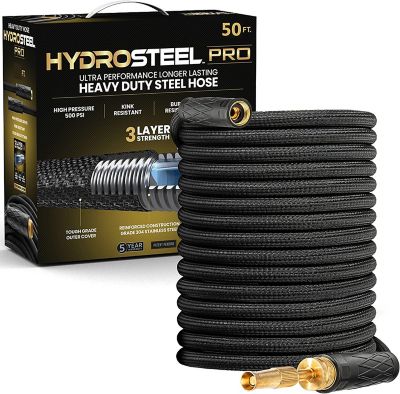
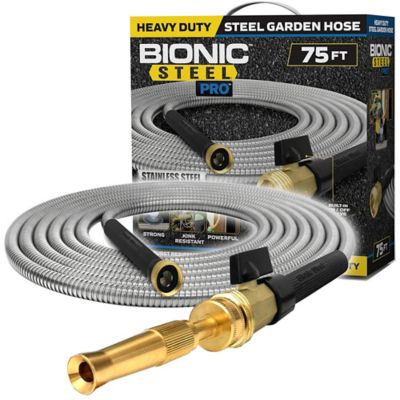
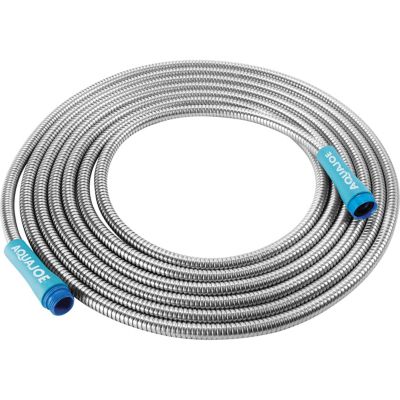
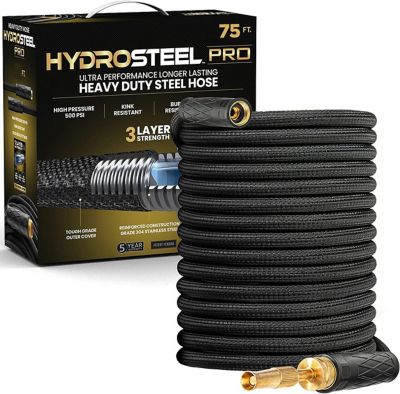
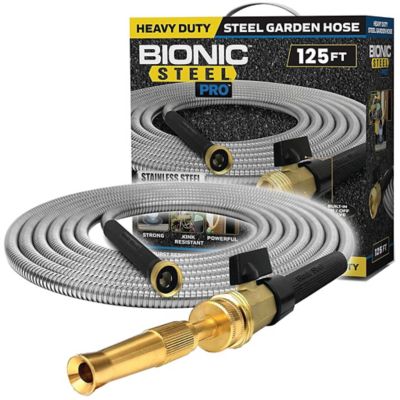
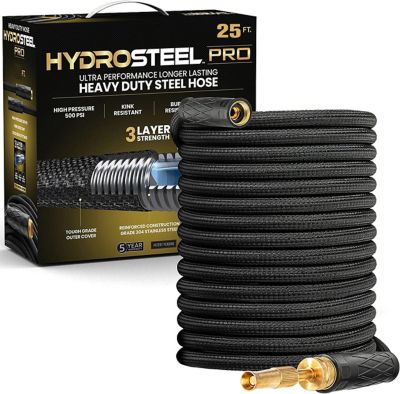
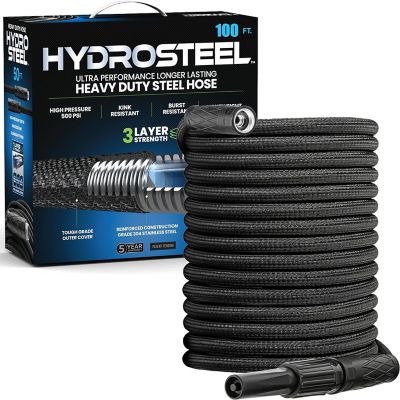
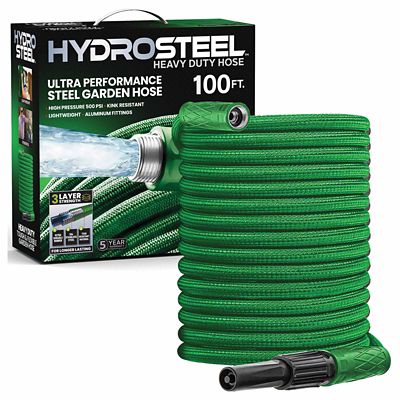
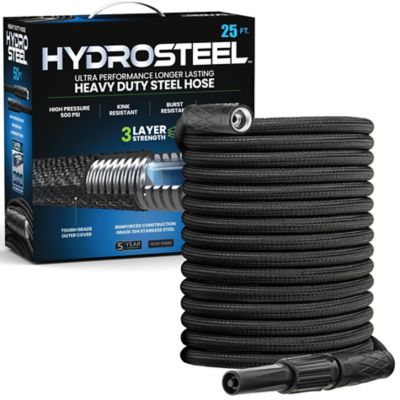
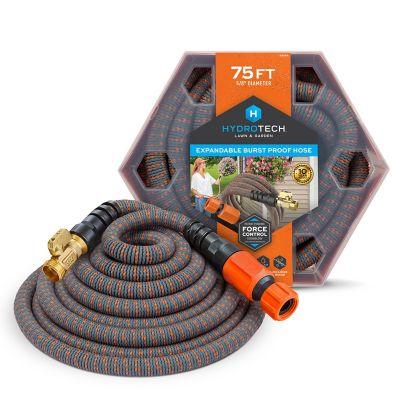
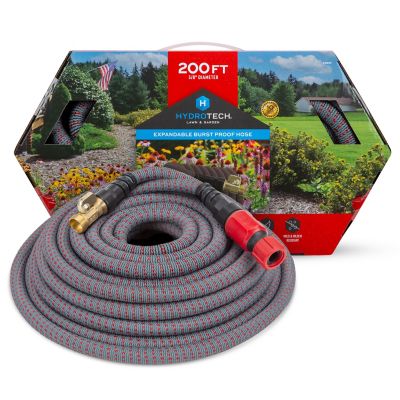
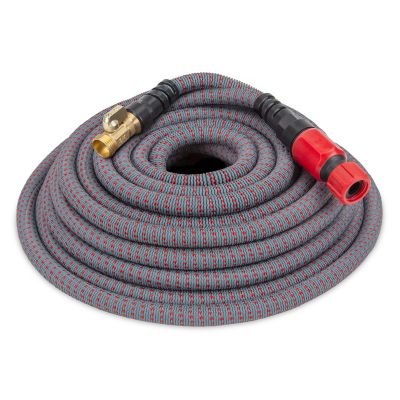
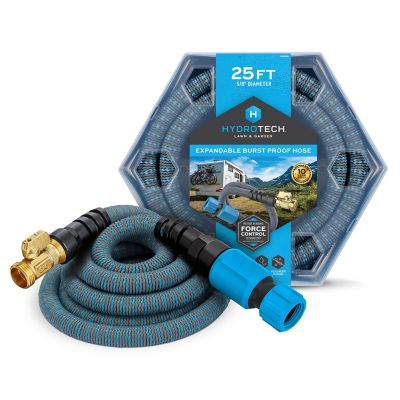
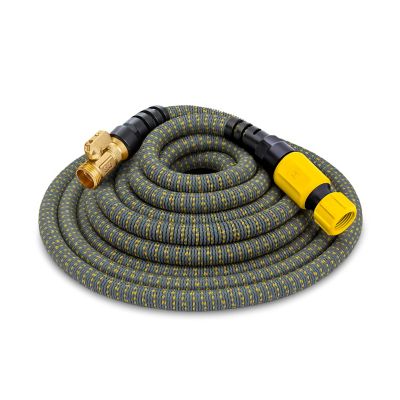
Stainless steel hoses generally pair a flexible inner tube with a protective stainless steel outer jacket, giving water a path through the center while the metal exterior helps shield that tube from scrapes and everyday wear. For garden and yard applications, the inner tube is often a flexible polymer rather than metal; the stainless steel you see on the outside does not necessarily touch the water flowing through the hose. Some industrial transfer hoses have corrugated metal cores, so construction matters more than appearance alone. Around a garden, barn, or backyard work area, a stainless steel garden hose can handle familiar chores such as watering raised beds, rinsing muddy tools, washing wheelbarrows, and filling buckets where the hose’s water-contact rating allows. An interlocking metal jacket can help the hose move around corners without folding as readily as some unreinforced tubing, though kink resistance does not mean a hose cannot bend too sharply or become tangled. The jacket also adds a barrier between the inner tube and gravel, rough edges, or an occasional scrape against a fence post. It does not make the hose puncture-proof, chew-proof, or safe to drive over. Stainless steel grades such as 304 and 316 offer corrosion resistance, with 316 generally providing greater resistance to chloride exposure, but the grade alone does not establish the strength or suitability of the complete hose. The inner tube, jacket design, end fittings, and assembly all contribute to how it handles a job. A smooth exterior, manageable weight, and a bend that follows the path between a spigot and a watering spot can matter just as much as the metal specification. For homeowners tending planting beds, small-acreage owners cleaning equipment, and folks keeping a busy barn aisle tidy, the practical appeal is a flexible water hose with an outer layer that takes some of the rubbing and scuffing that comes with work around the place.
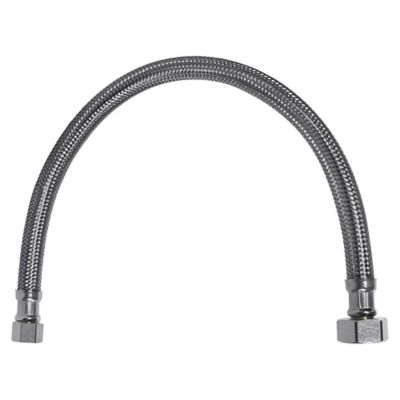
Length, inside diameter, and connection type help determine whether a stainless steel hose fits the work without becoming a nuisance. A hose should reach the far end of the intended watering area with enough slack to move around a gate or corner, but extra length adds more hose to carry, drain, and put away. Long runs and smaller inside diameters can also reduce flow, which becomes noticeable when filling a large tub or running a sprinkler. The hose’s outside appearance does not tell the whole story: a metal-covered hose may have a smaller water passage than expected, so the stated inside diameter deserves a look. Many garden hoses connect with 3/4-inch garden hose threads, but that connection size is not the same measurement as the hose’s inside diameter. Garden hose threads, pipe threads, and compression fittings are not interchangeable simply because their listed sizes look similar. Coupling material, grip, and washer condition also affect the connection. Broad gripping surfaces can make a coupling easier to turn with work gloves, while a sound washer helps seal the joint without excessive tightening. A swivel connection can make attachment easier without twisting the whole hose. For fixed connections at fixtures and appliances,
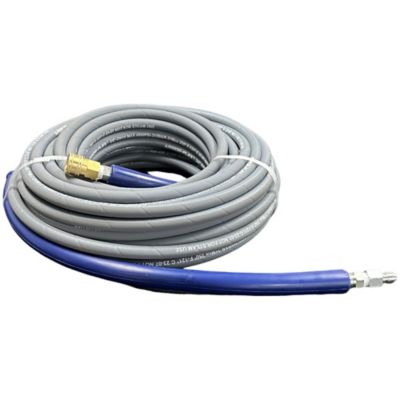
Stainless Steel Braided Water Lines serve a different purpose from a hose that moves around the yard; their fittings, lengths, and application ratings need to match the installation. Working-pressure ratings matter for either category, and a burst-pressure figure is not a substitute for the stated working limit. An ordinary garden hose also cannot replace the high-pressure hose between a pressure washer pump and its spray gun. Drinking-water suitability is another separate consideration. A stainless steel exterior does not establish that the liner, seals, or fittings are suitable for drinking water. For filling animal water containers or supplying water intended for people to drink, the entire hose assembly needs a rating for that purpose. The same attention applies to chemical compatibility when a hose will carry anything other than plain water.
Day-to-day handling has a lot to do with how long a stainless steel hose stays in service. The metal jacket can take rubbing that would otherwise reach the inner tube, but it still benefits from a clear path across the yard. Dragging a hose beneath a sharp gate edge, trapping it under a heavy implement, or pulling it around a tight corner puts stress on the jacket and the tube beneath it. A broad loop around a post is easier on the hose than a hard bend, and lifting it over a rough threshold can prevent repeated scraping in the same spot. Near a barn or workshop, keeping the hose out of vehicle tracks also protects the fittings, which can suffer damage even when the metal covering looks intact. After watering or washing, shutting off the supply and releasing pressure at the nozzle takes strain off the assembly before storage. A hose should not stay under constant pressure unless its instructions expressly permit that application. Draining it, wiping away mud, and removing fertilizer residue help keep the exterior and connections clean. Stainless steel resists corrosion, but trapped dirt, salts, and certain chemicals can still leave deposits or contribute to corrosion over time. Mild cleaning methods that suit the manufacturer’s directions are a better match than harsh cleaners or abrasive scraping. Storage works best when the hose rests in relaxed coils or on a reel suited to its length and bend requirements, without sharp folds or heavy equipment piled on top. Routine checks around the couplings can reveal worn washers, loose connections, damaged jacket sections, or leaks before the next chore. A snagged or broken metal strand deserves attention because it may leave a sharp edge. Whether the next task is rinsing a feed scoop, watering a row of beans, or washing dirt from a shovel, the right construction and sensible care help keep a stainless steel hose ready for the work.