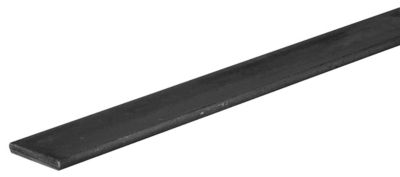
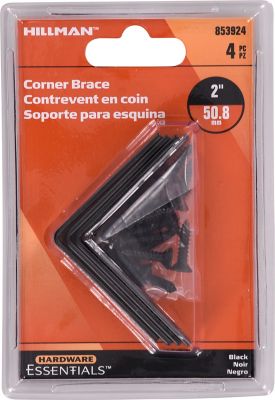
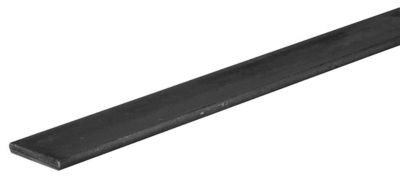
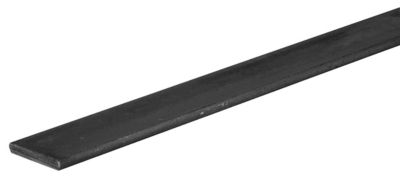
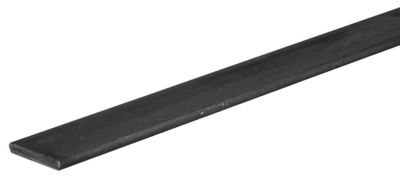
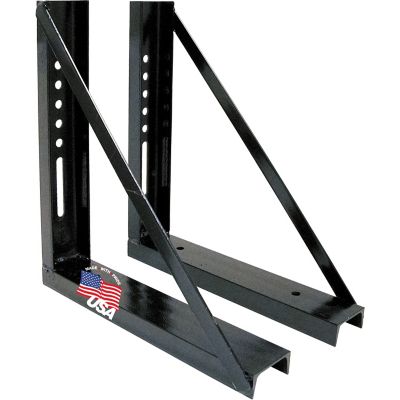
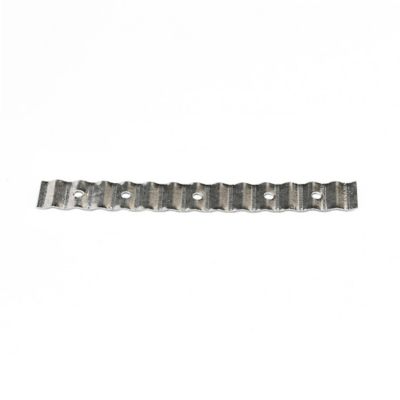
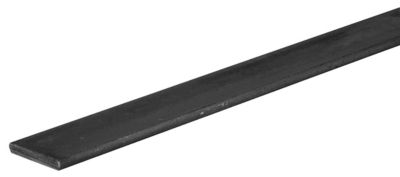
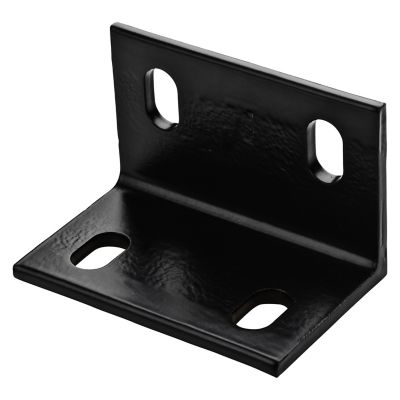
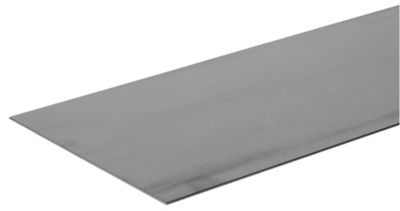
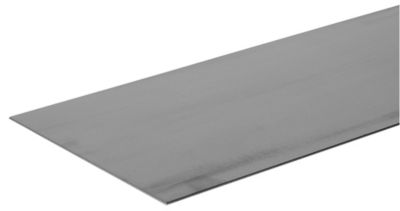
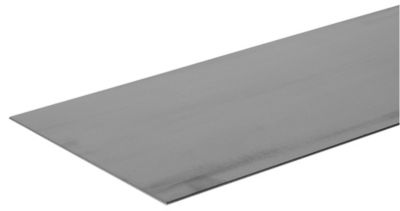
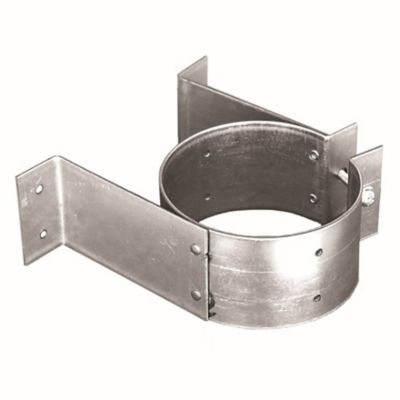
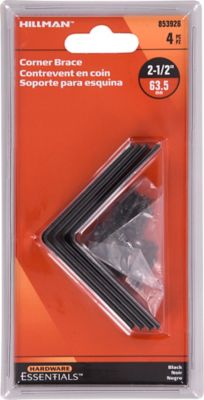
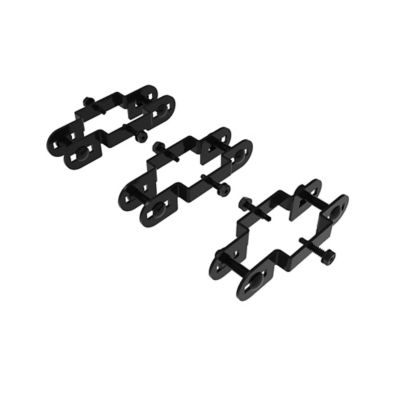
Steel braces help add strength, stability and dependable support to projects around the farm, homestead, workshop and home. In building and repair work, the term usually refers to metal brackets or reinforcing hardware used where two pieces meet or where a post, beam or frame needs a little extra help staying square. They can be useful for framing walls, building decks, securing pergolas, reinforcing fence corners, supporting gates and tightening up joints on outdoor structures. A well-placed brace helps spread the load across a connection, keeps lumber aligned and reduces movement caused by wind, weather, daily use or settling ground. That extra support can make a noticeable difference on everything from a small garden structure to a livestock shelter, especially when a project needs to stand up through wet ground, heavy use and the changing conditions that come with the cooler seasons. When shopping for steel braces, start by looking at the job rather than choosing by appearance alone. Consider the size and weight of the materials being joined, the direction of the load, the number of fastener holes and whether the brace will be used indoors, under a roof or out in the weather. A brace for a light-duty corner may not be suited for a load-bearing connection, while a heavier connection may call for thicker steel and more fastening points. Check the dimensions against the width of your boards, posts or beams, and make sure the shape matches the corner or joint you are reinforcing. It also helps to lay out the connection before drilling, since a brace works best when it sits flat and has solid contact with both pieces of material. A tape measure, level and square are simple tools that can save a lot of head-scratching once the work gets underway.
For outdoor projects, pay close attention to the finish and the surrounding materials. Protective coatings can help steel resist rust, but no brace should be treated as completely maintenance-free when it is exposed to rain, snow, mud or animal moisture. Look for a finish suited to the environment, use fasteners intended for the material and keep an eye out for chipped coating, surface rust or loosening hardware during routine property checks. In areas that stay damp, such as around water troughs, low fence lines or open-sided sheds, thoughtful placement and regular inspection matter just as much as the brace itself. A connection that is kept tight and reasonably dry has a better chance of staying dependable. Before installation, make sure the wood or other framing material is sound, with no major splits, rot or crushed areas beneath the connection. A steel brace can reinforce a good joint, but it cannot make damaged lumber structurally sound. For fence corners and gates, braces help posts remain aligned when the ground shifts or a gate is used several times a day. For decks, porches and pergolas, they can help steady corners and reduce sway. In a barn, shed or workshop, they may support framing repairs, shelving connections or other non-engineered improvements. Always follow the project plans and local building requirements for structural work, and seek qualified help when a connection carries significant weight or affects the safety of a home, roof, deck or animal enclosure. Folks who have spent a Saturday rebuilding a sagging gate know that a few minutes spent checking alignment before fastening can save a full afternoon of taking boards back apart.
Steel braces can also describe traditional orthodontic braces, which are a completely different type of product and are fitted by dental professionals. Dental braces generally use small metal brackets attached to the teeth, an archwire that runs through the brackets and gentle, controlled pressure to guide teeth into a new position. Tiny bands or other components may hold the wire in place, depending on the treatment plan. Stainless steel and similar dental materials are valued for strength and durability, and traditional metal braces can be used to address a range of alignment and bite concerns. They are not a do-it-yourself item, and anyone considering orthodontic treatment should work with a licensed orthodontist or dentist for an evaluation, fitting, adjustments and aftercare. For shoppers browsing metal hardware, sorting the intended use before ordering helps avoid confusion between orthodontic terminology and construction supplies. Color and finish may also matter when choosing visible metal hardware for a fence, garden structure or workshop project; a darker finish can blend into painted lumber and shadowed corners, while a bright finish may be easier to spot during inspections. For another finish option, browse
Black Braces. Whether you are reinforcing a corner before the wind picks up, steadying a gate that sees daily traffic or adding support to a backyard project, choose a brace that matches the material, load and environment. Keep the hardware clean, use the right fasteners, tighten connections as needed and give outdoor structures a careful look as weather shifts from mild days to colder, wetter conditions. That practical approach keeps small repairs from turning into bigger jobs and helps your projects stay sturdy season after season.