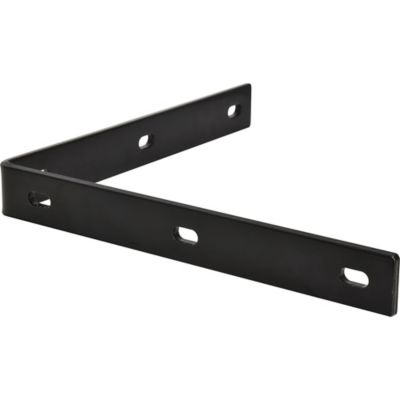
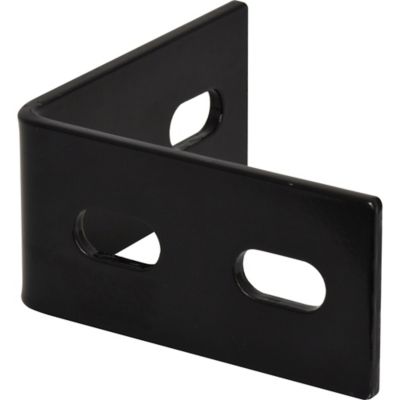
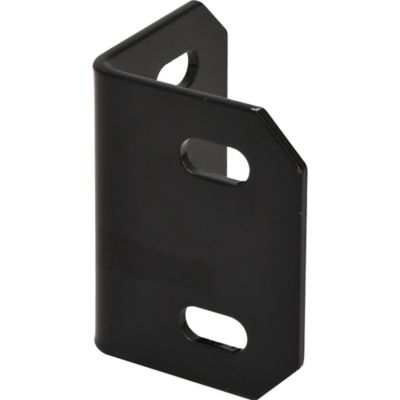
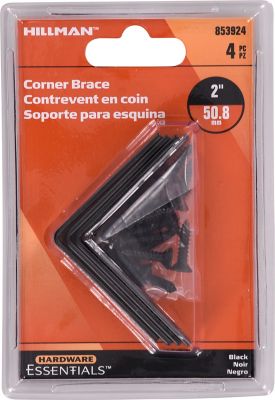
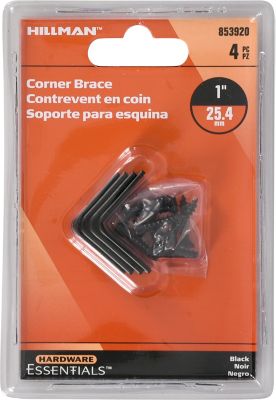
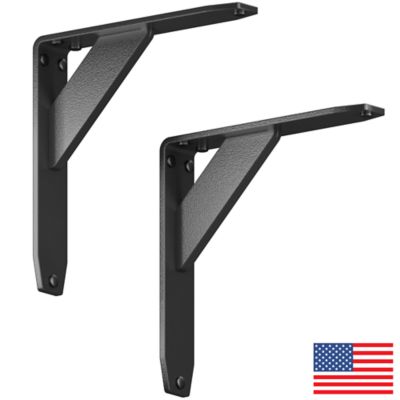
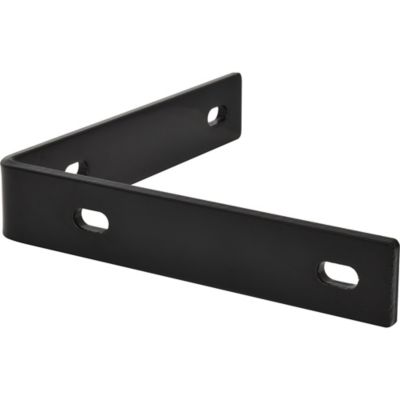
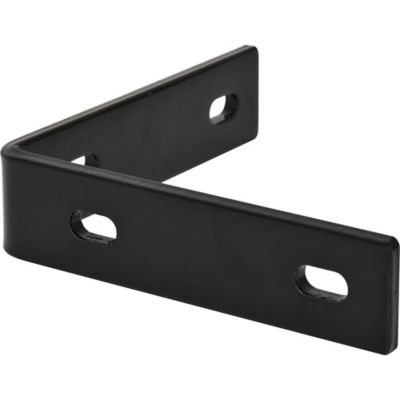
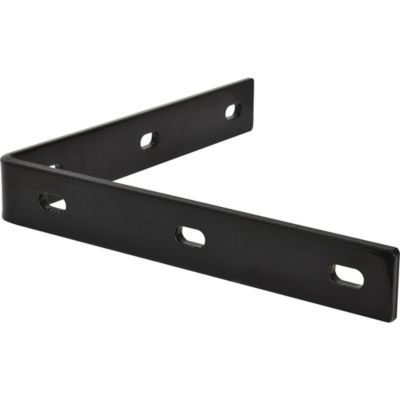
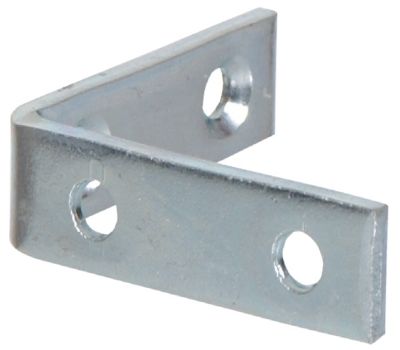
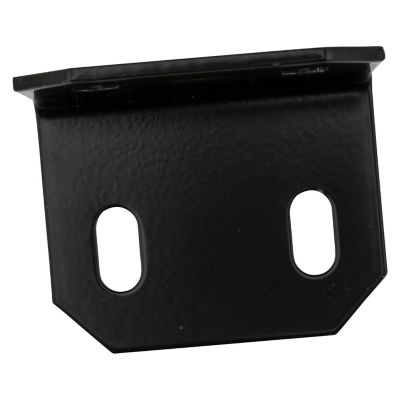
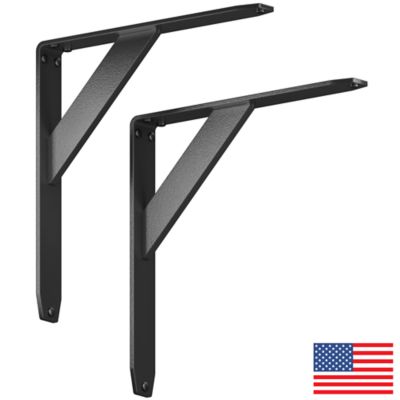
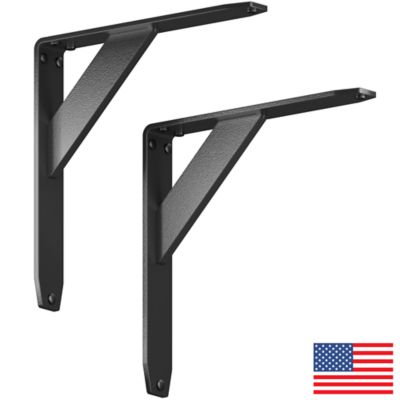
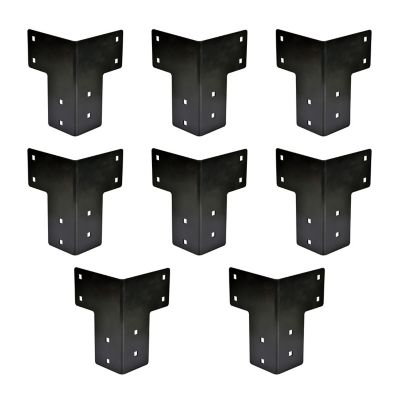
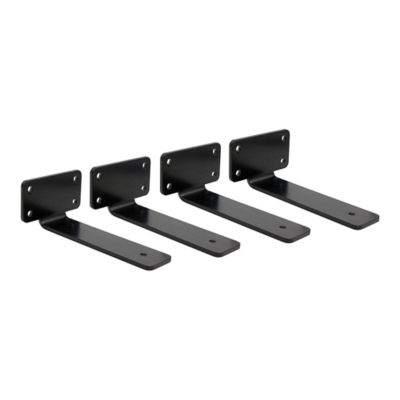
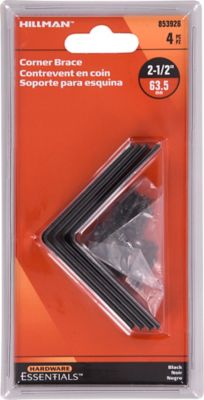
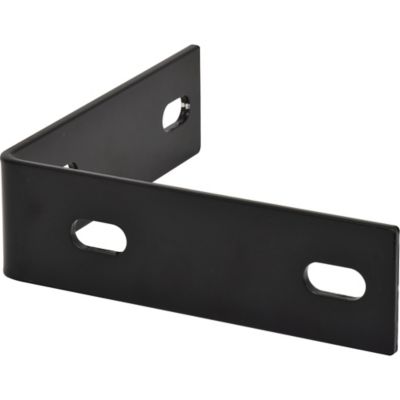
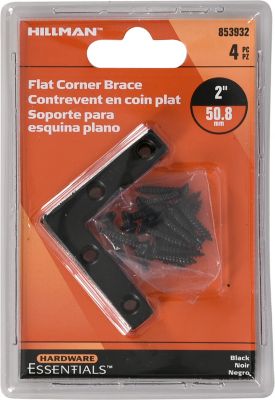
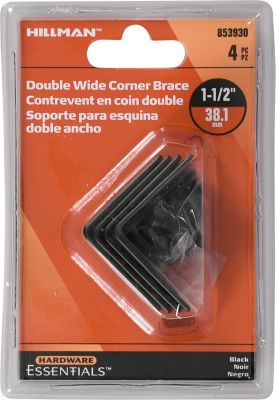
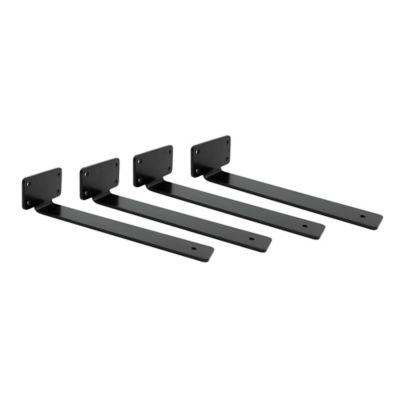
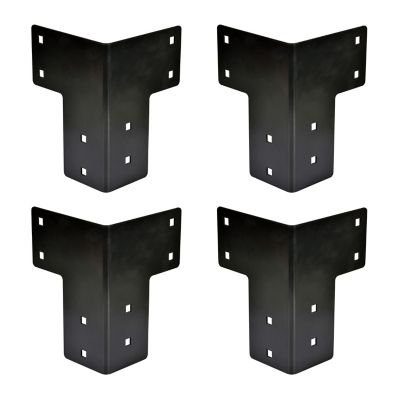
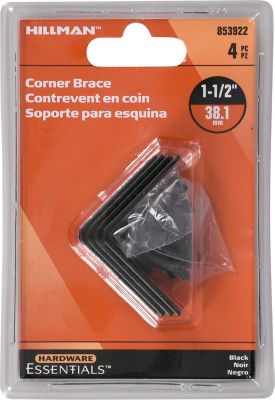
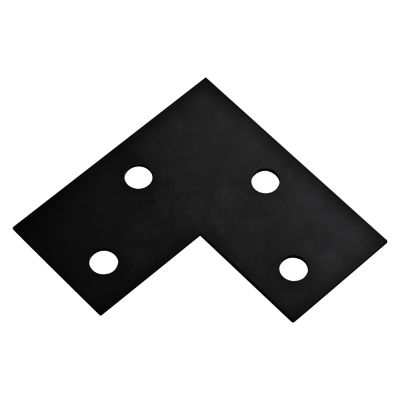
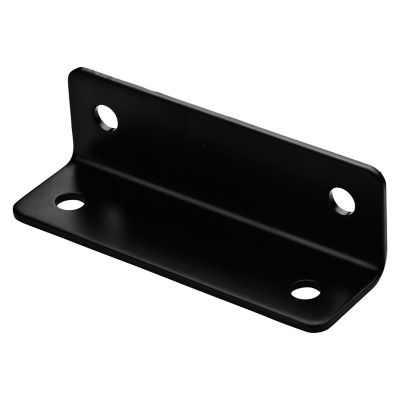
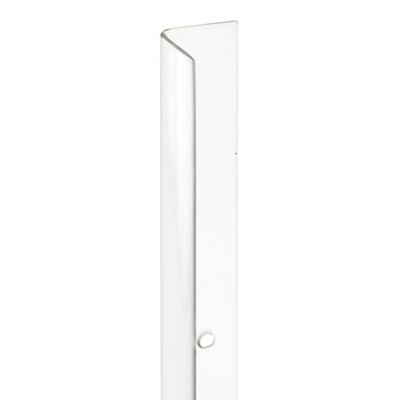
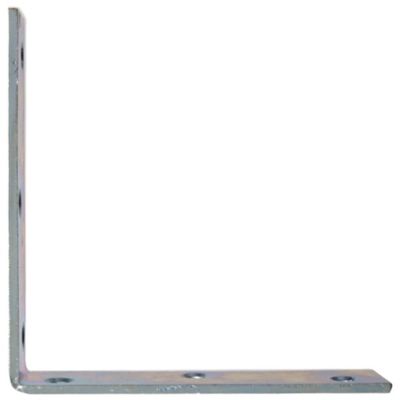
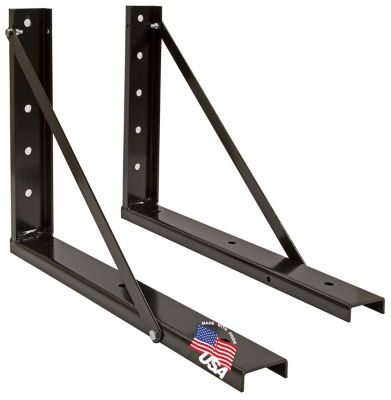
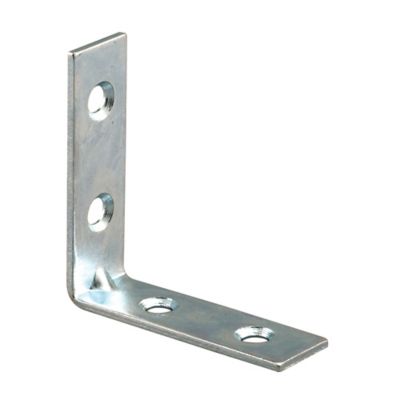
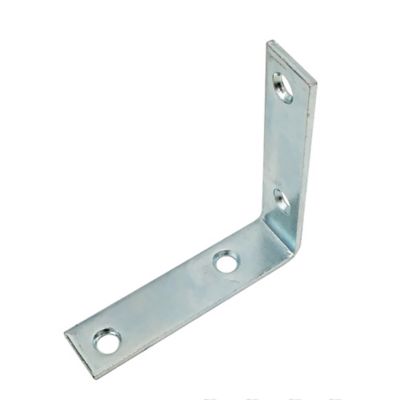
Black metal corner braces are practical L-shaped brackets made to reinforce a 90-degree joint where two pieces meet. They are commonly used on shelves, benches, cabinets, worktables, planter boxes, storage racks and other woodworking projects that need a little more strength at the corner. The black finish gives them a clean, understated look that works well with stained wood, painted boards, plywood and dark hardware, while the metal construction helps steady joints that may loosen or flex over time. On a farm, in a garage or around the house, these small brackets can make a big difference in the way a project holds together. They may be used on the inside of a frame where the brace stays mostly out of sight, or installed on the outside as part of a more industrial, rustic or farmhouse-style design. Some are plain and compact for strictly functional repairs, while others have wider faces, decorative shapes or cast detailing that can turn a support piece into part of the finished look. When comparing black metal corner braces, start by looking at the size of the brace and the amount of material it covers on each side of the joint. Small braces can be a good fit for lightweight shelves, picture frames, small boxes and narrow cabinet repairs. Larger braces generally provide more surface area and may be better suited to benches, work surfaces, broad shelving or structural reinforcement, provided the surrounding wood and fasteners are strong enough for the job. A longer brace is not automatically the right choice; it needs to fit the available space without interfering with drawers, doors, legs, plumbing, wiring or anything stored nearby. Check the manufacturer’s stated load capacity when one is provided, and remember that the full assembly includes the board, joint, screws and mounting surface—not just the bracket itself.
The metal and finish are also worth considering before adding braces to an indoor or outdoor project. Steel is a common choice because it offers dependable strength, while stainless steel is better suited to places where moisture, condensation or corrosive conditions may be a concern. A black coating can help protect the surface and provide a finished appearance, but it does not make every brace completely weatherproof. For a barn, shed, trailer, porch or other semi-exposed area, look for construction and finish details that match the conditions, and keep standing water from collecting around the hardware. Inspect the brace for a flat fit against both surfaces, with no bowing or sharp burrs that could keep it from sitting securely. Screw-hole design matters, too. Countersunk holes allow compatible screw heads to sit flush with the face of the brace, which creates a smoother finish and helps prevent snags on clothing, feed bags, tools or stored goods. Double-wide or wider styles can spread support over more of the joint, while a pair or several evenly spaced braces may help distribute force better than one bracket placed in the middle. Before fastening, bring the two boards into a true 90-degree position and use a square to check the corner. Mark the holes, select screws that are long enough to grip the material without poking through, and predrill near the ends of boards to help prevent splitting. Use fasteners suited to the material and environment, and do not rely on short screws in soft, damaged or crumbly wood. For a heavier project, fastening into a solid frame member is generally more dependable than attaching only to thin paneling. A brace can reinforce a sound joint, but it cannot make rotten lumber, cracked boards or an undersized support safe for heavy loads. If the project will carry people, overhead weight or valuable equipment, follow the project’s engineering requirements and use additional support where needed.
These brackets are useful for weekend repairs and planned builds alike. A homeowner might use black metal corner braces to steady a wobbly utility shelf before the cooler months bring more time indoors, while a woodworker may keep several sizes on hand for building shop furniture, tack-room storage or a sturdy workbench. They can help refresh an old table, reinforce a loose cabinet corner, secure a small set of garage shelves or add confidence to a homemade rack for tools and supplies. Gardeners may use them on raised-bed frames, potting benches and storage stands, though exposed projects should be checked regularly for moisture damage and movement. In a mudroom or entryway, a dark brace can pair naturally with hooks, reclaimed boards and other rugged hardware. They also make a handy addition to a housewarming gift, a workshop starter kit or a care package for someone who enjoys building and fixing things, especially when matched with a tape measure, square, driver bits or assorted screws. For projects that call for a different shape or a more continuous length of metal, browse
Steel Angle Brackets for another style of corner reinforcement. Whether the goal is a simple repair or a piece of furniture meant to last for years, choose braces that suit the joint, match the expected load and complement the finished project. Measure twice, keep the corner square, install the hardware firmly and give the completed work a careful check after it has been used and settled.