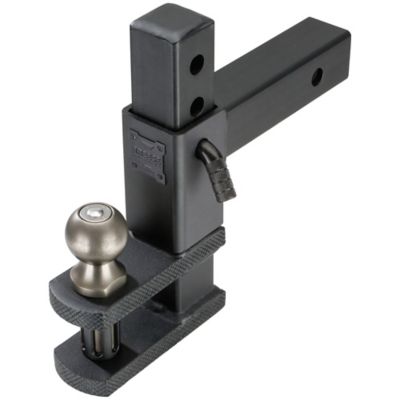
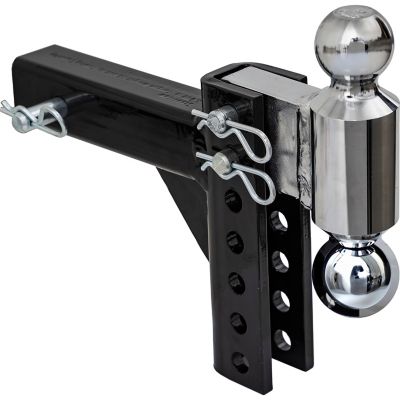
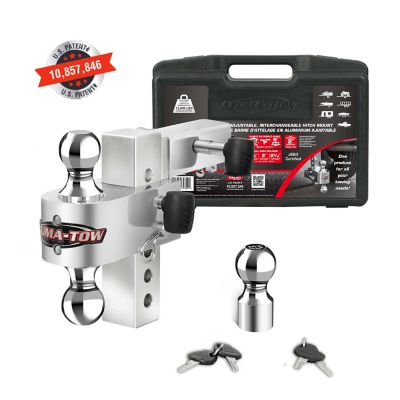
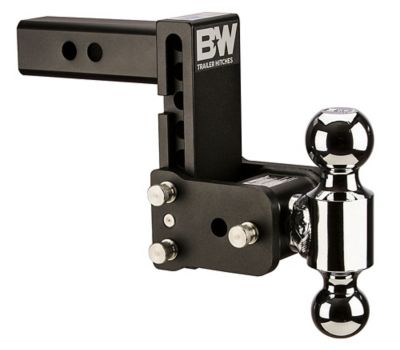
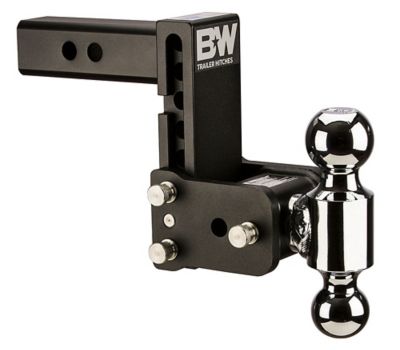
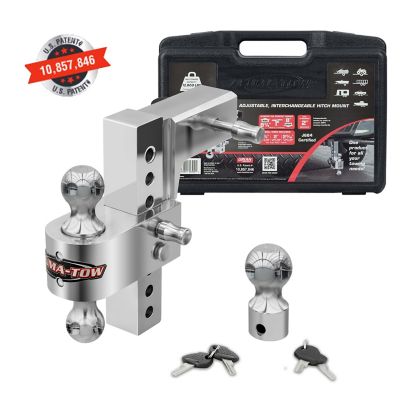
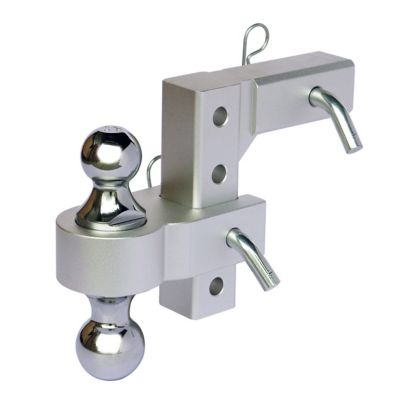
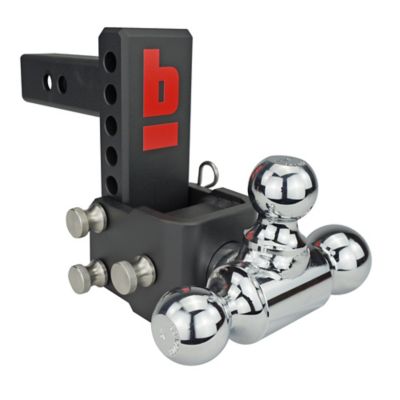
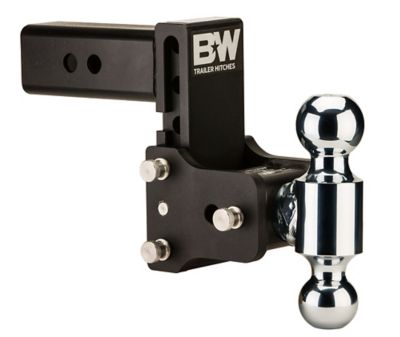
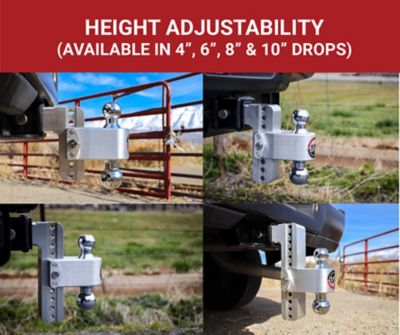
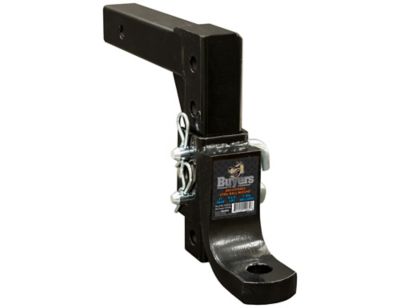
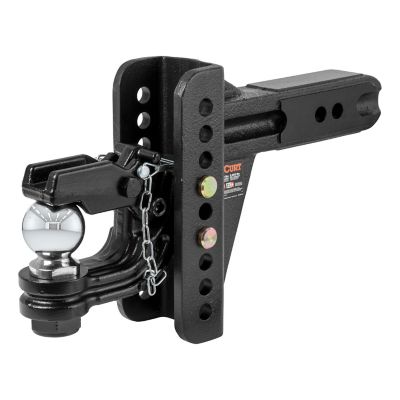
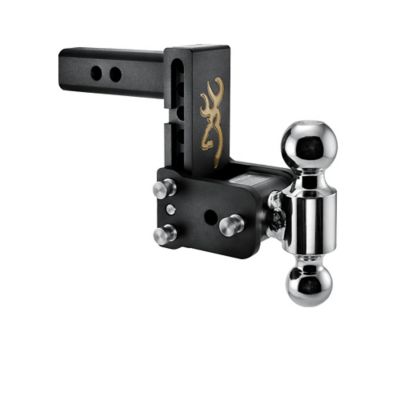
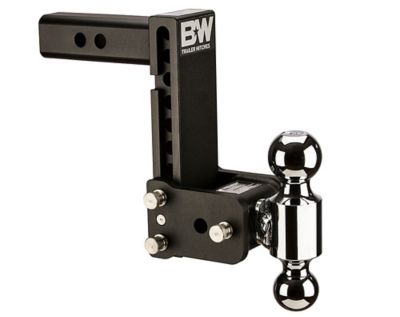
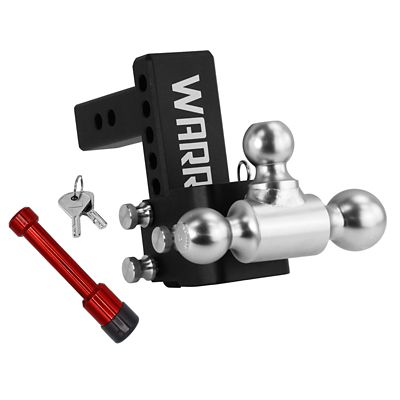
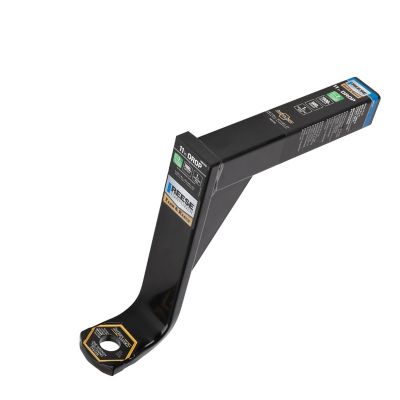
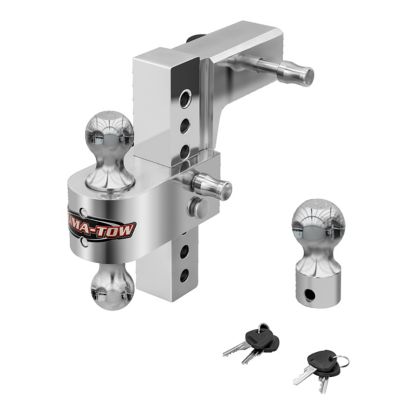
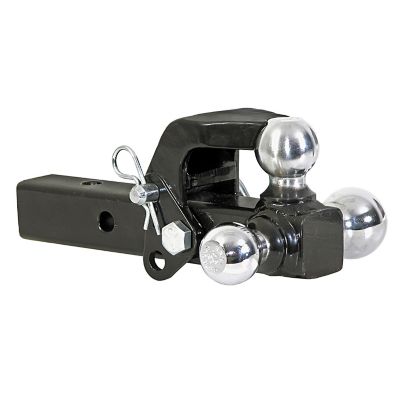
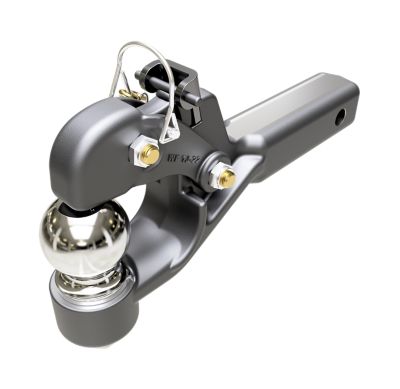
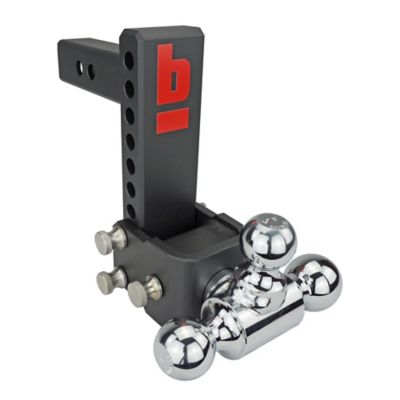
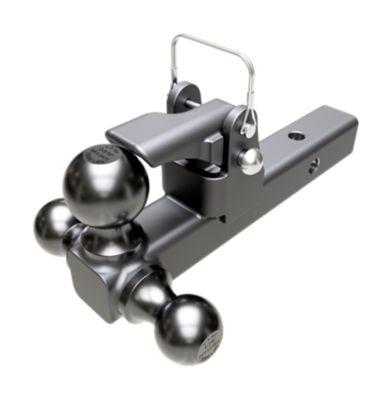
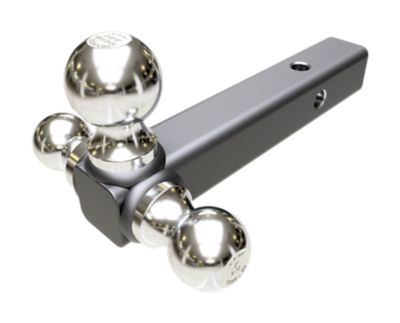
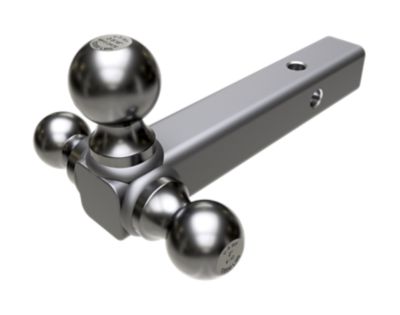
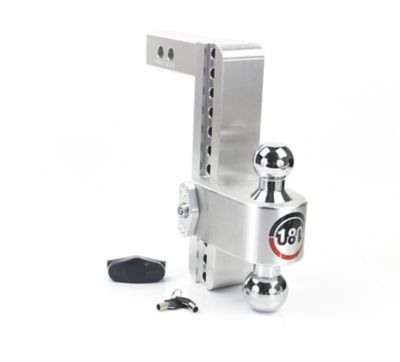
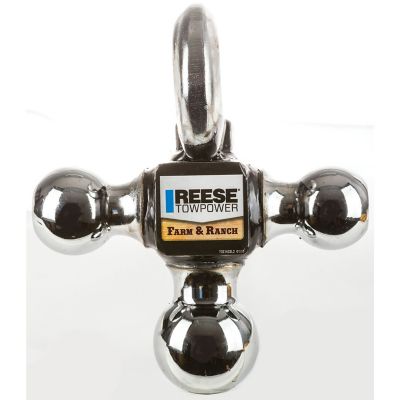
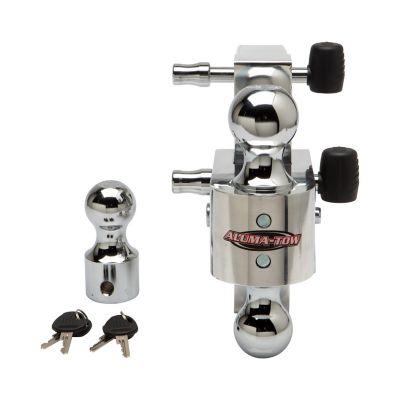
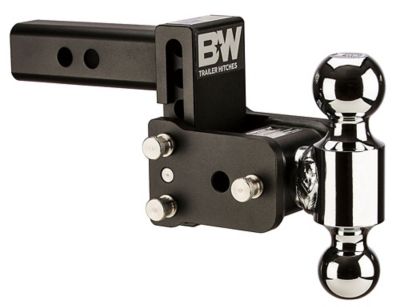
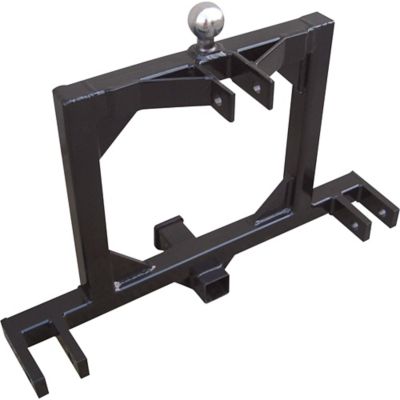
Adjustable trailer hitch ball mounts connect a tow vehicle’s receiver hitch to a trailer coupler and let the ball sit at different heights so the trailer can ride level. That height adjustment comes in handy when the same pickup pulls a utility trailer for fence supplies, a flatbed for equipment, and a livestock trailer with a different coupler height. Rather than relying on several fixed-height mounts, a compatible adjustable mount can cover multiple towing setups within its rated limits. A vertical channel or similar adjustment system positions the ball platform higher or lower, with pins or bolts securing it at the selected setting. Drop positions lower the hitch ball below the receiver, while rise positions raise it above the receiver when the mount’s design permits that orientation. The adjustment range matters, but so does the spacing between positions: smaller increments allow a closer match between the truck and trailer. Receiver fit is another starting point. Common receiver openings measure 2 inches, 2-1/2 inches, or 3 inches square, and the mount’s shank must match the receiver or work with a manufacturer-approved adapter. Ball diameter is a separate measurement and must match the size marked on the trailer coupler. Common trailer ball sizes include 1-7/8 inches, 2 inches, and 2-5/16 inches; these sizes are not interchangeable simply because a coupler appears to close over the ball. Some adjustable mounts have interchangeable balls, while others have a rotating assembly with more than one ball size. Multiple balls alone do not make a mount height-adjustable, so the vertical adjustment mechanism is an important distinction. For a farm truck that moves between trailers, both features can make a difference: height adjustment addresses coupler elevation, and ball selection addresses coupler fit. The right combination depends on the actual truck and trailer, including their loaded stance, rather than the truck’s appearance or the trailer’s empty deck height.
Weight ratings deserve just as much attention as fit. Adjustable trailer hitch ball mounts carry gross trailer weight and tongue weight limits, and both need to suit the intended load. Gross trailer weight includes the trailer plus everything aboard, whether that means a mower, building supplies, or feed headed back to the farm. Tongue weight is the downward force the trailer places on the hitch ball. The towing setup is limited by its lowest-rated component, subject to the vehicle’s towing, payload, and other applicable limits. A higher-rated ball mount does not increase the truck’s towing capacity or make an overloaded receiver suitable for the job. Ratings may also differ by ball size, rise or drop position, or other configuration, so the markings and manufacturer specifications matter more than appearance alone. Materials influence handling and upkeep as well as how the mount stands up to regular work. Steel mounts typically have substantial weight and may feature welded construction with a powder-coated or plated finish to help protect exposed surfaces from corrosion. Aluminum mounts can be lighter to handle, particularly when moving the assembly between vehicles or removing it between towing jobs. Neither material, by itself, establishes a mount’s capacity; construction, engineering, and the stated rating determine the appropriate application. Hitch balls, adjustment pins, retaining clips, and fasteners also need to match the assembly’s requirements. A receiver pin secures the shank to the truck’s receiver, while separate hardware may secure the adjustable ball platform. Both connections matter, and a locking pin must have the correct dimensions and manufacturer approval for its location. Clearance is another practical consideration, especially with a deep-drop mount. The assembly needs room beneath it and around the bumper, coupler, tongue jack, and safety-chain connections throughout normal turns and changes in road grade. A mount that provides enough drop on paper still needs to fit the working space behind the truck.
Everyday usefulness often comes down to details that are easy to overlook until the trailer is waiting at the gate. An adjustment system with accessible pins can make height changes less awkward, while a clearly marked ball size helps distinguish the correct connection when switching trailers. Height changes belong on an uncoupled, unloaded mount as directed by its manufacturer, not under the trailer’s tongue weight. Some designs offer a stowing position that moves the ball assembly closer to or beneath the receiver when towing is finished, although bumper clearance and the approved stowing procedure still matter. Anti-rattle features can reduce movement at certain connections, but they do not replace the proper receiver fit, retaining hardware, or routine checks. For related towing connections,
adjustable height trailer hitches provide another place to compare height-adjustable designs with the truck and trailer requirements in mind. Regular care helps keep an adjustable mount ready for work. Dirt and grit can collect around pin holes, channels, and moving parts, so cleaning those areas makes inspection easier and helps adjustments operate as intended. Lubrication requirements vary by design, especially at the hitch ball and adjustment mechanism; the mount and coupler manufacturers’ directions determine where lubricant belongs. Cracks, bent pins, enlarged holes, loose hardware, or significant corrosion call for attention before another towing trip. Keeping removable components together in a dry storage spot also cuts down on missing clips and misplaced pins when it is time to hook up. For ranchers, landscapers, equipment owners, and anyone hauling supplies between properties, the appeal is straightforward: one properly matched adjustable connection can accommodate several trailer heights without a pile of fixed mounts taking up space. It remains one part of the towing system, not a substitute for balanced loading, adequate brakes, correctly attached safety chains, or weight-distribution equipment where required. Matching the receiver size, ball diameter, adjustment range, and weight ratings keeps the selection grounded in the work the truck and trailer actually need to handle.