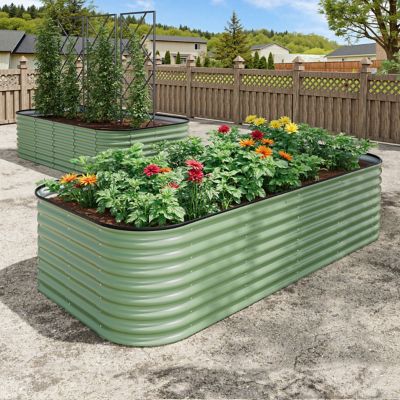
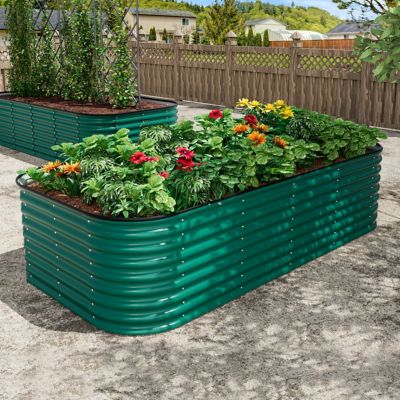
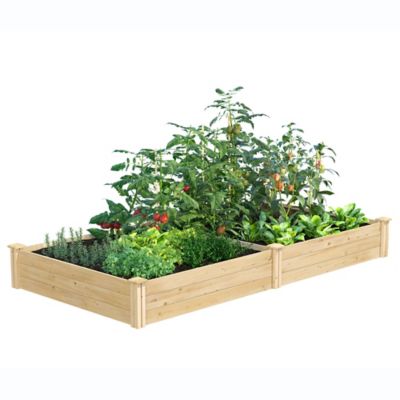
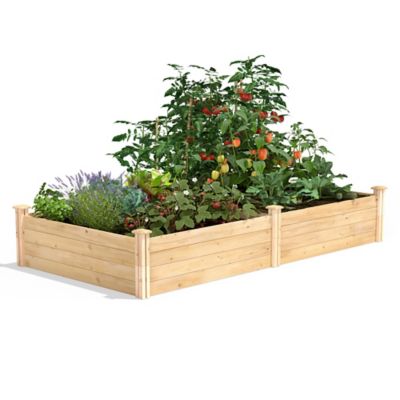
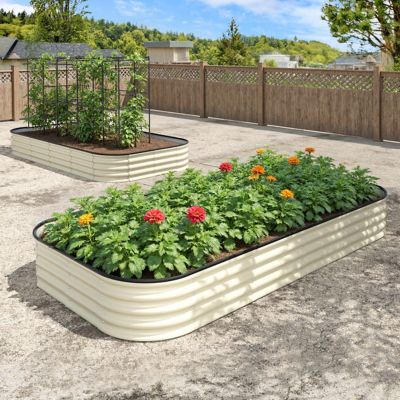
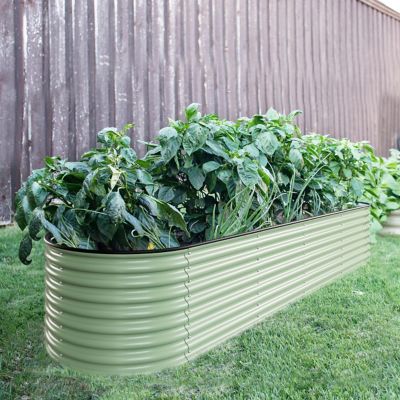
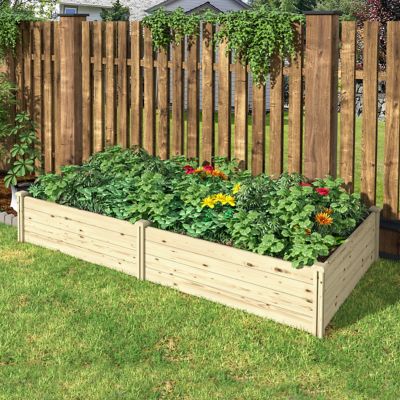
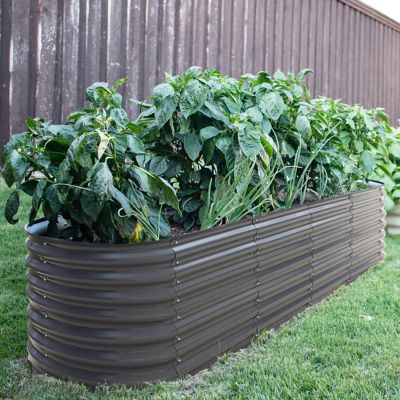
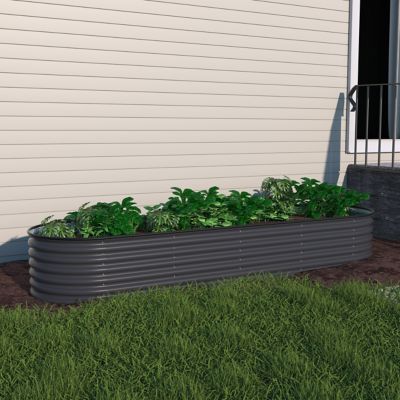
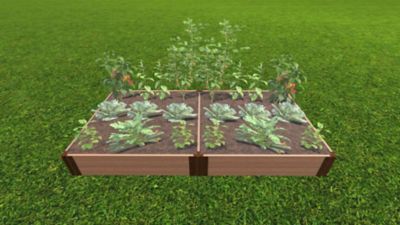
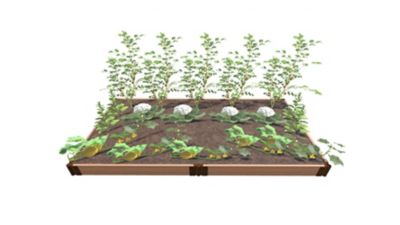
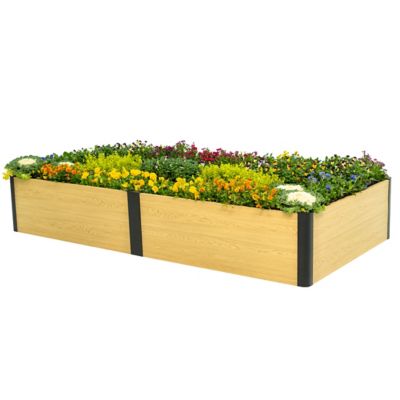
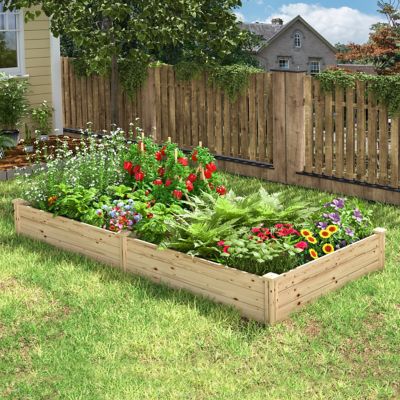
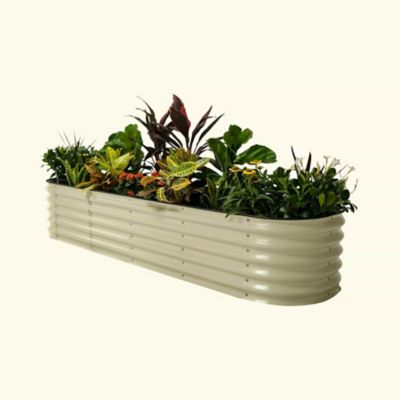
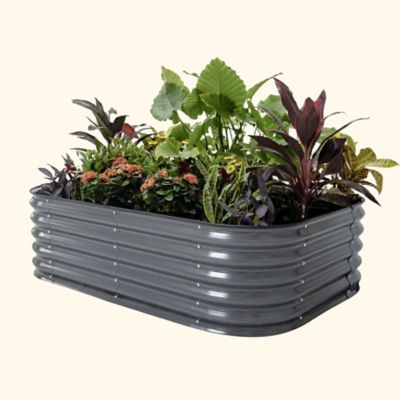
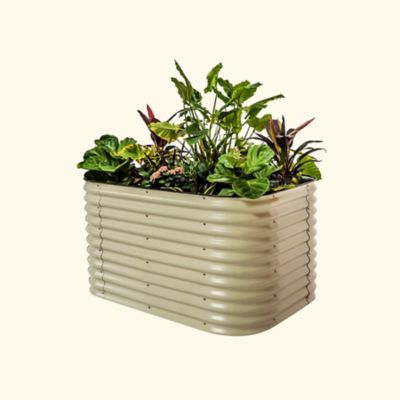
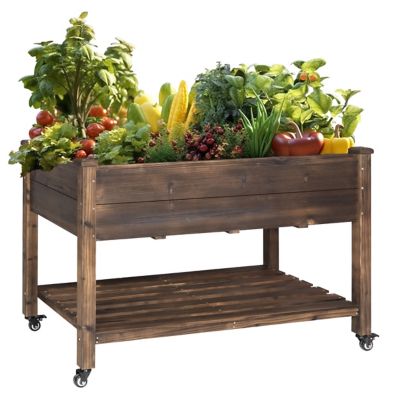
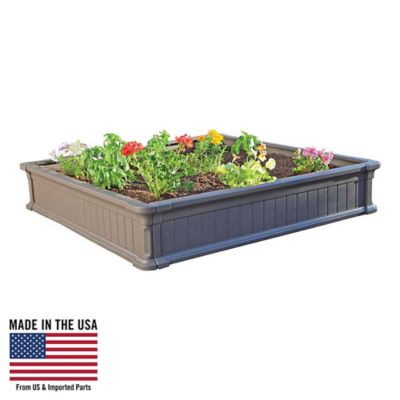
A 4 X 8 raised garden bed gives you a generous 32 square feet of growing space in a shape that fits neatly along a fence, beside a shed or across an open patch of yard. The four-foot width is especially popular because most gardeners can reach about two feet from either side without stepping into the soil, while the eight-foot length leaves plenty of room for rows, blocks of companion plants or a mix of vegetables and herbs. This size works well for both first-time gardeners and folks who have been tending the same patch of ground for years. A family might use one bed for tomatoes, peppers and cucumbers, while another gardener may set aside sections for salad greens, onions, carrots, culinary herbs and pollinator-friendly flowers. During the cooler months, the bed can be cleaned out and refreshed for the next growing season, or used for cold-hardy greens where the local climate allows. Raised beds also bring the garden closer to a comfortable working height, making planting, weeding and harvesting easier than working in compacted ground. For a gardener with limited yard space, a 4 X 8 raised garden bed can turn a sunny side yard or a small stretch of lawn into a productive growing area. It can also make a thoughtful gift for a new homeowner, a backyard cook, a family with children or anyone who enjoys the simple satisfaction of picking dinner from the garden.
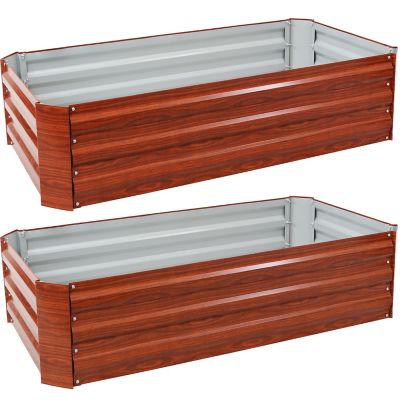
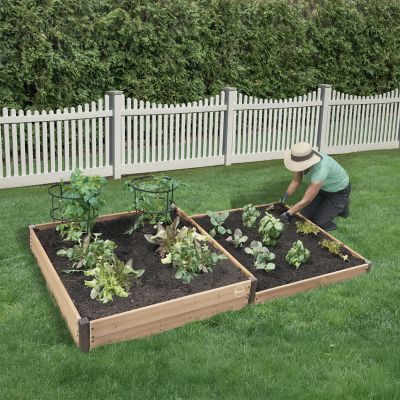
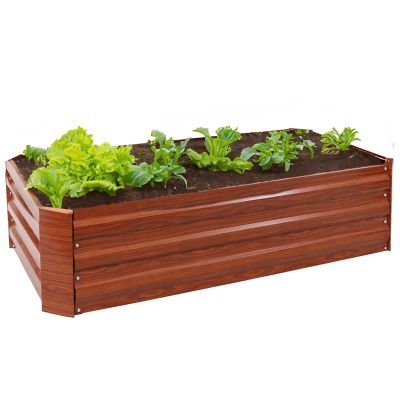
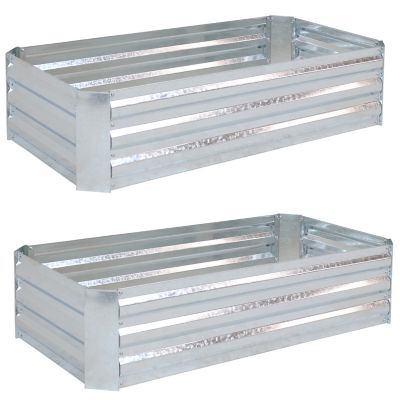
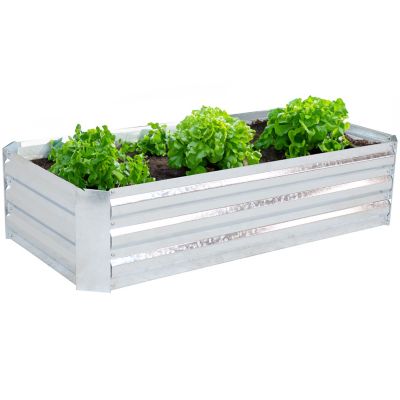
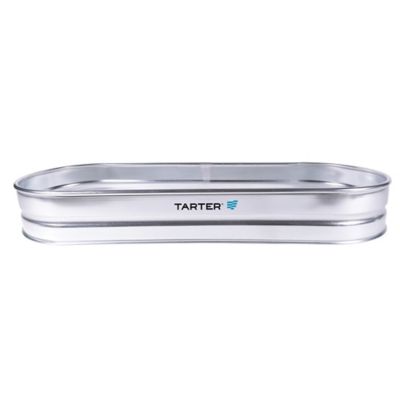
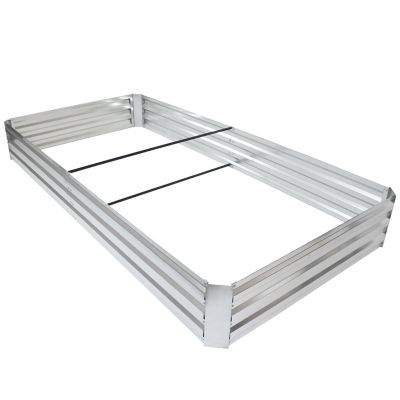
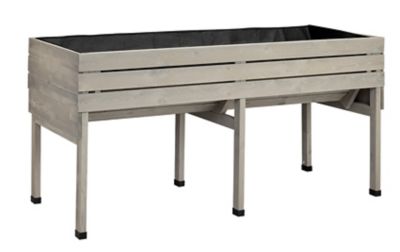
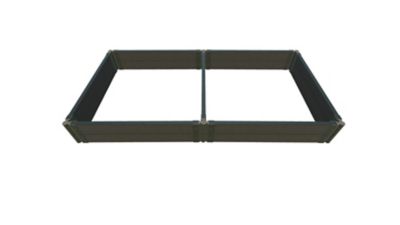
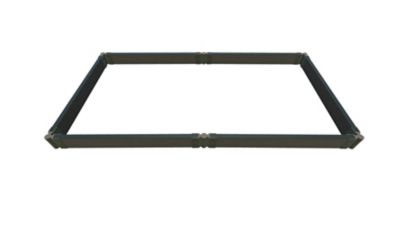
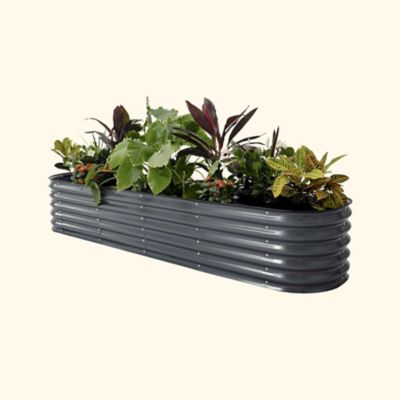
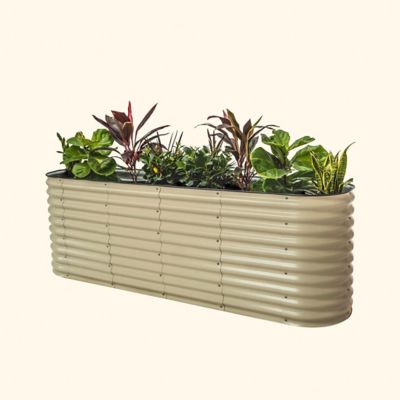
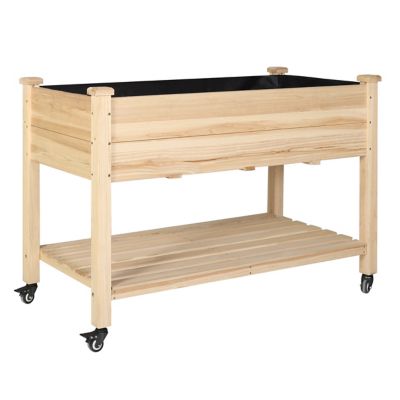
Material is one of the first choices to consider when comparing 4 X 8 raised garden beds. Wood has a familiar, country-garden look and blends easily with lawns, patios and outbuildings. Cedar and other naturally durable woods are common choices for garden construction, while untreated lumber may appeal to shoppers who plan to select and assemble their own materials. Galvanized steel offers a clean, sturdy appearance and can be a good fit for gardeners looking for a long-lasting frame with a more modern profile. Composite materials may provide another option where low-maintenance construction is a priority. Preassembled and ready-to-assemble kits can save time and help simplify sizing, while a do-it-yourself frame may allow more control over board thickness, corner supports and placement. Before choosing a bed, check the overall dimensions, wall height, assembly method and whether the design includes a bottom, liner, trellis or other accessories. A standard 10- to 12-inch-deep bed measuring 4 X 8 feet takes about 32 cubic feet of soil to fill, or roughly 1.2 cubic yards, though the exact amount depends on the interior dimensions and how much the soil settles. A blend of quality topsoil and finished compost is a practical starting point for many vegetables, with additional amendments selected according to the needs of the plants and the results of a soil test. Buying soil in stages can make the job easier, especially when moving bags or wheelbarrow loads across a long yard.
Set a 4 X 8 raised garden bed on firm, level ground in a spot that receives enough sunlight for the crops you plan to grow. Clear away grass and weeds before assembling the frame, and avoid placing it where roof runoff or standing water collects. Good drainage matters, but the bed should not dry out so quickly that plants need constant attention. On sites where burrowing pests are common, hardware cloth beneath the bed can help discourage gophers, voles and other persistent visitors; use a mesh size suited to the pests in your area and secure it beneath the frame before adding soil. Leave enough room around the outside for a wheelbarrow, hose and comfortable foot traffic, remembering that an eight-foot bed needs clearance at the ends as well as along the sides. Gardeners with shorter reaches may prefer to divide the interior into narrower planting sections or use stepping paths within a larger layout rather than placing every plant in the center. As the weather warms, a fresh soil surface makes it easy to sow seeds and set out transplants, while during cooler months a bed can be covered with frost cloth, a simple hoop structure or a layer of mulch when appropriate for the plants. Keep walkways mulched or covered so mud does not get tracked into the bed, and refresh settled soil with compost between growing cycles instead of piling new soil above the frame. For more sizes, materials and layout options, explore
Raised Garden Beds to find a setup that suits your space, planting plans and everyday gardening routine.