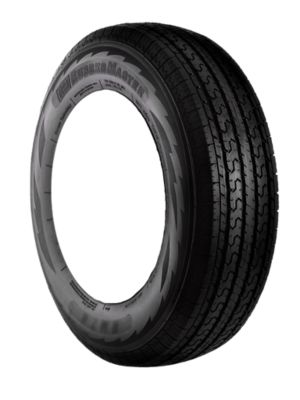
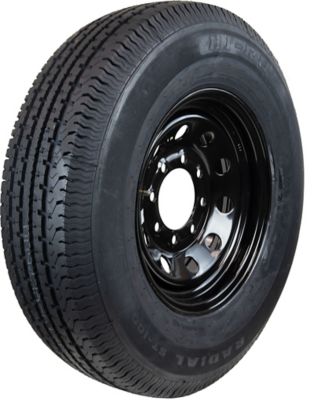
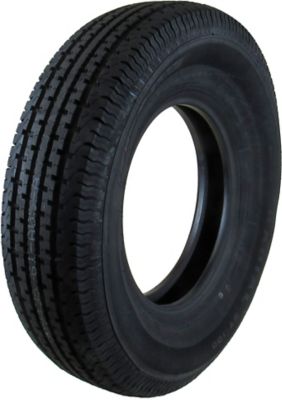
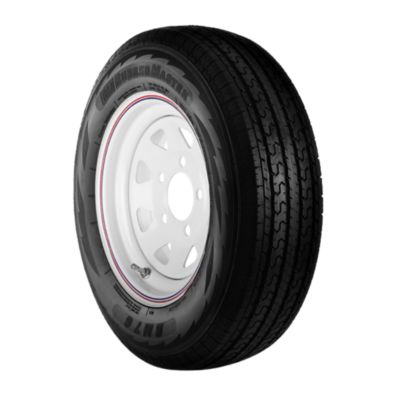
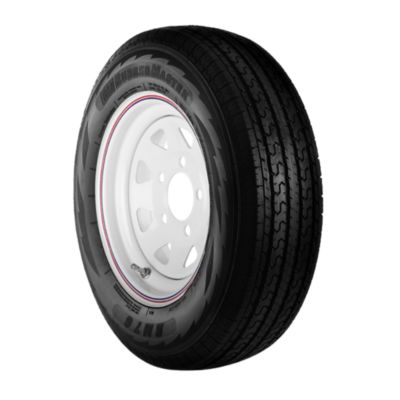
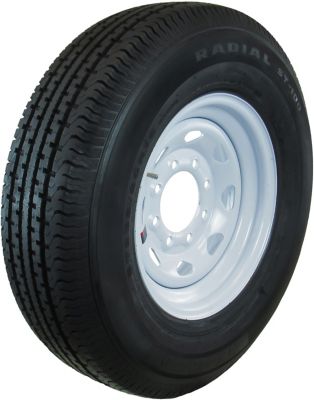
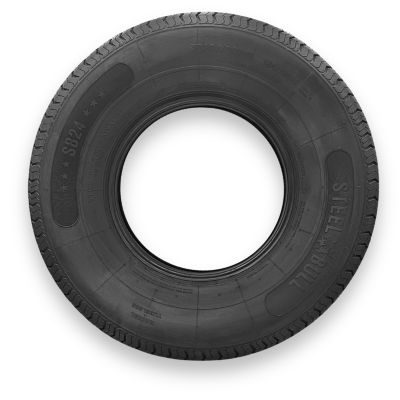
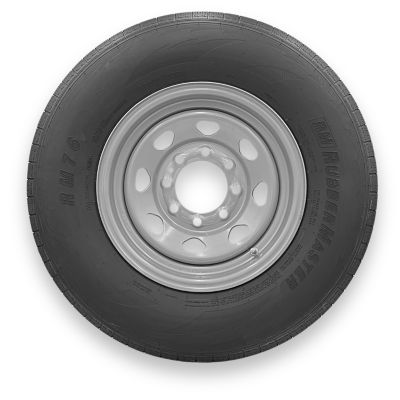
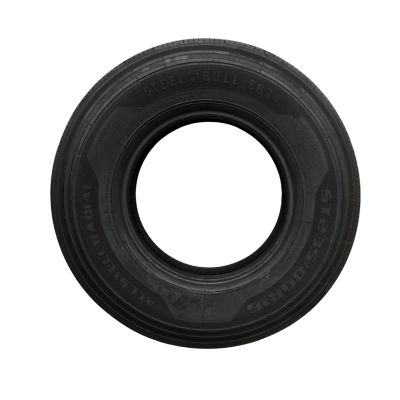
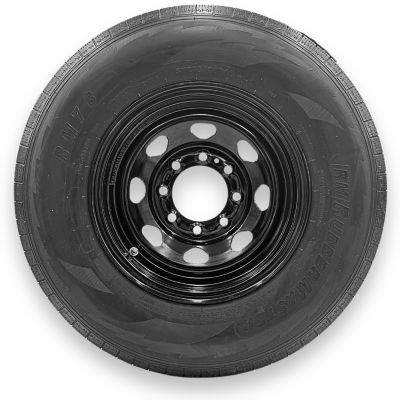
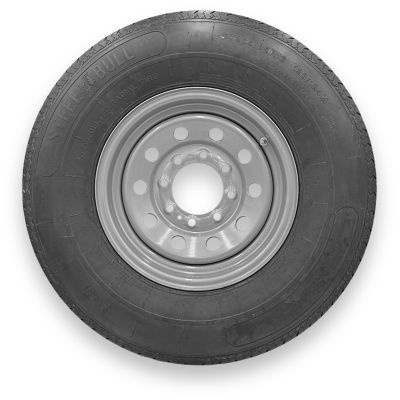
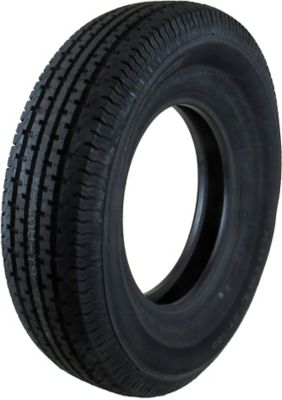
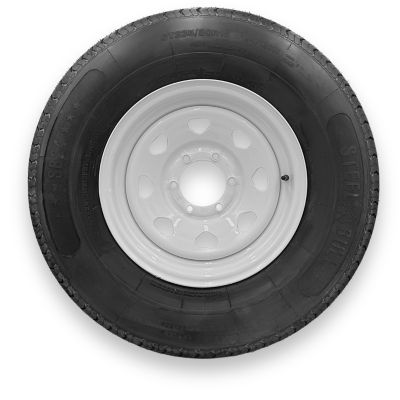
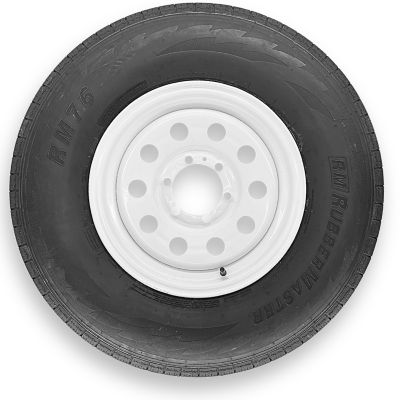
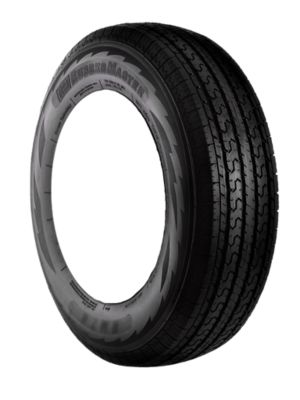
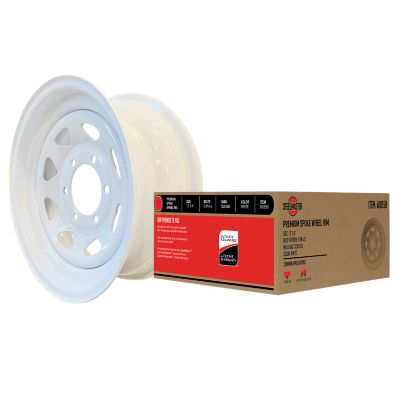
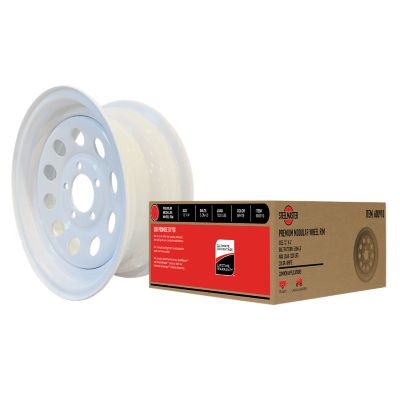
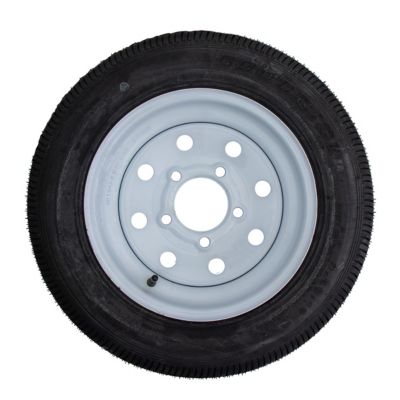
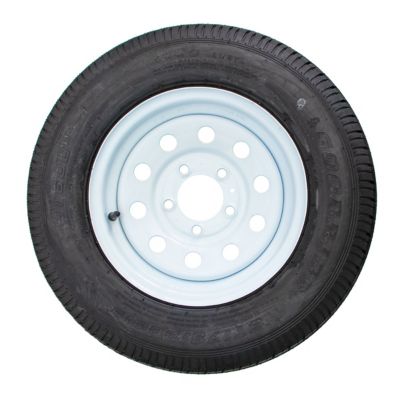
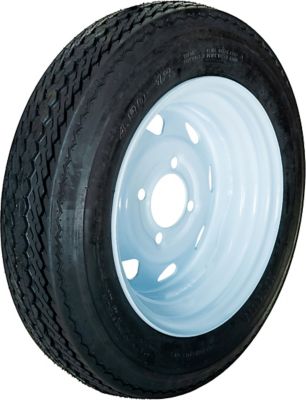
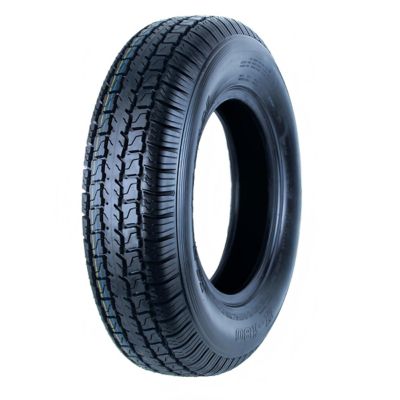
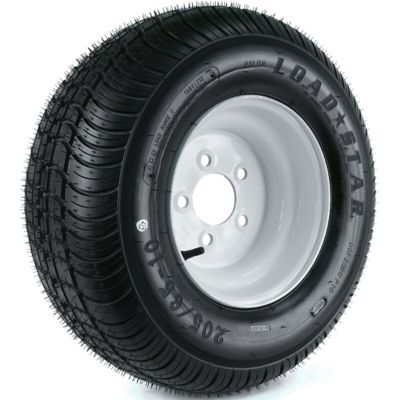
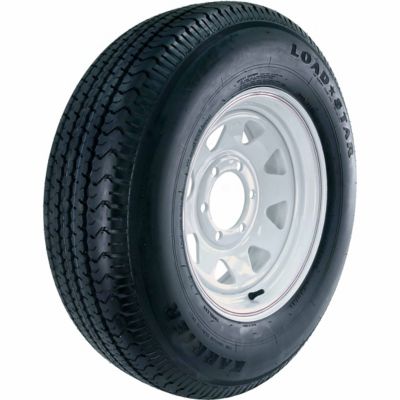
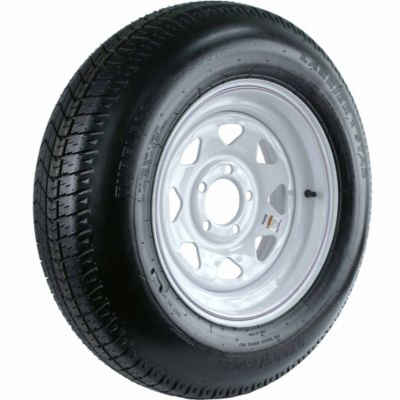
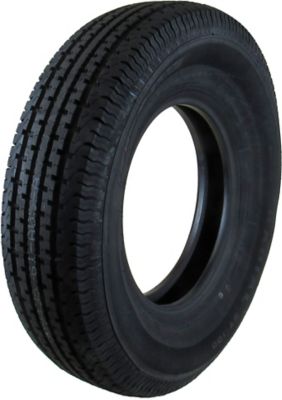
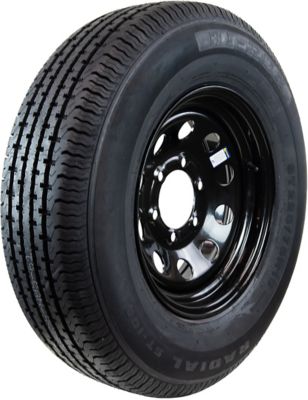
ST235/80R16 tires are built for trailers that carry substantial weight, including travel trailers, fifth wheels, toy haulers, cargo trailers, boat trailers, and other towable equipment. The “ST” designation means Special Trailer, so these tires are made for towed loads rather than steering or driving a passenger vehicle. Their construction typically includes stiffer sidewalls to help manage trailer sway, cornering forces, and the weight carried across the axles. The 235 portion refers to the approximate section width in millimeters, 80 is the aspect ratio, and R identifies radial construction. The 16 indicates the wheel diameter in inches. Before ordering, compare the full size printed on the trailer’s current sidewall with the trailer placard and owner’s manual. A matching size alone does not tell the whole story, since load range, maximum inflation pressure, axle rating, wheel rating, and the trailer’s gross vehicle weight rating all need to work together. A tire retailer can help sort through those details, and browsing
Good Tires can be a useful starting point when planning trailer maintenance. These tires are intended for trailers only and should not be mounted on a passenger car or light truck unless the vehicle manufacturer specifically calls for that application.
Load range is one of the most important details when choosing ST235/80R16 tires. Many listings use ply-rating terms to describe the tire’s load range, but those terms refer to carrying strength and are not necessarily the actual number of physical plies in the tire. Depending on the design, Load Range E may support as much as 3,520 pounds per tire at 80 PSI, Load Range F may support up to about 3,748 pounds at 95 PSI, Load Range G may support up to about 4,080 pounds at 110 PSI, and Load Range H may support up to about 4,190 pounds at 110 PSI. These figures are general reference points, not a substitute for the load table printed on the tire or the trailer manufacturer’s specifications. Add the weight of the trailer, water, propane, tools, food, outdoor gear, and anything carried inside before comparing that total with the combined capacity of the tires and axles. Keep some room below the maximum rather than selecting a tire based only on an empty trailer’s weight. The correct choice for a large camper may differ from the right fit for a boat trailer or a work trailer, even when both call for the same size. Check whether the trailer uses a single- or dual-wheel setup, confirm the wheel can handle the listed PSI, and replace tires as a complete axle set when practical so handling remains even from side to side. A tire with a higher load range is not automatically the right choice if the wheel, axle, or trailer structure is rated lower.
Inflation and inspection matter every time an ST235/80R16 trailer tire goes on the road, especially during long highway pulls in warm weather or when a trailer sits outside through cooler conditions. Check pressure when the tires are cold, before travel and before the sun has warmed one side more than the other. Inflate to the pressure needed for the load, following the tire sidewall, load table, trailer placard, and owner’s manual; the maximum sidewall PSI is generally required to reach the tire’s full stated load capacity, but the trailer manufacturer’s instructions take priority for the complete setup. Do not reduce pressure simply because the trailer feels lightly loaded, and do not bleed air from a warm tire, since pressure naturally rises as the tire heats up. Look for cuts, bulges, cracking between the tread blocks, exposed cords, uneven wear, and objects caught in the tread. Pay close attention to the inner sidewalls, where damage can be hard to spot when the trailer is hitched. Check valve stems, lug nuts, wheel bearings, and the spare at the same time. If a trailer has been parked for much of the season, move it periodically or protect the tires from prolonged exposure to standing water, direct sunlight, and freezing ground. Before a fall camping trip, a hunting-camp haul, a trip to the boat ramp, or winter storage, give the tires a close look and make sure the tread and sidewalls are in road-ready shape. Keeping the load balanced, avoiding contact with curbs, and maintaining steady speeds can help limit heat buildup and irregular wear. These simple habits are especially helpful when a trailer is carrying family gear down a winding rural road or rolling along the interstate with a full load behind the tow vehicle.