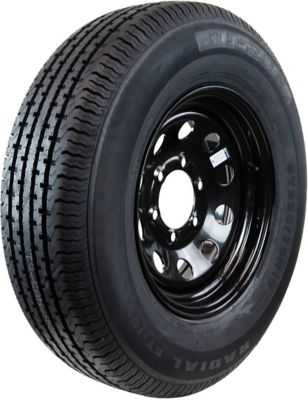
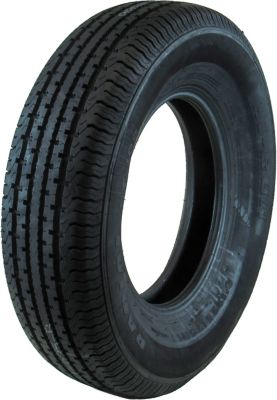
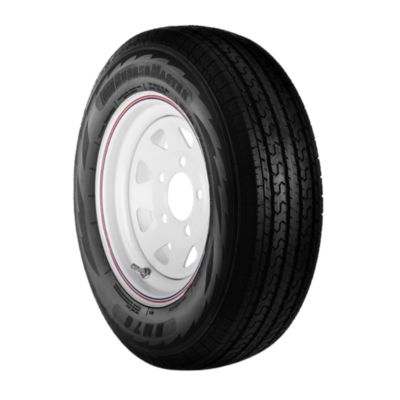
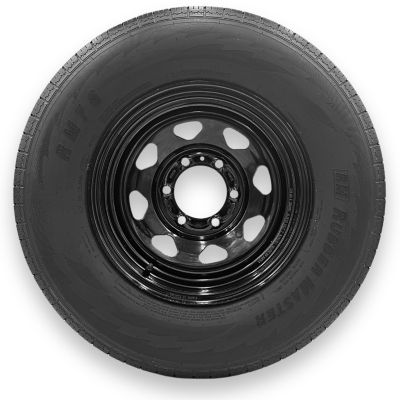
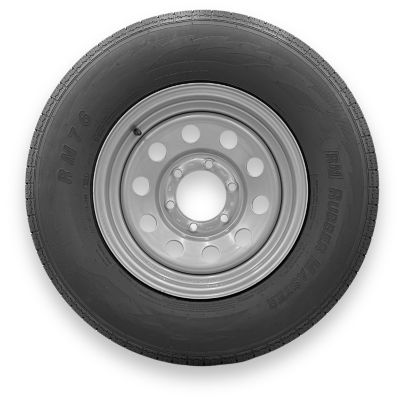
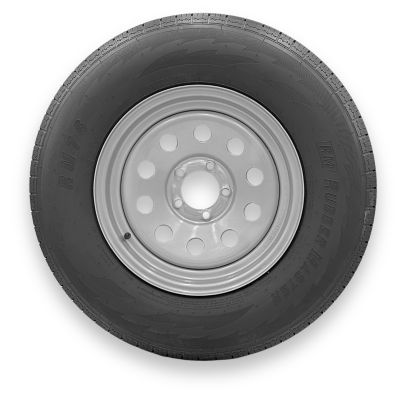
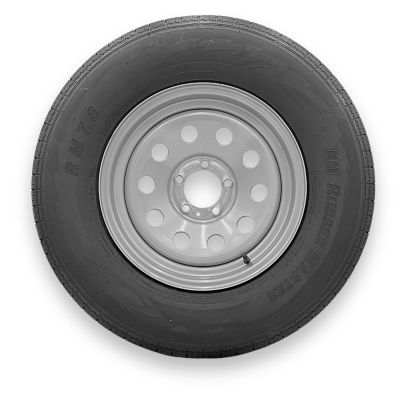
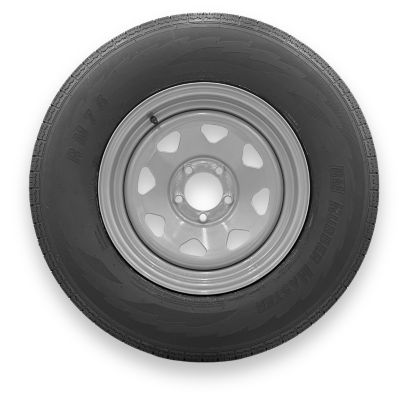
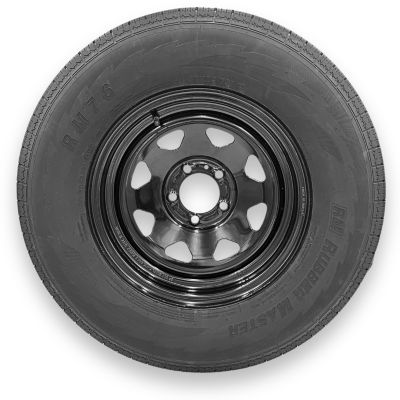
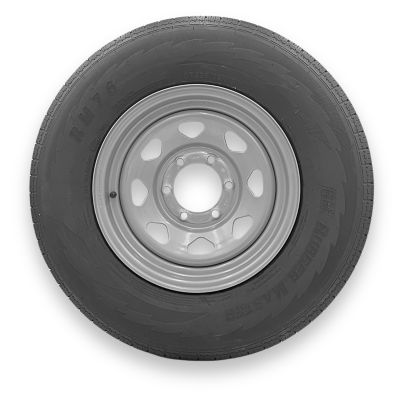
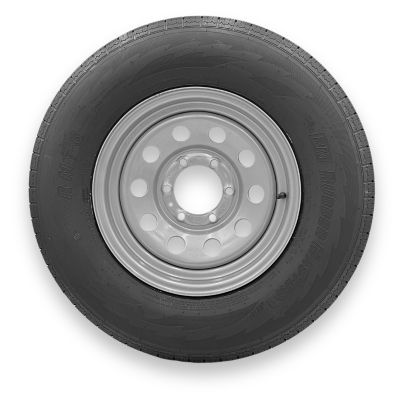
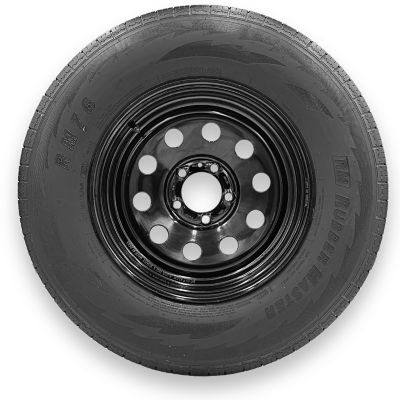
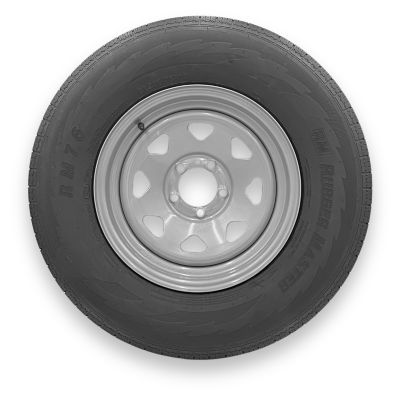
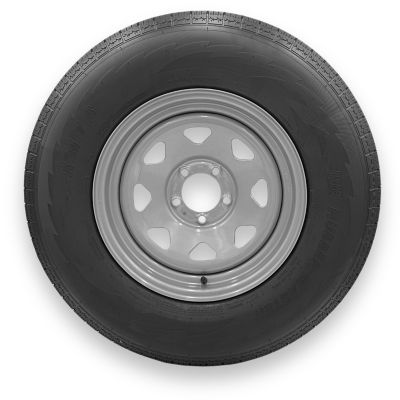
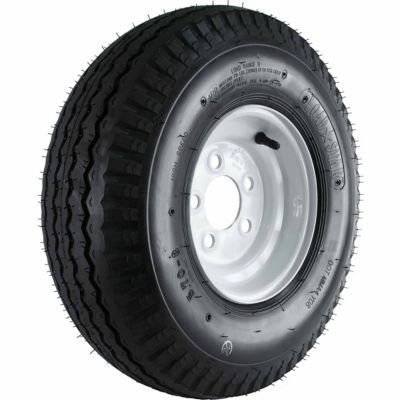
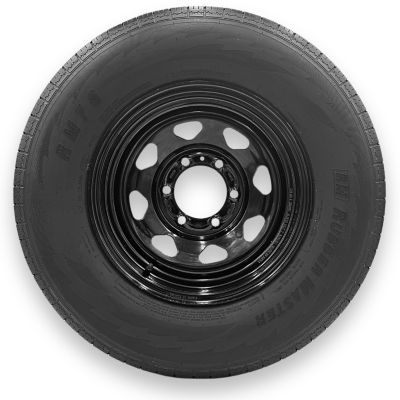
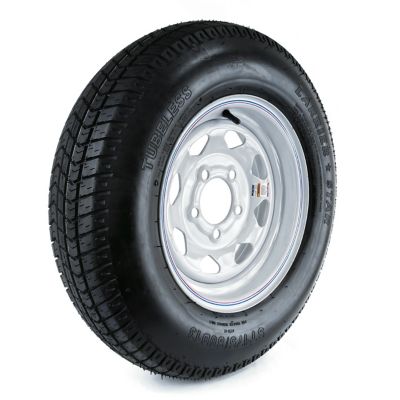
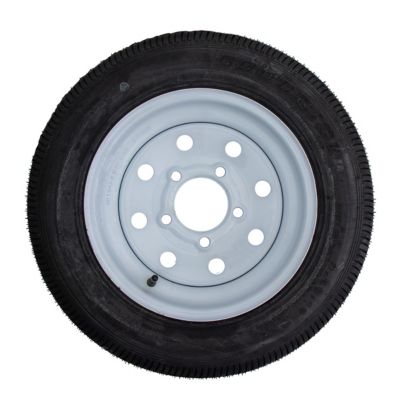
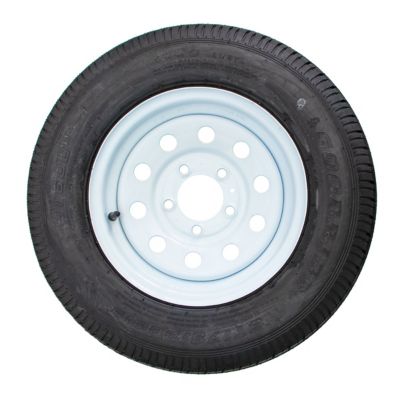
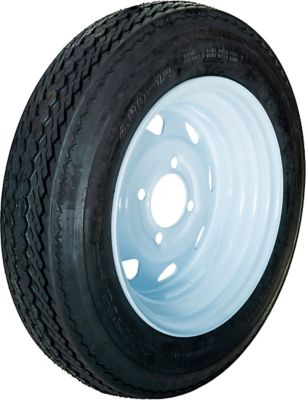
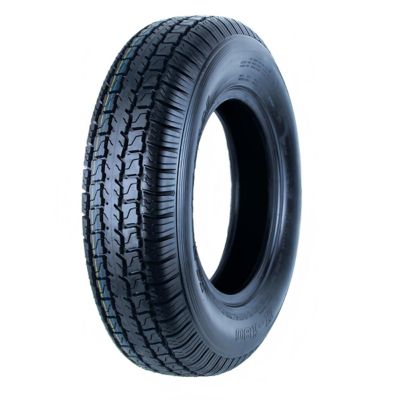
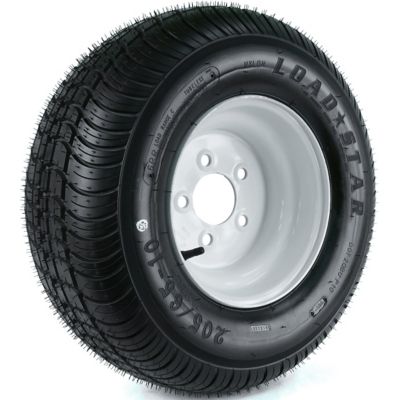
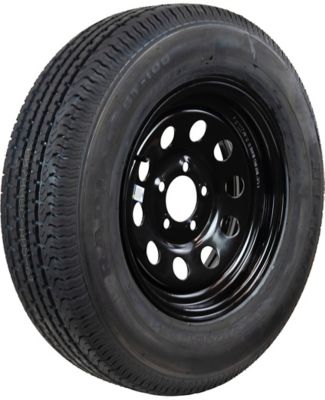
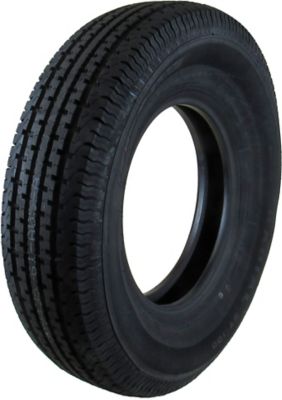
ST225/75R15 trailer tires are built for the load-carrying demands of trailers, whether that means a utility trailer loaded with fence posts, a boat trailer headed to the launch, or a travel trailer packed for a long haul. The size marking gives a useful starting point for finding the right fit: ST means special trailer, 225 is the nominal section width in millimeters, 75 means the sidewall height is 75 percent of that width, R identifies radial construction, and 15 is the wheel diameter in inches. That works out to a nominal width of about 8.9 inches and an overall diameter of about 28.3 inches, although actual dimensions vary by tire design and wheel width. These tires are intended for trailer service, not the steering or drive positions on a truck. Their construction supports loaded towing and the sideways forces that develop as a trailer follows a turn. Radial tires have body cords running across the tire from bead to bead, with belts beneath the tread. That arrangement generally helps limit heat buildup and promotes steady tracking over longer highway trips. Depending on the design, polyester body cords, steel belts, and reinforced rubber sections work together to support the casing and tread. For folks hauling feed, equipment, livestock, or camping gear, the main consideration is how that construction matches the trailer’s demands rather than how aggressive the tread looks. Highway-oriented tread patterns suit paved towing routes, while travel over gravel lanes and farm entrances also makes casing condition and proper loading important. Tire size alone does not establish suitability for a particular trailer. The trailer manufacturer’s specifications, wheel dimensions, load requirements, and clearance around the tire all matter. A tire that fits a 15-inch wheel still needs room beneath the fender and beside the frame throughout suspension movement. Enough clearance at rest does not necessarily mean enough clearance when the trailer is loaded and the axle moves over a rough driveway. The listed dimensions for the tire and its approved wheel-width range help establish whether the size belongs on that setup.
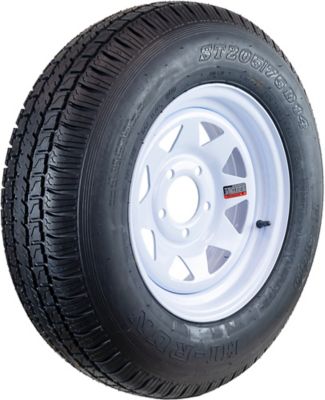
Load range is another important difference among ST225/75R15 trailer tires. Common load range D tires carry an 8-ply rating, while common load range E tires carry a 10-ply rating. Those ratings describe strength categories, not necessarily the number of physical layers inside the tire. Many tires in this size have a maximum single-tire load rating of 2,540 pounds at 65 psi for load range D or 2,830 pounds at 80 psi for load range E. The tire’s own markings and specifications govern, so those figures are reference points rather than a promise for every tire in the category. A higher load range does not raise the trailer’s gross vehicle weight rating, axle rating, or wheel capacity. It also does not make a wheel rated for lower pressure suitable for a higher-pressure tire. The tires, wheels, valves, axles, and trailer structure need to work within their respective limits. That matters when a trailer carries a compact tractor, a stack of lumber, or another load that can put more weight on one side than the other. Actual loaded axle and individual wheel weights provide a better picture than dividing the trailer’s total weight evenly among its tires. Tongue or pin weight carried by the tow vehicle also affects how much weight rests on the trailer axles. The trailer placard and manufacturer’s guidance establish the intended tire size and cold inflation pressure; the tire’s load and pressure limits remain part of that match. Tire-only replacement and tire-and-wheel assemblies involve different fit details as well. A complete assembly needs the correct bolt pattern, center bore, offset, wheel width, and load and pressure ratings, along with the proper lug-seat fit. Another 15-inch size,
ST205 75D15, has a narrower nominal section width and bias-ply construction; the D within that size marking means diagonal construction, not load range D. It is not automatically interchangeable with ST225/75R15 simply because both fit 15-inch wheels. Matching the trailer’s specified size and construction helps maintain the intended stance, clearance, and load support.
Everyday care plays a big part in how trailer tires hold up, especially on equipment that alternates between regular hauling and stretches parked beside the barn. Trailer tires can develop age-related cracking or casing damage before the tread looks worn out, so tread depth is only one part of the condition check. Sidewall cracks, bulges, exposed cords, cuts, and uneven wear deserve attention, as do damaged valve stems and signs of air loss. A slow leak can leave one tire carrying its share of the load without enough inflation to support it properly. Cold inflation readings, taken before travel and before towing heat builds up, give a useful baseline. Pressure normally rises as a tire runs, and releasing air from a warm tire can leave it underinflated once it settles back down. The pressure specified for the trailer and tire setup should guide inflation, not how firm the sidewall feels by hand. Speed limits for the tires matter, too: the speed rating belongs to the particular tire and should not be assumed from its size or load range. A steady highway pace within that rating, balanced cargo, and secure tie-downs help reduce unnecessary strain. Consistent tire size, construction, and load capacity across an axle, following the trailer manufacturer’s requirements, support predictable towing. Persistent wear along one edge or a repeating uneven pattern can point to alignment, suspension, bearing, or loading issues that a fresh tire alone will not fix. During storage, clean tires, protection from direct sunlight, and inflation maintained according to manufacturer guidance help protect the casing. Mild soap and water are a sensible cleaning choice, while petroleum-based treatments can harm rubber. A properly matched spare, a serviceable valve, and wheel fasteners tightened to the trailer manufacturer’s torque specification round out a practical towing setup. For a trailer that carries tools to a jobsite or brings a mower home from the shop, the best tire match comes down to the correct size, sufficient rated capacity, compatible wheels, and attention to condition before the next loaded trip.