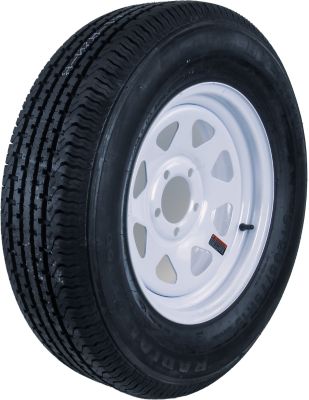
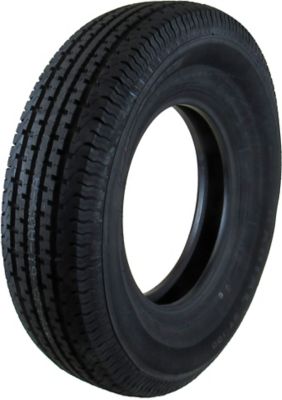
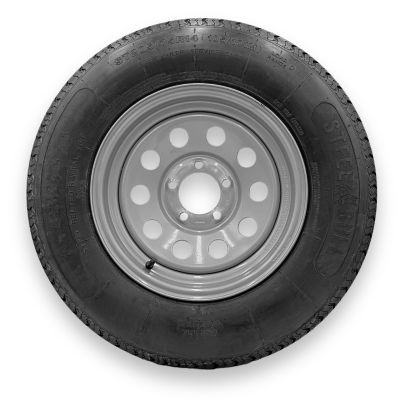
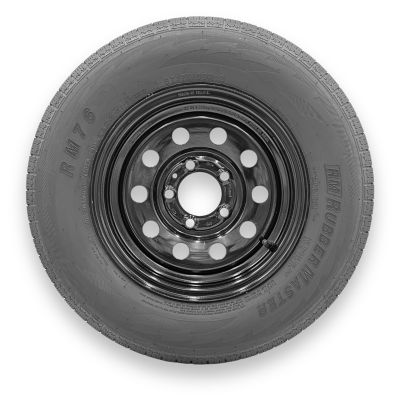
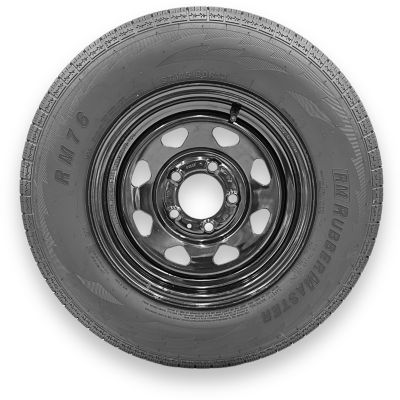
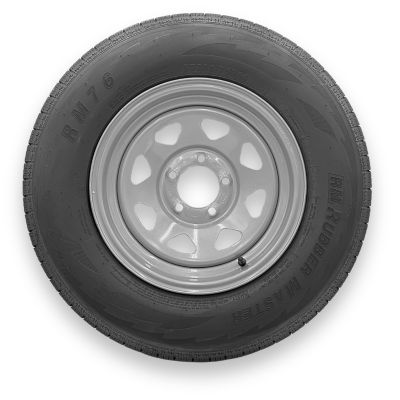
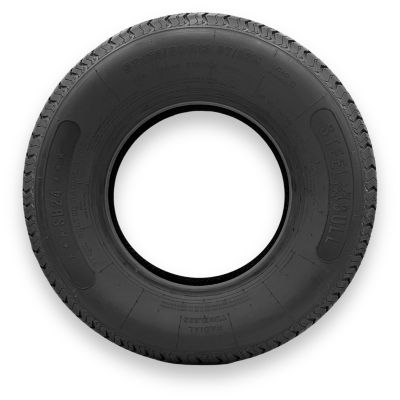
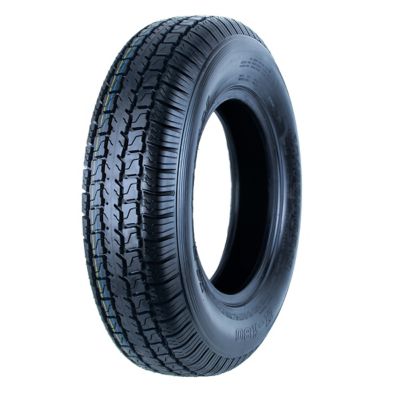
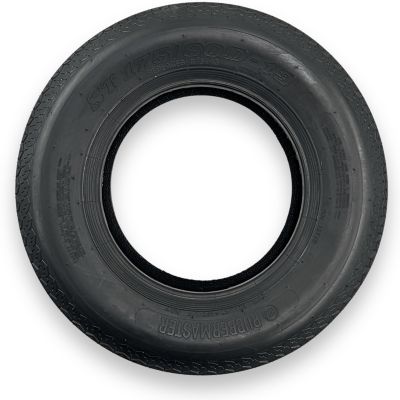
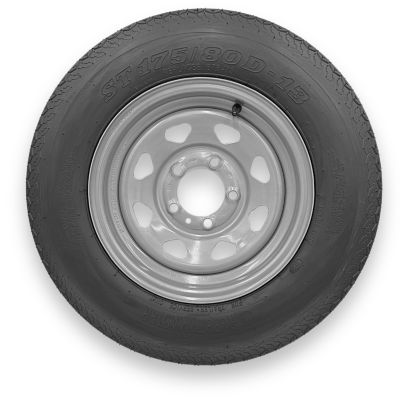
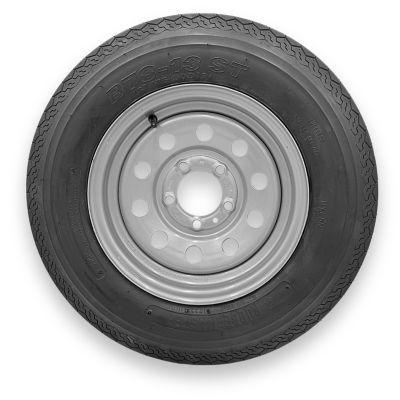
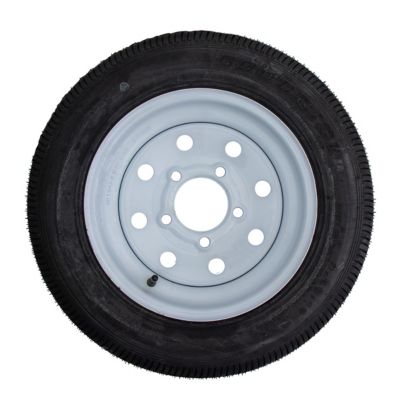
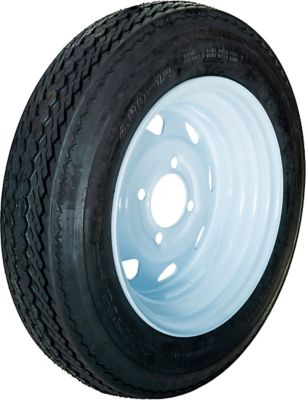
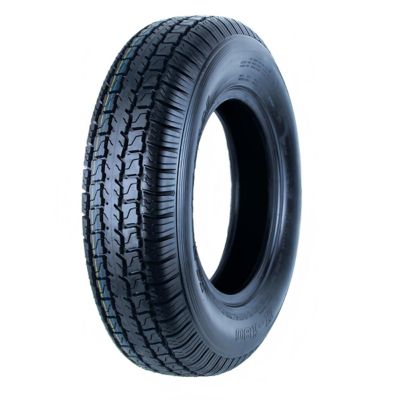
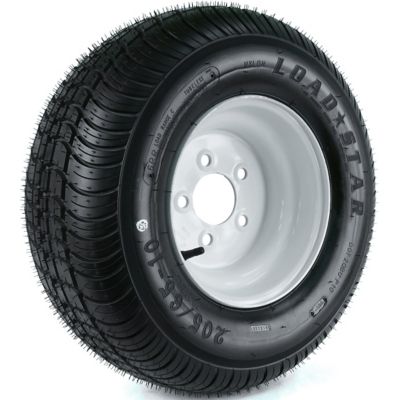
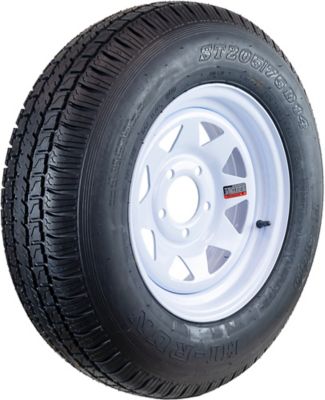
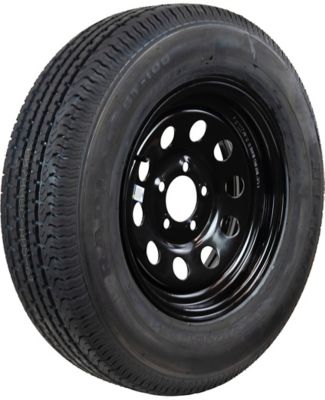
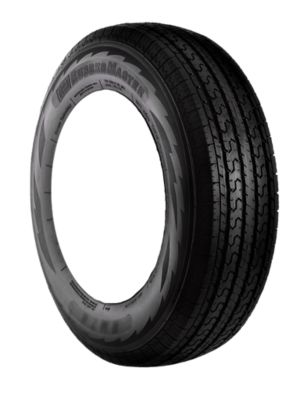
175/80R13 is a radial tire size commonly found on special trailer (ST) tires for utility, boat, enclosed cargo and small travel trailers. It’s a familiar size on smaller rigs hauling fencing supplies, fishing gear, lawn equipment or camping essentials, but the full sidewall designation matters more than the size alone. An ST prefix identifies a tire intended for trailer service rather than the steering or drive axle of a passenger vehicle. In the 175/80R13 designation, 175 represents the nominal tire section width in millimeters, 80 means the sidewall height is 80 percent of that width, and R indicates radial construction. The final number identifies a 13-inch wheel diameter measured at the bead seat, not across the wheel’s outside edges. Those measurements establish the basic fit, while load range, maximum load capacity and speed rating help determine whether a tire suits a particular trailer and its work. Two tires carrying the same size marking can have different load capacities or inflation requirements, so matching the numbers on an existing tire is only part of finding the right replacement. The trailer’s certification label, owner’s manual and wheel specifications provide important details about the intended setup. A small utility trailer carrying a mower has different demands than an enclosed trailer packed with tools, even when both have 13-inch wheels. Cargo weight, trailer weight and how that weight is distributed all affect the load carried at each tire. Higher-capacity tires do not increase the trailer’s rated capacity or the ratings of its axles, hubs or wheels. Matching tires across an axle also helps maintain consistent rolling characteristics, with size, construction and load capability suited to the trailer manufacturer’s requirements. For everyday hauling between the barn, the feed store and the jobsite, the right fit starts with the complete tire specification rather than a close-looking tread or a wheel that happens to bolt on.
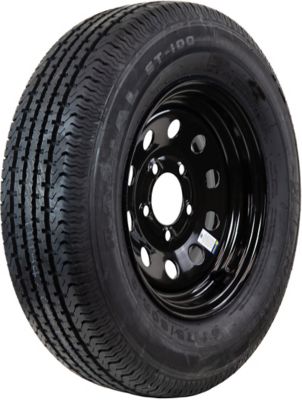
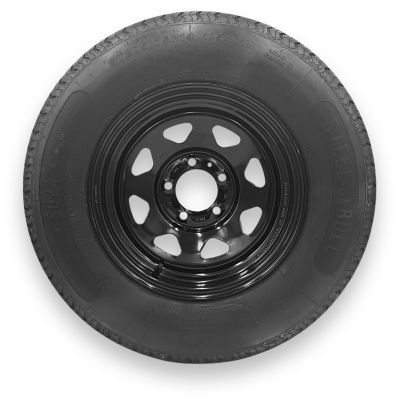
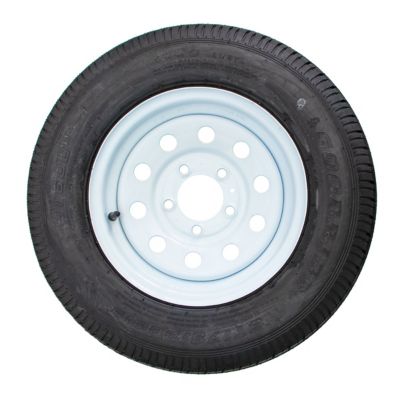
Trailer tire construction is built around carrying a load and following the tow vehicle, rather than delivering the steering response or powered traction expected from a truck tire. A 175/80R13 radial tire has body cords arranged radially, with belts beneath the tread; the exact cord and belt materials depend on the tire’s construction. Rubber compounds, reinforcing materials, tread design and sidewall structure work together to support the trailer through rolling loads, turns and backing maneuvers. Special trailer tires account for the demands of trailer service, including side forces during tight turns. Radial construction allows the sidewall and tread area to flex differently, which can help manage rolling heat and maintain road contact when the tire is properly loaded and inflated. Load range is another important distinction. Although letter designations are associated with ply ratings, they do not necessarily describe the actual number of fabric layers inside a modern tire. The stated load capacity and its corresponding inflation pressure are the more useful details when matching tires to a trailer. Intended travel matters, too: repeated highway miles, short runs along gravel lanes and frequent maneuvering around equipment sheds place different demands on the same basic size. Tread condition and proper alignment matter in all of those settings; a more aggressive-looking tread cannot make up for an overloaded trailer or a bent axle. For a wheel-and-tire assembly, compatibility extends beyond the rubber. Wheel width, bolt pattern, center opening, offset, load rating and pressure rating all need to suit the trailer and tire. A 13-inch diameter alone does not establish that fit. Steel trailer wheels may have painted, powder-coated or galvanized finishes, with care requirements that vary by finish and application. On a boat trailer, rinsing away salt residue and checking for corrosion around the wheel and valve stem are worthwhile parts of routine upkeep. Sound wheels, suitable valves and correct mounting help the entire assembly do its job.
Keeping 175/80R13 trailer tires ready for the next haul takes attention to more than tread depth. A tire can spend plenty of time parked and still develop cracking, valve leaks or age-related deterioration, while one that travels often may show wear patterns that point to inflation, alignment or load-distribution problems. A pressure check before travel, with the tires cold from sitting rather than recently driven, gives a useful baseline. Inflation should follow the trailer and tire manufacturers’ requirements for the load, without exceeding the limits of the tire, wheel or valve. A tire that looks full can still be below its required pressure, especially under a loaded trailer. Sidewall bulges, exposed cords, deep cuts and repeated pressure loss call for professional inspection rather than another trip down the road. Uneven shoulder wear or a feathered tread also deserves a closer look at the trailer setup instead of simply replacing the tire and leaving the cause in place. The tire identification number includes a manufacture date code that helps track age, and manufacturer replacement guidance remains important even when the tread looks substantial. During storage, clean tires, protection from prolonged sunlight and separation from petroleum spills help limit avoidable damage. A spare deserves the same pressure and condition checks as the tires carrying the trailer, along with confirmation that its wheel fits the hub and clears nearby components. When comparing sizes for a different trailer, the
ST205 75R15 Trailer Tire category represents a different fitment, not a direct substitute for a 175/80R13 setup. Changing tire size or wheel diameter requires checking clearance, capacity and the trailer manufacturer’s specifications. Whether the trailer carries tackle boxes to the boat ramp or fence posts out to the pasture, correctly matched tires and steady upkeep help keep hauling plans on track.