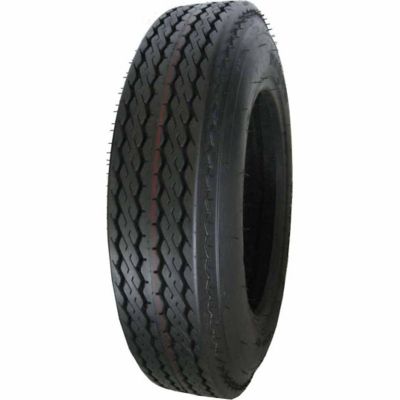
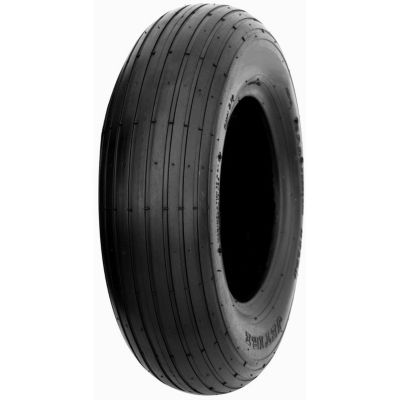
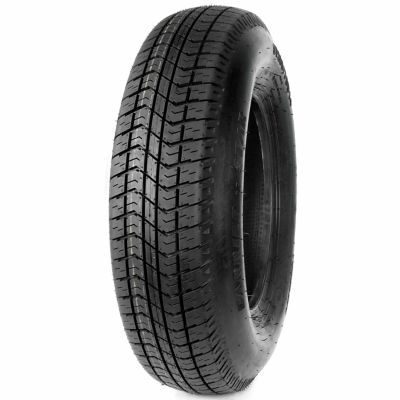
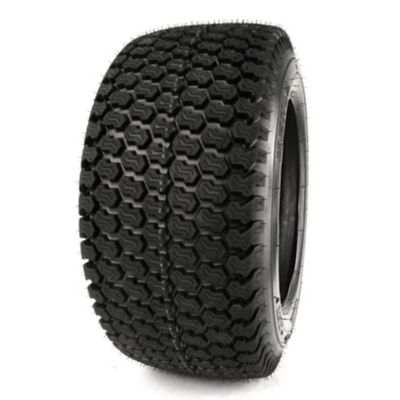
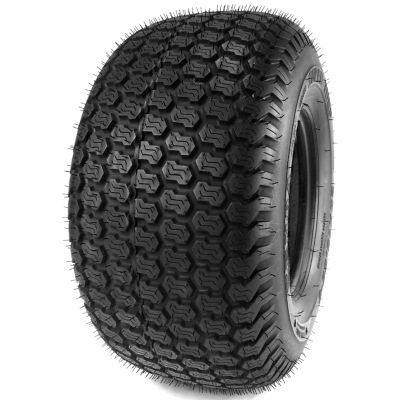
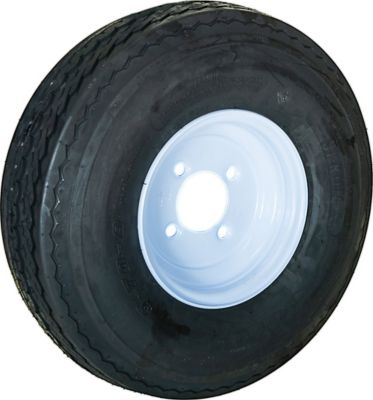
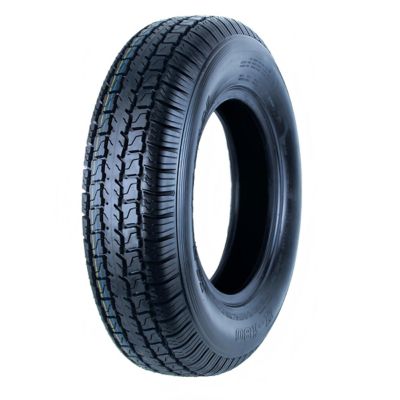
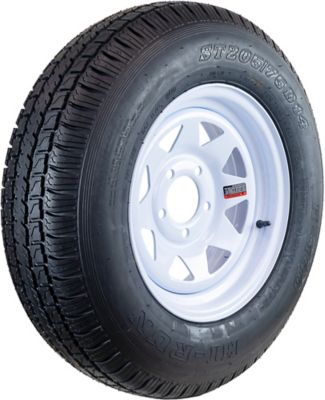
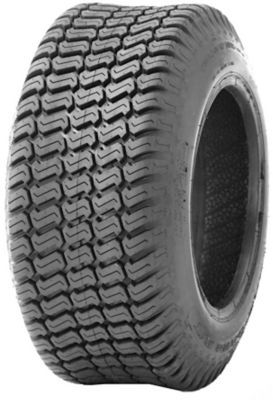
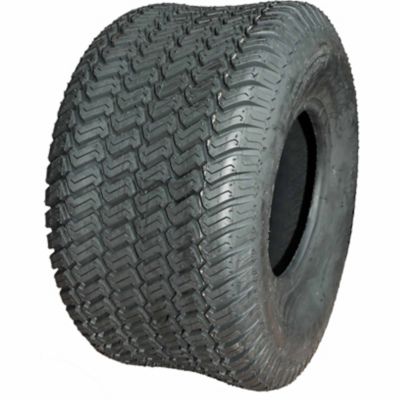
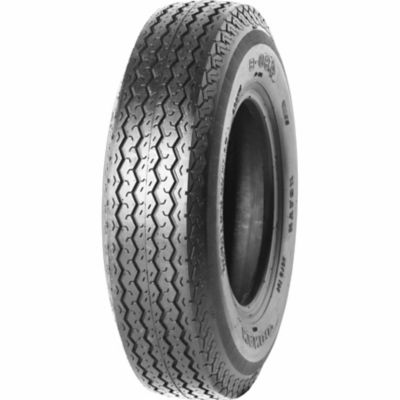
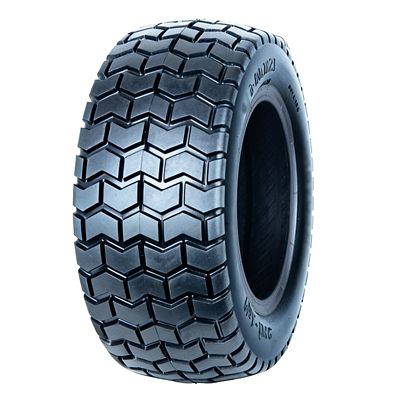
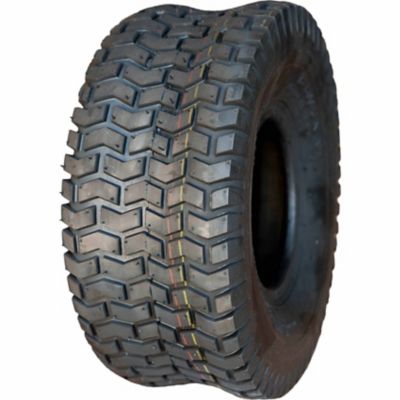
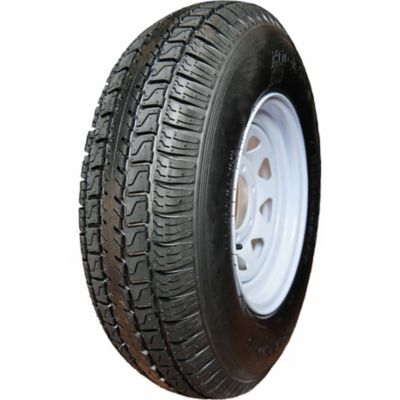
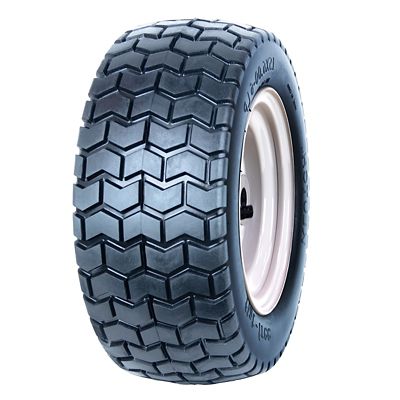
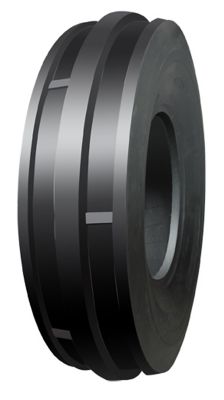
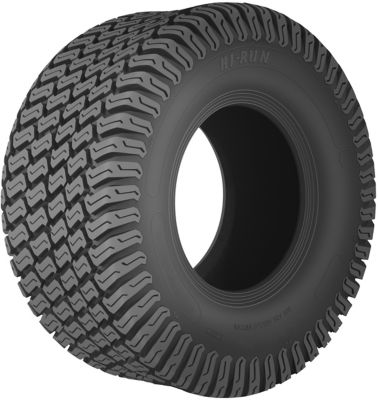
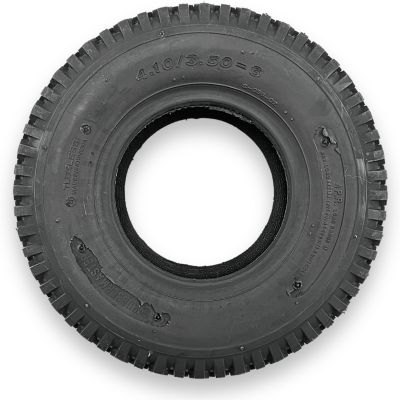
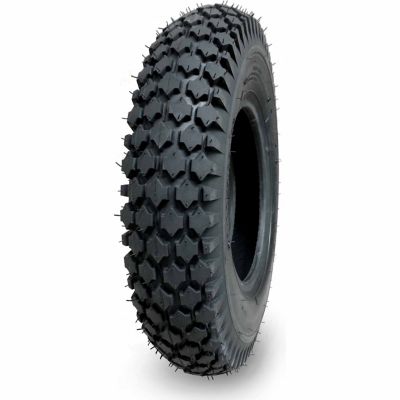
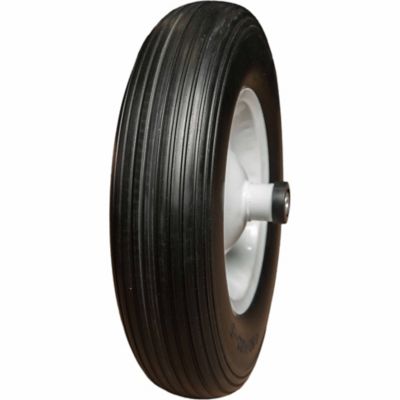
Good tires are the part of a vehicle that keeps every trip connected to the road, whether you are heading down a two-lane highway, pulling a trailer to the farm, or making the daily run into town. The right choice depends on your vehicle, the way you drive and the conditions you regularly face. A tire that works well for a compact car on dry pavement may not be the right fit for a loaded pickup, SUV, utility trailer or work vehicle that spends time on gravel, pasture lanes and rough back roads. Start by checking the tire size printed on the sidewall of your current tire or on the label inside the driver’s doorjamb. That string of numbers and letters identifies important details such as width, aspect ratio, wheel diameter, construction type, load index and speed rating. Every replacement tire should match the vehicle’s required size and meet or exceed its load and speed ratings. It is also smart to consider the full set rather than choosing by price alone. A quality tire can help provide steady handling, dependable braking and a smoother ride, while the right tread pattern can make a noticeable difference when the road is wet or covered with loose gravel. For work trucks, trailers and equipment that carry heavier loads, compare the tire’s construction and load capacity carefully. Shoppers looking for added sidewall strength may also want to review
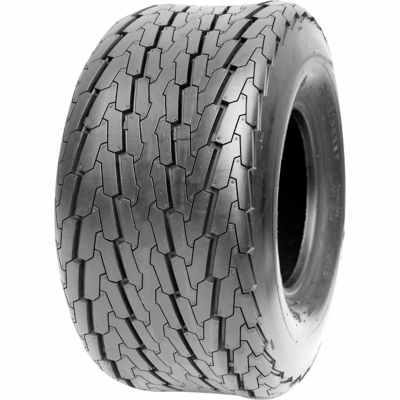
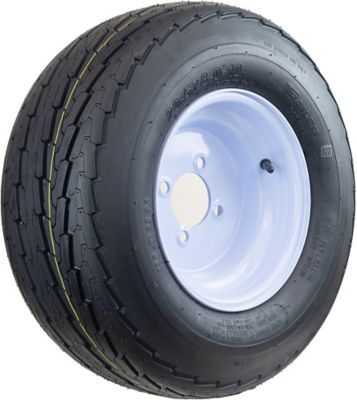
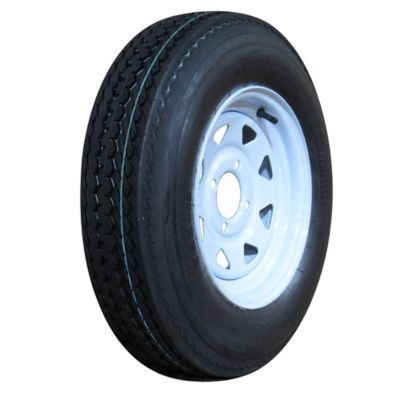
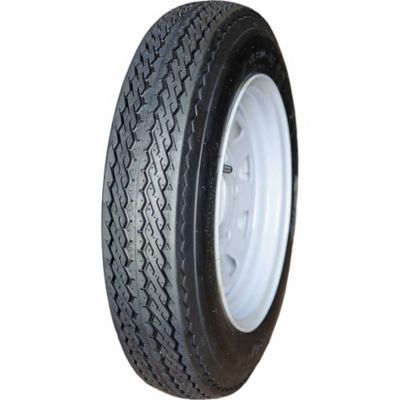
4 Ply Tires to better understand options suited to hauling, utility use and demanding surfaces.
Think about the roads beneath your tires during an ordinary week. Drivers who spend most of their time on pavement may prefer an all-season design with a balanced tread for quiet highway travel, confident cornering and reliable traction in light rain. If your route includes gravel, dirt lanes or construction areas, a more rugged all-terrain tread may provide better grip and added resistance to everyday wear. Deep, open tread patterns can help move mud and loose soil away from the contact patch, though they may produce more road noise than a highway-focused tire. In areas that see frequent snow, slush or freezing temperatures, look for tires designed to maintain traction in colder conditions, and check for the appropriate severe-snow designation when required for your driving needs. Dedicated winter tires may be the better choice for drivers who regularly travel through heavy snow and ice, while all-weather options can offer a practical year-round balance for those who prefer not to change sets. Tire performance also depends on condition. Before cooler weather settles in, inspect the tread for uneven wear, cracking, bulges or objects lodged in the rubber. A simple tread-depth check, followed by an inspection of the sidewalls, can reveal problems before a long drive. I have seen a tire that looked fine at a glance show a worn shoulder after a few months of carrying feed and tools; that uneven wear was a sign that alignment and inflation needed attention. Keeping all four tires at the pressure listed by the vehicle manufacturer helps support handling, fuel economy and tread life. Do not use the maximum pressure molded into the sidewall as a substitute for the vehicle’s recommended setting, and remember that pressure can change as outdoor temperatures rise and fall.
Good tires serve a wide range of drivers, from a commuter who needs a comfortable ride in rain to a ranch owner who spends the morning on pavement and the afternoon crossing packed dirt. They can be a practical gift for a family member who has a long daily drive, a new driver preparing for changing road conditions or someone getting a truck ready for hauling season. Tires are also useful for keeping a second vehicle, trailer or recreational machine ready for the work ahead, especially when an older set has spent too much time sitting outside or carrying heavy loads. When comparing options, look beyond the initial price and consider expected mileage, warranty coverage, road noise, handling and the cost of mounting, balancing and disposal. A tire with a sensible tread life and dependable performance may be the better value over several seasons, even when its purchase price is not the lowest. Make sure the replacement set is appropriate for the vehicle’s drivetrain and intended use, and avoid mixing significantly different tire types or tread designs unless a qualified tire professional confirms that arrangement is safe. After installation, have the tires balanced and the wheels aligned as needed, then inspect them regularly for pressure changes and uneven wear. During the cooler months, allow extra stopping distance on wet leaves, frost, slush and muddy shoulders, and take a quick look at the tires before pulling onto the road with a loaded trailer. A little attention goes a long way: properly matched, properly inflated tires help a car track straight, help a truck handle its load and give drivers more confidence when the road turns slick, rough or unfamiliar.