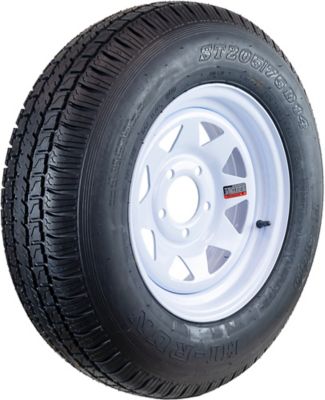
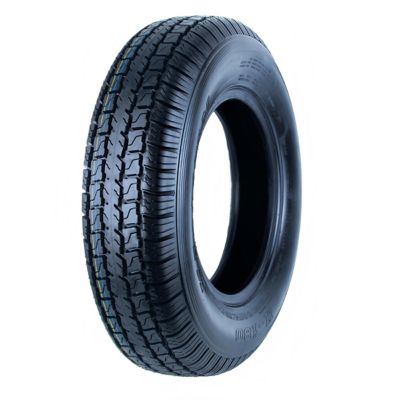
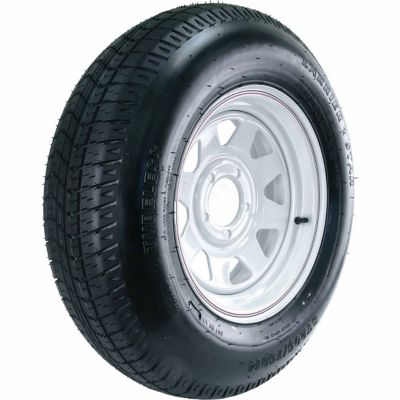
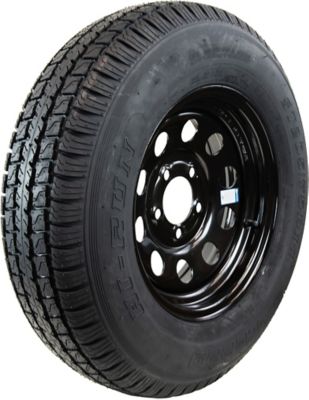
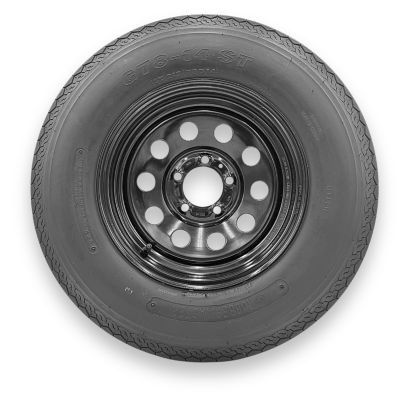
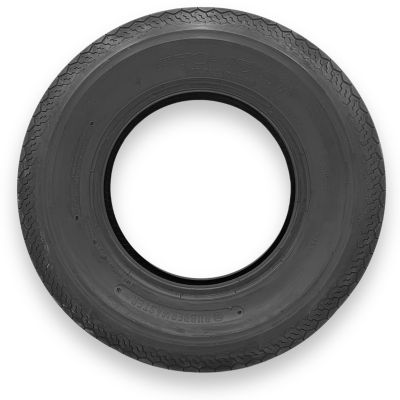
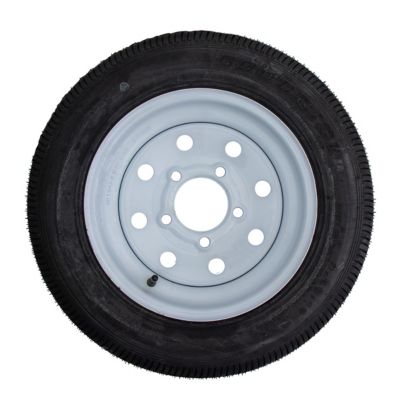
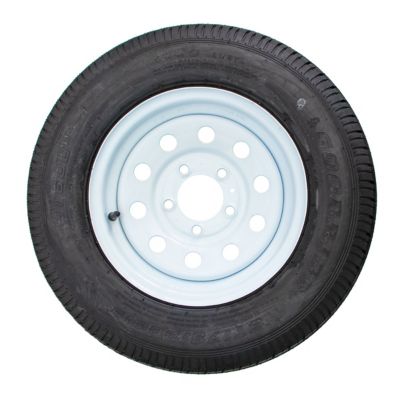
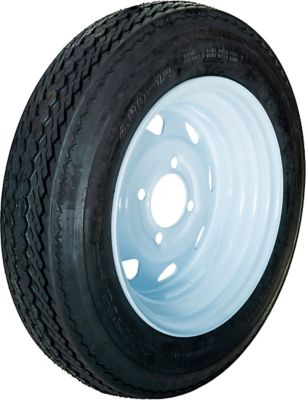
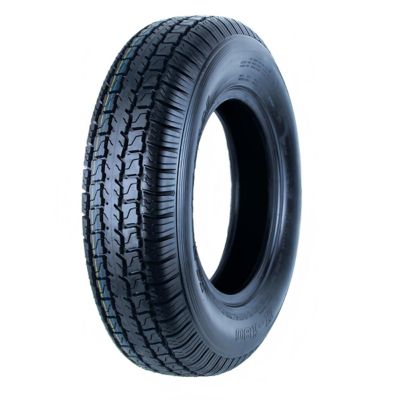
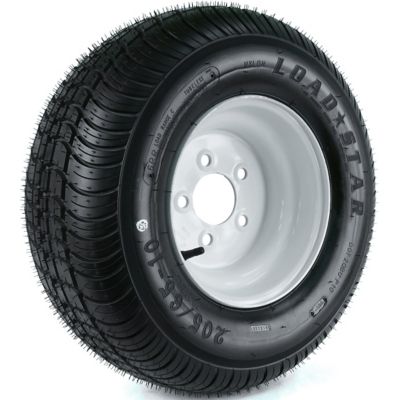
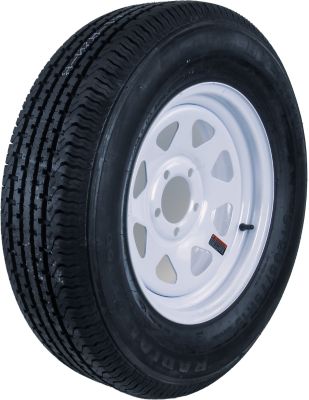
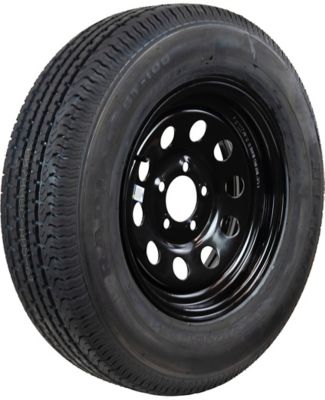
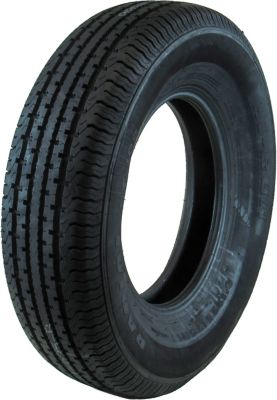
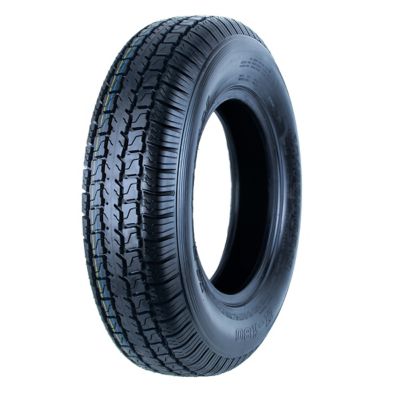
ST205/75D14 trailer tires are built for the rolling work behind a tow vehicle, from taking a utility trailer down a county road to hauling a boat toward the ramp or moving supplies between properties. The size marking tells quite a bit about the fit. ST means special trailer service, 205 identifies the nominal section width in millimeters, and 75 describes a sidewall height that is 75 percent of that width. The D indicates diagonal, or bias-ply, construction, while 14 identifies the wheel diameter in inches. That D is a construction designation, not a load range, an important distinction when comparing tires that look much alike. These tires belong on trailers whose specifications call for this size and type; they are not intended for the steering or drive axles of a passenger vehicle. For a landowner hauling fence supplies, a contractor pulling tools or a family towing recreational gear, the right match starts with the trailer’s requirements rather than appearance alone. Wheel width, load capacity, clearance and the tire manufacturer’s approved applications all matter alongside the size printed on the sidewall. A tire can fit the wheel diameter and still be wrong for the job if its capacity falls short or its dimensions interfere with a fender under load. An
ST205 75R15 Trailer Tire has a different rim diameter and radial construction, so it is not a direct tire-only replacement for this 14-inch bias-ply size. Even when two tire markings share the same first numbers, the complete designation matters. Trailer owners replacing an existing set benefit from checking the trailer placard or owner’s manual along with the markings on the old tires, since an earlier replacement may not match the original specification. That attention to fit helps keep an ordinary hauling chore from turning into an unnecessary stop along the shoulder.
Bias-ply trailer tires have reinforcing cords laid diagonally across one another within the casing. Along with the rubber compounds and bead structure that seats against the wheel, those layers help the tire hold its shape and support its rated load. This construction generally gives a firmer sidewall feel than a comparable radial design, although handling and ride depend on the complete tire, inflation, trailer setup and load. The tread handles contact with the road, while the sidewalls flex as the trailer rolls over pavement joints and uneven entrances. Neither a sturdy-looking sidewall nor a deep tread pattern establishes how much weight a tire can carry. That information comes from its stated load rating and the inflation conditions associated with that rating. Load range and ply rating describe a tire’s load-carrying class; a ply rating does not necessarily equal the number of physical cord layers inside. For trailers carrying a mower, building materials or a load of household belongings, the weight calculation includes the trailer itself as well as everything aboard. Cargo placement matters, too. A pile of posts crowded to one side can put more weight on one tire even when the total trailer weight seems reasonable. Tires do not increase the trailer’s gross vehicle weight rating, and stronger tires cannot make up for an overloaded axle, wheel or hitch. Matching size, construction and suitable load ratings across the trailer helps maintain consistent behavior, with the trailer and tire manufacturers’ recommendations setting the requirements. Speed ratings deserve the same attention as load ratings, particularly when a short run into town turns into a longer highway trip. A trailer tire’s service limits are not something to judge by how smoothly it rolls behind the truck. Correct fit and an appropriate rating are the foundation, whether the trailer spends its days on short property runs or travels farther with a full load.
Everyday care has a big part in how well ST205/75D14 trailer tires hold up between trips. Inflation checks are most useful before towing, while the tires are cold, using the pressure specified for the trailer and tire application. The maximum pressure molded on a sidewall should not automatically replace the trailer manufacturer’s inflation guidance. Underinflation allows excessive flexing, and a tire that looks fine from a few feet away may still need attention from a pressure gauge. Tread wear also tells part of the story: uneven wear can point to inflation, alignment, bearing or loading concerns rather than simply miles traveled. Sidewall cracking, bulges, cuts and damage near the bead call for closer inspection, even when plenty of tread remains. A trailer that sits between hauling jobs still needs tire checks, because age and exposure can affect the casing without wearing down the tread. Keeping tires clean, avoiding harsh cleaning chemicals and protecting them from prolonged sunlight during storage can help preserve their condition. The spare deserves the same attention, including its pressure, condition and suitability for the trailer’s wheel and load requirements. For tire-and-wheel assemblies, fit extends beyond the rubber to the bolt pattern, center opening, wheel offset and wheel capacity. A matching tire size alone does not establish that an entire assembly will mount correctly or provide the necessary clearance. Valve stems and wheels also need to suit the operating pressure, and tire service is a good opportunity to have their condition checked. These details matter most when the trailer has a job waiting: a mower needs to reach another property, a boat needs to get home from the ramp or a load of supplies needs to make it through the farm gate. Tires matched to the trailer’s specifications, cared for between trips and kept within their operating limits help support that work without making the hauling setup more complicated than it needs to be.