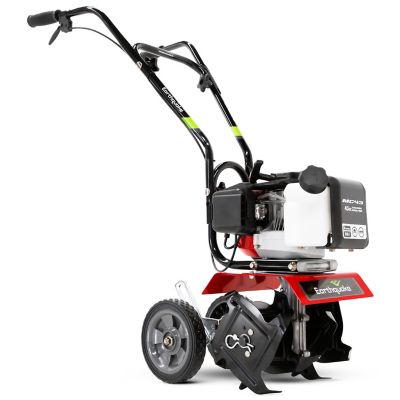
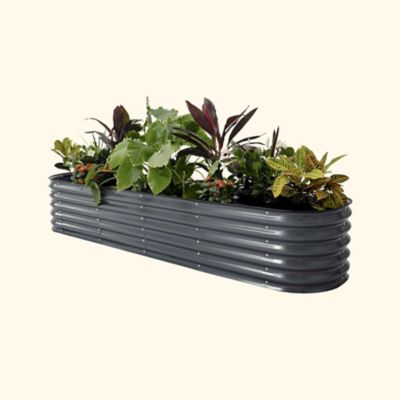
Spring garden preparation starts well before the first warm stretch of the growing season. During the cooler months, gardeners can take stock of what worked, make room for fresh plans and gather the supplies that help outdoor spaces get off to a strong start. A little cleanup goes a long way: fallen leaves, dead plant stalks, broken branches and lingering weeds can be cleared from beds once conditions are suitable, giving new growth more room and making it easier to spot perennial plants. Pruning tools, digging tools and hand tools should be clean, sharp and comfortable to use, especially when there are trees, shrubs, flower beds or vegetable plots to tend. Choosing tools with sturdy construction, easy-to-grip handles and a size that matches the gardener can make a noticeable difference during a long afternoon outside. A small urban bed, a few containers on a porch and a large backyard garden all call for different approaches, so consider the available space, soil type and amount of sunlight before adding supplies. Raised beds may benefit from tools that work neatly in contained spaces, while in-ground gardens often call for equipment suited to loosening larger areas. Gardeners with limited mobility may appreciate lightweight options, ergonomic grips and long-handled designs that reduce bending. For anyone building a garden from the ground up, the
Spring Gardening Tools collection can help bring together practical items for cleanup, soil preparation and planting as the season changes.
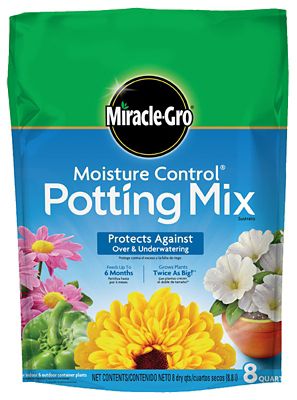
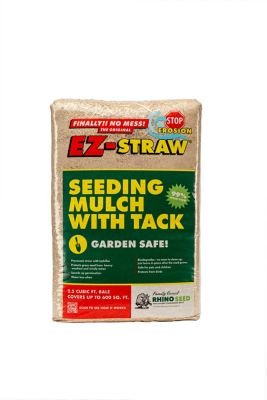
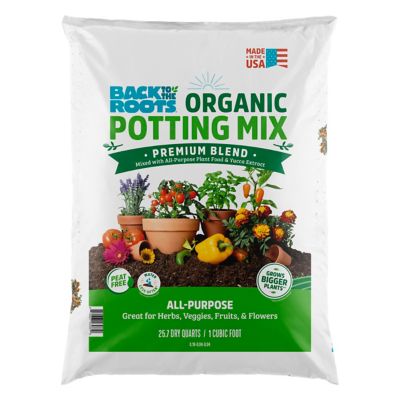
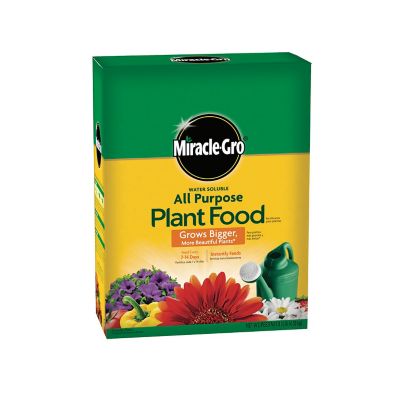
Healthy soil is the foundation for flowers, herbs and vegetables, and spring preparation is a good time to check what the ground needs before planting begins. Soil should be dry enough to crumble in your hand rather than sticking together in a wet ball; working overly damp soil can create hard clumps and compacted areas that are difficult for roots to push through. Once the ground is ready, gardeners can loosen compacted soil lightly with a garden fork or spade, avoiding unnecessary over-tilling that can disturb soil structure. Compost and well-aged organic matter can be mixed into garden beds to support drainage, moisture retention and nutrient availability. A layer of mulch around established plants and beds can help hold moisture, moderate soil temperatures and slow the return of early weeds. Containers and raised beds may need fresh growing media or a top-off after the previous season, while established in-ground beds can benefit from a soil test before amendments are selected. Testing helps identify whether the soil is acidic, alkaline or lacking key nutrients, so additions are based on actual conditions instead of guesswork. These supplies are useful for experienced growers who have a favorite patch of ground and for first-time gardeners learning how their yard behaves through wet spells, dry weather and changing temperatures. They also make thoughtful gifts for new homeowners, children who enjoy growing their own vegetables and anyone who likes spending quiet mornings with a trowel in hand and a row of seedlings ahead.
Planning the garden layout before seeds or starts go into the ground can make the growing season easier to manage. Consider how much sunlight reaches each area, how close a bed is to a water source and how tall mature plants may become. Crop rotation can help avoid planting the same families of vegetables in the same soil year after year, while spacing plans help prevent crowded plants and improve airflow. Warm-weather crops such as tomatoes and peppers are often started indoors so they have time to develop before outdoor conditions settle, while cool-weather crops such as spinach, peas and lettuce may be planted directly when the soil and local conditions are suitable. Seed-starting supplies, labels and containers help keep varieties organized, particularly when several trays are growing near a sunny window. Protective coverings, supports and watering equipment can also be useful as tender plants move outdoors and adjust to changing temperatures. Gardeners caring for pollinator beds, cutting gardens, kitchen plots or a mix of all three can choose supplies around their goals, whether that means harvesting salad greens, filling a vase with homegrown flowers or giving children a hands-on way to see roots, stems and leaves develop. Preparing during the cooler months also gives gift-givers a practical way to encourage a loved one’s hobby without having to guess at a particular plant; durable garden basics, soil-building materials and planting accessories are useful for neighbors, grandparents, new gardeners and seasoned growers alike. With the right preparation, beds are cleaner, soil is better supported and planting plans are ready to move forward when the weather warms.