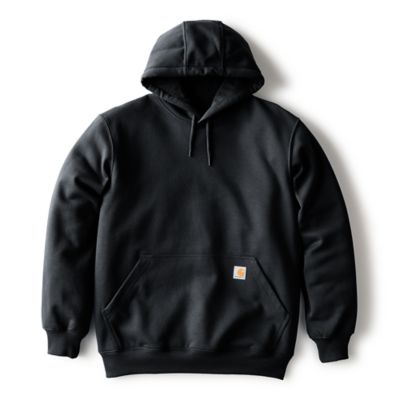
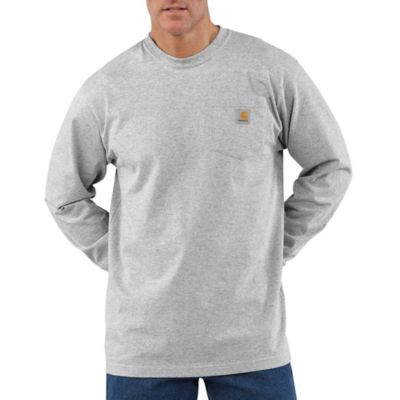
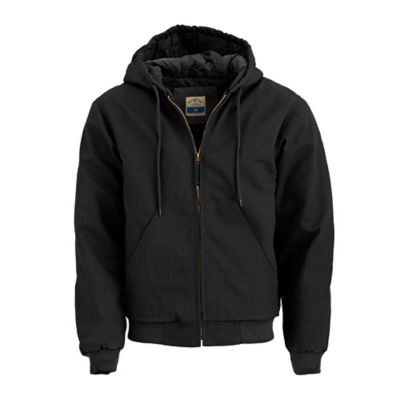
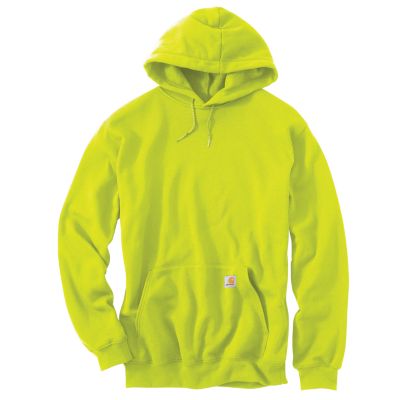
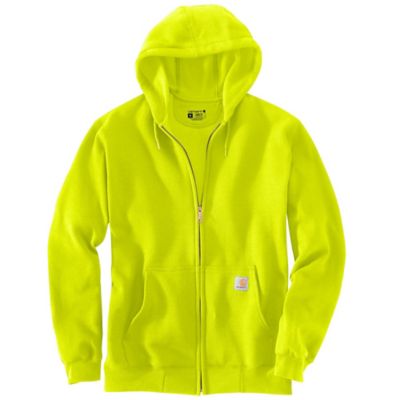
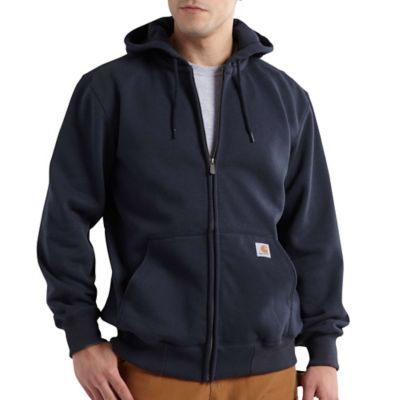
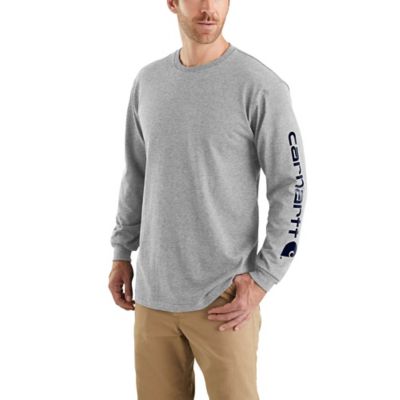
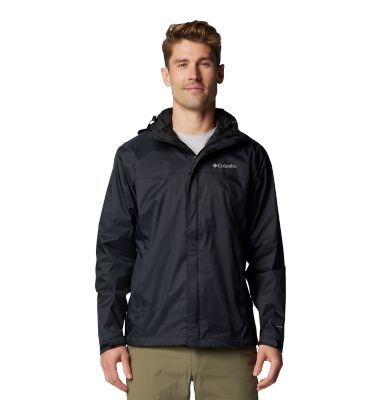
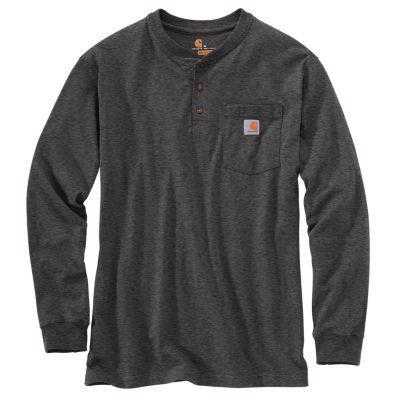
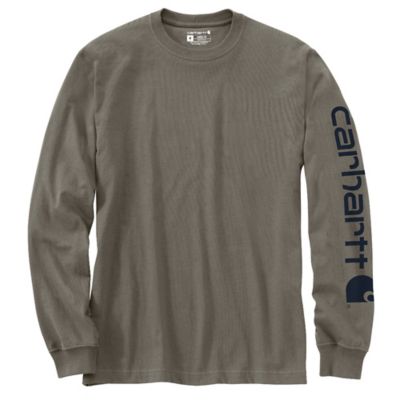
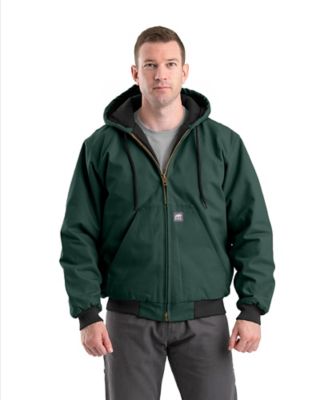
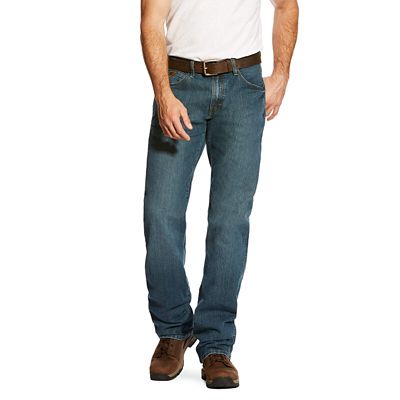
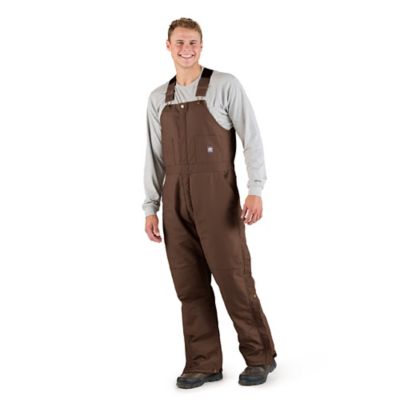
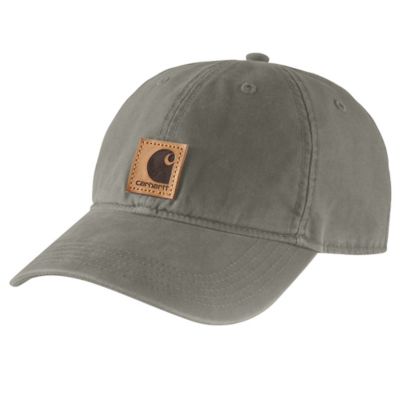
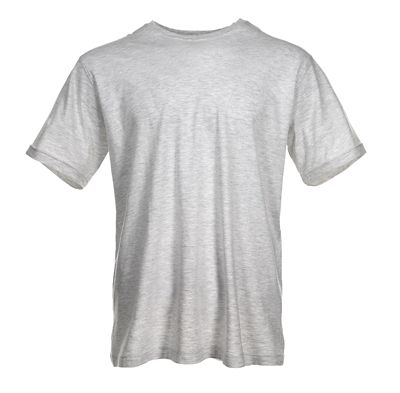
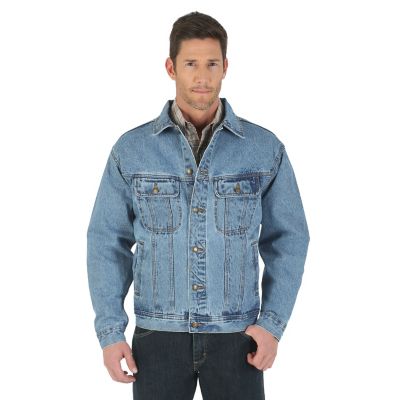
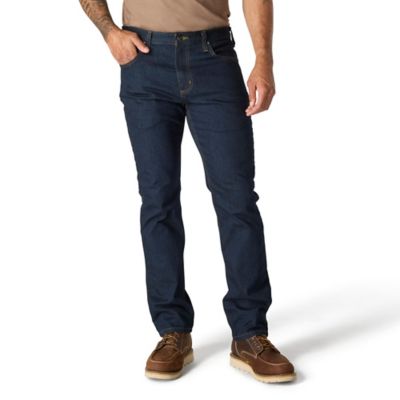
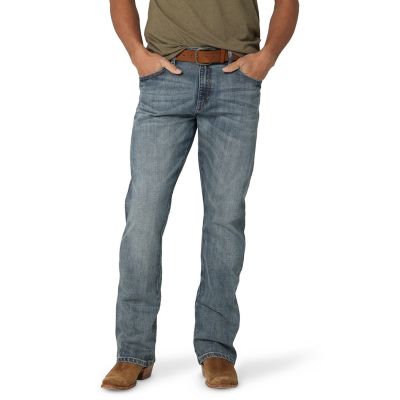
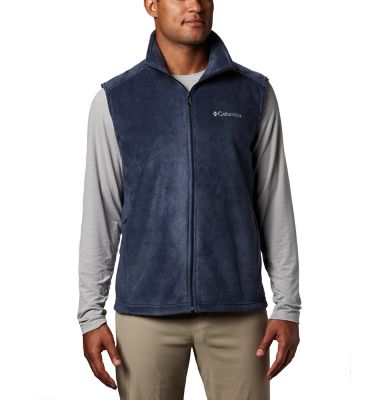
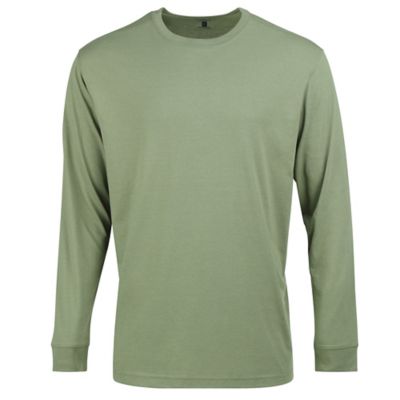
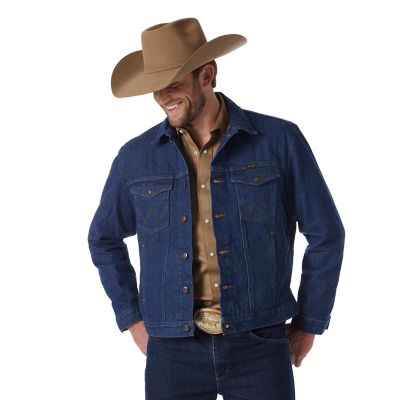
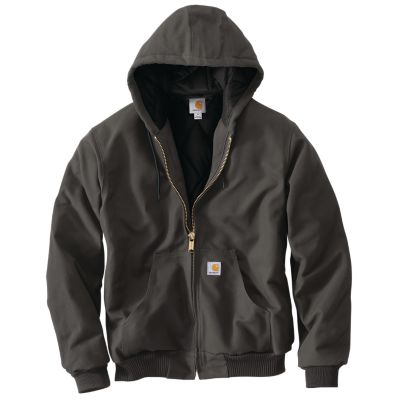
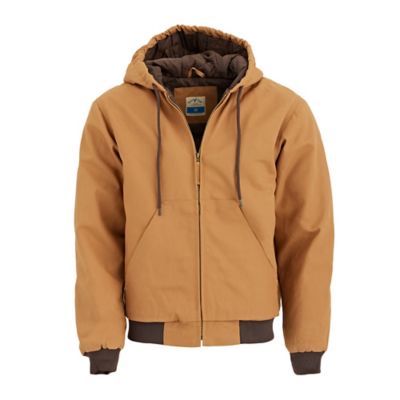
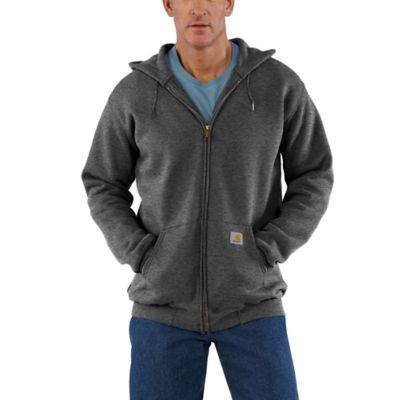
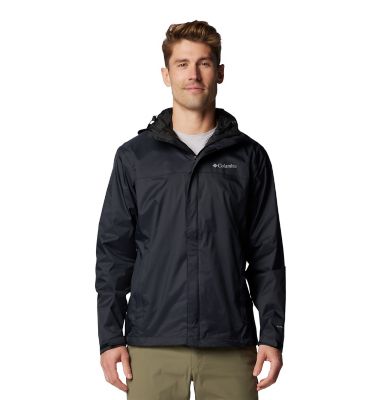
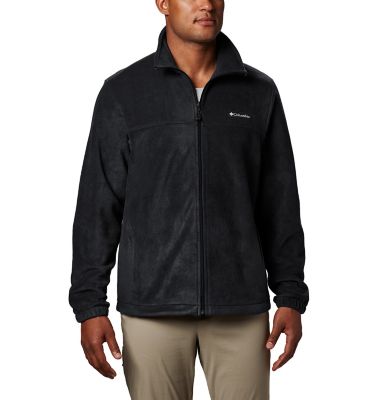
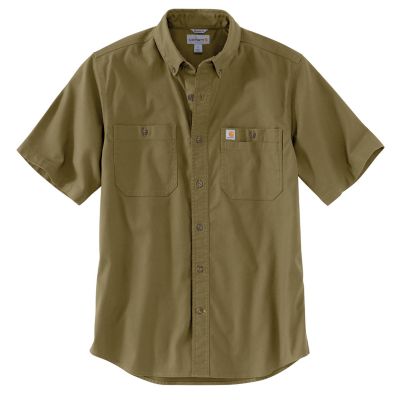
Spring clothing for men centers on lighter layers, comfortable fabrics and practical fits that handle cool starts, warmer afternoons and a mix of work and downtime. Around the farm, in the yard or on a trip into town, that usually means clothing that leaves room to move without feeling heavy once the day gets going. Breathable shirts, lightweight outerwear and pants with enough give for bending and stepping up into a truck form a useful foundation. A short-sleeve shirt under an overshirt offers more flexibility than one thick layer, especially when a chilly breeze gives way to sunshine along the fence line. Long sleeves also provide coverage from brush and direct sun, though sun protection ratings apply only to garments labeled for that purpose. For an outer layer, a
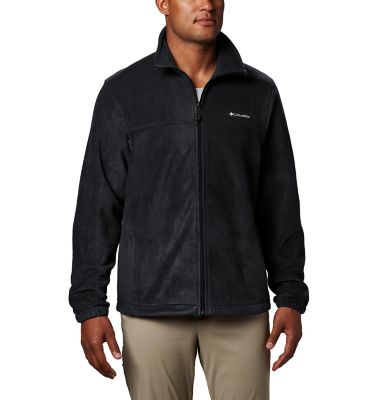
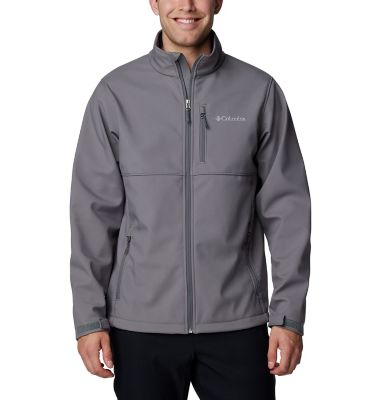
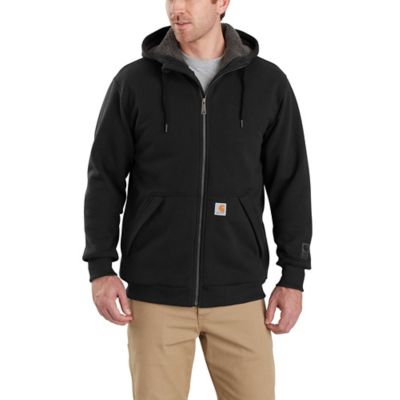
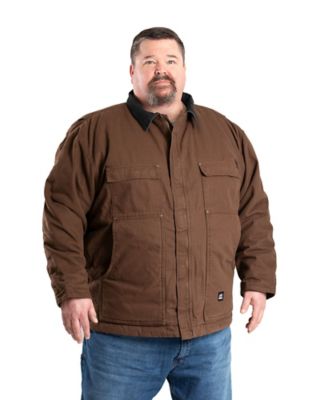
Mens Spring Jacket can bridge the gap between a heavy coat and shirtsleeves, with the right choice depending on wind, rainfall and how active the day will be. An unlined jacket generally adds less warmth than a lined version, while an adjustable cuff or hem helps control how much air gets through. Easy-to-reach pockets give small essentials a place to ride, and closures that work comfortably over a shirt make layering less of a fuss. The same pieces can earn their place during the cooler months, whether worn beneath a heavier coat or kept handy for mild afternoons. Earth tones, blue, gray and straightforward plaids fit naturally into a country wardrobe and pair easily with denim or casual work pants. Lighter shades offer a fresh look without calling for a whole new way of dressing. For men who split their time between outdoor chores, errands and family get-togethers, the appeal is simple: everyday clothes that feel comfortable, look pulled together and adapt when the temperature changes.
Fabric and construction make a real difference in how men's spring apparel feels over a full day. Cotton is soft and breathable for everyday wear, but it absorbs moisture and can stay damp after hard work or a passing shower. Cotton blends can balance that familiar feel with easier care, while many polyester and nylon fabrics dry faster than all-cotton alternatives. Moisture-wicking performance depends on the fabric and finish, so garment descriptions matter more than fiber content alone. Linen and linen blends let air circulate and suit relaxed outings, with natural creasing as part of their character. For pants, lighter denim and twill offer familiar structure without the weight of heavier fabrics. Canvas can be a practical choice where abrasion is a concern, although weight and weave influence both toughness and comfort. A little stretch can make kneeling beside a garden bed or climbing onto equipment more comfortable, but extra stretch is not a substitute for the right size. Fit works best when shoulders sit comfortably, sleeves allow a full reach and the waistband stays put through sitting and bending. Straight and relaxed cuts often leave more space through the seat and thighs, while closer cuts create a neater outline for casual office days or supper in town. Enough room for movement should not mean loose fabric near moving machinery; clothing should suit the task and any applicable workplace safety requirements. Reinforced seams, firmly attached buttons and substantial pocket edges are useful details in clothing that sees frequent wear. On outerwear, water-resistant fabric can help with brief, light moisture, but it should not be mistaken for waterproof protection. Waterproof performance depends on construction as well as fabric, including features such as sealed seams. For an active day, breathability matters too: a layer that blocks the breeze can still feel clammy if heat and moisture have nowhere to escape. These distinctions help separate clothing meant for easygoing outings from apparel built around more demanding outdoor tasks.
Everyday spring outfits for men also benefit from small details that are easy to overlook until a long day puts them to the test. A shirt hem that stays tucked during a reach overhead, a collar that sits comfortably beneath a jacket and pockets positioned clear of a belt can make clothing easier to live in. Men who prefer untucked shirts may find a shorter, even hem more comfortable than long shirttails, while anyone wearing a base layer needs enough space through the chest and upper arms to avoid bunching. Pants should work with the footwear they will be worn over, with hems that clear the ground rather than dragging through wet grass and gravel. Care requirements deserve the same attention as fit, especially for clothes that rotate between chores and casual wear. Washing according to the care label helps preserve shape, color and fabric performance. High dryer heat can shrink some cotton garments and affect stretch fibers, while fabric softeners may interfere with certain moisture-management finishes. Mud is often easier to brush away once dry before treating what remains, but stain treatment should always suit the fabric. Prompt attention to a loose button or a small opening at a seam can keep a minor repair from becoming a bigger problem. Jackets should be dry before they are put away, and specialty weather-protection finishes may need care beyond an ordinary wash cycle. Easy-care clothing is especially handy for men who need a clean change after feeding livestock or working outside before heading to a family meal. As a gift, versatile men's seasonal clothing makes sense for dads, husbands, sons and friends whose routines call for comfortable everyday layers. Knowing the recipient's usual size, preferred fit and laundry habits is more helpful than choosing by appearance alone. A familiar color and a shape similar to something he already enjoys wearing can make the choice feel natural. From a quiet morning on the porch to a full afternoon around the property, spring clothing has a place in a hardworking wardrobe long beyond one stretch of weather.