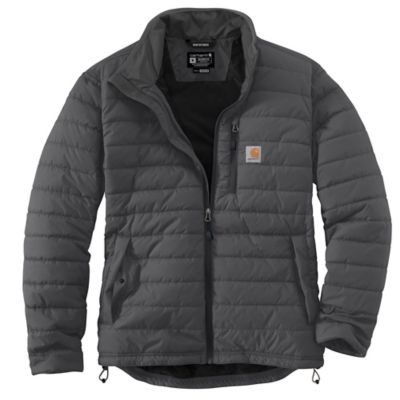
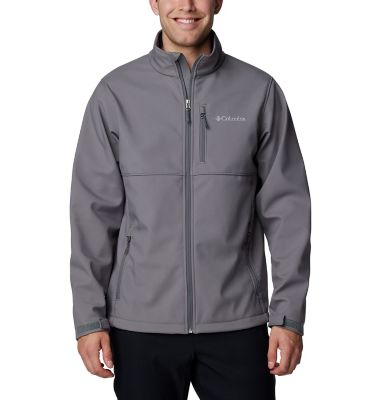
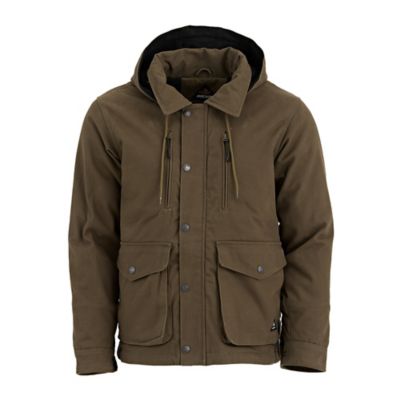
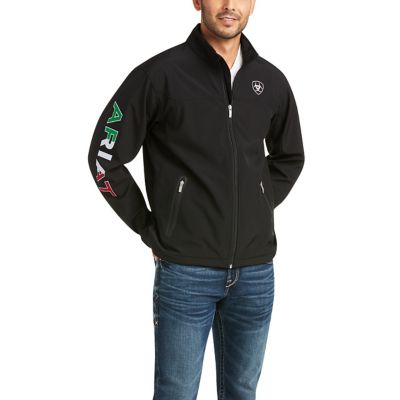
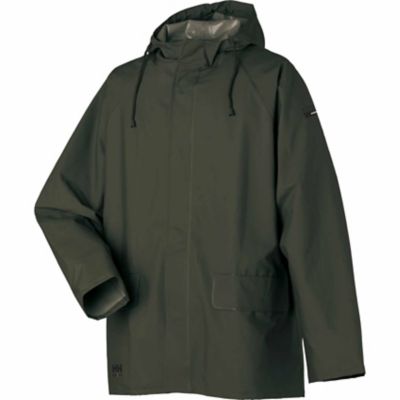
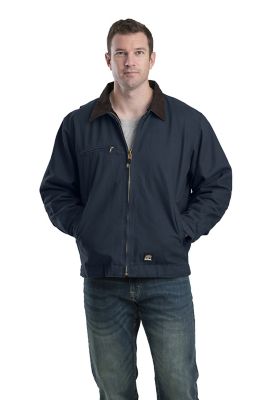
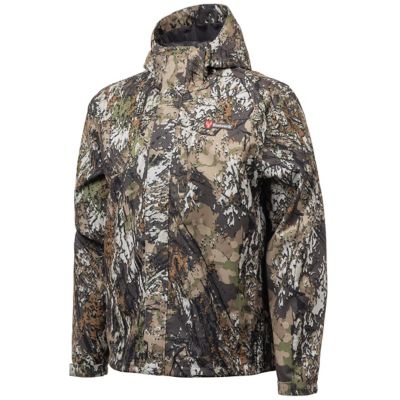
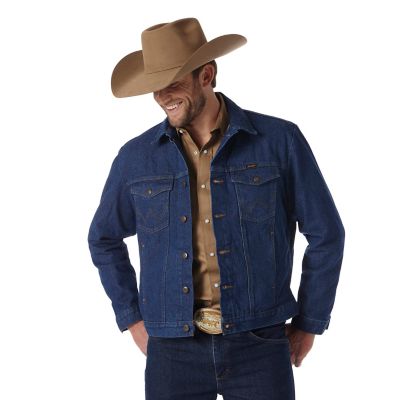
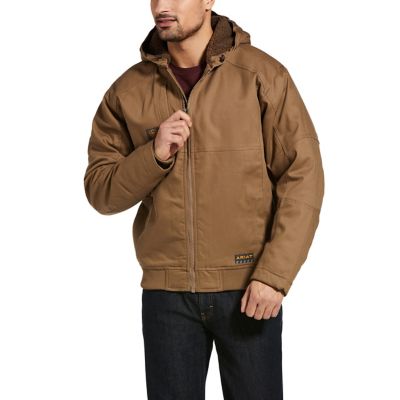
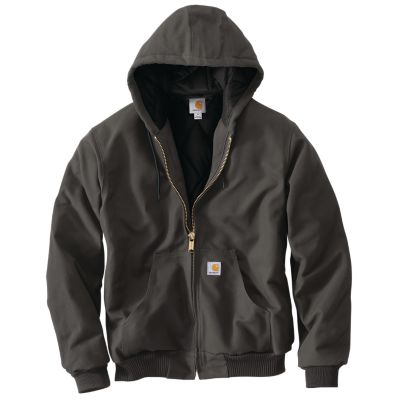
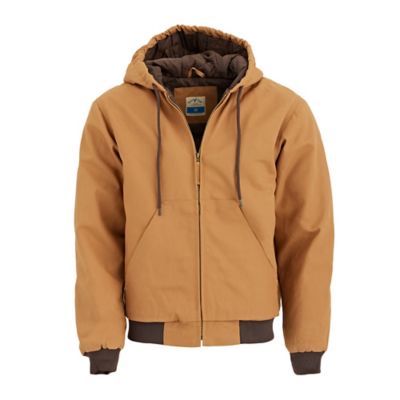
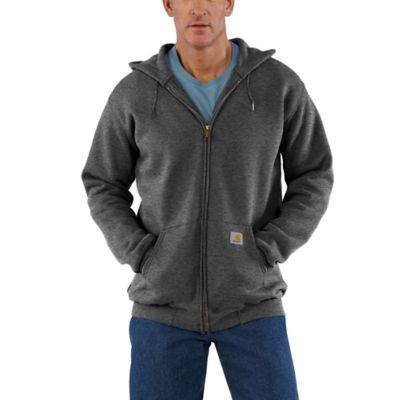
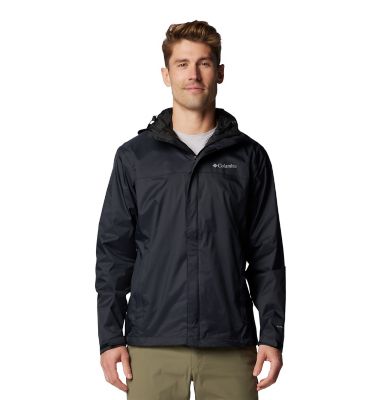
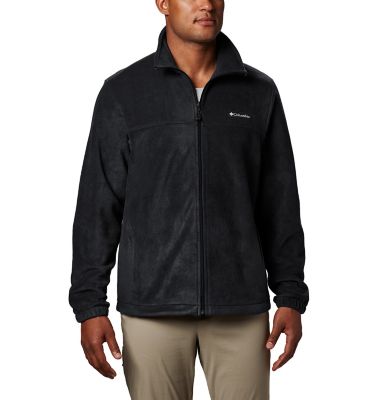
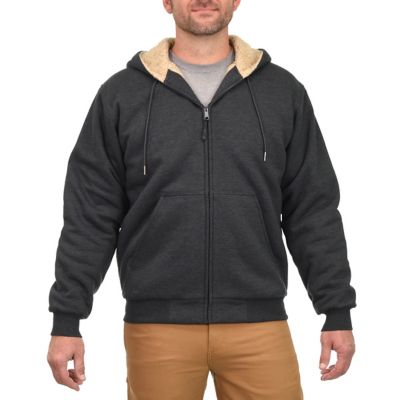
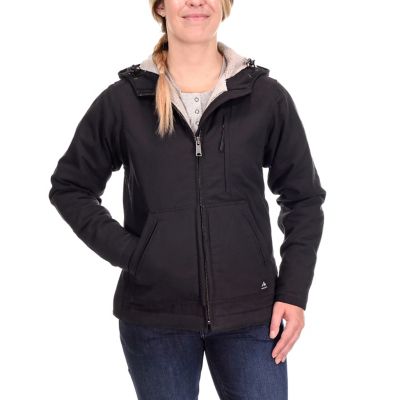
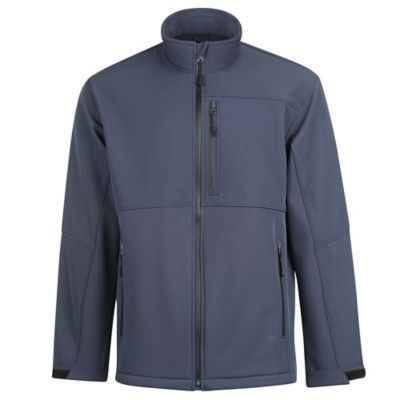
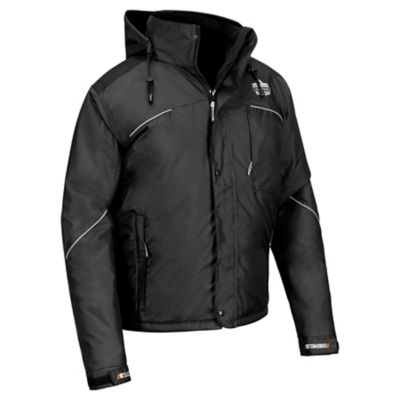
A men’s spring jacket earns its spot by the door long after the first warm stretch of the year. It’s the layer you reach for when the porch feels chilly, the truck hasn’t warmed up, and there’s already work waiting outside. Lighter than a winter coat and easier to carry when the afternoon turns mild, this kind of jacket fits the in-between weather that comes with country living. Think of checking a fence line in a steady breeze, loading supplies before heading home, or sitting through a ball game after the sun drops behind the bleachers. The right weight takes the edge off without leaving you bundled up for the rest of the day. When shopping for men’s spring jackets, start with where yours will spend most of its time. A jacket for outdoor chores has a different job than one worn mostly between the house, the truck, and town. For active work, room through the shoulders and a fabric that lets heat escape can matter more than a thick lining. For slower-paced days outside, a little extra coverage at the neck and cuffs may be welcome. Lightweight jackets also make sense during the cooler months when you want an outer layer over a flannel or sweatshirt, though they aren’t a replacement for insulated winter gear in hard cold. Fabric weight, lining, and fit all affect how comfortably a jacket makes that transition. An unlined option generally offers less warmth and takes up less space, while a lined jacket can feel more comfortable when the wind picks up. Neither is automatically the better choice; it comes down to the temperatures you face and how much moving around you do. A jacket that feels just right for an evening walk may run warm while stacking firewood. Choosing around your everyday routine helps keep that extra layer on your back instead of tossed over the passenger seat.
Fabric and construction deserve a close look, especially if your jacket will see more barn doors than office doors. Cotton-rich fabrics often have a familiar, substantial feel, while many synthetic fabrics offer a lighter weight and can dry faster, depending on their weave and finish. A touch of stretch can help when you reach across a truck bed or bend to latch a gate, but the cut of the jacket matters just as much. Give yourself enough room to move without so much loose fabric that it gets in the way. Shoulder seams shouldn’t pull when your arms come forward, and sleeves should cover your wrists without slipping over your hands. If you usually wear a sweatshirt underneath, check the size chart with that extra layer in mind rather than assuming your shirt size will provide the fit you want. Jacket length is worth considering, too. A shorter hem can sit comfortably while driving, while a longer back may offer more coverage when bending or reaching. For work around moving equipment, keep loose hems, cords, and other hanging details clear of machinery and follow workplace clothing requirements. Weather protection is another place where the details count. Water-resistant fabric can help with a passing sprinkle, but it doesn’t offer the same protection as a waterproof jacket designed for sustained rain. When rain protection is a priority, look for stated waterproof features, seam construction, and closures that help keep water out. Wind resistance can be useful even on dry days, especially across open pasture or along an exposed driveway. A collar that closes comfortably, adjustable cuffs, and a well-fitting hem can help limit drafts. A hood adds coverage, though some folks prefer an unobstructed neckline with their usual hat. Breathability matters alongside protection: carrying feed or walking uphill builds heat quickly. Match those features to the work and weather rather than choosing by appearance alone, and check the care label so keeping the jacket clean fits your routine.
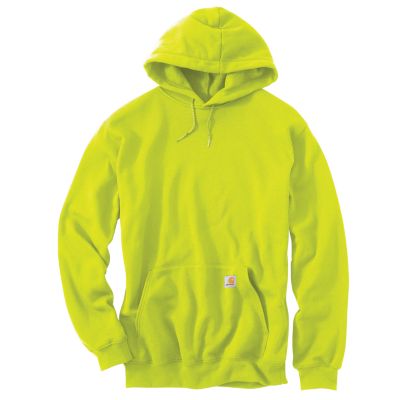
The smaller details are often what make a men’s lightweight jacket a regular companion. Pockets should suit what you actually carry, whether that’s a phone, keys, a wallet, or a pair of work gloves. Zippered pockets can help keep belongings contained when you climb into the cab or lean over, while open hand pockets offer a convenient place to warm your fingers during a pause outside. Check pocket placement if you frequently wear a tool belt or spend long stretches seated; a bulky pocket in the wrong spot gets bothersome fast. Closures are worth a little attention as well. A zipper pull that’s easy to grasp can be welcome with cold fingers, and a storm flap may add protection over the front opening. Inside, a smooth lining can make it easier to slip the jacket over long sleeves without bunching them at the elbows. Color and finish come down to your routine and taste. Earth tones and darker shades fit easily with work pants and jeans, although every color shows dust, lint, and mud differently. Brighter colors can stand out more outdoors, but color alone doesn’t make a jacket certified high-visibility workwear; check the stated rating when the job calls for it. These practical considerations also make spring-weight jackets thoughtful gifts for men who spend time tending property, walking the dog, camping, or traveling between indoor and outdoor work. For a gift, knowing the recipient’s usual size, preferred fit, and favorite everyday layers is more helpful than guessing from height alone. Consider whether he likes a hood, needs secure pockets, or prefers something simple enough to wear into town after chores. If you’re shopping for another member of the household,
Spring Jackets For Women offers a place to continue looking. The best fit for everyday life is a jacket that feels comfortable over your usual clothes, suits the conditions, and leaves you free to get on with the day—from opening the barn in the morning to making one last trip outside before settling in.