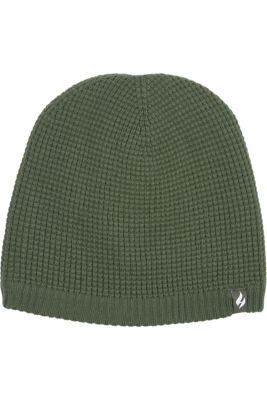
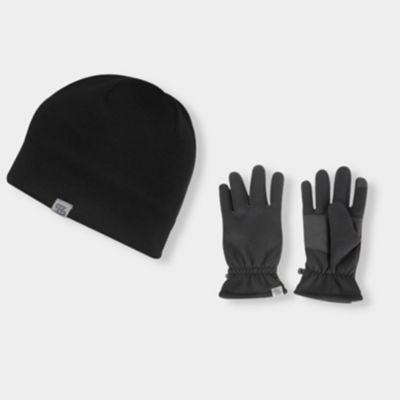
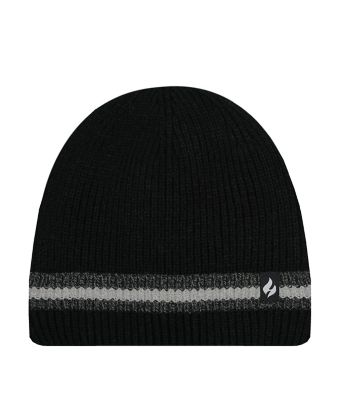
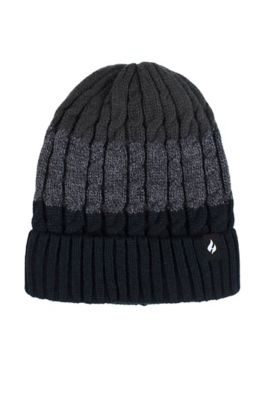
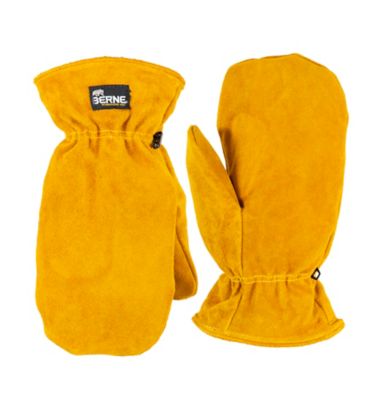
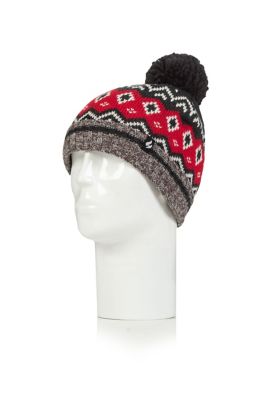
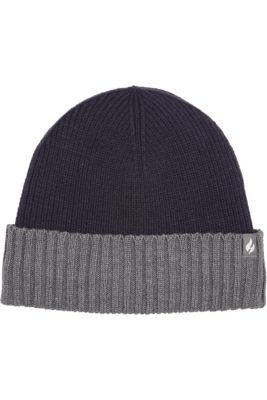
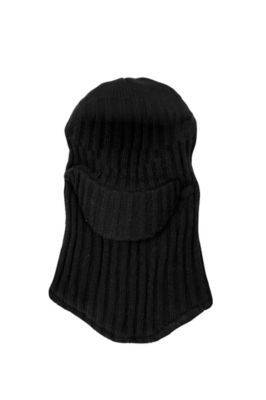
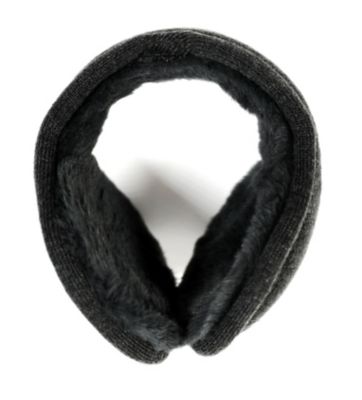
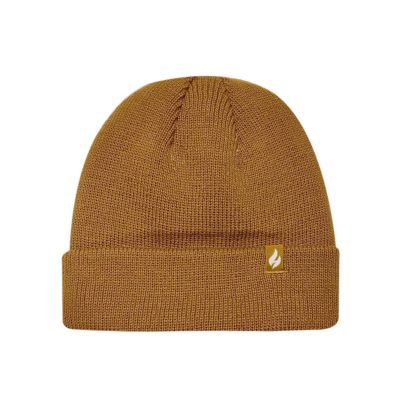
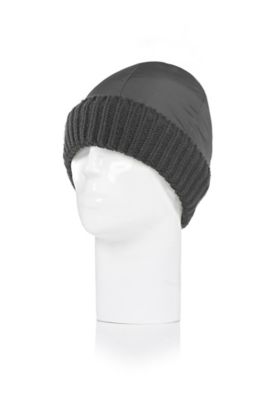
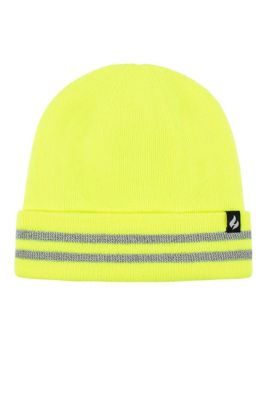
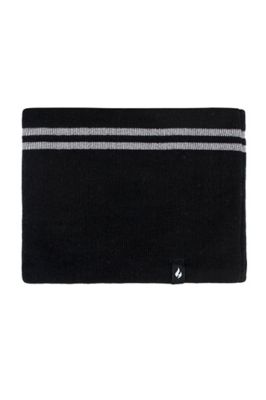
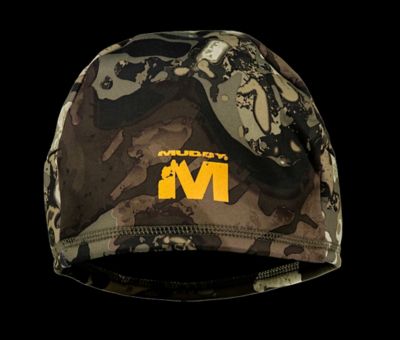
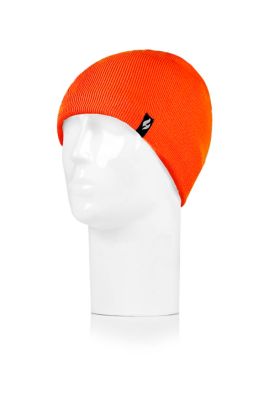
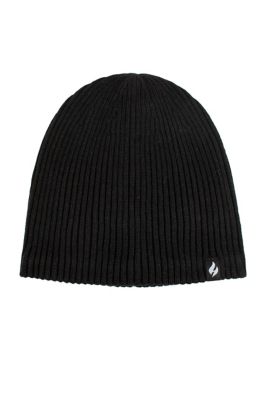
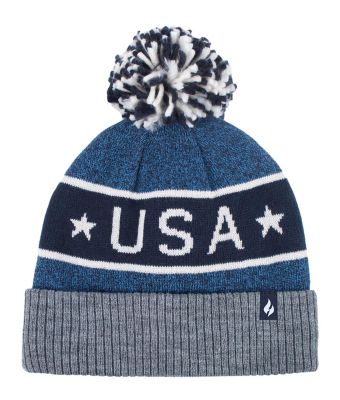
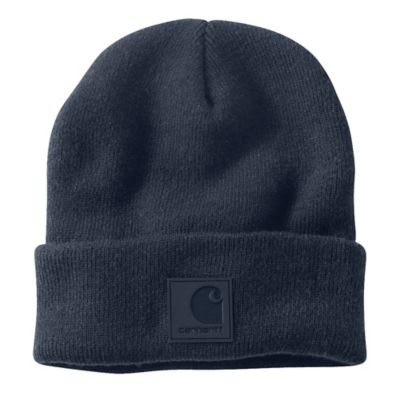
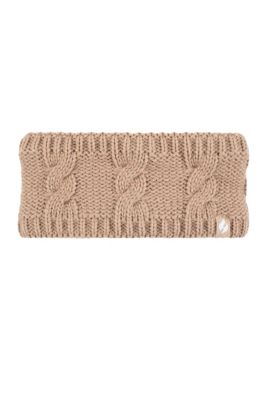
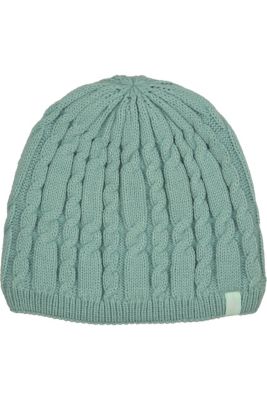
Men’s winter accessories help close the gaps that a coat alone can leave behind, bringing warmth to ears, hands, necks and feet when there’s work waiting outside. Feeding livestock before sunrise, walking the fence line or hauling firewood calls for coverage that stays comfortable through bending, reaching and moving between the barn and the yard. Knit hats, insulated gloves, neck gaiters and thermal socks each handle a different part of that job. For headwear, a close-fitting beanie can sit comfortably beneath a jacket hood, while a cuff adds another layer around the ears. Earflap styles offer more coverage along the sides of the head, especially when the wind picks up across an open pasture. The material makes a difference in how a hat feels over a full day: wool and wool blends provide insulation and help manage moisture, acrylic knits offer stretch and straightforward care, and fleece brings a soft feel against the skin. A lined hat can add warmth, though the fit should still feel comfortable rather than tight across the forehead. Neck gaiters cover the space above a coat collar without leaving long ends hanging down, making them a practical choice around chores. Balaclavas extend coverage over the head and neck, with openings that vary in how much of the face they leave exposed. Breathable fabric around the mouth matters during active work, when moisture from breathing can collect against the material. Scarves offer adjustable coverage for everyday outings, but loose ends belong well away from moving machinery. Across these styles, warmth depends on more than thickness. Coverage, wind resistance, moisture management and a fit that stays put all contribute to comfort. A hat that slips above the ears or a neck covering that bunches beneath a collar can become a distraction halfway through the morning, while a smooth, comfortable fit lets attention stay on the job.
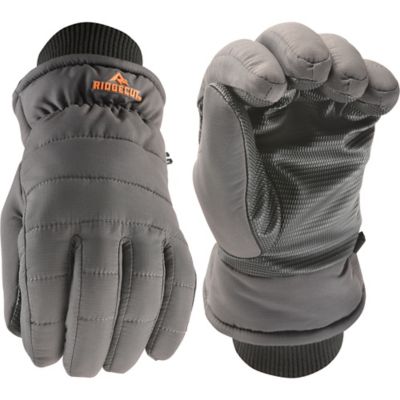
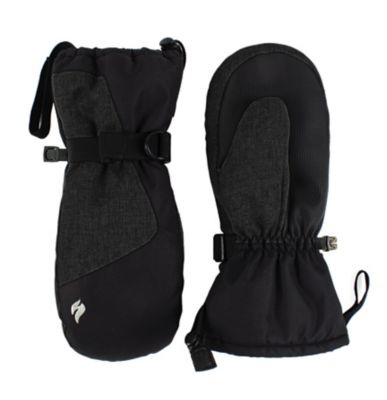
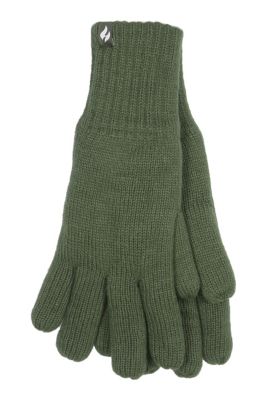
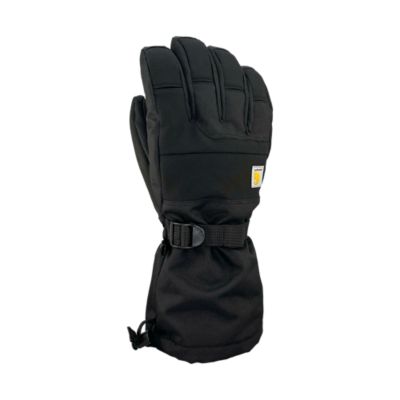
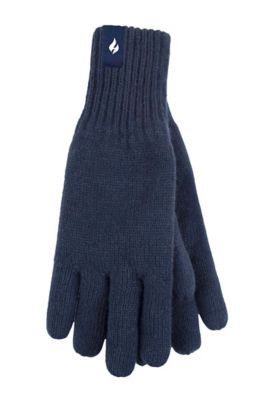
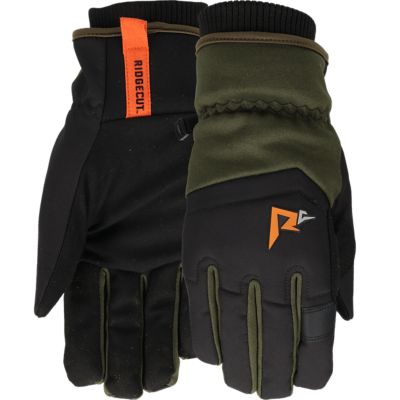
Winter gloves and mittens balance insulation with the hand movement a task requires. Carrying feed sacks, holding a shovel and handling a cold gate latch put different demands on the palms and fingers, so construction matters as much as the lining. Leather palms can provide grip and abrasion resistance, while reinforced fingertips and stitching help protect areas that see repeated contact. Flexible panels across the knuckles can make it easier to close a hand around a handle without fighting stiff fabric. Gloves keep the fingers separate for tasks that need more dexterity; mittens hold the fingers together and often offer more warmth, though they limit fine movements. A close-fitting liner can add another layer beneath an outer glove when the sizing allows enough room. Tight gloves can restrict movement and compress insulation, while extra space at the fingertips can make small fasteners harder to manage. Wrist coverage matters, too. Longer cuffs can overlap jacket sleeves to help keep snow out, and snug knit wrists can reduce gaps without interfering with a coat cuff. For wet snow or slushy chores, a waterproof construction offers a different level of protection than a water-resistant finish, which generally handles lighter exposure. Wind-resistant shells help limit cold air moving through the fabric, but active work still calls for breathability so sweat has somewhere to go. Touchscreen-compatible fingertips can be handy for checking a message without fully uncovering a hand, although performance depends on fit and the device. For a long stretch outdoors, a dry spare pair makes sense when gloves may become damp from snow, sweat or handling wet equipment. The best match is not necessarily the thickest pair: a little more flexibility may suit steady physical work, while extra insulation can be welcome during a slow ride or time spent standing in the cold. Grip, coverage and freedom of movement all deserve a place alongside warmth.
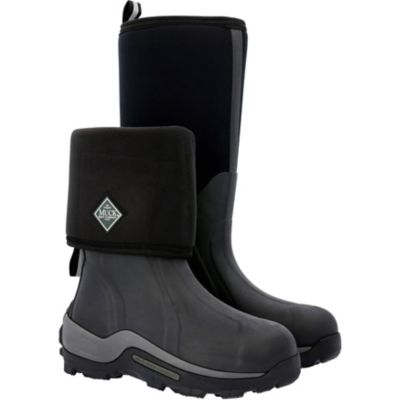
Thermal socks round out men’s cold-weather accessories by helping manage the conditions inside a boot, where moisture and fit can matter just as much as outside temperatures. Wool-blend socks combine insulating fibers with materials that add stretch, help move moisture or strengthen high-wear areas. Synthetic blends can dry readily and hold their shape, while cushioning under the heel and ball of the foot adds comfort during long hours on hard ground. Sock height should work with the boot shaft so the top edge does not rub directly against bare skin. Thickness also needs room: packing a heavy sock into a close-fitting boot can squeeze the foot and leave less space for toes to move. Pairing socks with
Winter Footwear for Men works best when both fit comfortably together, with enough room for insulation without heel slipping. A smooth toe seam and a cuff that stays up without digging in can make a noticeable difference by the end of a chore-filled day. Care helps preserve that comfortable fit across hats, gloves, neck coverings and socks. Each material has its own needs, so the care label takes priority over a one-setting-fits-everything laundry routine. Wool may need gentle washing and air drying, leather gloves may call for cleaning and conditioning products intended for leather, and waterproof fabrics can require particular washing methods to protect their performance. Excessive dryer heat or direct heat from a stove can shrink fabrics, stiffen leather or damage components. Letting accessories dry fully before putting them away also helps keep the next wear more comfortable. For gifting, these everyday essentials suit men who spend time tending animals, tackling outdoor projects, hunting or simply walking the dog. Familiar hat styles, measured glove sizes and sock sizes matched to the recipient make a thoughtful starting point. Practical colors are easy to pair with work clothes, while brighter shades can make a hat or glove easier to spot when set down in the truck or barn. The result is a winter setup built around the way a man actually spends his day.