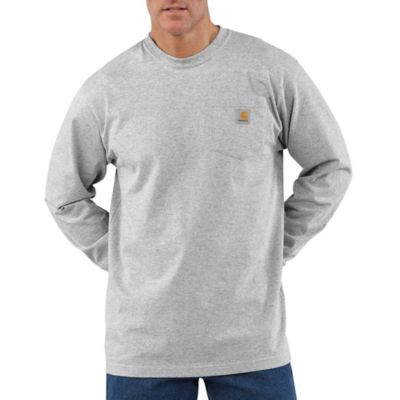
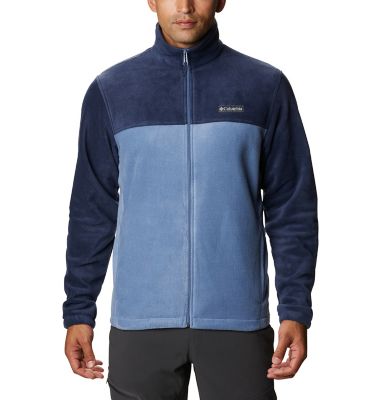
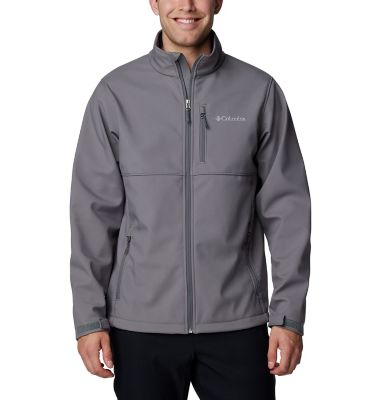
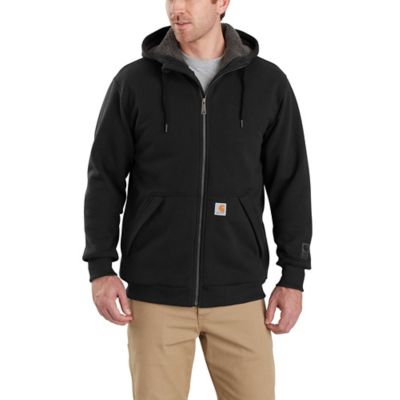
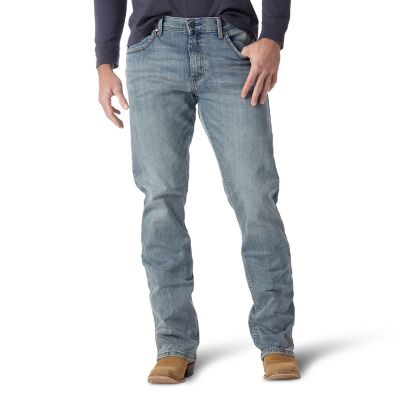
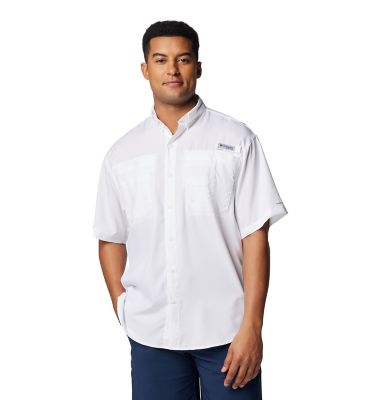
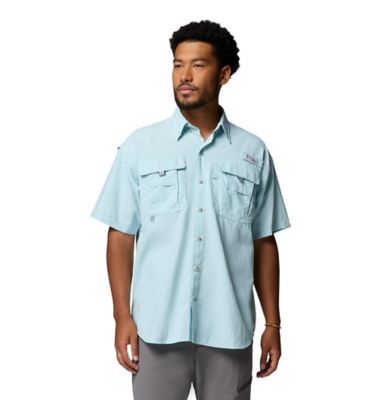
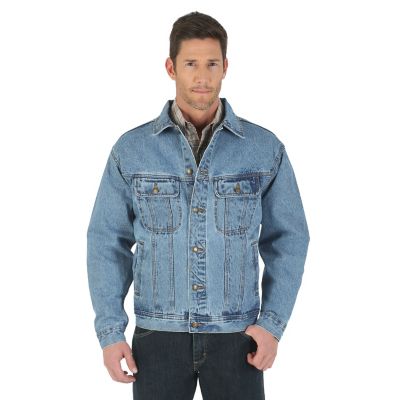
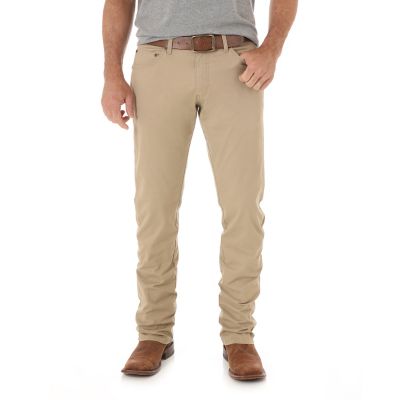
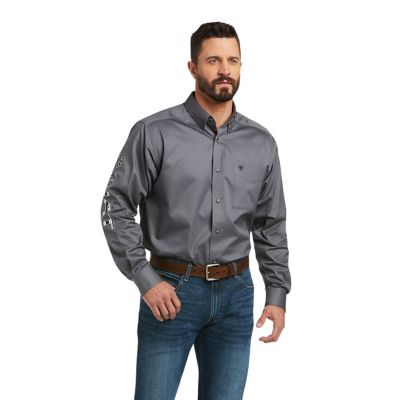
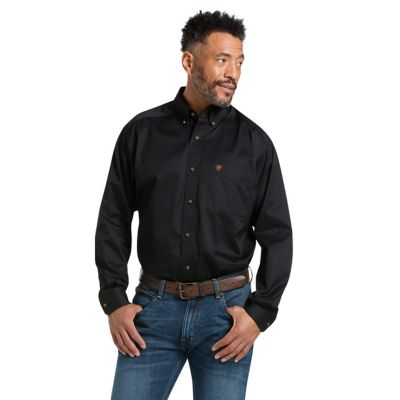
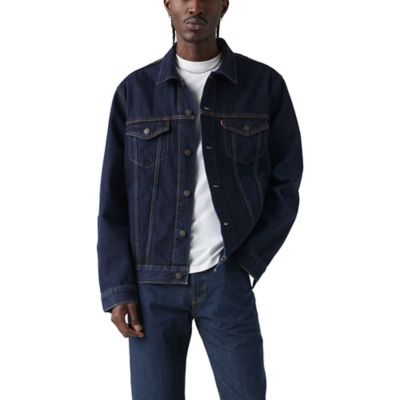
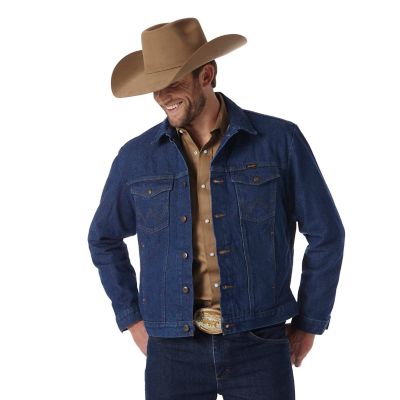
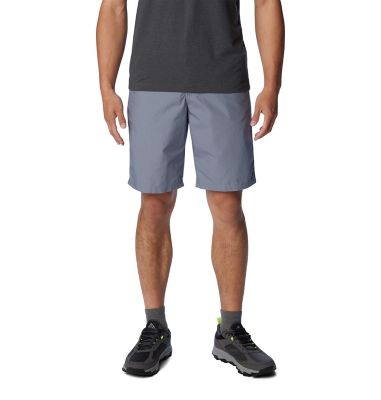
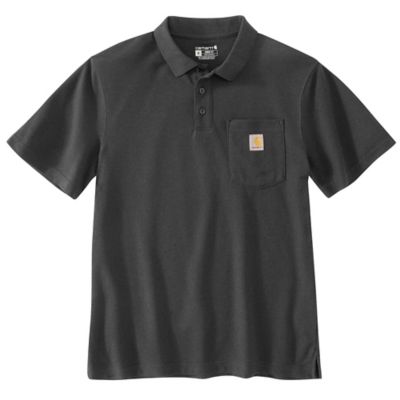
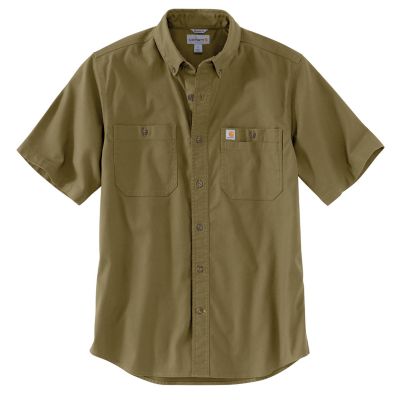
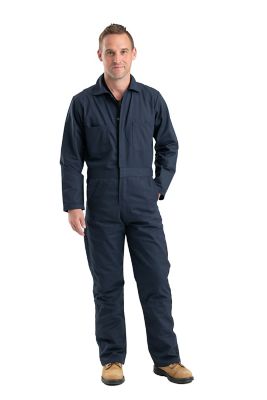
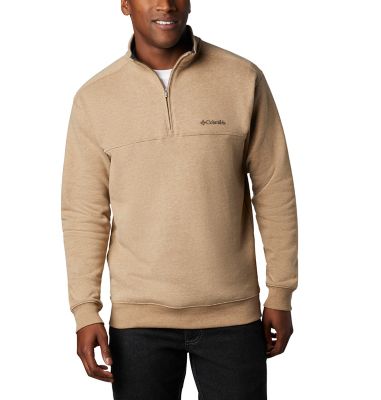
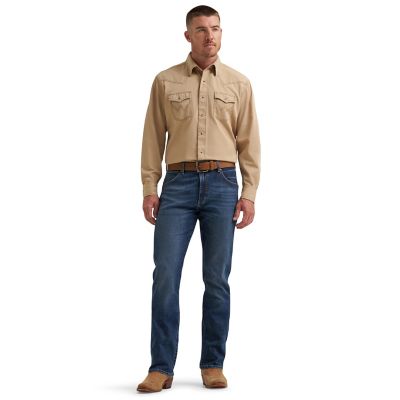
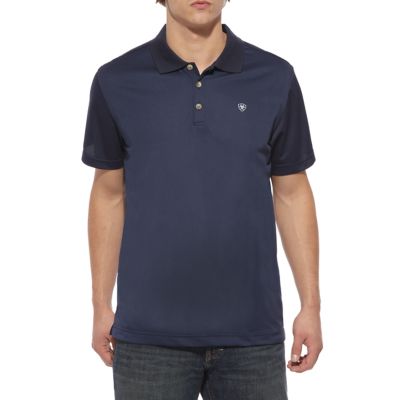
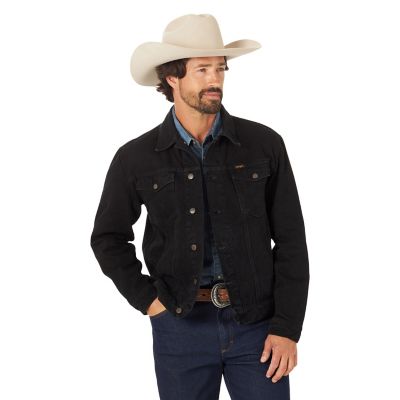
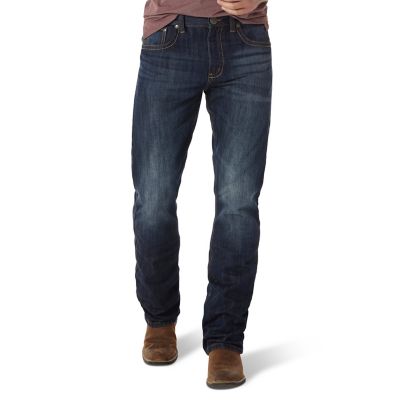
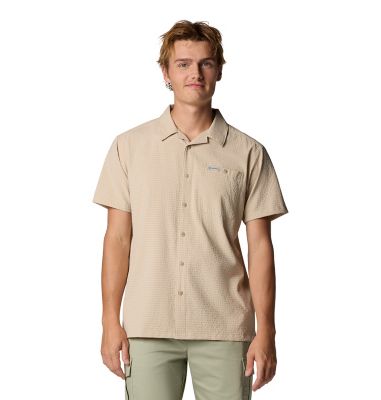
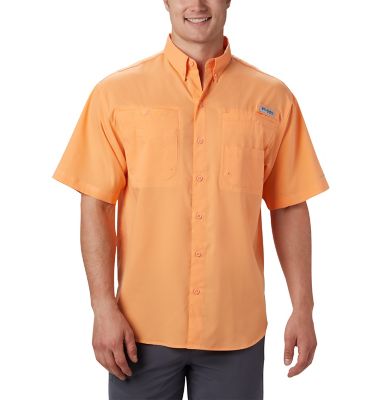
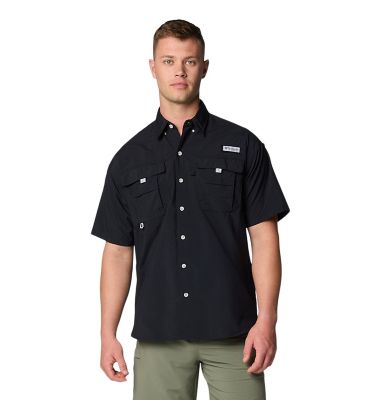
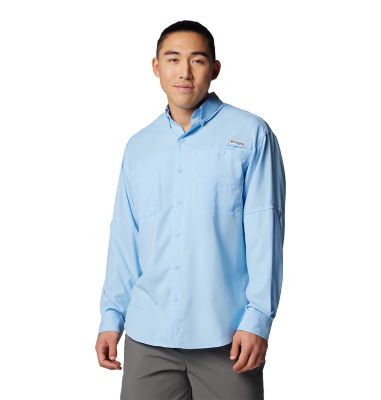
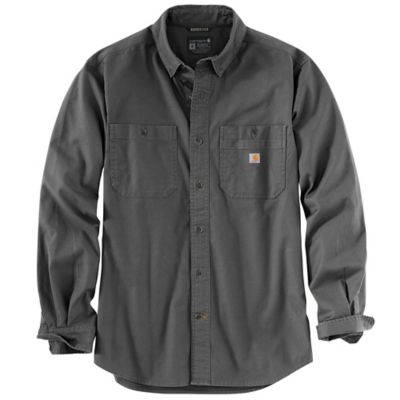
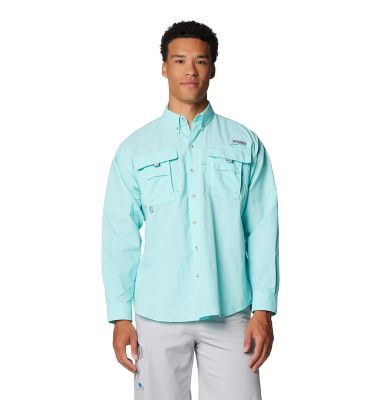
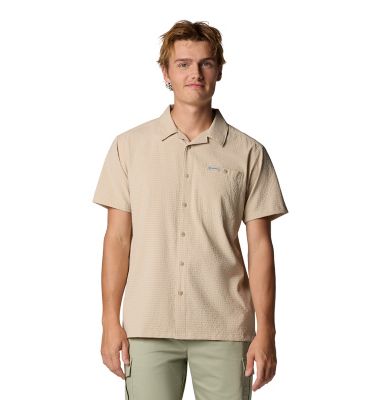
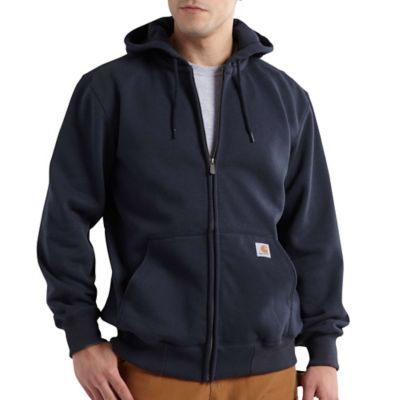
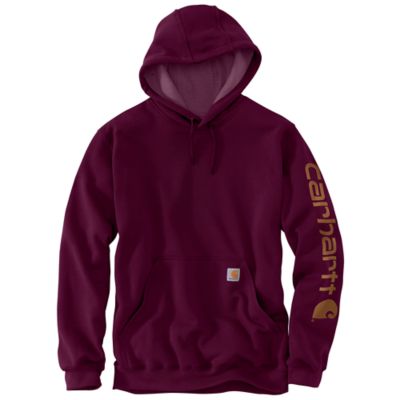
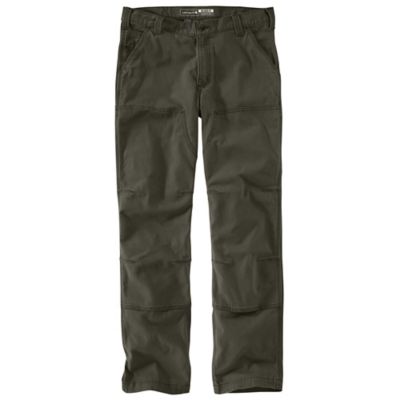
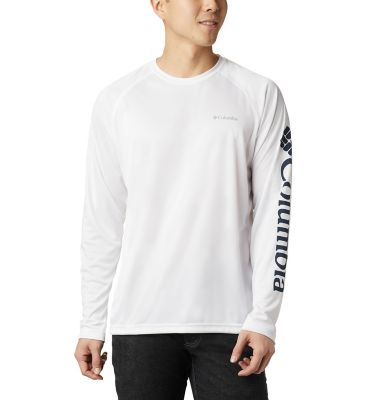
Casual spring outfits for men bring together breathable shirts, comfortable pants, light layers, and everyday footwear for days that move between home, town, and time outdoors. The look is easygoing without looking thrown together: a cotton T-shirt beneath an open chambray shirt, straight-leg jeans with a polo, or chinos paired with a lightweight jacket. These combinations fit a Saturday breakfast at the diner, a family cookout, or an afternoon spent visiting neighbors. Spring dressing works best when each layer feels comfortable on its own, since a breezy morning and a sunny afternoon can call for different amounts of coverage. Cotton has a familiar, soft feel, while linen blends offer an airy texture with a naturally relaxed appearance. Cotton-polyester blends can help garments hold their shape and dry faster than comparable all-cotton fabrics, though performance depends on the weave and construction. Chambray gives shirts a denim-like appearance without necessarily carrying the same weight, making it a handy match for tan pants or darker jeans. Oxford cloth adds a little texture and structure when a plain tee feels too laid-back. For color, navy, cream, light blue, olive, and khaki make a versatile starting point because they pair readily without needing an exact match. A faded blue shirt against olive pants feels right at home around gravel drives and picnic tables, while a cream tee under a navy overshirt makes a simple outfit for a trip into town. Small checks, narrow stripes, and muted plaids bring in pattern without taking over the whole outfit. There is room for brighter color, too, whether that comes through a shirt or a cap. The broader range of
Spring Clothing For Men reflects the same balance of comfortable coverage, everyday movement, and pieces that can serve more than one occasion. A few compatible colors and different fabric weights allow plenty of combinations without making getting dressed a chore.
Fit makes as much difference as fabric in casual men's spring clothing, especially when an outfit needs to stay comfortable through a drive, a long lunch, and a walk across the property. A shirt should leave room through the shoulders and chest without pulling across the buttons when the wearer reaches forward. Shoulder seams that sit close to the shoulder edge generally give a neater appearance, while a slightly dropped seam creates a more relaxed shape. An untucked shirt usually looks balanced when its hem falls around the middle of the fly rather than hanging nearly to the knees. Longer shirt tails are better suited to staying tucked through everyday movement. With pants, comfort starts at the waist and continues through the seat and thighs; a waistband that feels fine standing up may feel tight after an hour behind the wheel. Straight and relaxed legs give room to move, while a gentle taper can keep extra fabric from gathering above casual shoes. A small amount of stretch can add flexibility, but the cut still needs to fit without relying on the fabric to stretch constantly. Midweight denim offers more substance for frequent wear, while cotton twill chinos provide a smoother-looking alternative for supper out or a family gathering. Lightweight canvas has a firmer feel that suits an outdoorsy outfit, though heavier versions may be more fabric than a mild spring day calls for. Shorts fit into the mix for warm afternoons, with enough room at the thigh for sitting on porch steps or climbing into a pickup. Light jackets and overshirts need space for whatever sits beneath them, but excess length in the sleeves can get in the way. A denim jacket brings structure, an unlined casual jacket gives lighter coverage, and a fine-gauge crewneck sweater offers another layer without the heft of a thick knit. Breathable does not always mean wind-blocking or water-resistant, so those features are worth checking separately when outdoor plans depend on the forecast.
Footwear and finishing details help casual spring outfits feel suited to the day's plans rather than dressed up for their own sake. Low-profile sneakers work well with jeans, chinos, and shorts, while casual leather boots can anchor a denim-and-button-down combination. Loafers offer a more polished option for a relaxed meal or get-together without requiring dress pants. On gravel, grass, or uneven paths, tread and a secure fit matter more than a spotless appearance. Smooth soles that feel fine indoors may offer less grip on wet steps, and pale fabric shoes can show muddy splashes quickly. Everyday casual footwear should not stand in for task-specific protection when chores involve equipment, heavy materials, or other hazards. Socks also affect comfort: a smooth toe seam and a weight that suits the shoe can make a noticeable difference over several hours. A simple belt brings an outfit together, while a brimmed hat adds shade for time outside. Care matters just as much for keeping favorite combinations in regular rotation. Garment labels give the right starting point, particularly with blended fabrics, stretch fibers, and lined outer layers. Cotton and linen can shrink with heat, and dark denim may transfer color before its first few washes. Separating light and dark clothing, treating spills promptly, and avoiding more dryer heat than the label allows can help preserve fit and appearance. Linen's soft wrinkles are part of its character; a crisp button-down may need a quick press for a tidier finish. Reinforced pocket edges, even stitching, and firmly attached buttons are useful details for clothing that sees frequent wear. Leather and suede footwear need care suited to their surfaces, rather than a trip through the washer. For gifting, casual shirts and light layers make practical choices for men who favor clothes they can wear to several places, especially when the recipient's size and preferred fit are known. Whether the day includes a porch visit, errands, or lunch with family, comfortable fabrics and a sensible fit keep the outfit feeling natural.