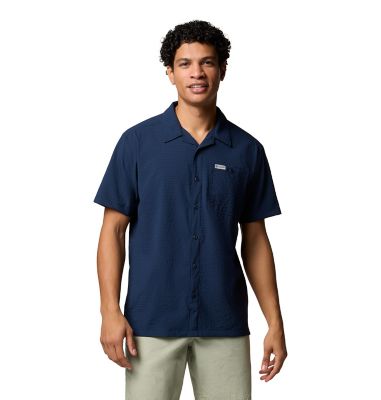
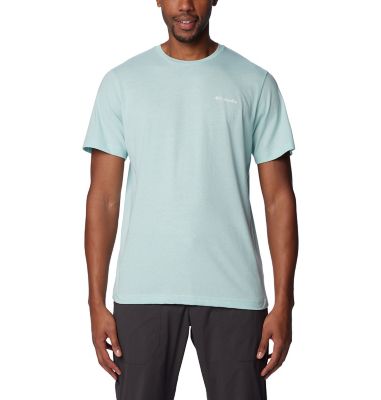
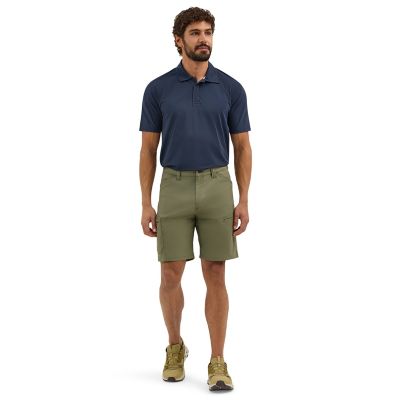
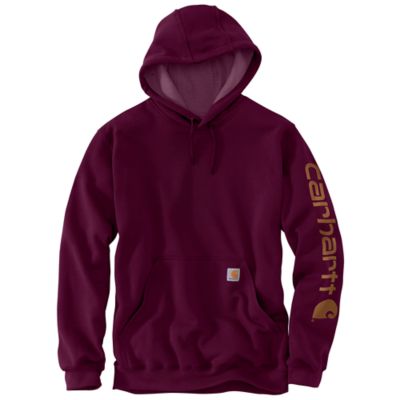
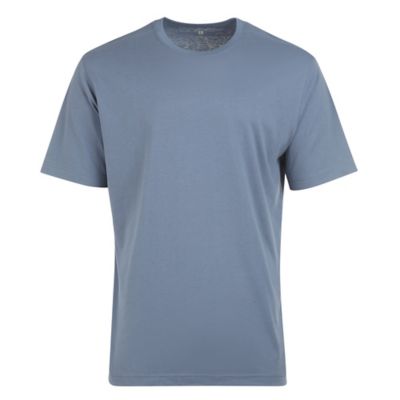
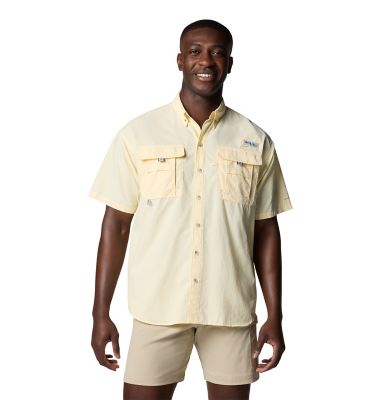
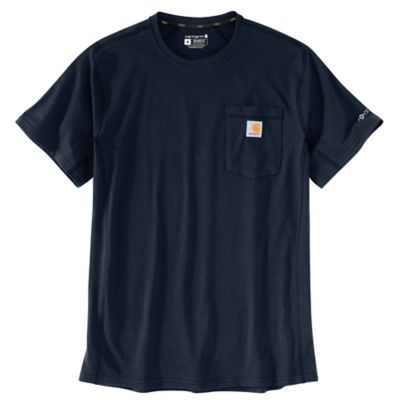
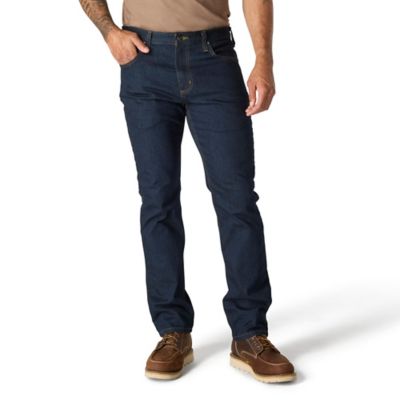
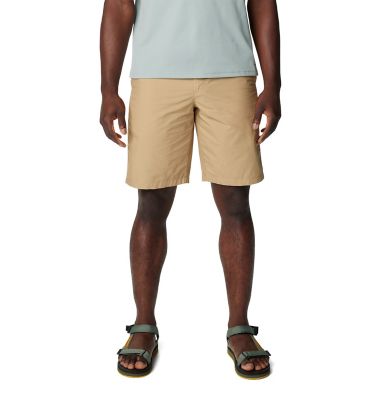
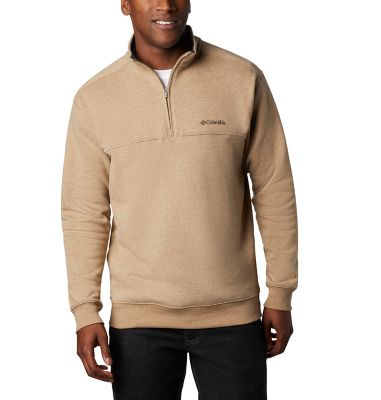
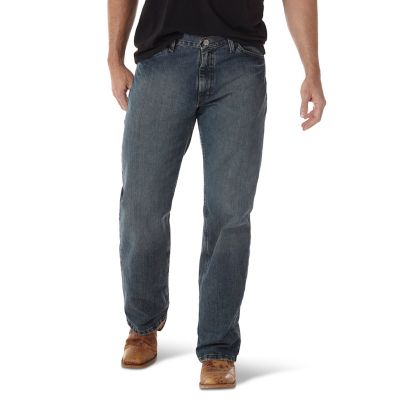
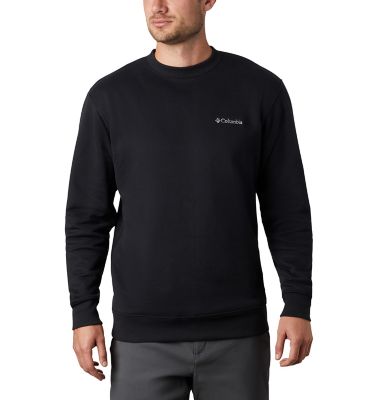
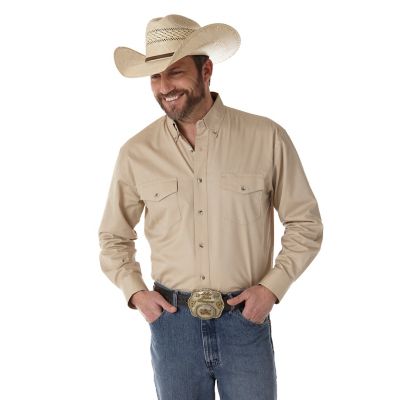
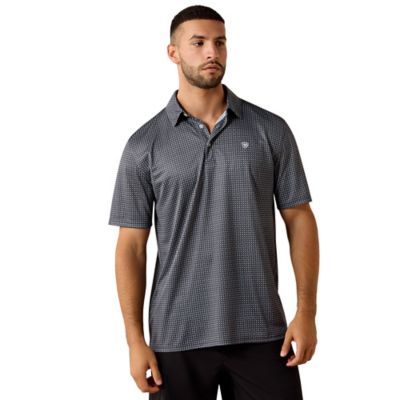
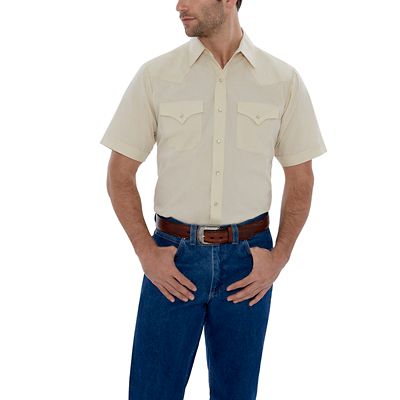
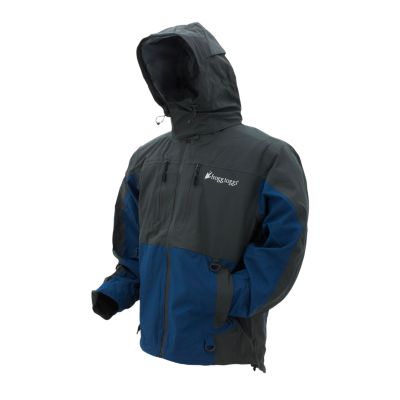
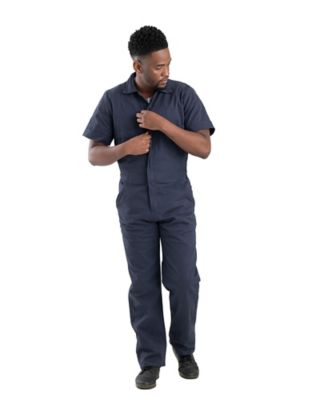
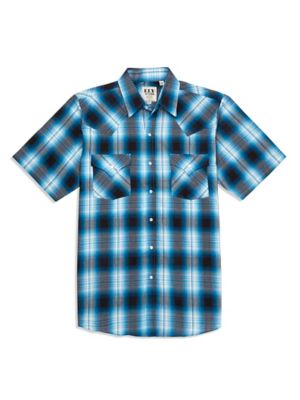
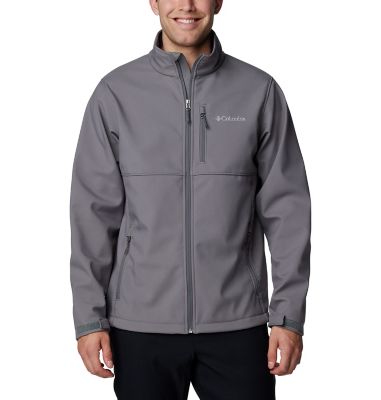
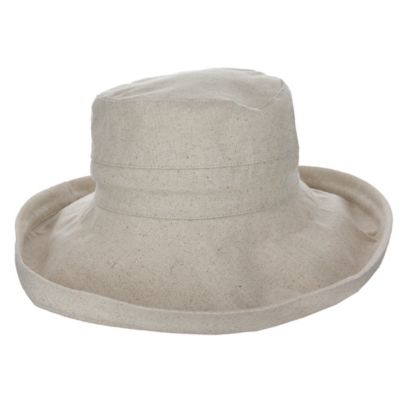
Spring break clothes for men are about easygoing days, a change of scenery, and getting dressed without making a project of it. A trip might mean hauling a cooler down to the lake, spending an afternoon by the coast, or visiting family with a backyard cookout on the calendar. The right mix of casual clothing leaves room for all of it, from the early drive out of town to supper after a full day outside. T-shirts, polos, casual button-front shirts, shorts, and lightweight pants each bring something different to a travel bag. Cotton has a familiar, soft feel for relaxed wear, while cotton blends can offer stretch or help a shirt keep its shape. Linen and linen blends have an airy feel and a naturally relaxed appearance, including a few wrinkles that come with the territory. Polyester and nylon fabrics often dry faster than heavier cotton, though the fabric weight and construction make a difference. Those details matter when a little lake spray, a damp picnic bench, or an afternoon spent on foot is part of the plan. Fit matters just as much as fabric. A shirt should leave enough room across the shoulders to reach into the truck bed without pulling tight through the back. Shorts and pants need space through the seat and thighs for sitting through a long drive, stepping onto a dock, or tossing a ball around with the kids. Straight and relaxed cuts offer different amounts of room, while stretch fabrics can add give without an oversized feel. Solid colors, simple stripes, and familiar plaids are easy to wear together, keeping the bag manageable and the getting-ready part short. A collared shirt paired with clean casual pants can also handle a restaurant meal or a family gathering without feeling too dressed up for the rest of the trip. The goal is clothing that feels like it belongs on the person wearing it, just with a few days away from the usual routine.
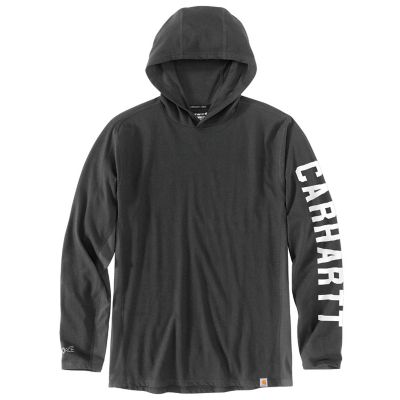
Time outside brings a few practical clothing details into focus. For a shoreline walk or an afternoon around the campground, lighter fabrics can feel less cumbersome than heavy materials, especially when there is plenty of walking involved. Breathability describes how readily air and moisture vapor move through a fabric; moisture-wicking construction is intended to move perspiration away from the skin. They are different features, and neither means every garment will feel the same in every setting. Fabric thickness, fit, and activity level all play a part. A loose long-sleeve shirt can provide coverage without the close feel of a fitted layer, while a light jacket or sweatshirt gives some flexibility for a breezy boat ride or an evening on the porch. Clothing labeled with a UPF rating has a stated level of ultraviolet protection; ordinary shirts should not be assumed to offer that same rating. For shorts, inseam length affects both coverage and movement. A shorter cut leaves more of the leg free, while a longer cut offers more coverage when sitting on a bench or climbing into a pickup. Waistbands deserve attention, too. A little give can make a long stretch in the passenger seat more comfortable, and belt loops or an adjustable waist offer different ways to keep the fit settled. Pocket placement can make a difference between a phone sitting comfortably and pressing into a leg with every step. Closures help keep small belongings contained, although pockets are not a substitute for waterproof storage around the water. Reinforced stitching, firmly attached buttons, and neatly finished seams are useful construction details for clothing that will see regular wear after the trip. Swimwear has its own purpose, with fabrics and linings intended for time in the water, while everyday shorts may stay wet longer or feel heavier when soaked. Keeping those uses separate makes for a more comfortable change from swimming to lunch at a roadside stop.
A spring break wardrobe does not have to be a whole different wardrobe. Many of the same shirts and pants that suit a few days away can return to weekend errands, ballgames, neighborhood gatherings, and evenings around the firepit. Colors that work across several outfits give each piece more mileage, and a mix of short sleeves, longer sleeves, and one easy outer layer leaves room for different plans without packing half the closet. Travel also puts care requirements to the test. Some cotton garments can shrink with heat, linen may wrinkle in a packed bag, and certain stretch fabrics need lower drying temperatures to help preserve their shape. The care label gives the garment-specific washing and drying directions, including whether bleach, ironing, or tumble drying is appropriate. Salt, chlorine, sweat, and sunscreen can leave residue, so prompt care after wear helps prevent that buildup from settling into fabric. Swimwear generally benefits from a fresh-water rinse after swimming, with the label providing the rest of the care details. Clothes should be fully dry before they go back into a bag; a damp shirt tucked beneath a stack of clean clothing is no favor to anything packed beside it. For men who prefer a straightforward closet, easy-care fabrics and familiar fits can be especially welcome. Clothing can also make a practical gift for a husband, dad, brother, or college student headed out for a break, particularly when the size and preferred cut are already known. A favorite everyday shirt can provide a useful fit reference, since the same labeled size may fit differently across cuts and fabrics. For the rest of the trip beyond clothing,
Spring Break Essentials brings the broader occasion into view. Whether the destination is a lakeside cabin, a sandy stretch of coast, or a relative’s spare bedroom, comfortable spring break clothing keeps the focus where it belongs: a little time away, good company, and plans that do not need to be complicated.