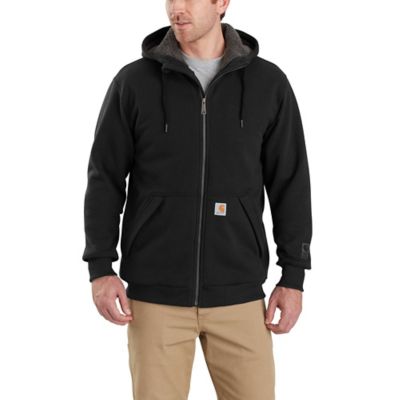
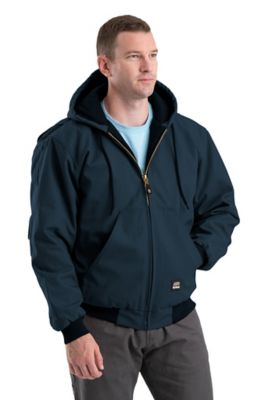
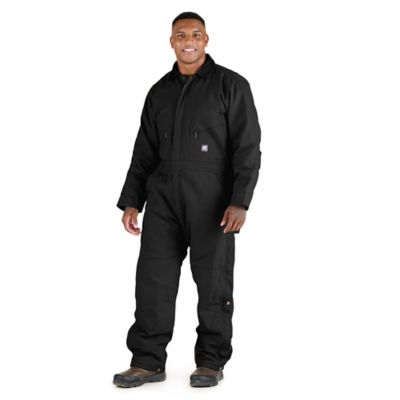
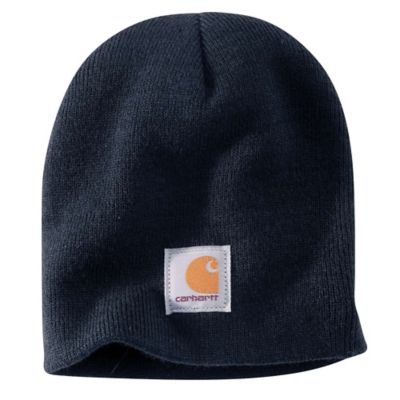
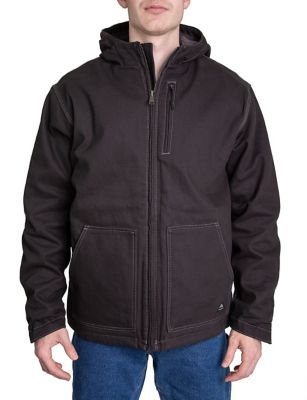
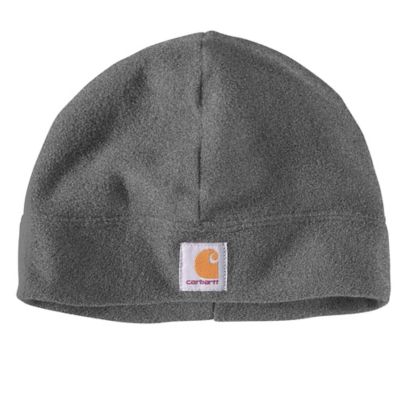
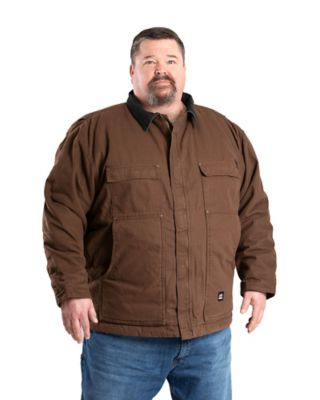
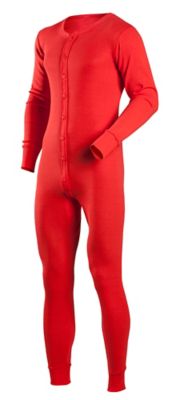
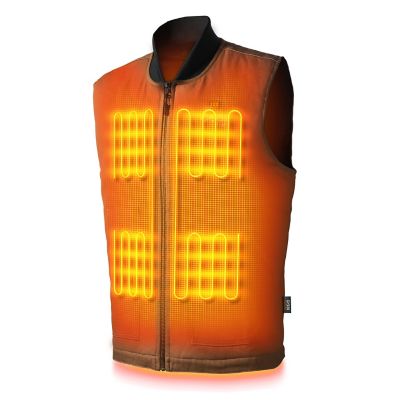
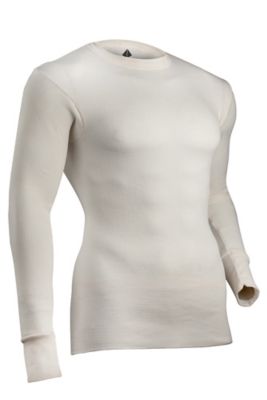
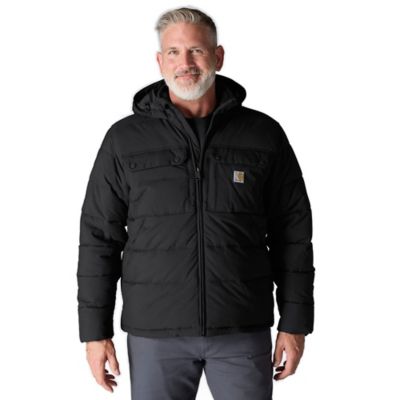
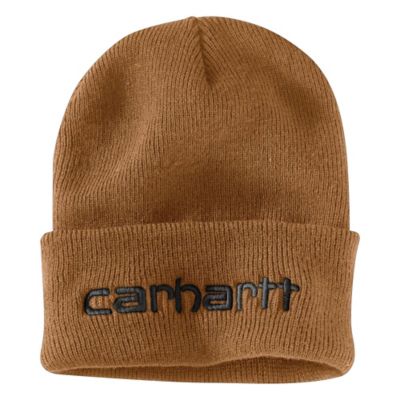
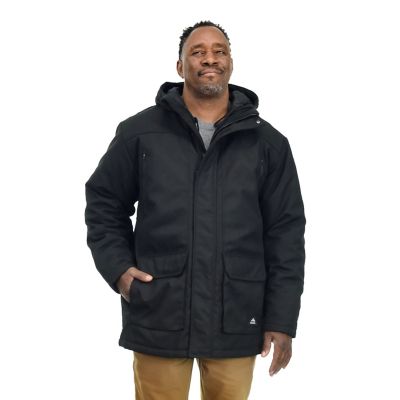
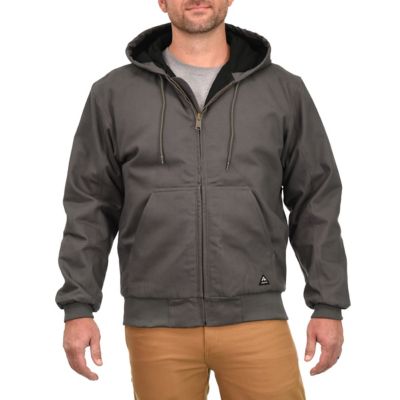
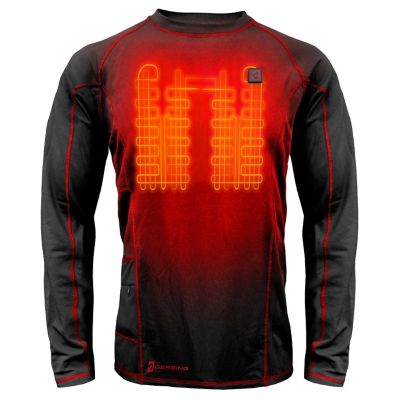
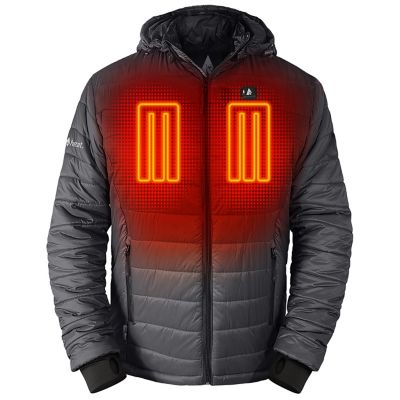
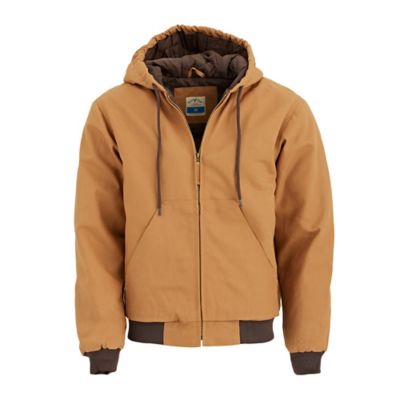
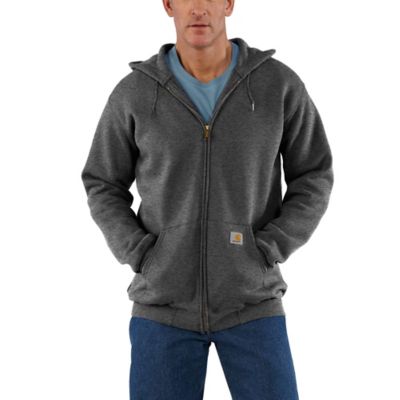
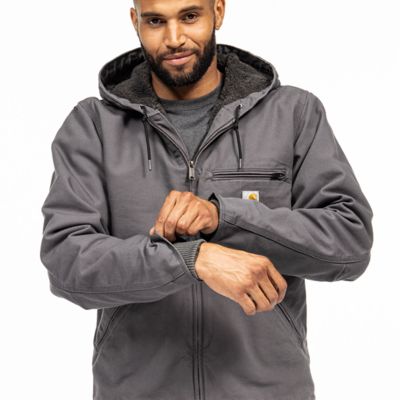
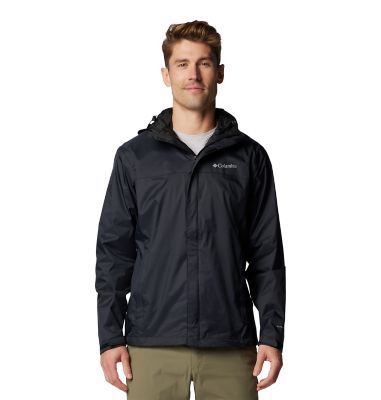
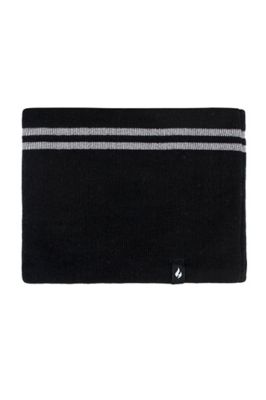
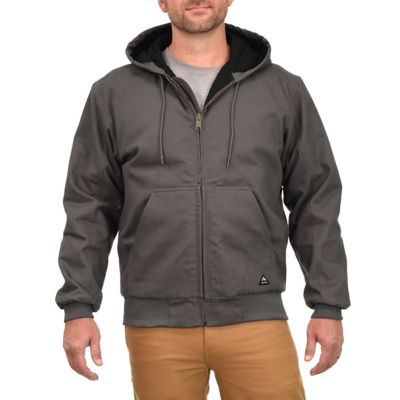
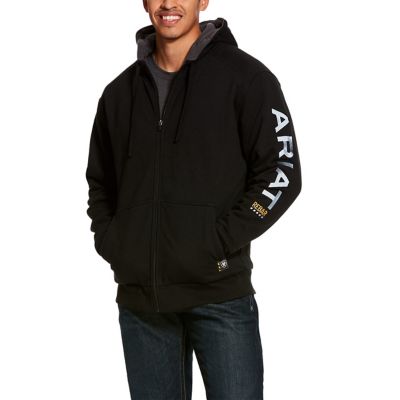
Men’s winter apparel has a job to do long before the day gets going. There’s feed to carry, a frosty windshield to clear and a stretch of fence that won’t check itself. Clothing for those days needs to hold warmth without making every bend, reach or climb feel like extra work. A practical cold-weather outfit starts with layers that work together, rather than one heavy layer expected to handle everything. Next-to-skin fabrics matter when a brisk walk to the barn turns into an hour of physical work. Polyester and wool base layers can help move moisture away from the skin, while cotton tends to hold moisture longer and is often better suited to dry conditions and lighter activity. Wool can also help manage odors between washes, though its feel varies with the fiber and fabric construction. Over that first layer, fleece or other insulating fabrics help trap warm air without necessarily adding much weight. An outer layer takes on a different role, helping shield the body from wind, light precipitation or rough contact around the property. Water-resistant fabric can handle brief exposure to moisture, but it isn’t the same as waterproof construction with protected seams. That distinction matters when a quick chore turns into time spent outside in wet snow. Insulation deserves a closer look, too: Down offers warmth for its weight, while synthetic fills generally handle damp conditions better, though neither replaces a suitable outer shell. The amount of insulation that feels comfortable depends on the task as much as the temperature. Someone hauling hay may want less warmth and more breathability than someone sitting on a tractor or waiting in the stands at an outdoor game. Men’s winter clothing works best when there’s room to adjust as effort changes, with layers that can come off before sweat builds up and go back on when the pace slows. That flexibility carries an outfit from an early chore round to a slower afternoon outdoors without requiring the same amount of insulation for every hour.
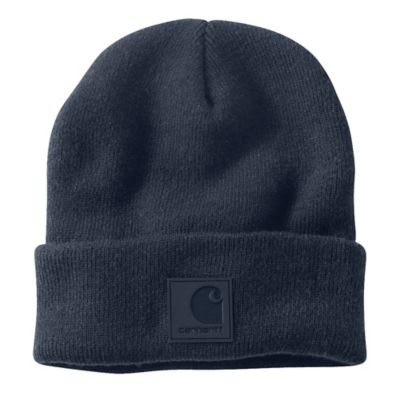
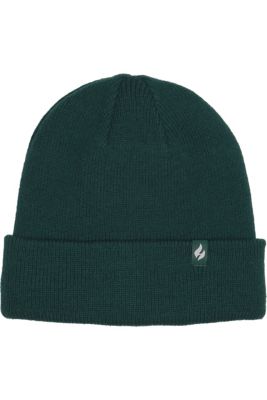
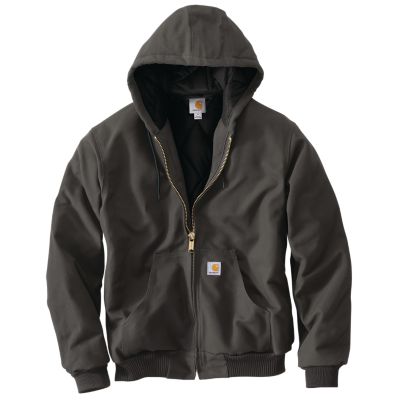
Fit makes a real difference when winter clothing has to move through a full day. A coat that feels roomy over a T-shirt may pull across the shoulders once a sweatshirt goes underneath it, while an oversized fit can leave loose fabric catching on gates or getting in the way of a tool belt. Useful room is different from extra bulkiness: There should be space to reach forward, bend at the waist and raise both arms without the hem riding far above the waistband. Articulated elbows, gusseted construction and stretch panels can support that movement, depending on the garment. Pants and insulated bibs need the same consideration through the seat, thighs and knees, especially for climbing steps, crouching beside a water trough or getting in and out of a pickup. Inseam length also changes how a layer feels over work boots; hems that drag can pick up slush and wear through sooner. At the cuffs and collar, adjustable closures help limit drafts without requiring an overly tight fit. A hood that stays in place while the head turns is more useful than one that blocks the view, and pockets are easier to reach when their placement works with gloves and other layers. Fabric construction matters alongside fit. Tightly woven canvas can stand up to abrasion around gates, stacked firewood and rough lumber, while lighter woven shells may feel easier to wear for walking or everyday errands. Reinforced knees, sturdy stitching and substantial zipper pulls are details worth noticing when clothing will see repeated work. Gloves and headwear round out that coverage, with the balance between warmth and dexterity depending on whether the day involves carrying buckets, handling small fasteners or simply spending time outdoors. Ordinary winter apparel is not a substitute for task-specific protective clothing, and loose scarves or drawcords need particular care around moving equipment. For less demanding days, softer fabrics and a less structured fit can make the same cold-weather wardrobe comfortable for a drive into town, a walk down the lane or an evening by the firepit.
Care habits help winter apparel stay ready for the next trip outside. Mud, sweat and everyday grime can affect how clothing feels and performs, but washing methods vary across wool, fleece, insulated fabrics and weather-resistant shells. The care label is the best starting point, especially when a garment combines several materials. Some wool clothing calls for gentle washing and flat drying, while certain insulated pieces need a specific drying method to restore loft evenly. High heat can damage some fibers, trims and finishes, and fabric softeners may interfere with moisture management on performance fabrics. Closing zippers and fastening hook-and-loop tabs before washing can help keep them from snagging neighboring fabric. Clothing that comes in damp needs time to dry thoroughly before being tucked into a closet or packed away; a tightly compressed pile of wet layers can develop odors and leave insulation flattened. Regular attention to worn cuffs, loose stitching and small tears can also keep a minor problem from turning into a larger repair. For men whose days move between outdoor work and indoor stops, easy-care fabrics and layers that come off without a struggle can be just as important as warmth. The broader
Winter Apparel category puts those cold-weather needs in context, from everyday coverage to clothing for longer stretches outside. Men’s winter apparel can also make a thoughtful gift when it reflects how the recipient spends his time. A dad who checks livestock before breakfast has different needs from a brother who mainly wants another layer for weekend walks. Sizing from a garment he already wears comfortably, allowing room for his usual layers and considering whether he prefers lighter clothing or substantial insulation make the choice more personal. The best match is clothing that fits his routine: comfortable at the shoulders, workable through the knees and ready for the kind of cold-weather days he knows well.