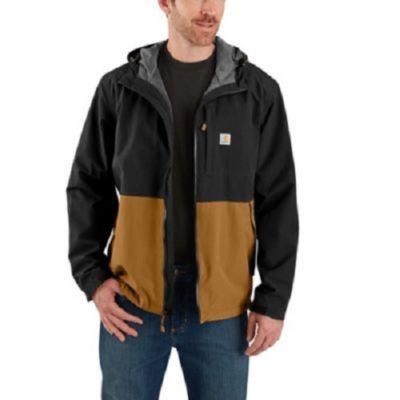
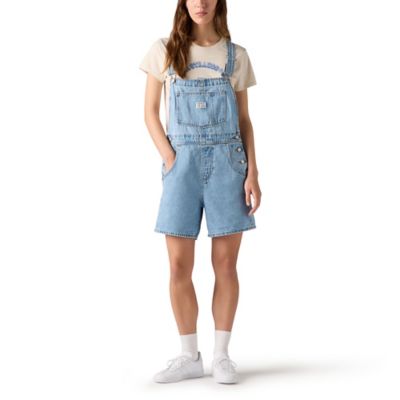
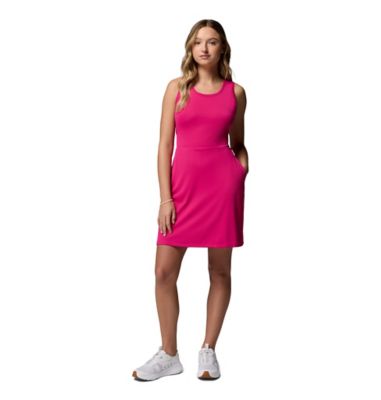
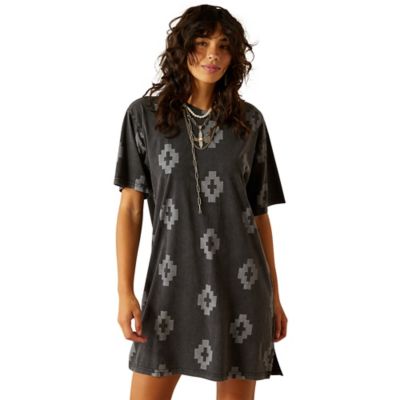
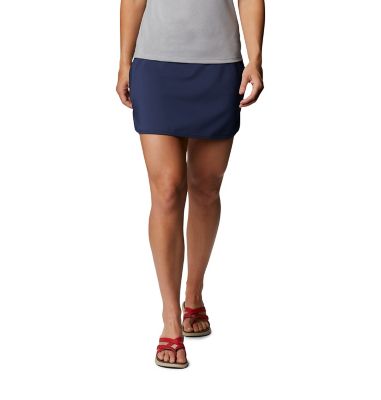
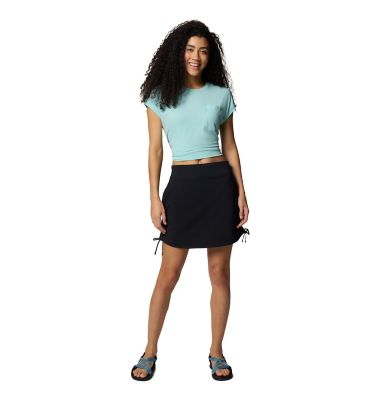
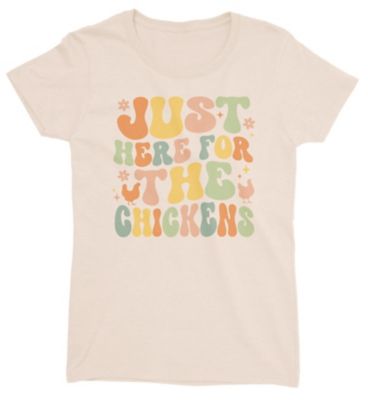
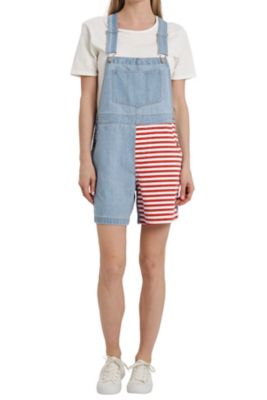
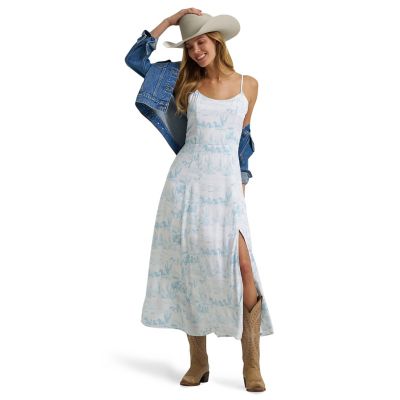
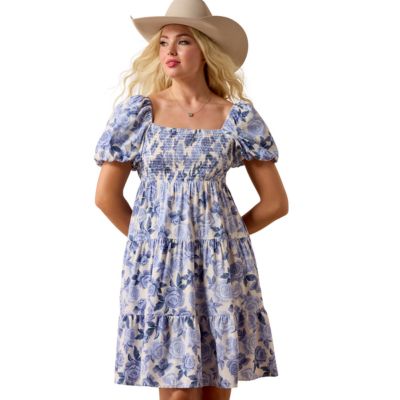
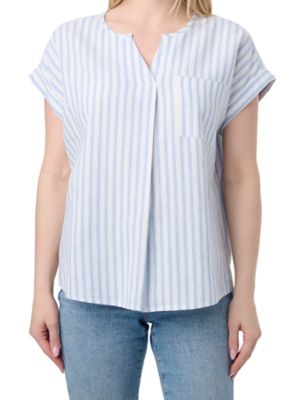
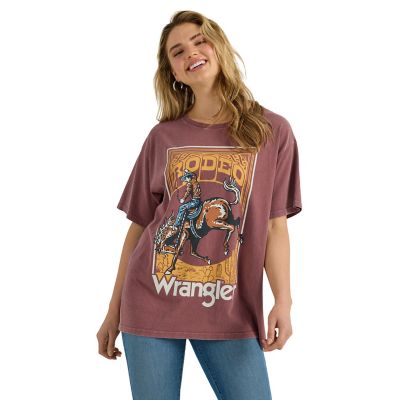
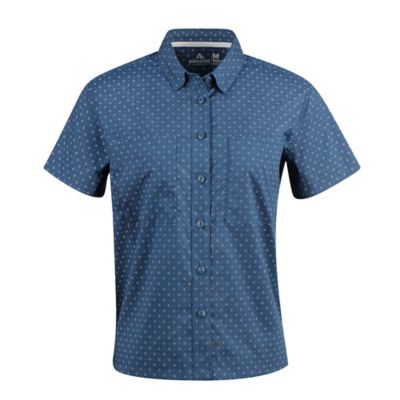
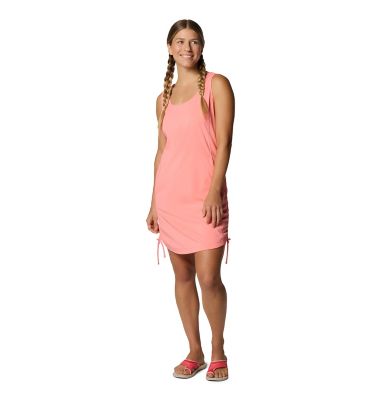
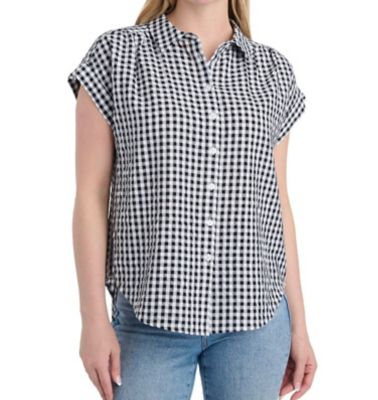
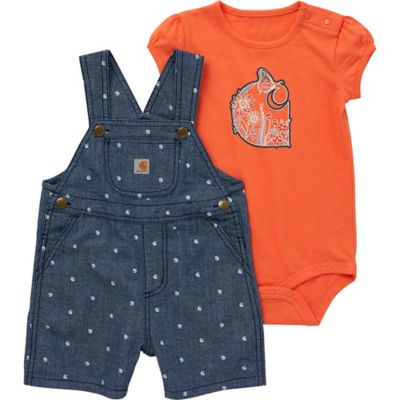
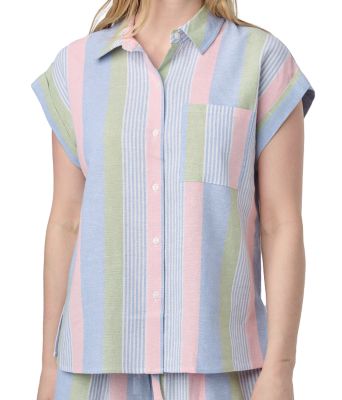
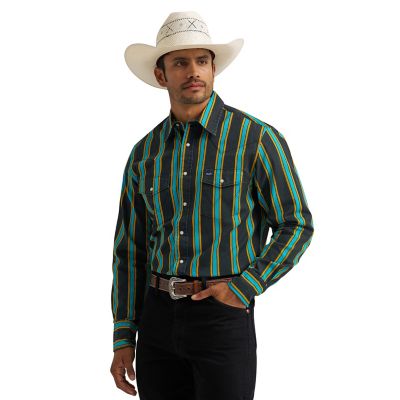
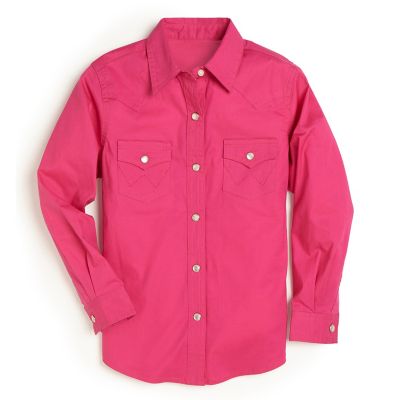
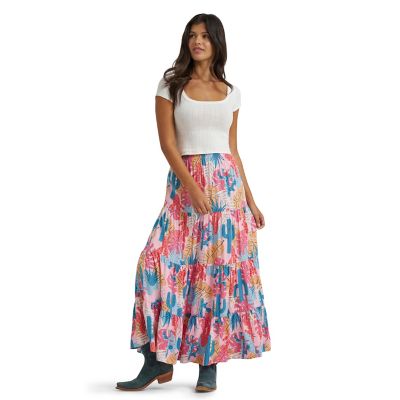
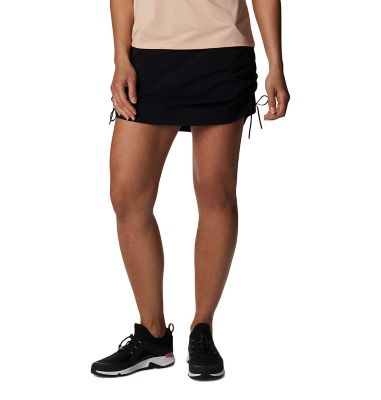
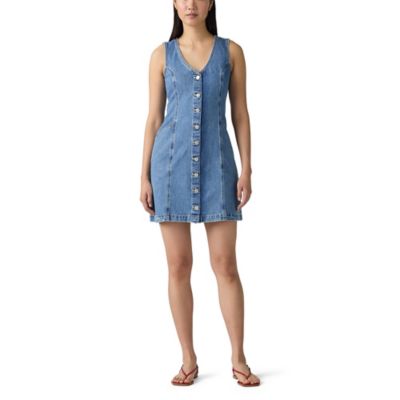
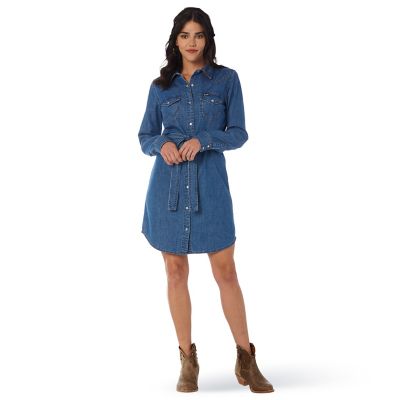
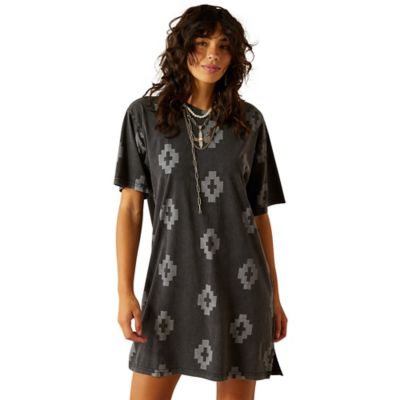
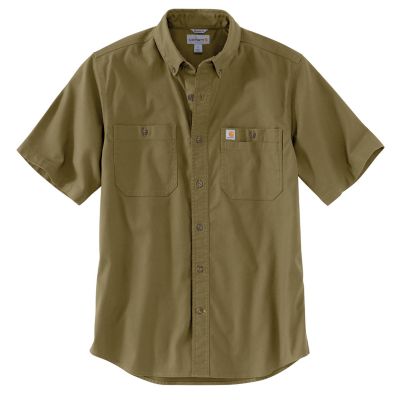
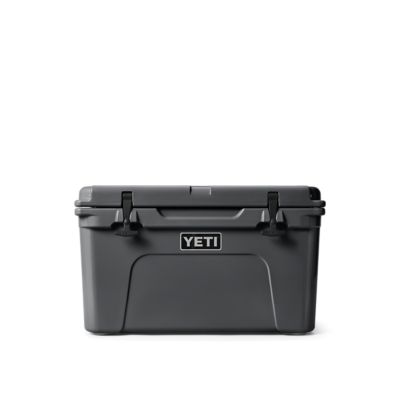
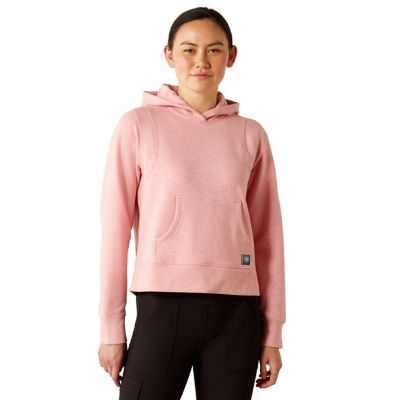
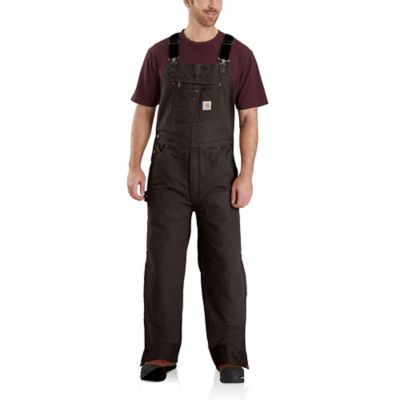
Spring break clothing brings together easygoing layers, breathable fabrics, and comfortable fits for time away from the everyday routine. Whether the trip leads to a sandy shoreline, a lakeside cabin, or a few days visiting family, these clothes need to handle more than a sunny afternoon. A long drive, a breezy dock, and supper on an outdoor patio can all land on the same day’s schedule. Lightweight tops, casual shorts, relaxed pants, and simple dresses offer different ways to dress for those changes without packing a separate outfit for every stop. Beach cover-ups add an airy layer over swimwear, while casual separates make sense for sightseeing, campground walks, or heading into town. Matching sets can simplify getting dressed, though pieces that work well with the rest of a suitcase often earn their keep long after the trip. Denim shorts have a familiar, laid-back feel for dry days, while lighter woven fabrics can be more comfortable when the air turns muggy. A loose dress or skirt leaves room for airflow and can go from a daytime outing to an evening meal with a change of footwear. For travelers who would rather spend the afternoon by a fishing pond than a pool, relaxed shirts and pants offer coverage without feeling overly dressed up. Spring break outfits do not have to follow one particular look; the best match depends on the destination, the pace of the trip, and what feels natural to wear. Families balancing playground stops with restaurant meals may lean toward washable everyday pieces, while adults planning a quiet getaway may want a few outfits that look pulled together with little fuss. Even when plans stay close to home, comfortable vacation clothing fits porch mornings, backyard gatherings, and a welcome stretch of time outdoors. The common thread is clothing that leaves room to move and feels right wherever the day leads.
Fabric and construction make a noticeable difference once the bags are unpacked. Cotton feels soft against the skin and works well for relaxed outings, though it can hold moisture and take longer to dry after a splash or a sweaty walk. Linen and linen blends have an airy feel, with natural creasing that suits a laid-back vacation look. Synthetic blends often dry faster than cotton, but breathability, stretch, and comfort still depend on the fabric’s weight and weave. A little stretch can help shorts or pants move comfortably during a long drive, climbing steps, or getting in and out of a boat. Lighter colors may show spills more readily, while thin fabrics can become more revealing in bright sunlight or when wet. Those details matter for beach clothing and light-colored separates, especially when a piece will be worn beyond the water’s edge. Fit deserves just as much attention as fabric. Waistbands should stay comfortable while sitting, shoulder seams should allow easy reaching, and hemlines should provide the coverage the wearer wants when bending or stepping up. A relaxed fit can leave space for airflow, but extra fabric is not always helpful around bicycle chains or during active outings. For children, easy closures and comfortable seams can make changing after water play less of a struggle. For adults, pockets that close securely are handy when carrying a room key or other small belongings, although a pocket should not be treated as protection from water. Neat stitching, reinforced stress points, and well-attached fasteners can help clothing stand up to repeated wear and washing. Footwear also needs to suit the ground underfoot: something comfortable beside the pool may not provide enough support or traction for a gravel path or a full afternoon on pavement. For sun coverage, longer sleeves and wider-brimmed hats can help shield exposed skin, but fabric alone does not guarantee a particular level of protection. A labeled UPF rating provides more specific information about a garment’s tested sun protection.
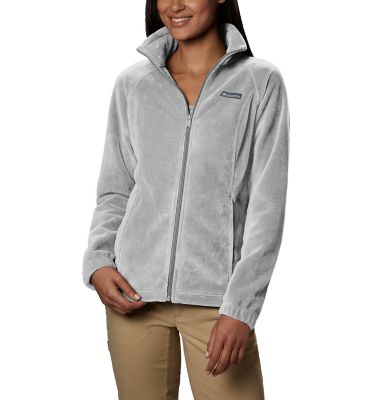
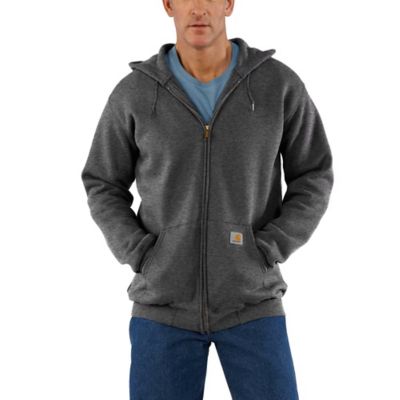
A useful spring break wardrobe also accounts for the hours when warm-weather clothing needs a little backup. Air-conditioned restaurants, shaded campsites, and windy evenings near the water can feel cool even after a warm day. A light outer layer that fits over a shirt without binding at the shoulders makes those changes easier to handle. For trips that start during the cooler months and end somewhere warmer, removable layers are more practical than one heavy outfit that feels stifling on arrival. Clothes in colors that work together make a smaller travel bag more flexible, especially when a pair of pants or a skirt can pair with several tops. A casual button-front shirt can serve as an extra layer on the road and a tidier option for dinner, provided its fit and fabric suit both settings. Easy-care pieces are especially helpful for families sharing limited suitcase space or travelers with laundry access along the way. Care labels tell the clearest story about washing temperature, drying, and whether a garment needs extra attention. High dryer heat can be hard on elastic and some stretch fabrics, and printed details or delicate knits may need gentler handling. Swimwear generally benefits from a fresh-water rinse after exposure to chlorine or salt, followed by drying as directed on the label. Damp clothes should have a chance to dry before being packed away, rather than sitting in a closed bag through a long ride home. For a gift tied to an upcoming getaway, familiar sizes, preferred cuts, and fabrics the recipient already enjoys are safer starting points than a look outside their usual style. Clothing is only one part of packing, and
Spring Break Essentials brings the broader trip into view. With comfortable fits, sensible layers, and manageable care needs, spring break clothing can keep earning a place in the closet for weekends at the lake, family cookouts, and ordinary days spent outside.