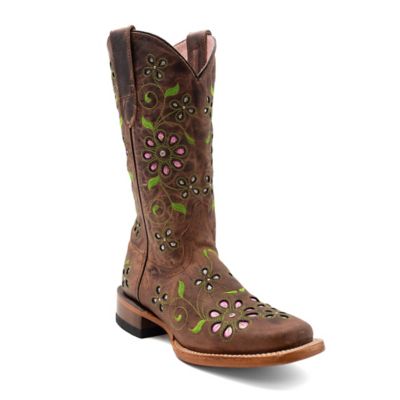
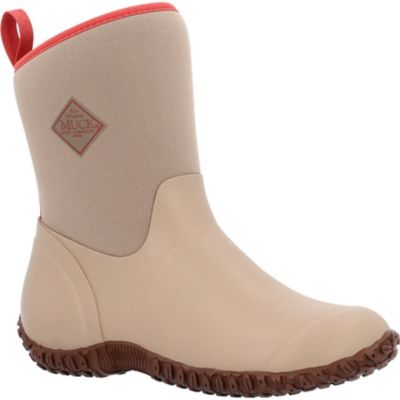
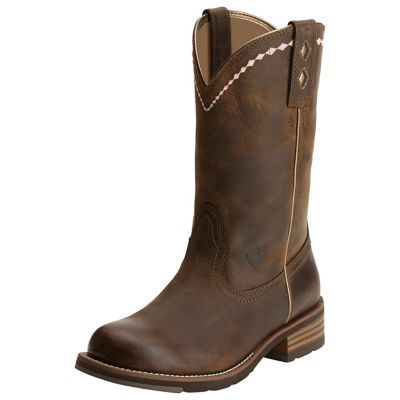
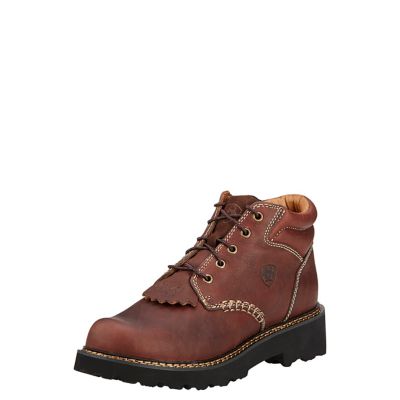
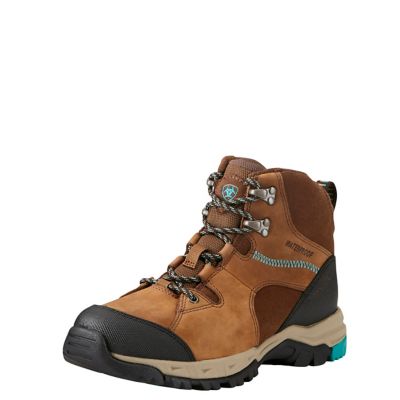
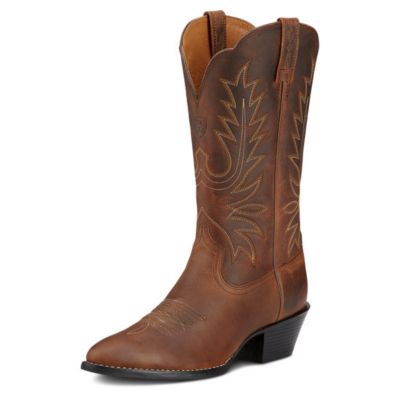
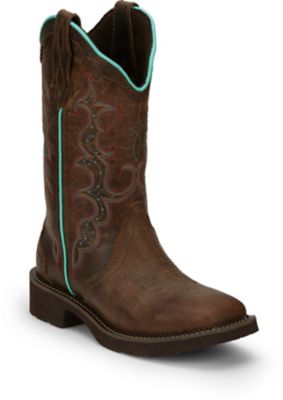
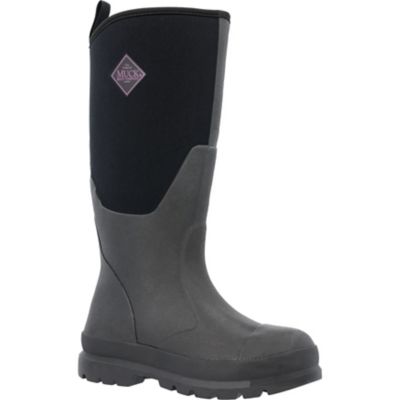
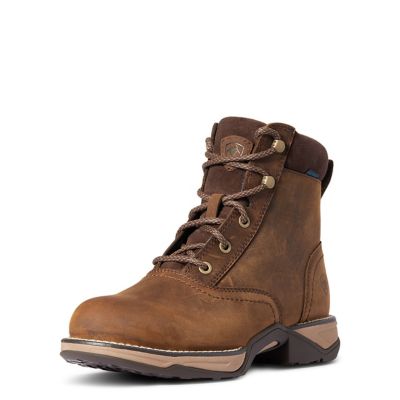
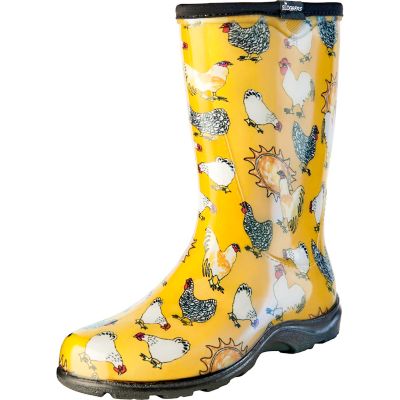
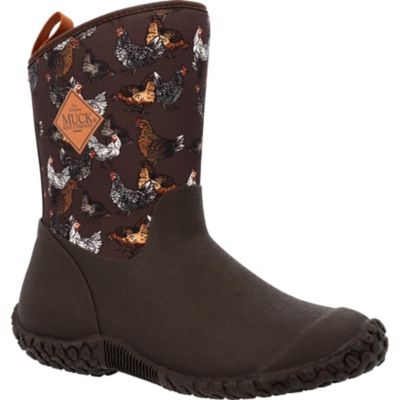
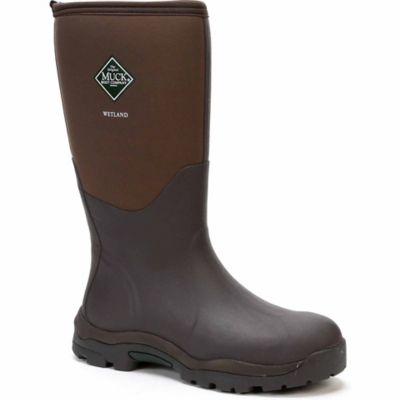
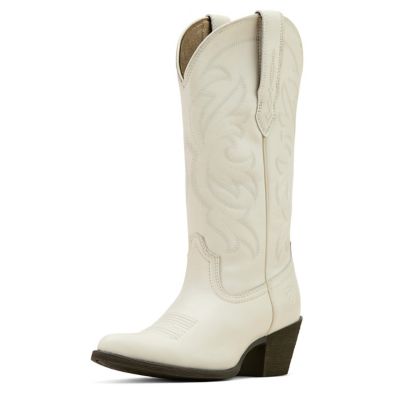
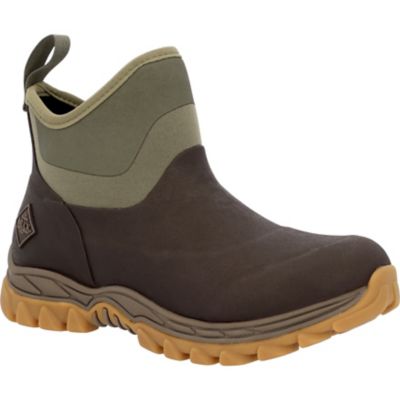
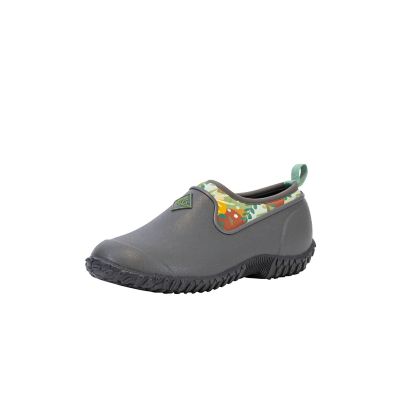
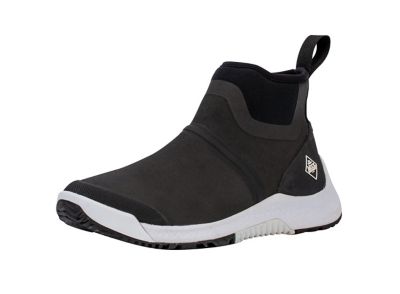
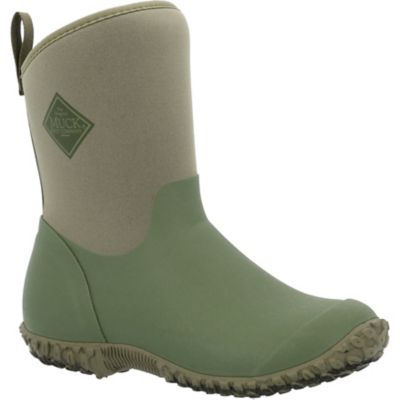
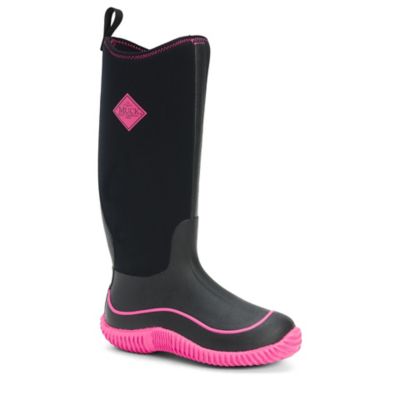
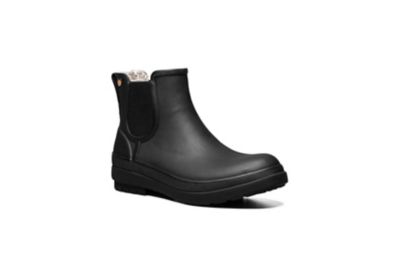
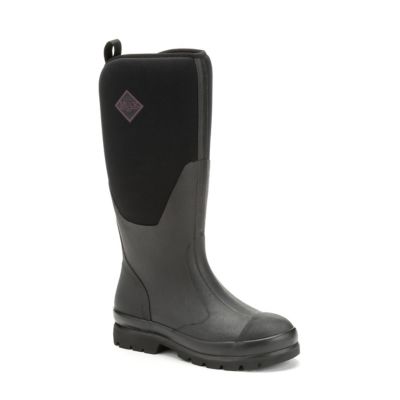
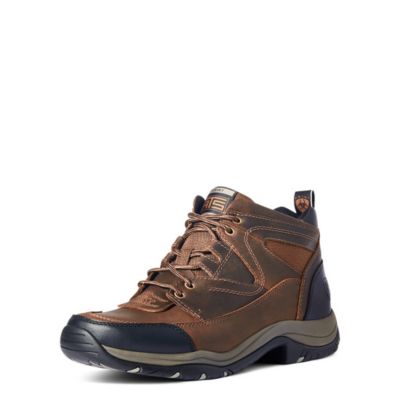
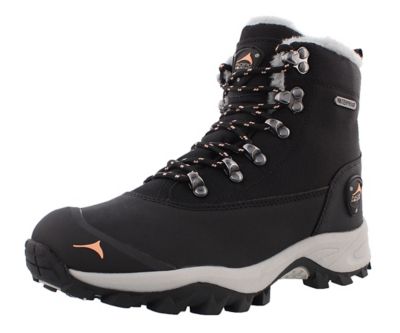
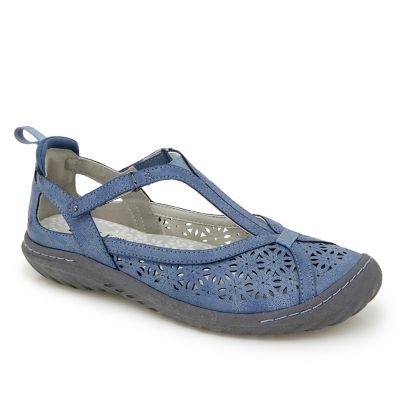
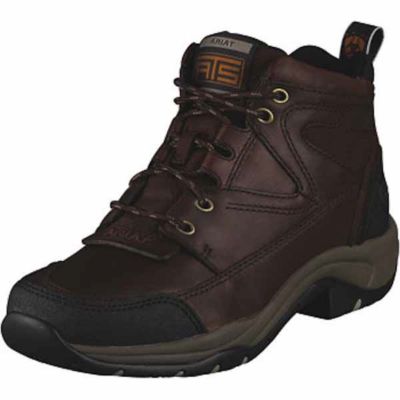
Spring boots for women bridge the gap between heavy winter footwear and shoes made for dry ground. Many styles trade thick insulation for a lighter build, with options that range from waterproof rubber boots for muddy chores to flexible ankle boots for walking around town. The difference matters on a spring day that starts with wet grass at the chicken coop and ends on dry pavement outside the feed store. A taller rubber shaft helps keep splashes and mud off your socks and pant legs when you’re moving around a soggy garden or crossing a rutted driveway. A shorter boot is usually easier to pull on at the back door and gives your ankle more room to move when you’re kneeling to set out plants. Rubber sheds water and rinses clean, but it doesn’t breathe much, so an unlined rubber boot can still feel warm after a long stretch on your feet. Smooth leather offers a different balance: It can soften with wear and go from the barn aisle to town without looking out of place. How well it keeps out water depends on the treatment and how the boot is put together. Fabric panels can cut weight and let in more air, though they may let moisture through unless there’s a waterproof lining underneath. Water-resistant footwear makes sense for light splashes or a walk through grass damp with dew. Waterproof construction is worth a closer look when standing water or hours on wet ground are part of the day. Even then, water can come in over the top, so shaft height matters just as much as the material if the low spot by the gate tends to fill up after a rain. For mostly dry days, a lighter ankle boot with a flexible sole can feel less cumbersome than a tall rain boot, especially when the day calls for plenty of walking rather than standing in one spot.
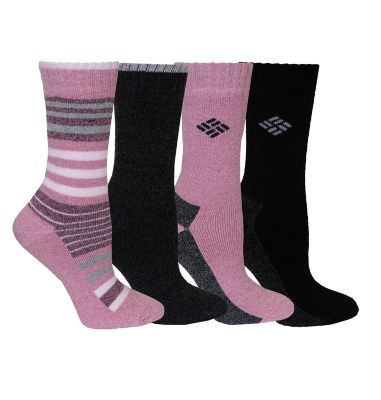
Fit and tread make a difference once the path leaves the porch. A good fit leaves room to wiggle your toes without letting your foot slide forward on a slope. The heel shouldn’t rub, and the boot should bend where your foot bends instead of pinching across the top each time you take a step. Sock thickness can change the feel more than you might expect. A pair that feels roomy with thin socks may fit just right with the cushioned socks you pull on for a morning of barn chores. Lace-up styles let you adjust the hold across the instep, which is handy if a pull-on boot feels loose at the heel but snug over the top of your foot. With taller pull-ons, check for room around the calf with your usual pants tucked in. The top edge shouldn’t dig in when you squat beside a garden bed or step up into the truck. Underfoot, widely spaced lugs give sticky mud somewhere to go, while a less aggressive tread won’t tend to carry as much dirt onto the porch or into the cab. Deep lugs alone don’t tell you how a sole will feel on wet concrete or smooth barn flooring. The surface matters, and no tread makes slick ground risk-free. Boots with a firmer sole can feel steadier underfoot on gravel, while more flex can be welcome when you spend most of the day on pavement or bending over in the yard. For more footwear suited to pasture paths, wooded walks and uneven ground, browse
Outdoor Boots For Women. Think about where you spend the longest stretch of the day, not just where you’re most likely to get splashed. A boot that’s comfortable for ten minutes at the hose may feel altogether different halfway through a fence check.
How long spring boots hold up has a lot to do with what they go through and how they’re put away. The spot where the forefoot bends takes a beating when you’re kneeling in the garden, and the tread under the heel can wear faster if your day involves a lot of pavement. At the end of a muddy day, knock loose dirt off the soles before it hardens between the lugs. Plain water usually takes care of mud on rubber, and a soft brush can reach into the tread without much fuss. On leather, a gentle wipe is generally a better bet than a soaking, followed by care suited to the finish. Suede and smooth leather don’t always take the same cleaner or conditioner, so check the care directions before applying either. Let damp boots dry with air moving around them rather than parking them against a heater, where direct heat can be hard on both leather and rubber. If the footbeds are removable, lifting them out gives moisture underfoot a place to go. A look at the soles and seams once the boots are clean can tell you whether that damp sock came from water over the top or whether a worn spot deserves a closer check. The same everyday details help when choosing boots as a gift. A gardener who spends more time crouching over seedlings than walking through standing water may get more wear out of an easy-on ankle boot, while someone who starts the day walking through wet pasture may welcome more coverage. For a gift that fits into an established routine, it helps to know what the person likes about the pair already by the door, from room for thicker socks to a shaft that clears the calf without rubbing. The best spring pair for a gravel lane may not be the one for a muddy barn lot, but it ought to feel right for the ground you cover most.