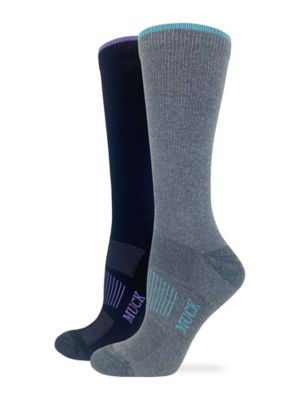
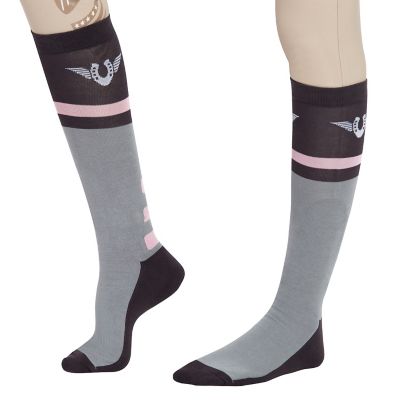
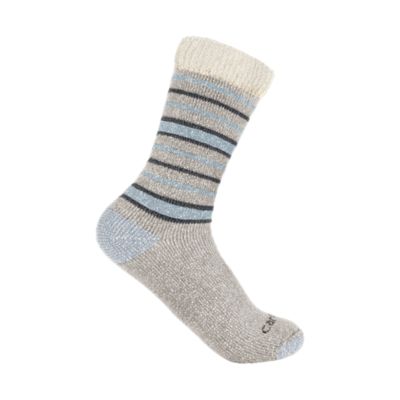
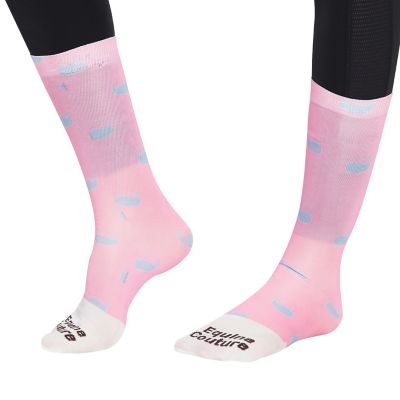
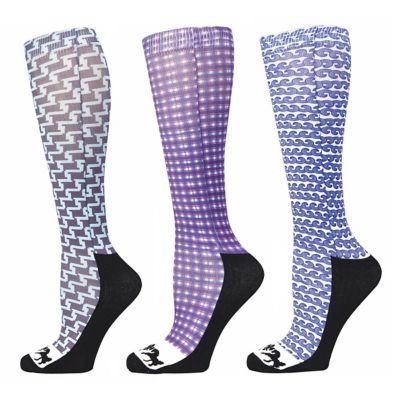
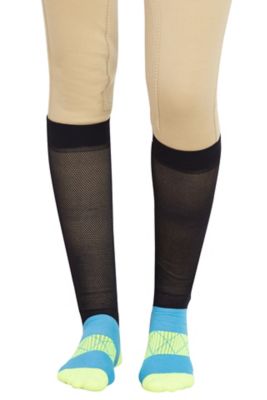
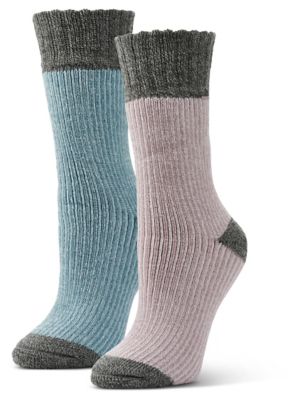
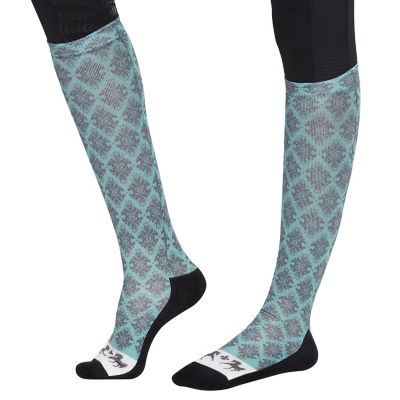
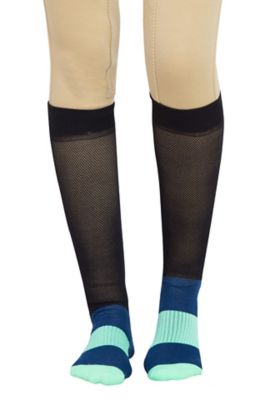
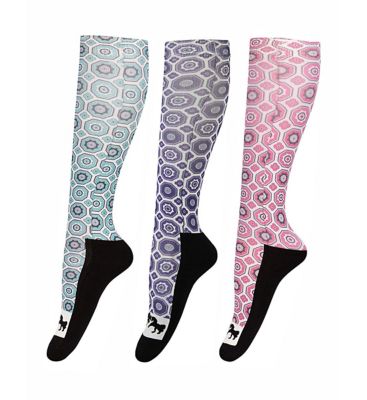
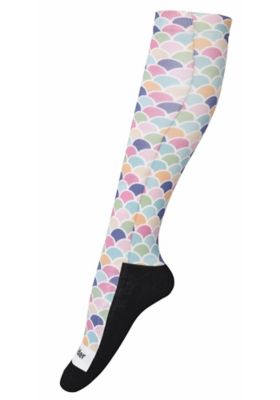
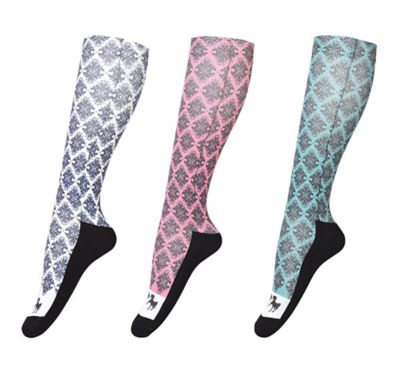
Women’s boot socks add a comfortable layer between feet and footwear, with heights, cushioning levels and fabric blends suited to work boots, Western boots, hiking boots and everyday pull-ons. Their job goes beyond covering the foot: a well-fitting pair can help manage moisture, soften contact with boot seams and keep fabric from bunching beneath the heel. That matters when a morning of feeding animals turns into an afternoon of hauling supplies, or when a walk across the pasture takes longer than planned. Materials make a noticeable difference in how socks feel over several hours. Cotton feels soft against the skin and absorbs moisture, though it generally dries more slowly than wool or many synthetic fibers. Merino wool has a finer feel than coarser wool and can help move moisture away from the skin without requiring a thick knit. Polyester and nylon often appear in blends for moisture management, shape retention and resistance to wear, while small amounts of spandex provide stretch. The blend matters more than any single fiber listed on the label. A cotton-rich sock with a little stretch will feel different from a wool-blend hiking sock, even when both reach the same height. Knit construction matters, too. Terry loops inside the sole add padding, while thinner sections across the top of the foot can leave more room inside a close-fitting boot. Ribbed legs offer stretch through the calf, and smoother knits create a less textured feel beneath fitted pants. For women who move between barn chores, errands and time on their feet at work, the right combination is often enough cushioning underfoot without excess fabric around the toes. A substantial sock is not automatically the best match for every boot; comfort comes from the sock and footwear working together. Even two pairs with similar fiber content can feel different because of yarn thickness, knit density and where the padding sits.
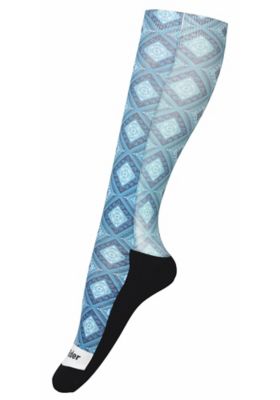
Sock height is especially important with boots because the top edge should generally sit above the boot collar rather than leave it rubbing directly against the leg. Crew socks can work with ankle boots and some shorter work boots, but the exact rise varies by style and foot size. Mid-calf socks provide more coverage for taller shafts, while over-the-calf and knee-high boot socks extend farther up the leg. Taller lengths can be a practical match for Western boots, especially when walking, riding or getting on and off equipment throughout the day. A cuff should feel secure without digging in, rolling down or leaving the leg feeling squeezed. Calf shape matters as much as foot size here, so stretch through the leg and the width of the cuff deserve attention. Women’s sock sizing usually follows a range of shoe sizes, but a defined heel pocket and a smooth fit through the toes help show whether that range fits well. Excess fabric at the toe can fold underfoot, while a heel pocket pulled toward the arch can signal that the sock is too small. Cushioning also changes the fit inside footwear. Light cushioning leaves more space in snug boots; padding beneath the heel and forefoot can soften repeated contact with the footbed during walking or standing. Full cushioning adds thickness around more of the foot, which requires enough room inside the boot. When pairing socks with
Outdoor Boots For Women, the toes should still have room to move without the heel lifting excessively. Smooth toe seams can help limit rubbing, and a gently fitted arch section can help keep the sock in place. Neither feature replaces a proper boot fit. A tight boot does not become a better fit simply because the sock is thinner, and extra padding cannot fully correct footwear that slides around.
Everyday wear puts the most friction on the heel, toe and ball of the foot, making reinforced areas worth a look for women who spend long stretches walking concrete aisles, climbing steps or crossing uneven ground. Reinforcement may come from additional yarn or a stronger fiber blend in those high-contact spots. A close, even knit can also help the sock hold its shape through repeated wear and washing. Care needs depend on the fabric blend, so the care label is the best starting point rather than assuming every boot sock belongs in the same laundry load. Turning socks inside out exposes the interior to washing and can help remove lint and grit caught in the knit. Wool blends may call for a gentle cycle, a wool-safe detergent or air drying, while other blends permit machine washing and tumble drying at the stated setting. Excessive dryer heat can affect stretch fibers and shrink some fabrics, changing the fit at the toe or cuff. Keeping hook-and-loop fasteners away from socks in the wash helps prevent snags, and pairing socks before putting them away makes worn areas easier to spot. A thinning heel, stretched cuff or persistent wrinkle underfoot can be a sign that a pair no longer fits as it should. Having several pairs in rotation also gives each pair time to wash and dry completely between wears. For gifting, women’s boot socks are a practical choice for someone who rides, tends livestock, hikes or wears boots to work, provided the shoe-size range and preferred sock height are known. A woman who likes a slim fit in her Western boots may favor a different weight than someone wearing roomy lace-up work boots all day. Matching those everyday habits matters more than choosing the thickest pair. Soft fabric, a steady fit and cushioning in the right places are the details that keep boot socks comfortable from the feed room to the end of the driveway.