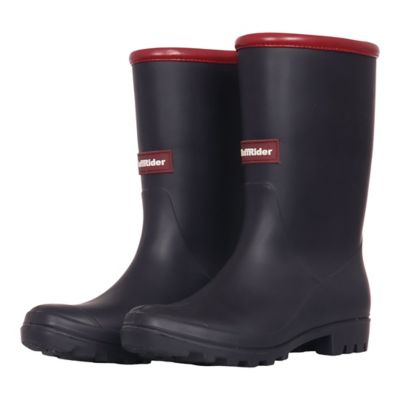
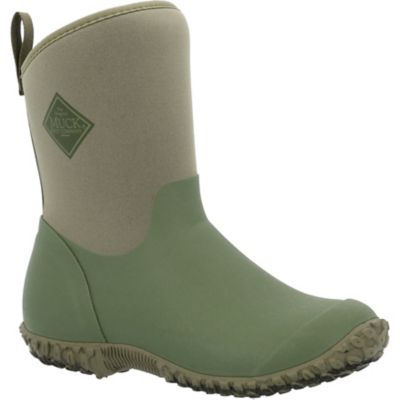
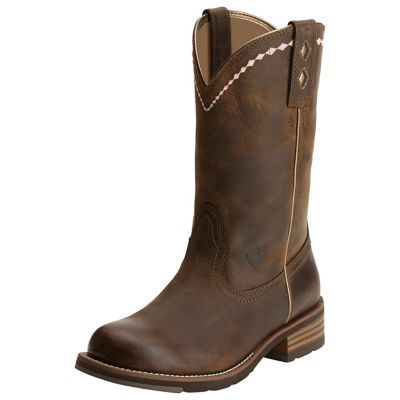
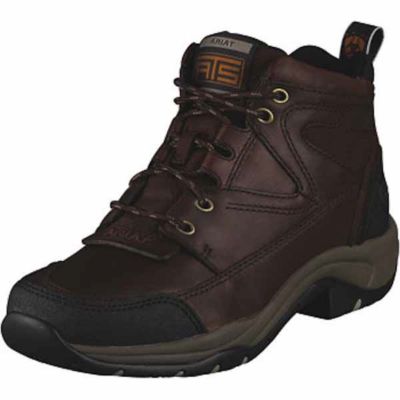
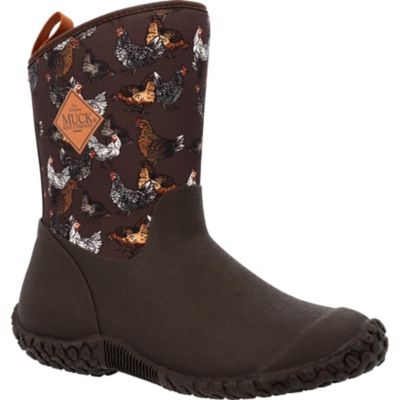
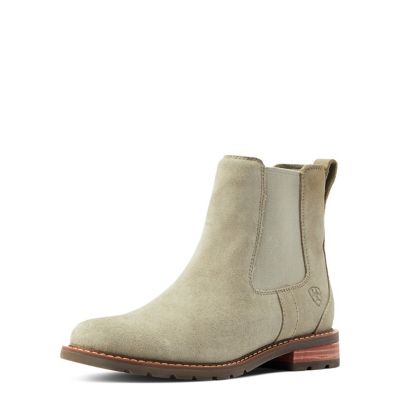
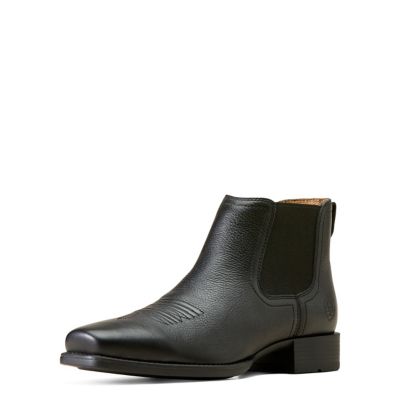
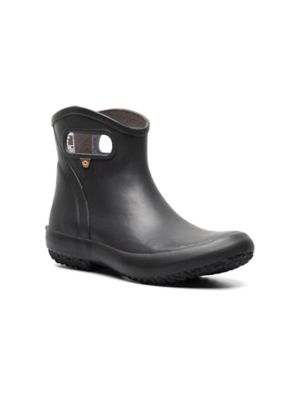
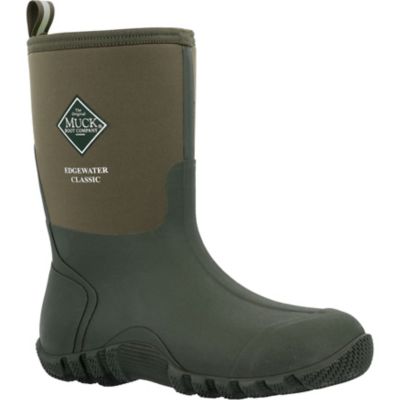
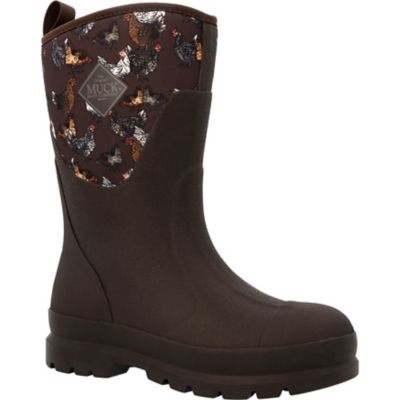
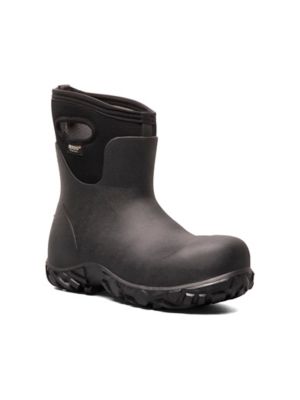
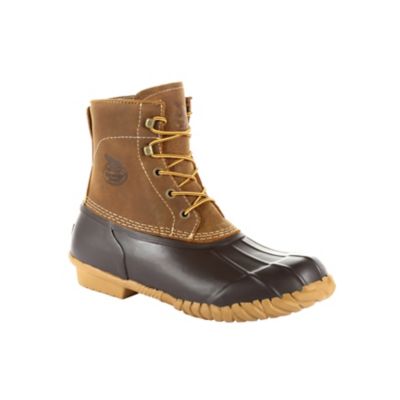
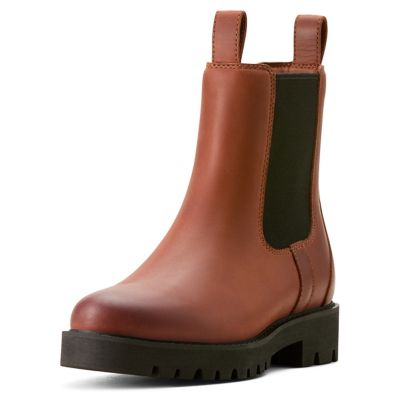
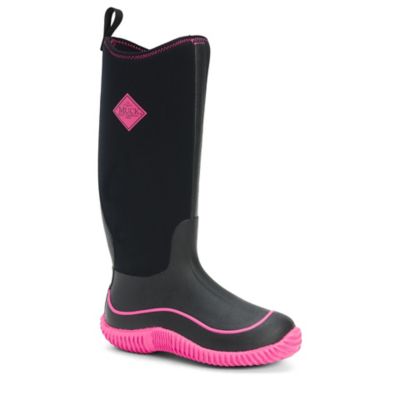
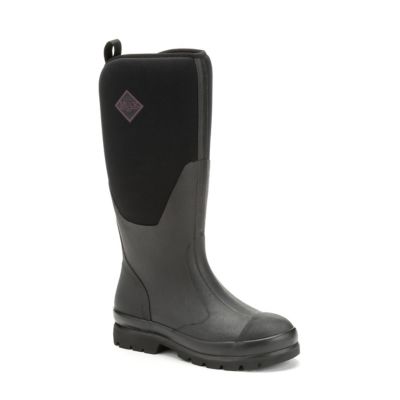
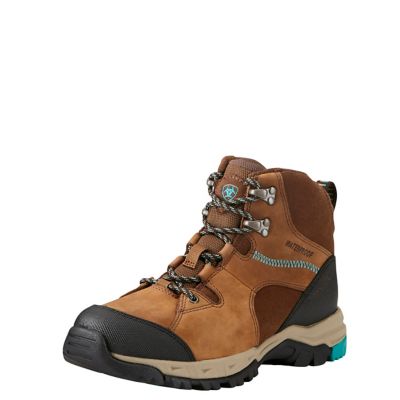
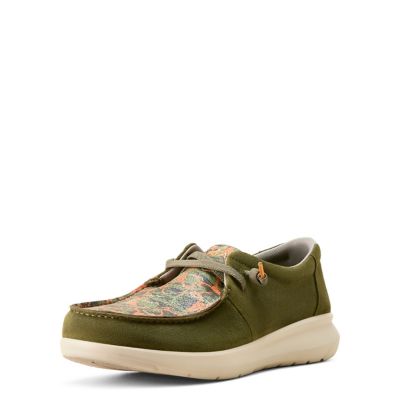
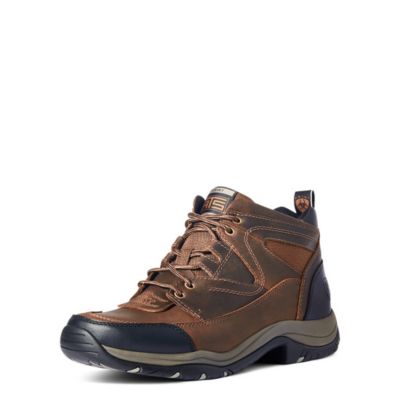
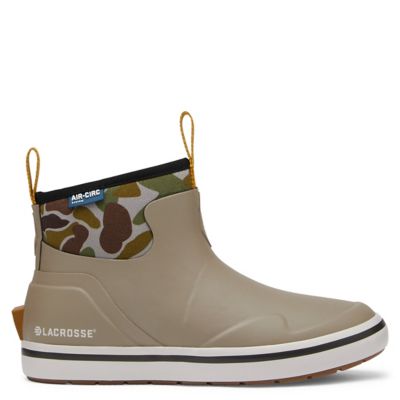
Boots for spring balance everyday comfort with the coverage needed for rain, muddy ground, and busy days outdoors. The right pair depends on where the day leads: across a damp pasture, through garden rows, around a workshop, or into town after chores. Rain boots, leather work boots, western boots, and ankle boots each serve a different purpose, so spring footwear can range from easy-rinsing rubber to lighter leather styles that pair comfortably with jeans. Rubber and other waterproof materials make sense for wet grass, shallow puddles, and muddy paths, especially when the upper has few seams where moisture might enter. A taller shaft adds coverage against splashes, though water can still come in over the opening. Leather offers a different feel, gradually flexing with the foot while keeping enough structure for regular wear. Water-resistant leather can handle light moisture, but a leather upper alone does not make a boot waterproof; construction, seams, and any waterproof lining matter, too. Suede brings a softer texture to casual spring outfits and generally fits better with dry errands or an afternoon gathering than muddy chores. Synthetic uppers offer another option, with weight, flexibility, and weather protection varying by construction. For days that include plenty of walking, the feel underfoot matters as much as the material on top. A cushioned footbed can soften each step, while a supportive midsole helps a boot feel more settled beneath the foot. Deep outsole lugs can provide purchase on loose ground, but they also carry mud onto porch steps and truck floorboards. Shallower tread can be easier to brush clean after a trip across the yard. Neither pattern guarantees footing on every surface. A boot intended for a muddy feed run may feel quite different from one meant for a gravel driveway and a few hours in town. Matching the construction to those everyday settings makes spring boots more useful than choosing by appearance alone.
Fit is especially important when spring days involve moving between chores, driving, and long stretches on foot. Boots should leave room for toes to move without letting the foot slide around inside. A snug instep can help hold the foot in place, but pressure across the top of the foot, pinched toes, or rubbing at the ankle are signs that a different size, width, or shape may work better. Pull-on western boots can allow a little heel movement when new, while lace-up boots offer more control over the fit through the instep and ankle. Trying boots with the socks intended for daily wear gives a better sense of the space available than switching sock thickness afterward. Breathable socks that move moisture away from the skin can help manage dampness from perspiration, particularly inside waterproof footwear. Waterproof construction keeps outside moisture out when properly maintained, but it may also feel warmer than an unlined boot during active work. Shaft height deserves attention as well. Ankle boots allow easy movement and pair neatly with straight-leg jeans, while taller shafts provide more coverage when walking through wet vegetation or brushing past rough grass. The opening should leave enough room for the calf and any pants tucked inside without pressing or chafing. For work around equipment, livestock, or heavy materials, footwear requirements come before styling preferences. Protective toes, puncture-resistant components, and electrical hazard ratings serve different purposes, and each feature needs to match the task and any workplace rules. A western shape or thick outsole does not establish that a boot has those protections. Outsole grip also needs to suit the setting, whether that means packed soil, wet concrete, or a shop floor. For anyone who spends part of the day climbing steps or crouching beside a raised bed, a boot that bends comfortably at the forefoot without slipping at the heel can make those repeated movements less awkward.
Spring boots also have a place beyond the chore list. Tan, brown, and lighter neutral shades pair easily with denim, cotton dresses, and everyday layers, while darker leather works well for a pair that moves between casual outings and practical tasks. Western stitching, a shaped shaft, or a simple ankle silhouette can add character without making an outfit feel dressed up for no reason. A low, steady heel generally suits more walking than a taller, narrower one, especially on gravel parking areas or uneven paths. Shorter shafts fit neatly beneath many pant legs, while taller boots can sit under a wider hem or pair with a skirt for a family gathering. For days that call for footwear other than boots,
Comfortable Shoes For Spring offers another way to round out a spring footwear rotation. Boots can also make a thoughtful gift for someone who gardens, tends animals, works outdoors, or simply enjoys a western look, provided their size, width, and preferred fit are known. Keeping that pair in good shape starts with care suited to its material. Mud is easier to remove before it settles into seams and welt edges, but aggressive scrubbing can roughen leather or damage finishes. A soft brush and lightly damp cloth handle many routine cleanups; the maker’s care directions should determine which cleaners, conditioners, or protective treatments belong on the upper. Suede needs its own brush and appropriate care products rather than the same treatment applied to smooth leather. Rubber boots benefit from a rinse and a chance to dry away from direct heat. Wet leather also needs gentle drying, not a spot beside a heater, which can stiffen or crack the material. Removing insoles when permitted helps the inside dry more thoroughly. Letting boots air between wears, clearing packed tread, and watching for worn heels or separating seams helps keep a favorite pair ready for the next spring outing.